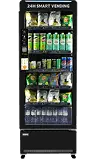
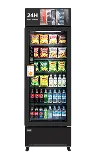
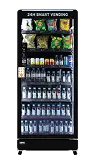
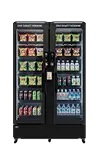
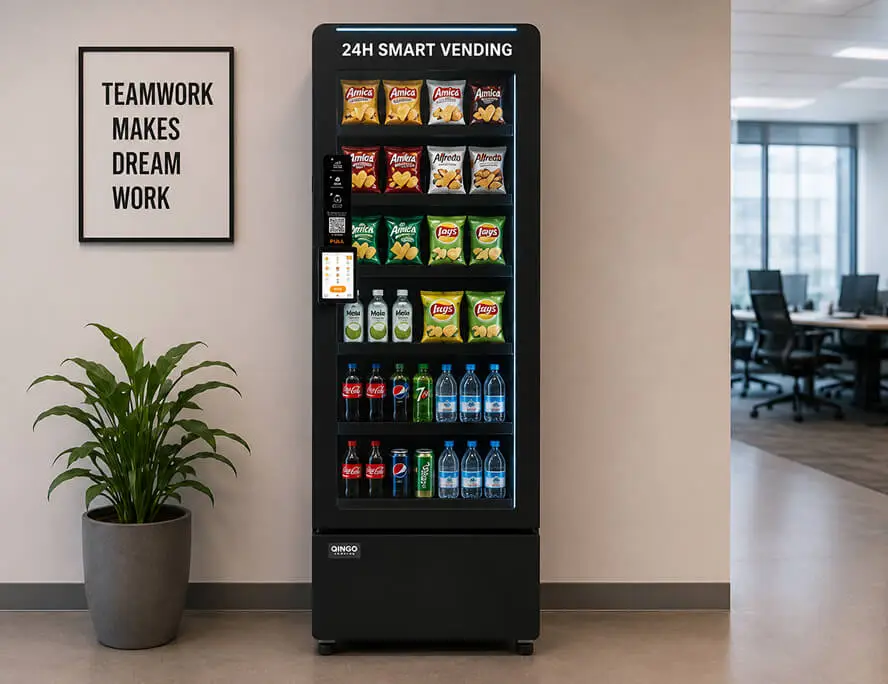
As a manufacturer in the automated retail space for over a decade, I’ve watched the industry shift from simple mechanical coils to sophisticated digital ecosystems. Today, the most frequent question I get from entrepreneurs and distributors is: “What exactly makes a vending machine ‘AI’?”
It is no longer just about dispensing a soda; it’s about a machine that can “see,” “think,” and “learn.” In this guide, I will break down the technology, the operational advantages, and why this shift is the most significant evolution in vending history.
Defining the AI Vending Machine
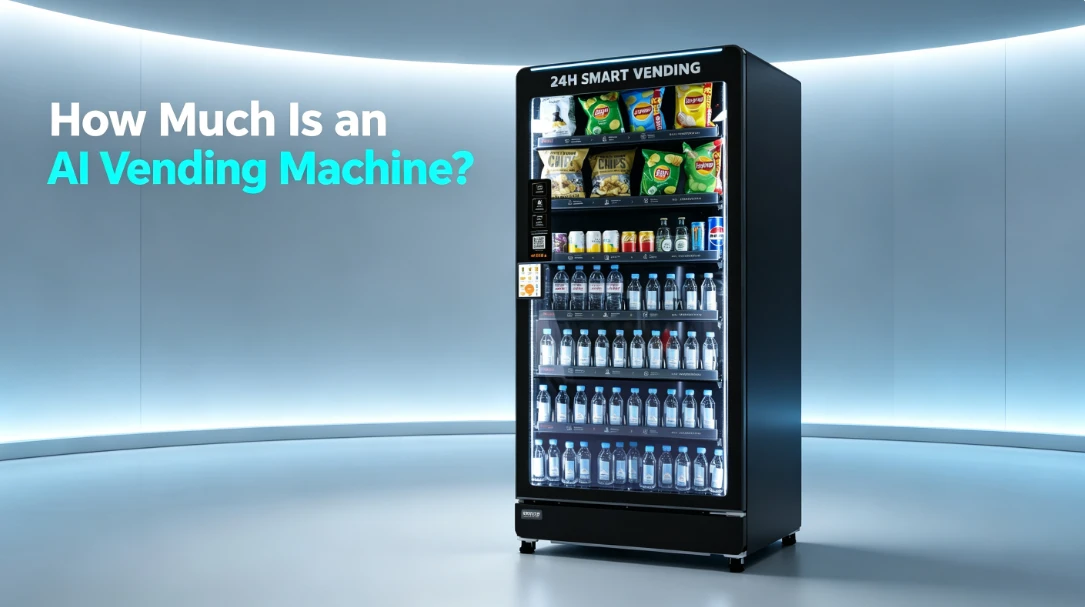
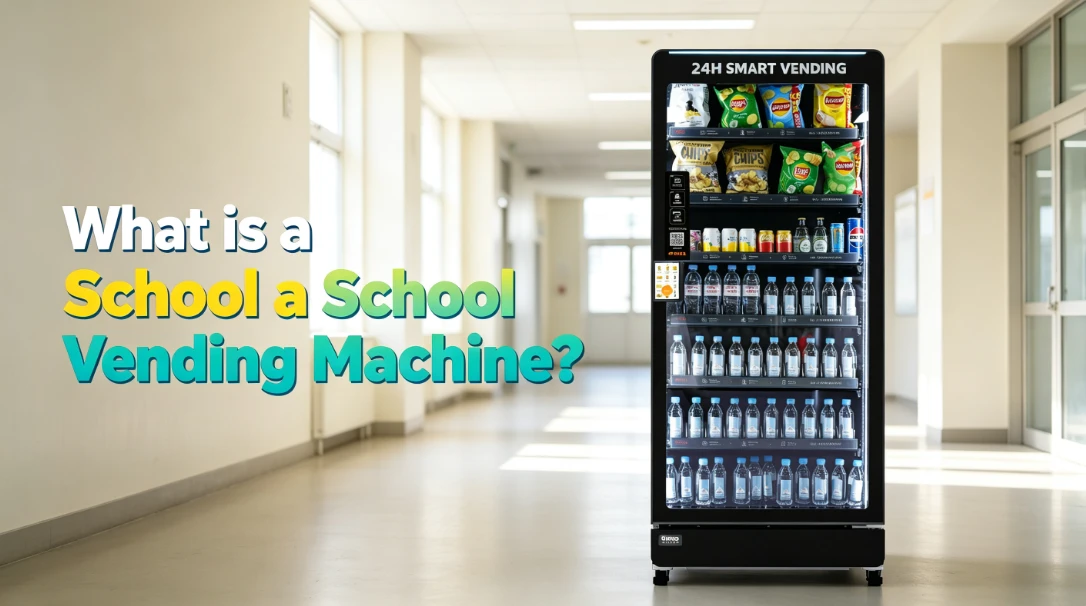
An AI vending machine is an automated retail solution that integrates Artificial Intelligence (AI), Machine Learning (ML), and Computer Vision to enhance the customer experience and optimize backend operations.
Unlike traditional machines that rely on mechanical triggers and “dumb” inventory tracking, an AI-powered unit uses sensors and data processing to interact with its environment. In my experience, the core difference lies in perception. A traditional machine knows a slot is empty; an AI machine knows who bought the item, when they bought it, and what else they might like to buy based on real-time data.
How It Works: The Technology Behind the Intelligence
When we design these machines, we focus on three primary technological layers:
1. Computer Vision (The Eyes)
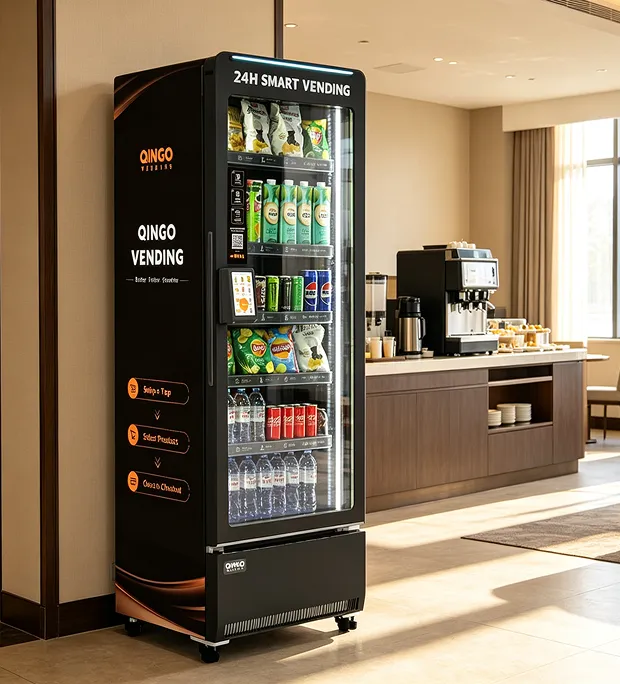
Most modern AI vending machines, particularly “smart fridges,” use high-definition cameras and deep-learning algorithms. When a customer opens the door and takes an item, the AI recognizes the product based on its shape, label, and position. This eliminates the need for restrictive coils or weight sensors, which can often be temperamental.
2. Machine Learning & Predictive Analytics (The Brain)
The machine doesn’t just record a sale; it analyzes patterns. If the data shows that salads sell out by 1:00 PM every Tuesday at a specific office location, the AI system will suggest an inventory adjustment to the operator. This is what we call “predictive maintenance” for stock.
3. IoT Connectivity (The Nervous System)
AI machines are always online. They communicate with a central cloud platform, providing operators with real-time health checks, temperature monitoring, and instant sales reports.
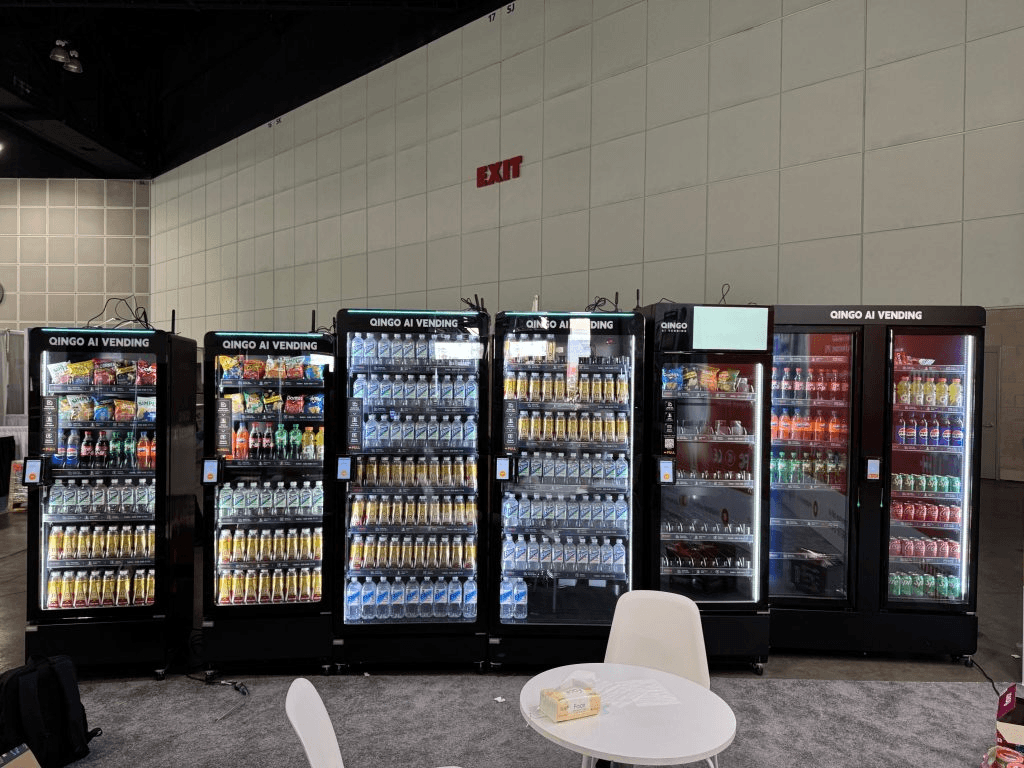
Key Benefits for Operators and Businesses
If you are considering investing in AI vending technology, you aren’t just buying a machine; you are buying an autonomous employee. Here is why the ROI is significantly higher than traditional models:
- Loss Prevention: AI Vision systems are incredibly accurate. Because the machine knows exactly what was removed, the “shrinkage” or theft common in open-shelf honor markets is virtually eliminated.
- Dynamic Pricing & Promotions: I often advise my clients to use the AI to run “Happy Hour” discounts or bundle deals (e.g., “Buy a sandwich, get 20% off a drink”)—all managed remotely and automatically.
- Reduced Operational Costs: Traditional vending requires “static routing”—driving to every machine to check stock. AI enables “dynamic routing,” where you only visit machines that actually need servicing, saving on fuel and labor.
- Enhanced User Experience: Features like facial recognition for age verification (for alcohol or tobacco) or “grab-and-go” frictionless payments make the buying process faster and more modern.
Real-World Applications
We are seeing AI vending machines move far beyond snacks and sodas. In the current market, they are being deployed as:
- Fresh Food Micro-Markets: Serving hot meals or fresh salads in hospitals and office buildings.
- High-Value Retail: Selling electronics, beauty products, or designer accessories in airports.
- Automated Pharmacies: Providing over-the-counter medications with AI-driven guidance.
- Industrial MRO: Dispensing tools and safety equipment in factories to track employee usage.
The Future of Automated Retail
In my professional view, the term “vending machine” will soon be replaced by “Automated Retail Hub.” The goal of AI in this industry is to remove the friction between a consumer’s desire and the physical product.
For entrepreneurs, the opportunity lies in the data. AI machines provide more consumer insights than a traditional brick-and-mortar store ever could, at a fraction of the overhead. If you are looking to scale a retail business in the next five years, AI-driven automation is no longer an “extra”—it is the standard.
FAQ
1. How is an AI vending machine different from a “Smart” vending machine?
While “smart” machines usually offer touchscreens and internet connectivity for payments, an AI vending machine goes further by using computer vision and machine learning to recognize products and analyze consumer behavior without manual input.
2. Are AI vending machines more expensive to maintain?
Initially, the hardware cost is higher. However, maintenance is often more efficient because the AI can self-diagnose issues and alert the operator to specific part failures before they cause downtime, actually lowering long-term maintenance costs.
3. Do these machines require a constant internet connection?
Yes. For the AI features—such as real-time payment processing and inventory tracking—a stable 4G/5G or Wi-Fi connection is essential for the machine to function at its full potential.
4. Can AI vending machines prevent theft?
Absolutely. Most AI machines use a “pre-authorized” payment method where the door only unlocks after a card or mobile wallet is tapped. The AI cameras then track exactly what is taken, charging the user automatically when the door closes.
5. What products are best suited for AI vending?
AI machines are ideal for high-value items, fragile products that cannot be dropped by a coil, or irregularly shaped items like fresh fruit, hot meals, and retail merchandise.
Reference Sources
- NAMA (National Automatic Merchandising Association): Trends in automated retail and AI integration.
- McKinsey & Company: Reports on the impact of AI on the retail and consumer goods sector.
- IEEE Xplore: Technical papers regarding computer vision in automated vending systems.
Read More For Distributor
AI Vending Machine Distributor Program: ROI & Business Guide
Choosing an AI Vending Machine Manufacturer: Maximize Your ROI
10 Benefits of AI Vending Machines for Modern Retail
Beyond Snacks: What Products Can an AI Vending Machine Sell?
AI Vending Machine Buying Guide: Maximizing ROI for Distributors
Qingo vs Haha: Which Is Better for Your Business?
Read More About AI Vending Machine Technology
How AI Vending Machines Work: The Complete Technology Guide
How Computer Vision & Smart Coolers Work in AI Vending?
AI Vending Machine Security & Theft Prevention Tech