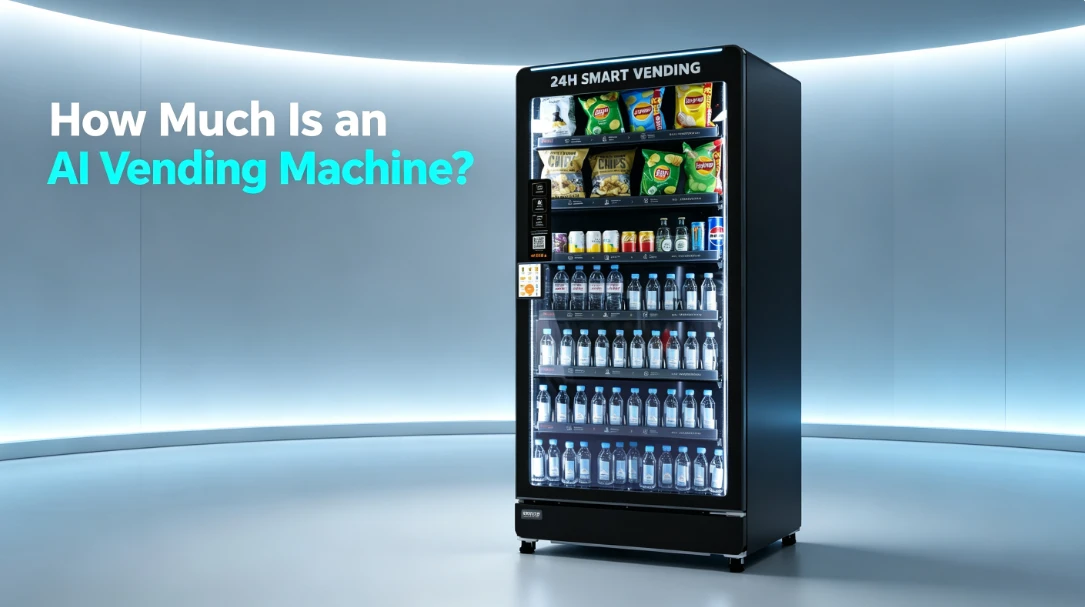
The retail landscape moves fast. Smart automation presents a massive opportunity for operators. When business owners plan their investments, they often ask: how much is an ai vending machine?
Hardware size and smart software subscriptions drive the final investment. This guide breaks down exact pricing factors to help you maximize your ROI.
How Much Does an AI Vending Machine Cost?
Pricing depends heavily on the physical size of the smart fridge. Operators must match cabinet capacity with daily expected sales. Here is the standard hardware investment breakdown:
- Small Machines: Expect to spend around $3,000. These compact units perform exceptionally well in small office breakrooms.
- Medium Machines: These models cost between $4,000 and $5,000. They provide excellent value for standard retail locations.
- Large Machines: Premium high-capacity units run between $6,000 and $7,000. You need these for airports, hospitals, and busy campuses.
Factoring in Logistics and Shipping
Hardware price tags represent only the first financial step. Buyers must budget for international freight and local final-mile delivery. Logistics costs fluctuate based on fuel prices, destination ports, and order volume.
We recommend requesting comprehensive freight quotes before finalizing any purchase. Bulk wholesale orders drastically reduce the average shipping cost per unit.
Understanding Smart Software Subscriptions
AI automation relies heavily on cloud computing and visual recognition technology. Providers charge ongoing fees to keep the smart ecosystem running smoothly. Operators must account for three main software costs:
- SIM Card Service Fee: Operators pay a daily rate per machine. This ensures uninterrupted cellular connectivity for remote management.
- Platform Service Fee: This daily machine charge covers the backend software. It allows owners to track inventory and sales in real time.
- Algorithm Service Fee: You pay a small fee per transaction. This funds the visual AI computing power that accurately identifies removed items.
Where to Buy AI Vending Machine: Top 5 QINGO Models
Entrepreneurs constantly ask where to buy ai vending machine hardware that delivers reliable performance. QINGO engineers premium automated retail solutions. Consider these five top-tier models for your next deployment:
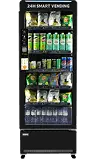
- Qingo Ten 409: A highly compact cabinet offering a small footprint. It simplifies deployment and accelerates ROI for new operators.
- Qingo King 509: The best value option in the lineup. It remains highly cost-effective and easy to relocate as business needs change.
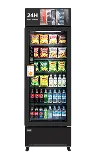
- Qingo Queen 509: Features a prominent digital signage screen. Owners generate additional passive income by displaying remote advertisements.
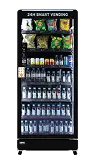
- Qingo Ace 779: Engineered for maximum throughput. The large capacity design holds a wide product variety for busy public spaces.
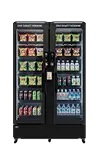
- Qingo Pair 1208: A massive dual-door smart fridge. It allows dual shoppers to browse simultaneously, driving massive sales volume.
.png)
Making the Final Purchasing Decision
Profitable operators carefully balance hardware costs against expected location traffic. You should not place a $7,000 dual-door machine in an office of twenty people. Conversely, a $3,000 small unit will constantly sell out in a busy hospital lobby.
Calculate your product margins meticulously. High-margin items easily absorb the per-transaction algorithm fees. Build a solid financial model using these exact cost factors to ensure long-term automated retail success.
FAQ
- What factors influence AI vending machine prices?
Hardware size, manufacturing materials, and built-in screen technology determine the base price. Shipping logistics and smart software services add to the total setup cost. - Do operators pay monthly fees for AI vending machines?
Yes, smart machines require ongoing cloud subscriptions. Operators pay daily platform and SIM service fees, plus a per-transaction algorithm fee for item recognition. - Are small AI vending machines profitable?
Absolutely. Small units cost around $3,000 and fit into tight office spaces. They deliver a faster ROI because they require lower upfront capital and target captive audiences. - How does the algorithm service fee work?
The AI system processes camera data to identify which products customers take. Providers charge a small fee per successful transaction to maintain this cloud computing service. - What is the best AI vending machine for high traffic?
Large dual-door models handle high traffic best. For example, the Qingo Pair 1208 supports dual shoppers simultaneously, maximizing sales during peak rush hours.