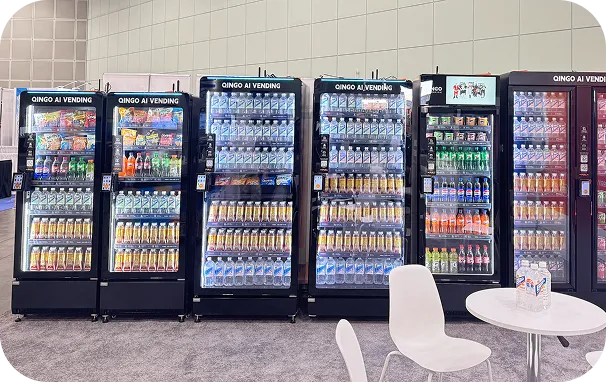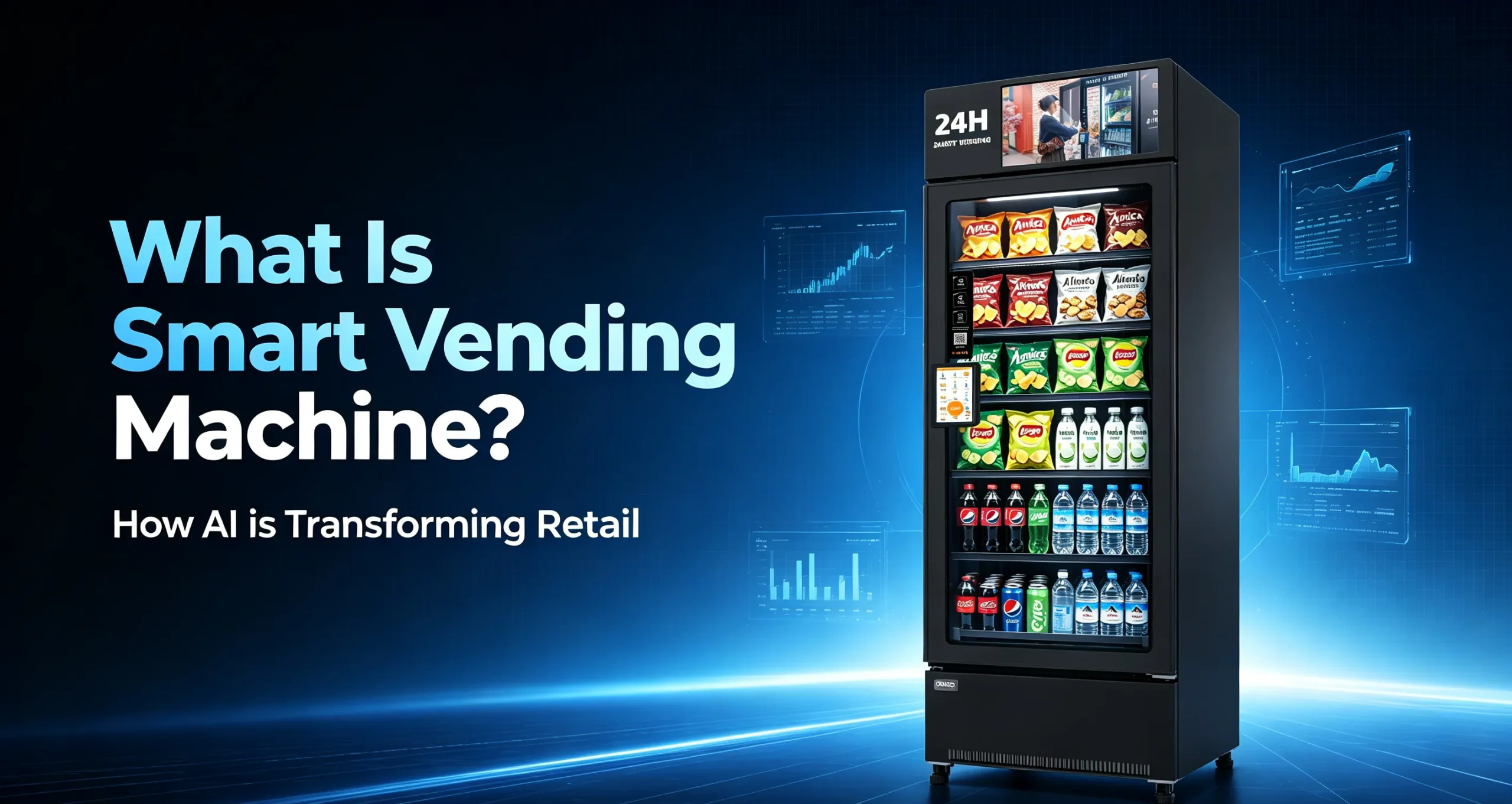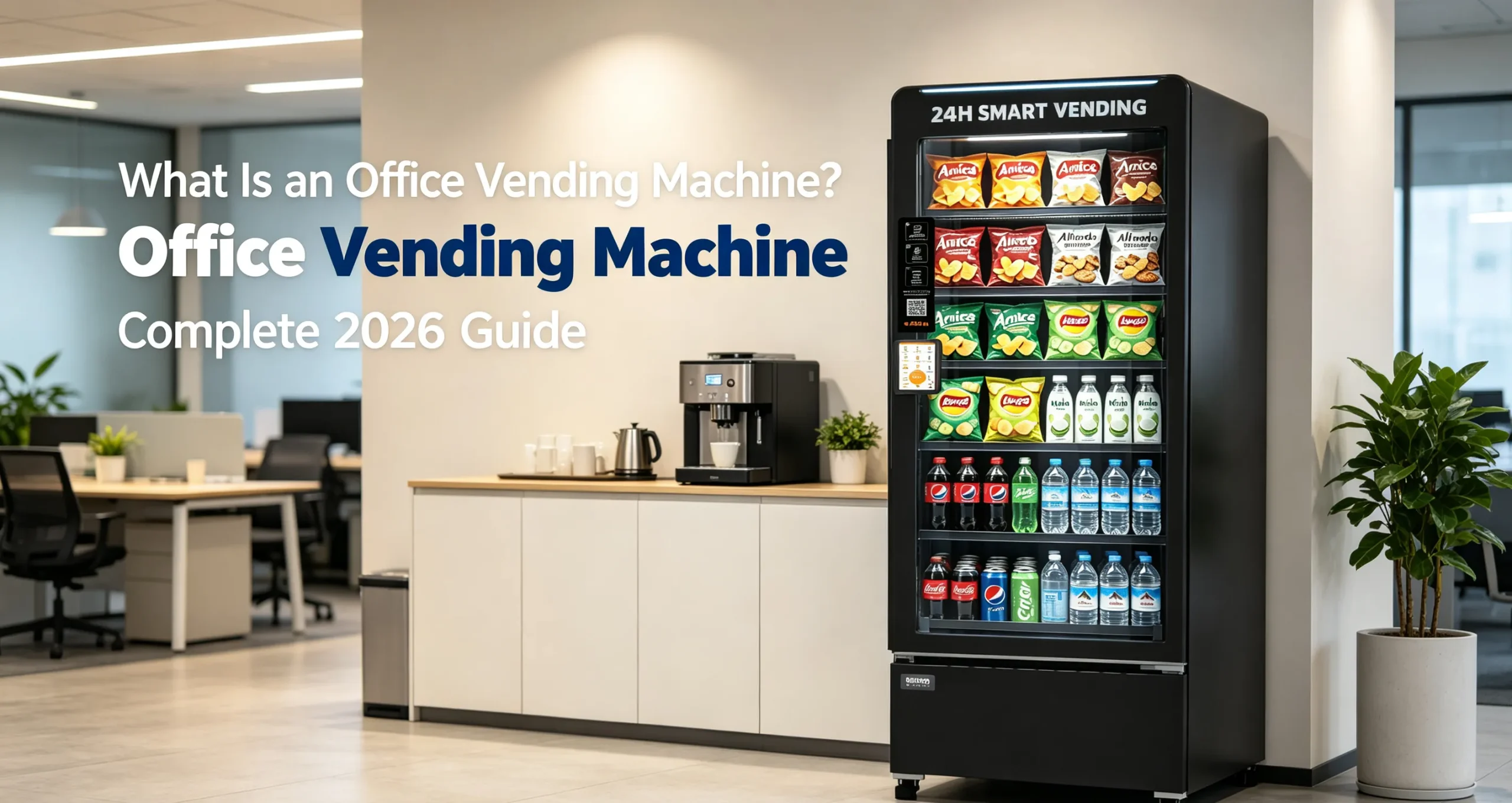
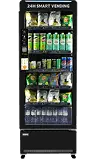
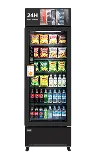
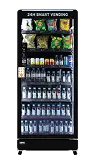
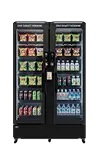
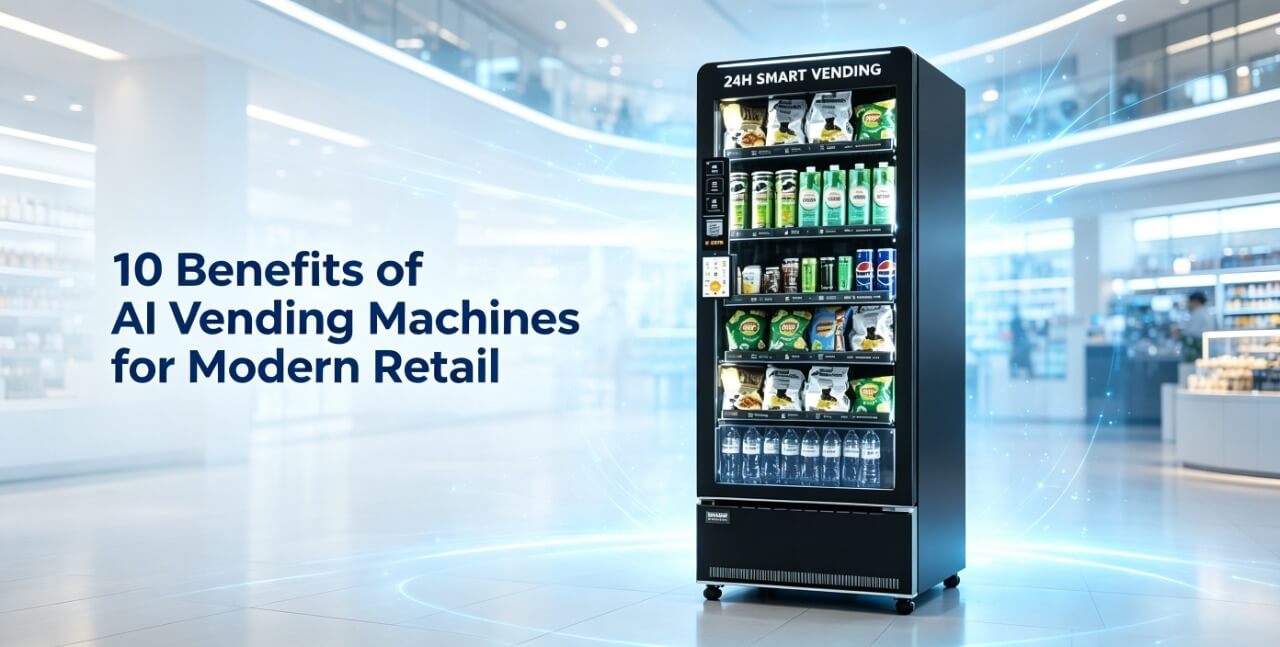
In my years of experience as a manufacturer in the automated retail space, I have watched the industry shift from simple mechanical “snack boxes” to sophisticated, data-driven hubs. Today, the integration of Artificial Intelligence (AI) isn’t just a trend; it is a fundamental shift in how we approach unattended retail.
The traditional vending model often suffered from “blind” operations—operators didn’t know a machine was empty or broken until they physically arrived. AI has changed that. For entrepreneurs and business owners looking to scale, an AI vending machine offers a level of precision and profitability that was previously impossible.
Here are the 10 primary benefits of AI vending machines for the modern retail landscape.
1. Enhanced User Experience through Personalization
Modern consumers expect a frictionless, digital-first experience. AI-powered machines use touchscreens and intuitive interfaces to guide users. By leveraging computer vision and machine learning, these machines can recognize returning customers (with consent) and suggest their favorite products, making the transaction feel personalized rather than robotic.
2. Real-Time Inventory Management
One of the biggest pain points for operators is the “out-of-stock” scenario. AI systems provide real-time cloud syncing. As a manufacturer, we integrate sensors that monitor stock levels down to the individual SKU. The AI analyzes sales velocity, alerting you exactly when to refill and, more importantly, what specific products are moving fastest so you don’t waste truck space.
3. Dynamic Pricing Strategies
In traditional retail, changing prices across multiple locations is a manual nightmare. AI vending machines allow for dynamic pricing. Much like ride-sharing apps, AI can adjust prices based on demand, time of day, or expiration dates. If a perishable item is nearing its end-of-life, the AI can automatically trigger a discount to ensure a sale rather than a loss.
4. Smart Product Recommendations
AI doesn’t just sell; it “upsells.” By using “frequently bought together” algorithms, the machine can suggest a beverage to go with a snack. This cross-selling capability, powered by AI data processing, significantly increases the Average Transaction Value (ATV) without requiring a human salesperson.
5. Cashless and Biometric Payments
The modern consumer rarely carries cash. AI vending machines are built for the digital economy, supporting everything from mobile wallets and QR codes to facial recognition payments. These systems are more secure and faster than traditional coin slots, reducing transaction friction and hardware maintenance associated with bill-jams.
6. Predictive Maintenance and Reduced Downtime
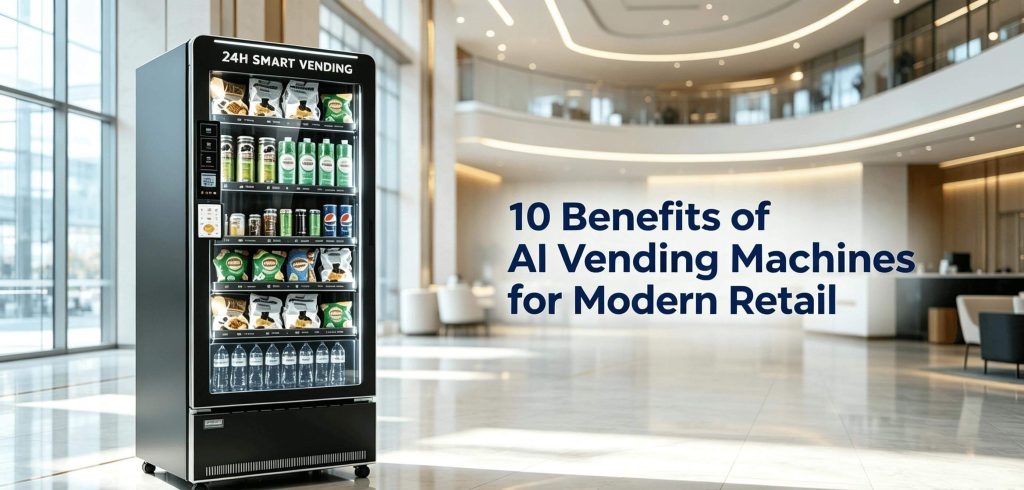
Nothing kills ROI faster than a broken machine. AI-driven “health checks” monitor the internal components—like refrigeration compressors or motorized coils—in real-time. The system can predict a part failure before it happens, allowing operators to perform preventive maintenance. This ensures the machine stays online 24/7, maximizing every possible sales hour.
7. Advanced Data Analytics and Insights
Data is the “new oil” in retail. AI vending machines collect vast amounts of anonymized data: peak shopping hours, demographic trends, and seasonal preferences. As an operator, you no longer have to guess what products to stock. You can look at a dashboard and see that “Location A” prefers protein bars at 8 AM, while “Location B” sells more energy drinks at 10 PM.
8. Reduced Operational Costs
By optimizing “route density,” AI helps you save on fuel and labor. Instead of visiting every machine on a fixed schedule, your team only visits the machines that actually need attention. Our data shows that AI-optimized routing can reduce operational overhead by up to 30%, directly impacting your bottom line.
9. Targeted Digital Advertising
The large screens on AI vending machines are essentially high-value digital billboards. AI can detect the presence of a passerby and trigger targeted advertisements. This creates a secondary revenue stream for owners: selling ad space to brands that want to reach consumers at the point of purchase.
10. Flexibility Across Scenarios
AI has expanded vending beyond chips and soda. We are now seeing AI machines dispensing high-value electronics, pharmaceuticals, and fresh meals. The “smart” nature of the machine—including age verification via AI for restricted goods—allows automated retail to exist in hospitals, luxury hotels, airports, and corporate offices with high reliability.
Summary Table: AI vs. Traditional Vending
| Feature | Traditional Vending | AI Vending Machine |
| Data Visibility | None (until visit) | Real-time Dashboard |
| Maintenance | Reactive (when broken) | Predictive (before failure) |
| Pricing | Fixed/Manual | Dynamic/Automatic |
| User Interaction | Physical Buttons | Touchscreen/Voice/AI |
| Payment Options | Cash/Card | Cashless/Biometric/Mobile |
FAQ
What exactly makes a vending machine “AI”?
An AI vending machine utilizes a combination of sensors, internet connectivity (IoT), and machine learning algorithms. Unlike traditional machines that simply execute a command, AI machines analyze data to make “decisions,” such as predicting when a part will fail or suggesting a product to a customer.
Are AI vending machines more expensive to maintain?
Actually, they are often cheaper to maintain over time. While the initial technology investment is higher, the “predictive maintenance” feature prevents costly emergency repairs and reduces unnecessary site visits, leading to a lower Total Cost of Ownership (TCO).
How does AI help with theft and shrinkage?
Many AI machines use computer vision and weight sensors to track exactly which item is removed. In “smart fridge” formats, the AI detects when a door is opened and closed, charging the user automatically for only the items taken, which virtually eliminates traditional vending theft.
Can I upgrade my existing machines to be AI-enabled?
While some “retro-fit” kits exist for telemetry and cashless payments, a true AI experience—including computer vision and dynamic interfaces—is usually best achieved with a purpose-built AI vending machine designed for high-level data processing.
Is AI vending suitable for small-scale operators?
Yes. In fact, small-scale operators benefit significantly from the labor savings. Since you can manage the machines remotely and only visit them when necessary, it allows a single person to manage a larger fleet of machines than would be possible with traditional equipment.
Reference Sources
- Grand View Research: Vending Machine Market Size & Trends Report
- NAMA (National Automatic Merchandising Association): Industry Insights and Trends
- Forbes: How AI Is Transforming The Retail Industry