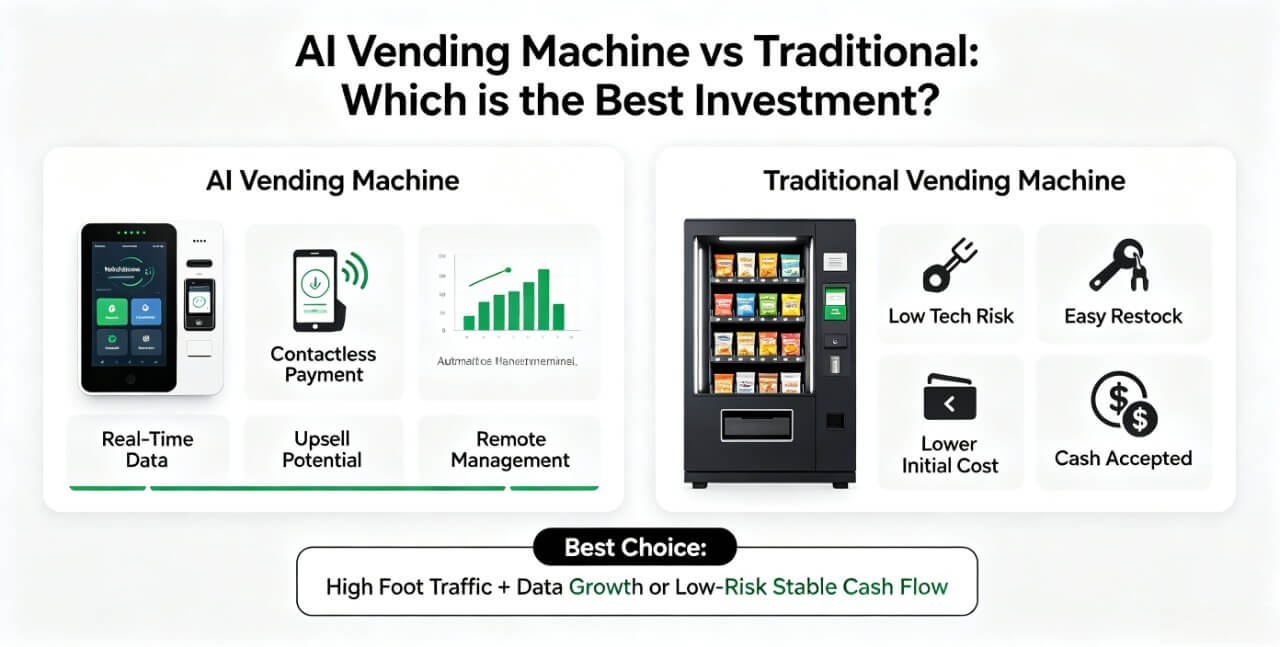
As a manufacturer deeply embedded in the vending industry for years, I have witnessed a significant shift in how operators approach their equipment investments. The industry is no longer just about “selling snacks”; it is about maximizing yield per square foot and optimizing operational efficiency.
The debate between sticking with a traditional vending machine or upgrading to an AI vending machine is one of the most common discussions I have with entrepreneurs and distributors. While traditional machines have been the backbone of the industry for decades, AI-driven solutions are fundamentally changing the profitability of vending routes.
In this guide, I will break down the core differences, the operational realities, and help you determine which model fits your specific business goals.
The Core Differences: At a Glance
Before we dive into the details, let’s look at how these two technologies stack up against each other across key business metrics.
| Feature | Traditional Vending Machine | AI Vending Machine |
| Technology | Mechanical coils/motors, basic MDB | Computer Vision, Sensors, Deep Learning |
| User Experience | Select code -> Pay -> Wait for drop | Grab & Go (Open door -> Take item -> Auto-charge) |
| Product Range | Limited to items that fit in coils | Irregular shapes (fresh fruit, glass, electronics) |
| Inventory Management | Manual checks or basic telemetry | Real-time AI analytics & predictive restock |
| Maintenance | Higher (moving parts, jams) | Lower (fewer mechanical parts) |
| Initial Cost | Lower | Higher |
| Shrinkage/Theft | Very low (locked cabinet) | Managed by AI sensors and cameras |
Why AI Vending Machines are Redefining Retail
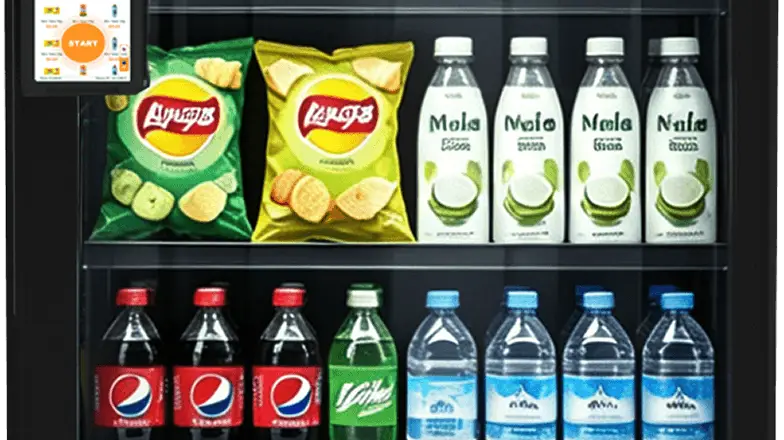
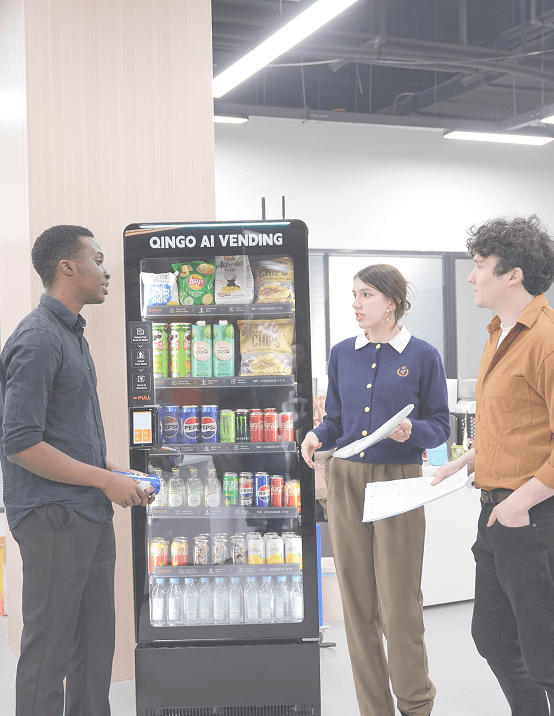
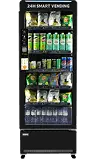
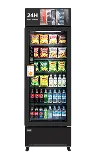
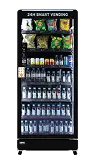
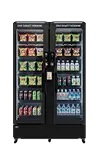
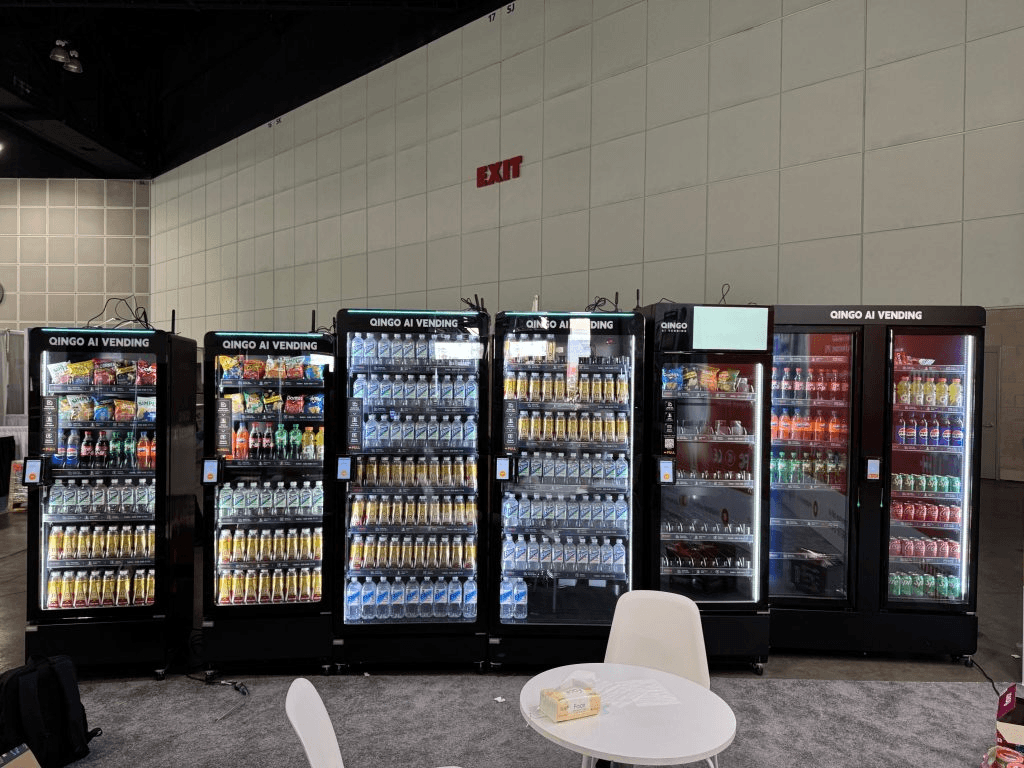
In our manufacturing facility, we’ve seen a surge in demand for AI-powered “Smart Fridges” and “Vision-pick” systems. Here is why the AI vending machine is becoming the preferred choice for high-traffic locations.
1. Frictionless “Grab and Go” Experience
The biggest barrier to traditional vending is friction. Coils jam, items get stuck, and the interface is often clunky. AI machines using computer vision allow customers to simply tap their card, open the door, and take what they want. The system automatically detects which item was removed and charges the user. This “Amazon Go” style experience significantly increases the average transaction value.
2. Product Versatility
Traditional machines are slaves to their coils. If you want to sell a salad bowl, a glass bottle of kombucha, or a fragile electronic device, a traditional machine often fails or requires expensive modifications. AI machines don’t care about the shape or weight. If the camera can see it and the sensor can weigh it, you can sell it.
3. Data-Driven Operations
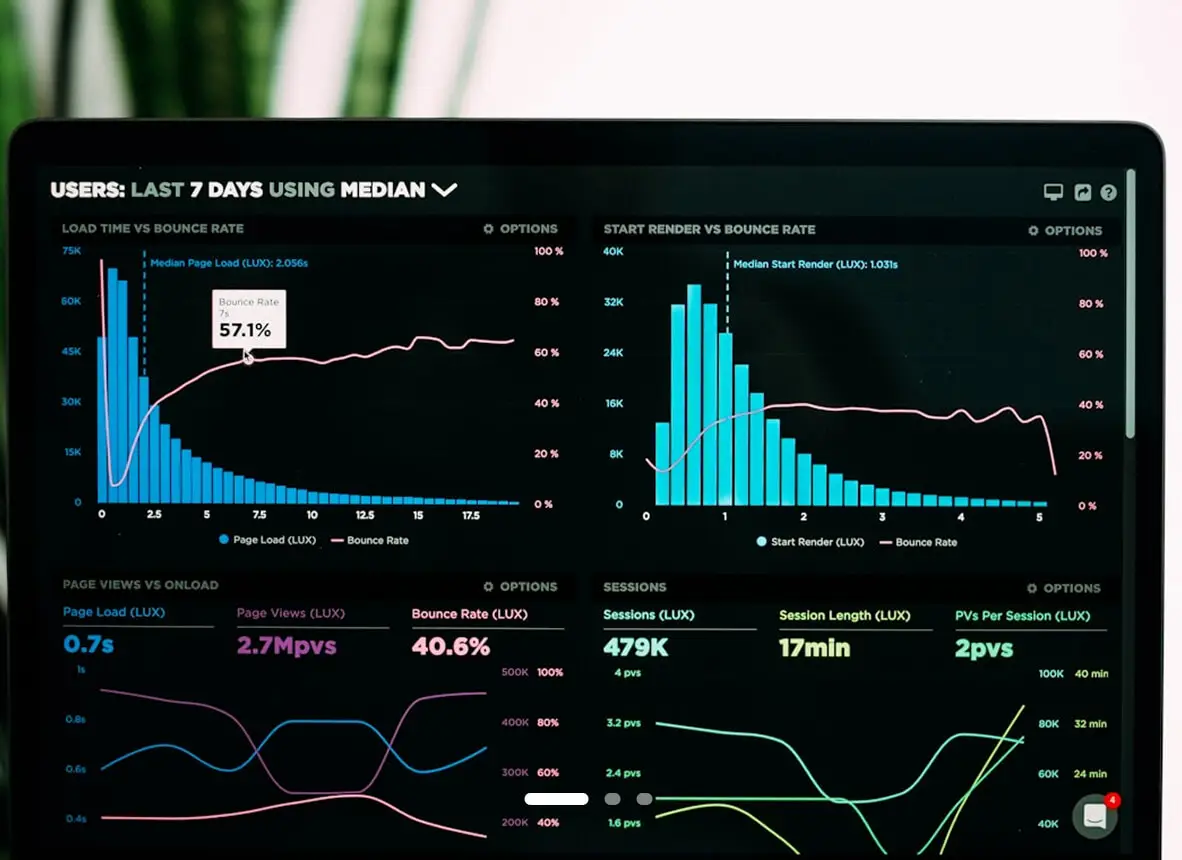
An AI vending machine is essentially a data scientist in a box. It doesn’t just tell you that you sold a soda; it analyzes purchasing patterns, suggests optimal restock times, and can even implement dynamic pricing. We’ve seen operators reduce their “dead miles” (driving to machines that don’t need refilling) by up to 40% after switching to AI-integrated systems.
The Case for Traditional Vending Machines
Does this mean traditional machines are obsolete? Not at all. As a manufacturer, I often recommend traditional models for specific scenarios.
- Entry-Level Budgeting: If you are a startup entrepreneur testing a low-traffic location, the lower upfront capital expenditure (CAPEX) of a traditional machine makes it a safer entry point.
- Harsh Environments: In some outdoor or high-vandalism areas, the physical security of a heavy-duty traditional machine with a reinforced cabinet is still superior to a glass-front smart fridge.
- Simple Needs: If you are only selling standardized snacks and canned drinks, the mechanical simplicity of a traditional machine is tried and true.
ROI Analysis: The Long-Term View
When calculating your Return on Investment (ROI), do not look only at the purchase price.
- Labor Costs: Traditional machines require more frequent physical visits to check stock levels unless you pay for add-on telemetry. AI machines provide 100% accurate real-time inventory, allowing for “just-in-time” logistics.
- Sales Volume: In our testing, AI machines typically see a 20-30% increase in sales compared to traditional machines in the same location, primarily due to the ability to sell fresh, high-ticket items and the improved user experience.
- Maintenance: Traditional machines have more moving parts (motors, spirals, delivery bins). AI smart fridges are essentially specialized commercial coolers with cameras—fewer mechanical points of failure mean lower long-term repair costs.
Manufacturer’s Recommendation
Choose an AI Vending Machine if:
- You are targeting offices, gyms, hospitals, or premium transit hubs.
- You want to sell fresh food, fragile items, or premium beverages.
- You want to scale a large route with minimal labor overhead.
Choose a Traditional Vending Machine if:
- You are operating in unmonitored outdoor locations.
- Your budget is strictly limited for the first 1-2 units.
- You only plan to sell standard packaged snacks and sodas.
The vending industry is moving toward a more interactive, data-heavy future. While traditional machines still have their place, the AI vending machine is the tool that will allow operators to compete with modern convenience stores and micro-markets.
FAQ
1. Are AI vending machines more susceptible to theft?
While the door opens, the system requires a pre-authorized payment method (credit card or mobile wallet) before the lock releases. The AI cameras and weight sensors track exactly what is taken. If someone takes an item and closes the door, they are automatically charged. Our data shows shrinkage is comparable to traditional machines when positioned in semi-secure environments.
2. Do I need a constant internet connection for an AI vending machine?
Yes. To process real-time vision data and cloud-based payments, a stable 4G/5G or Wi-Fi connection is required. Traditional machines can operate offline for longer periods, though they lose their payment processing capabilities.
3. How difficult is it to transition from traditional to AI machines?
The hardware is actually simpler to maintain, but the “learning curve” is in the software. Most manufacturers, including us, provide a management dashboard that handles the heavy lifting of the AI analytics, making it easy for traditional operators to adapt.
4. Is the maintenance for AI cameras expensive?
The cameras are industrial-grade and typically have a long lifespan. Most “technical” issues are resolved via remote software updates rather than physical repairs, which actually makes them cheaper to maintain than mechanical coils.
5. Can I sell hot food in an AI vending machine?
AI technology is excellent for hot food lockers. The sensors can monitor internal temperatures and expiration times, ensuring that the customer always receives a fresh, safe product—something that is much harder to regulate in a mechanical traditional machine.