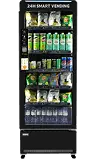
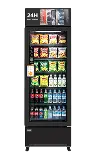
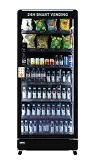
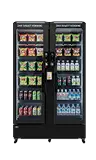
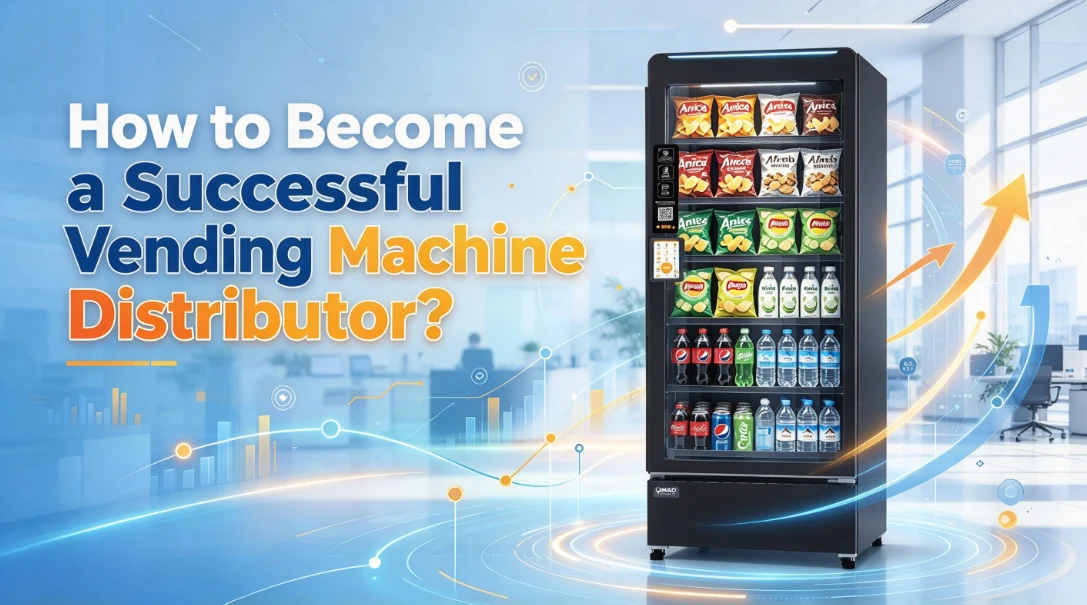
The automated retail industry is expanding rapidly. The global vending machine market reached an estimated $24.89 billion in 2026. This growth creates lucrative opportunities for business owners. Many entrepreneurs focus on operating machines, but supplying the equipment offers a scalable alternative.
Understanding how to become a vending machine distributor requires distinct business skills. You do not just sell machines. You provide solutions, coordinate logistics, and support local operators. This guide explains the core strategies for building a profitable distribution business.
What Is a Vending Machine Distributor?
A vending machine distributor acts as the vital link between equipment manufacturers and local vending operators. You purchase machines wholesale, maintain local inventory, and sell units directly to operators or facilities.
Your role extends far beyond a simple transaction. Distributors must understand product configurations, telemetry systems, and payment hardware. You guide buyers toward the right machines for their specific locations. You also manage warranties, supply spare parts, and offer technical support.
Step-by-Step Process to Start Your Distribution Business
Step 1: Define Market Positioning and Target Customers
Your success depends on clear market positioning. You must decide which segments of the automated retail market you want to serve. Will you focus on traditional snack and drink machines, or specialty smart vending solutions?
Identify your primary customers. Common target groups include independent route operators, corporate facility managers, and specialized retail brands. Each group has different needs. Independent operators prioritize cost and reliability. Corporate buyers often want advanced technology and sleek designs.
Step 2: Partner with the Right Manufacturers
Selecting the right supplier is a critical decision for a vending machine distributor. Your reputation relies heavily on the quality of the equipment you sell. You need a manufacturer that offers reliable hardware and responsive support.
Evaluate potential partners using this checklist:
- Comprehensive product lines (combo, refrigerated, smart machines).
- Stable supply chain and predictable lead times.
- Clear warranty terms and accessible spare parts.
- Advanced telemetry and cashless payment integration.
- Dedicated engineering support for technical issues.
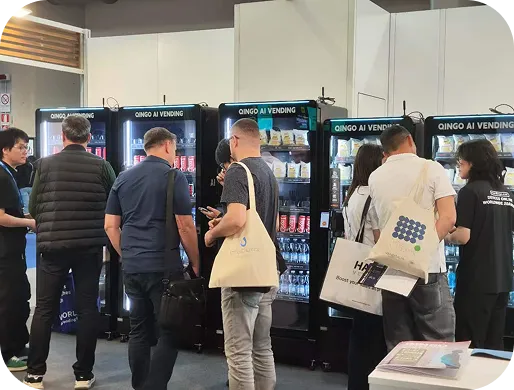
As a dedicated QINGO vending machine distributor, you gain access to a proven commercial framework. We design our distributorship program to maximize your return on investment. Our system focuses on lowering your acquisition costs, protecting your market share, and boosting your overall sales volume.
Maximizing ROI as a QINGO Vending Machine Distributor
Step 3: Plan Your Capital and Inventory Strategy
Distribution requires significant initial capital. You must secure warehouse space, hire staff, and purchase initial inventory. Buying in bulk secures better pricing from manufacturers, but it ties up your cash flow.
Develop a smart inventory strategy to balance costs and availability. Stock popular models that move quickly in your local market. For highly customized units, rely on a build-to-order model. You should also maintain a robust inventory of essential spare parts like coin mechanisms, card readers, and compressor units.
Step 4: Establish After-Sales Service and Delivery Coordination
A successful vending machine distributor provides exceptional post-sale support. Operators lose money when machines break down. Fast, reliable service builds long-term loyalty and guarantees repeat equipment purchases.
Build a local network of technicians. You need experts who can handle refrigeration repairs, software updates, and payment system troubleshooting. Delivery coordination is equally important. Vending machines are heavy and fragile. Partner with specialized moving companies to ensure safe, on-time deployment.
Step 5: Develop Effective Sales Channels
You must actively market your equipment to reach operators. Relying on a physical showroom alone limits your growth. A strong digital presence is mandatory for modern distributors.
Create a professional website optimized for local search traffic. Publish detailed product specifications, financing options, and operational guides. Attend local business expos and facility management trade shows. You can also offer financing plans or leasing options to lower the barrier to entry for new operators.
Summary
Building a successful distribution business requires capital, technical knowledge, and strong manufacturer relationships. By focusing on customer support and strategic inventory management, you can establish a profitable role in the expanding automated retail sector.
FAQ
- What is the main role of a vending machine distributor?
A distributor purchases equipment from manufacturers to sell to local operators. They provide inventory, technical support, and delivery coordination for the regional market. - How much capital is needed to start a distribution business?
Initial capital requirements range from $50,000 to over $200,000. This budget covers warehouse leasing, initial bulk equipment purchases, spare parts inventory, and marketing. - Can distributors sell machines to locations directly?
Yes, distributors frequently sell equipment directly to corporate offices, schools, and hospitals. These facilities often prefer to own the machines and stock them internally rather than using an external route operator. - Why do operators buy from distributors instead of manufacturers?
Operators choose distributors to access local inventory, faster shipping, and regional technical support. Distributors also simplify the buying process by offering financing and localized warranty service. - Do distributors need to repair machines themselves?
Distributors do not have to perform repairs personally, but they must provide repair solutions. Most successful distributors employ in-house technicians or partner with local repair services to support their clients.