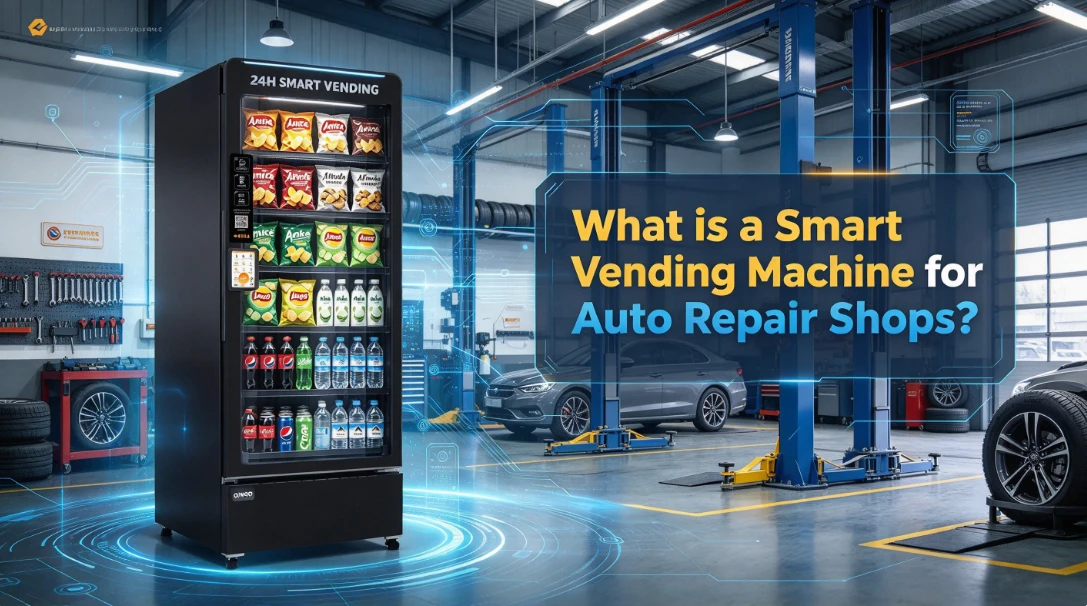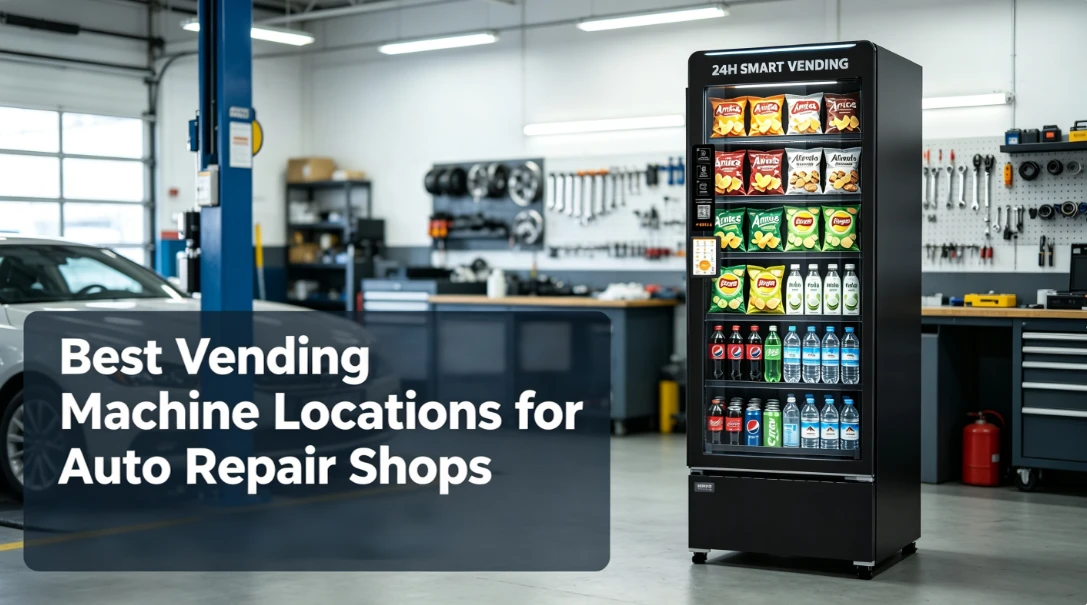
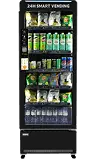
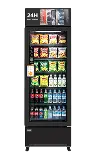
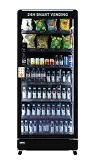
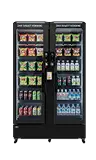
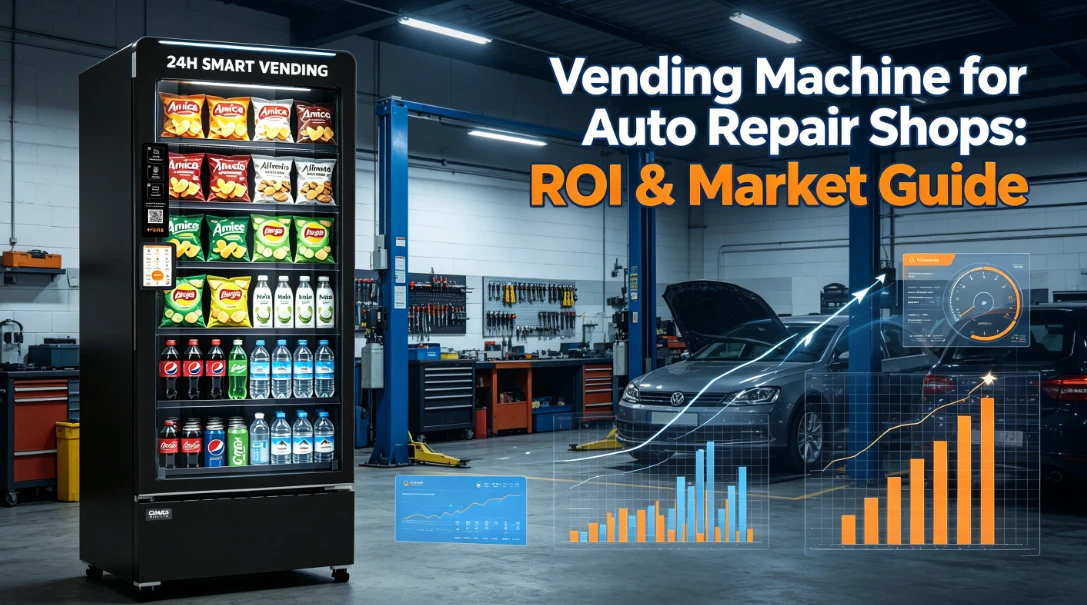
Placing a smart vending machine in an auto repair shop is a profitable investment when operators target high-traffic service centers and manage inventory costs effectively. Average customer wait times in automotive repair facilities often exceed 60 to 90 minutes, creating a captive audience with immediate demand for refreshments and convenience items.
With rising labor costs and a shift toward unattended retail, smart vending solutions offer a low-overhead revenue stream for entrepreneurs and shop owners alike. Understanding the market dynamics, revenue drivers, and operational variables is essential before deploying capital.
Revenue Streams and Profit Potential
Generating strong auto repair shops vending machine ROI relies on capturing impulse purchases and daily workplace consumption. Smart vending machines equipped with cashless payment systems and weight-sensor or computer-vision technology increase average transaction values compared to legacy coil machines.
Operators typically generate revenue through three primary product categories:
- Cold Beverages: Bottled water, energy drinks, iced coffee, and sodas yield gross margins between 50% and 65%. Technicians frequently purchase energy drinks and hydration beverages throughout the day.
- Grab-and-Go Snacks: Nuts, protein bars, chips, and pastries appeal to hungry customers waiting through lunch hours, offering margins around 45% to 55%.
- Automotive & Personal Essentials: High-margin specialty items like phone charging cables, microfiber cloths, air fresheners, and travel-sized pain relievers can achieve margins exceeding 70%.
Cost Breakdown and Capital Requirements
Evaluating the financial viability of an unattended retail setup requires accounting for both upfront capital expenditures (CapEx) and recurring operating expenses (OpEx).
| Expense Category | Cost Type | Typical Range / Impact | Key Considerations |
| Smart Vending Hardware | Upfront CapEx | $3,500 – $7,500 per unit | AI vision coolers cost more upfront than standard combo units but boost multi-item sales. |
| Initial Inventory Stocking | Upfront CapEx | $400 – $800 | Varies based on product mix (beverages vs. specialty auto accessories). |
| Delivery & Installation | Upfront CapEx | $200 – $500 | Includes freight, placement, and cellular/Wi-Fi telemetry setup. |
| Cost of Goods Sold (COGS) | Recurring OpEx | 35% – 50% of gross sales | Wholesale sourcing through bulk clubs or beverage distributors lowers COGS. |
| Payment & Software Fees | Recurring OpEx | 3% – 6% of sales + $15–$40/mo | Covers credit card processing, cellular data, and cloud inventory management. |
| Location Commission | Recurring OpEx | 0% – 15% of net sales | Many shop owners waive rent in exchange for providing an amenity to customers and staff. |
Critical Operational Factors to Protect Your ROI
Even in a high-traffic garage, poor operational execution can erode profit margins. Operators must actively manage several variables to ensure consistent returns.
- Strategic Location Qualification
Not every repair shop generates enough volume to justify a smart machine. Prioritize facilities with at least six to eight service bays, a dedicated customer waiting lounge, and a minimum of 15 to 20 daily customer check-ins. Dealership service departments, multi-bay tire shops, and high-volume oil change centers generally outperform small, two-bay neighborhood garages.
- Machine Placement and Environmental Protection
Auto repair environments expose equipment to dust, grease, and temperature fluctuations. Place the machine inside an air-conditioned customer waiting room rather than an open service bay. Indoor placement protects refrigeration compressors from overheating, keeps the exterior clean for customers, and ensures reliable cellular or Wi-Fi connectivity for cashless transactions.
- Data-Driven Product Curation
Avoid stocking generic product mixes. Use cloud telemetry software to track SKU-level velocity during the first 60 days. In blue-collar work environments, high-caffeine beverages, electrolyte drinks, and hearty snacks outperform low-calorie diet options. Adjust planograms monthly to eliminate slow-moving items and prevent expired inventory waste.
- Commission Negotiation and Space Agreements
When pitching independent shop owners, position the vending machine as a free customer satisfaction upgrade rather than a revenue-sharing lease. Providing cold drinks and snacks reduces customer frustration during long repair delays, improving the shop’s online reviews. Securing a zero-commission placement agreement significantly accelerates your payback timeline.
Estimating Your Payback Period
Financial outcomes vary based on daily foot traffic, average ticket size, wholesale sourcing costs, and equipment financing terms. A well-placed machine generating $35 to $55 in daily gross sales at a 50% net margin typically achieves full capital recovery within 10 to 16 months.
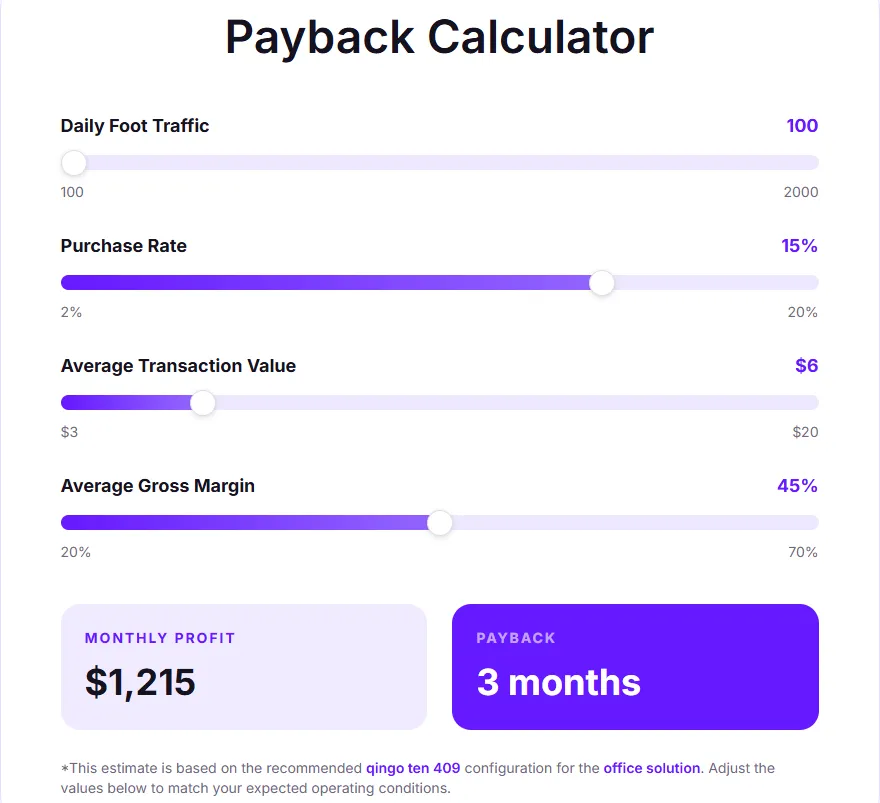
To model your exact numbers before purchasing equipment, use our interactive Payback Calculator to input your expected daily transactions, average product pricing, and operational expenses for an instant ROI projection.
Read More About Vending Machine for Auto Repair Shops
What is a Smart Vending Machine for Auto Repair Shops?
FAQ
1. How much profit can a vending machine make in an auto repair shop?
A well-located vending machine in a busy auto repair shop typically generates between $900 and $1,600 in monthly gross revenue, yielding $450 to $850 in net monthly profit. Actual earnings depend on daily customer volume, technician headcount, product pricing, and wholesale inventory costs.
2. What are the best items to sell in an automotive repair shop vending machine?
The highest-performing products include energy drinks, bottled water, iced coffee, protein bars, salty snacks, and practical convenience items like phone charging cables and air fresheners. Pairing refreshing beverages for technicians with filling snacks for waiting customers maximizes daily unit sales.
3. Should I pay rent or commission to place a vending machine in a repair shop?
Operators should aim for a zero-commission agreement by framing the machine as a complimentary amenity that improves the shop’s customer waiting experience. If a high-volume dealership demands a revenue share, cap the commission at 10% to 15% of net profits after product and processing costs.
4. What type of vending machine works best for auto repair waiting rooms?
A smart combo vending machine or an AI-powered smart cooler works best because both offer refrigerated drinks and ambient snacks within a single compact footprint. Cashless tap-to-pay readers are mandatory, as most customers and technicians prefer mobile wallets or credit cards over cash.
5. How often does an auto repair shop vending machine need restocking?
Most high-performing machines in repair centers require restocking once every 7 to 10 days. Using a smart vending system with real-time remote inventory monitoring lets operators check stock levels remotely and schedule restocking routes only when top-selling items run low.
Reference Sources
- S&P Global Mobility: Average Age of Light Vehicles in the US Reaches 12.6 Years
- National Automobile Dealers Association (NADA): Dealership Service Department Benchmarks and Industry Data