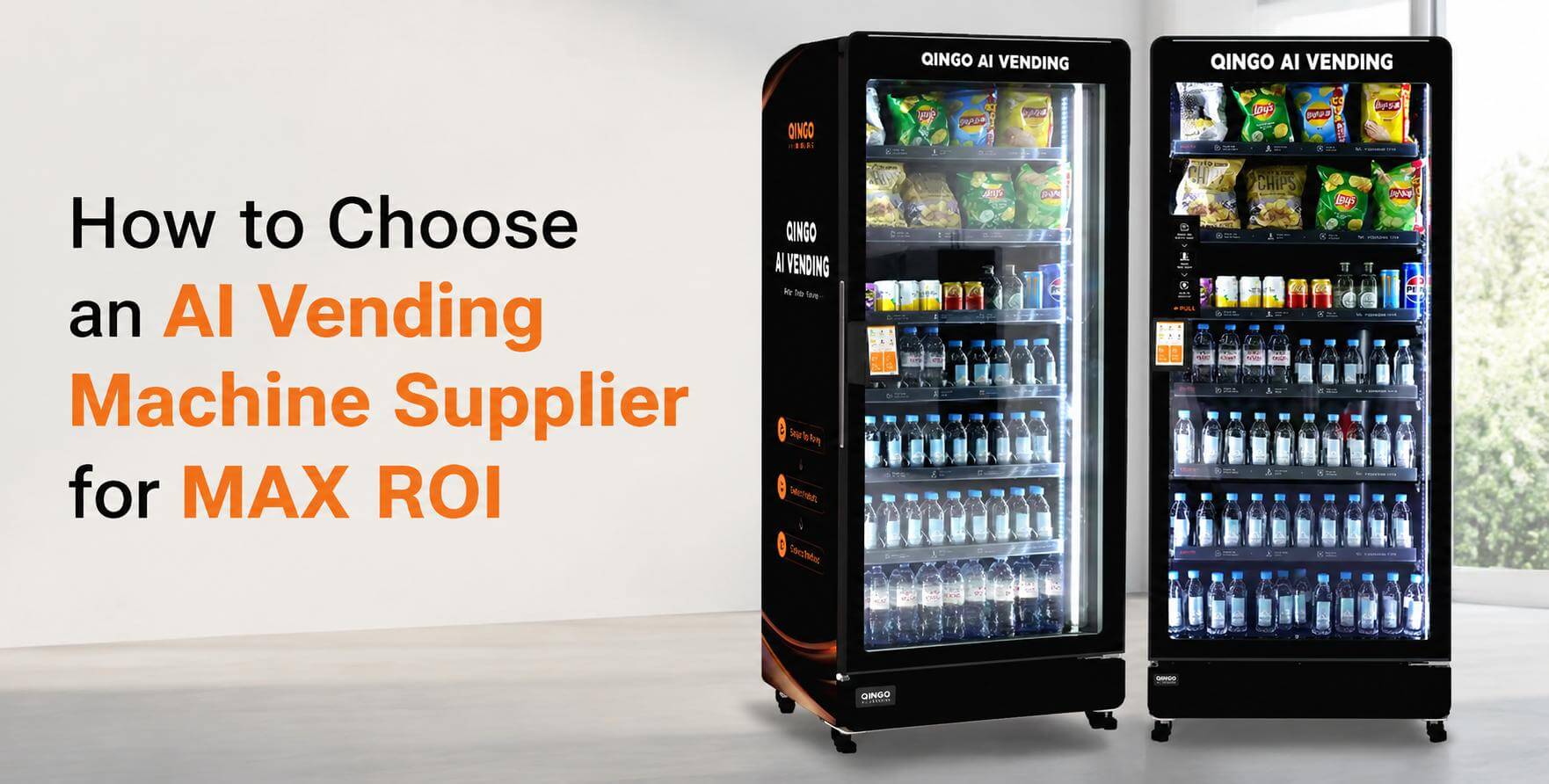
Choosing a reliable vending machine supplier directly impacts your business profitability and operational efficiency. Distributors and operators must look beyond initial pricing. You need a partner capable of delivering durable hardware, smart software, and responsive support. This buying guide breaks down the complete supplier evaluation process.
Essential Product Specifications and Features
Your equipment dictates transaction speed and customer satisfaction. Therefore, reviewing product specifications forms the foundation of your evaluation process. You must ensure the equipment meets modern retail demands.
- Hardware Durability and Design
High-traffic locations demand robust construction. Look for reinforced steel cabinet frames and high-density polyurethane insulation. Universal voltage compatibility ensures the machines operate safely across different regional power grids.
- Smart Software and Payment Systems
Modern operators rely on real-time data. Your supplier should offer IoT capabilities for remote inventory monitoring and over-the-air (OTA) firmware updates. Ensure native integration with regional contactless credit card readers and mobile wallets.
Evaluating Manufacturing Capacity and Quality Control
A supplier’s production strength guarantees you receive consistent equipment on time. You must comprehensively assess their overall manufacturing infrastructure before signing any contracts.
- Production Capabilities
Rich industry experience usually translates to reliable solutions. Ask potential partners about their factory OEM/ODM capabilities. Evaluate their ability to scale production, whether you need five units for a local route or hundreds for a national rollout.
- Quality Assurance Processes
Consistent quality control reduces machine downtime. Investigate the supplier’s testing protocols before shipping. Reliable manufacturers test cooling systems, payment readers, and dispensing mechanisms rigorously before packaging the equipment.
Verifying Certifications and Compliance Standards
Selling equipment without proper certification creates legal and operational risks. You must demand proof of compliance for your specific destination market.
- Health and Safety Approvals
For food and beverage equipment, North American operators should look for NAMA (National Automatic Merchandising Association) certification. This proves the machine meets FDA public health requirements. UL approval verifies stringent electrical safety standards.
- Electronic and Emission Compliance
Electronic components require specific approvals. The FCC regulates electromagnetic interference in the United States. Meanwhile, the CE mark indicates conformity with health, safety, and environmental protection standards within Europe.
Assessing Delivery Arrangements and After-Sales Support
Long-term profitability depends heavily on what happens after you purchase the equipment. You must define logistics and maintenance expectations clearly.
- Logistics and Lead Times
Shipping commercial equipment requires careful coordination. Centralized headquarters support should provide export packaging, customs coordination, and predictable delivery timing. Ask about minimum order quantities and shipping insurance policies.
- Warranty Policies and Technical Support
Machine breakdowns directly halt your revenue. Review the warranty terms for major components like compressors and control boards. Choose a manufacturer that provides direct technical account management and accessible replacement parts.
How to Verify Supplier Claims vs. Actual Capabilities
Sales presentations often highlight best-case scenarios. You must verify product documentation against actual delivery capacity to avoid costly surprises.
- Request Detailed Spec Sheets: Never accept a generic compliance claim. Demand specific test reports and certification documents from the issuing bodies.
- Conduct Factory Audits: If possible, schedule a virtual or physical factory tour. This confirms their production scale and quality control setups.
- Order a Sample Unit: Before committing to a bulk order, purchase a single machine. Test its software integration, payment processing, and structural durability in a real-world setting.
- Check Industry References: Speak with current operators who use their equipment. Ask about real-world lead times, part availability, and technical support responsiveness.
Vending Machine Supplier Screening Checklist
Use this step-by-step checklist to objectively score potential partners during your procurement process.
- Product Quality: Does the machine feature reinforced frames and energy-efficient cooling?
- Technology Integration: Does the system support cashless payments and remote telemetry?
- Certifications: Can they provide valid NAMA, UL, FCC, or CE certificates for your market?
- Manufacturing Scale: Do they have proven OEM/ODM capabilities and ISO 9001 compliance?
- Delivery Terms: Are lead times, shipping costs, and minimum order quantities clearly defined?
- Warranty Support: Do they offer comprehensive parts warranties and direct technical support?
- Verification: Have you reviewed detailed spec sheets and tested a sample unit?
Asking the right questions upfront prevents unexpected costs and operational failures. This guide details 15 critical questions you must ask before purchasing, specifying whether you need confirmation through written specifications, test reports, or contract clauses.
15 Questions to Ask Before Choosing a Vending Machine Supplier
Conclusion
Selecting the right vending machine supplier requires a methodical approach. By evaluating manufacturing standards, verifying certifications, and testing actual capabilities, you protect your investment. Use the criteria outlined above to build a profitable and sustainable vending operation.
Read More About Choose Vending Machine Supplier
Many operators assume buying direct from the factory always guarantees the lowest price. However, the supply chain is much more complex. Understanding the differences between purchasing directly from a manufacturer versus a distributor helps you secure the best deal.
Vending Machine Supplier Guide: Manufacturer vs. Distributor
FAQ
- What makes a reliable vending machine supplier?
A reliable vending machine supplier provides durable equipment, valid safety certifications, and responsive technical support. They should also offer modern payment integrations and transparent delivery timelines. - Which certifications should a vending machine supplier provide?
A credible manufacturer must provide region-specific certifications like NAMA, UL, or FCC for the US market, and CE marks for European markets. These documents verify that the machines meet critical electrical and health safety standards. - How can I verify a manufacturer’s production capacity?
You can verify production capacity by conducting virtual or physical factory audits and reviewing their ISO 9001 compliance. Ordering a sample unit also helps you test their lead times and quality control firsthand. - Why do I need to test a sample vending machine?
Testing a sample unit allows you to evaluate structural durability, software reliability, and payment processing speed in a real-world environment. This prevents costly operational issues before you place a bulk commercial order. - What should a vending equipment warranty cover?
A standard commercial warranty should cover major internal components like compressors, control boards, and dispensing motors. You should also ensure the supplier offers direct technical support and accessible replacement parts.