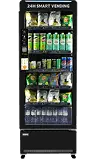
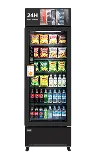
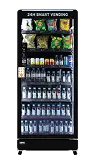
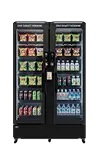
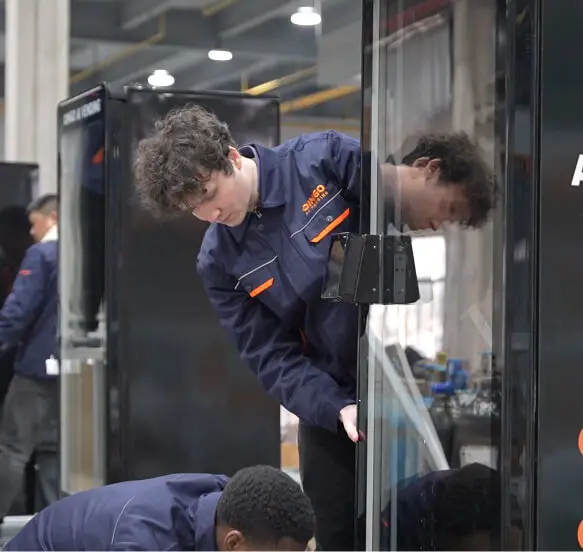
As an industry veteran who has seen the vending landscape shift from simple coin-operated boxes to sophisticated robotic retail hubs, I can tell you one thing: the “AI” in AI vending machines isn’t just a buzzword—it is a profit engine. However, the market is currently flooded with suppliers claiming to offer “smart” solutions.
Choosing the right AI vending machine manufacturer is no longer just about hardware durability; it’s about finding a strategic partner that can impact your bottom line. If you are an entrepreneur or an established operator looking to scale, here is what you must look for through the lens of Business and ROI.
The Business Opportunity: Why AI Matters in 2026
Traditional vending relies on guesswork and manual checks. AI changes the ROI equation by tackling the three biggest profit killers in our industry: stockouts, high labor costs, and stagnant pricing. When evaluating a manufacturer, you need to ensure their technology actually addresses these commercial pain points.
| Feature | Traditional Vending | AI-Powered Vending | ROI Impact |
| Inventory | Manual/Scheduled checks | Real-time AI forecasting | Reduces waste by 20-30% |
| User Experience | Buttons & Cash | Touchscreens & AI Vision | Higher transaction value |
| Maintenance | Reactive (when broken) | Predictive (before failure) | Increases machine uptime |
| Pricing | Static | Dynamic (Demand-based) | Maximizes margins |
1. Hardware Reliability Meets Software Intelligence
An AI vending machine is only as good as the synergy between its “body” (the machine) and its “brain” (the software). When vetting a manufacturer, don’t just look at the touchscreen.
- Computer Vision & Sensors: Look for manufacturers using advanced AI vision rather than just weight sensors. This allows for “grab-and-go” experiences that significantly increase impulse buys.
- Edge Computing Power: Does the machine process data locally or rely entirely on the cloud? For high-traffic areas, local processing ensures the machine doesn’t lag if the Wi-Fi drops—lost seconds are lost sales.
2. OEM/ODM Capabilities for Scalability
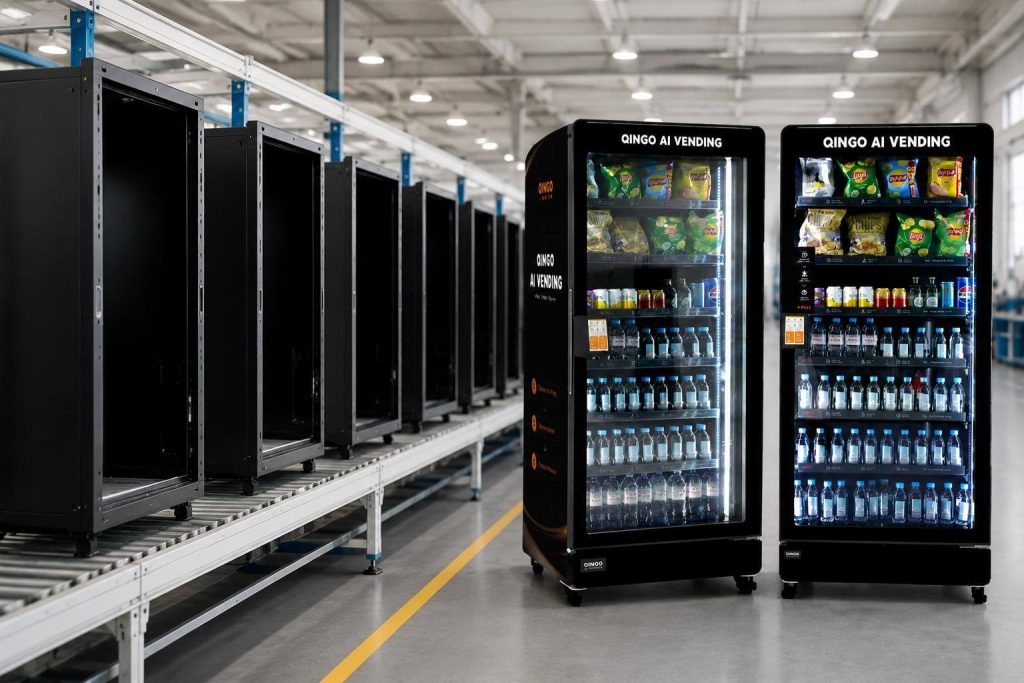
If you are looking to build a brand, you need a manufacturer that offers more than “off-the-shelf” models. A true AI vending machine manufacturer should provide robust OEM (Original Equipment Manufacturer) services.
- Custom Branding: Beyond just a logo, can they customize the UI/UX of the software?
- Modular Design: Can the internal shelving be adjusted for different product sizes (e.g., from beverages to electronics)? Scalability depends on flexibility.
- API Integration: Your machines must “talk” to your existing ERP or accounting software. If the manufacturer’s system is a “closed loop,” your operational costs will skyrocket as you grow.
3. Operational ROI: The Hidden Cost Factors
From a business perspective, the purchase price (CAPEX) is only 30% of the story. The remaining 70% is operational expenditure (OPEX). A cheap machine from an unverified manufacturer often leads to:
- High Energy Consumption: Look for Energy Star-rated components. AI machines with large screens and cooling systems can be power-hungry.
- Technical Support Latency: In vending, if the machine is down, you are losing money every minute. Ask about their SLA (Service Level Agreement) for technical parts and remote software patches.
4. Data Analytics: The Key to Profit Optimization
The primary reason to invest in an AI vending machine manufacturer is the data. The manufacturer should provide a backend dashboard that offers:
- Heat Maps: Which products are being picked up and put back?
- Demographic Insights: (Privacy-compliant) data on user age/gender to refine your product mix.
- Automated Routing: AI that tells your restock drivers exactly which machines need attention, saving 15-20% on fuel and labor costs.
ROI Analysis: Is the “AI Premium” Worth It?
Typically, an AI vending machine costs 25-40% more than a standard digital machine. However, based on industry data, the ROI is usually achieved 12 months faster due to:
- Lower Labor Costs: 30% fewer site visits required.
- Higher Sales Volume: AI recommendations (“People also bought…”) increase average ticket size.
- Loss Prevention: AI vision is significantly more accurate at tracking inventory than traditional spirals, reducing “shrinkage.”
The Expert’s Verdict
Don’t buy a machine; buy a system. When contacting an AI vending machine manufacturer, ask them to show you a case study focused on yield per square foot. If they focus only on the “cool” features and not the financial outcomes, they aren’t the right partner for a serious business owner.
FAQ
Q1: How does AI actually increase my vending machine sales?
AI increases sales through personalized interaction (suggestive selling), ensuring high-demand products are never out of stock through predictive analytics, and providing a frictionless “grab-and-go” payment experience that modern consumers prefer.
Q2: Can I upgrade my existing machines to AI, or do I need a new manufacturer?
While some retrofit kits exist, they often lack the deep integration required for full ROI. It is generally more cost-effective to partner with an AI vending machine manufacturer for a purpose-built unit that integrates hardware and software seamlessly.
Q3: What is the typical lead time for an OEM AI vending machine order?
For custom OEM projects, lead times typically range from 8 to 12 weeks. This includes hardware customization, software branding, and rigorous QA testing to ensure the AI sensors are calibrated.
Q4: Is the data collected by AI vending machines GDPR/CCPA compliant?
Reputable manufacturers use “anonymous AI,” meaning the sensors detect attributes (like age or sentiment) without storing personally identifiable information (PII) or facial images, ensuring full legal compliance.
Q5: What kind of maintenance does an AI vending machine require?
Beyond standard cleaning and restocking, AI machines require occasional software updates and sensor calibration. Look for manufacturers that offer “Over-the-Air” (OTA) updates so you don’t have to visit the machine for software fixes.
Reference Sources
- Grand View Research: Vending Machine Market Size & Trend Analysis Report 2023-2030
- NAMA (National Automatic Merchandising Association): Industry Research and Technology Trends
- Forbes Business Council: The Impact of AI on Automated Retail ROI