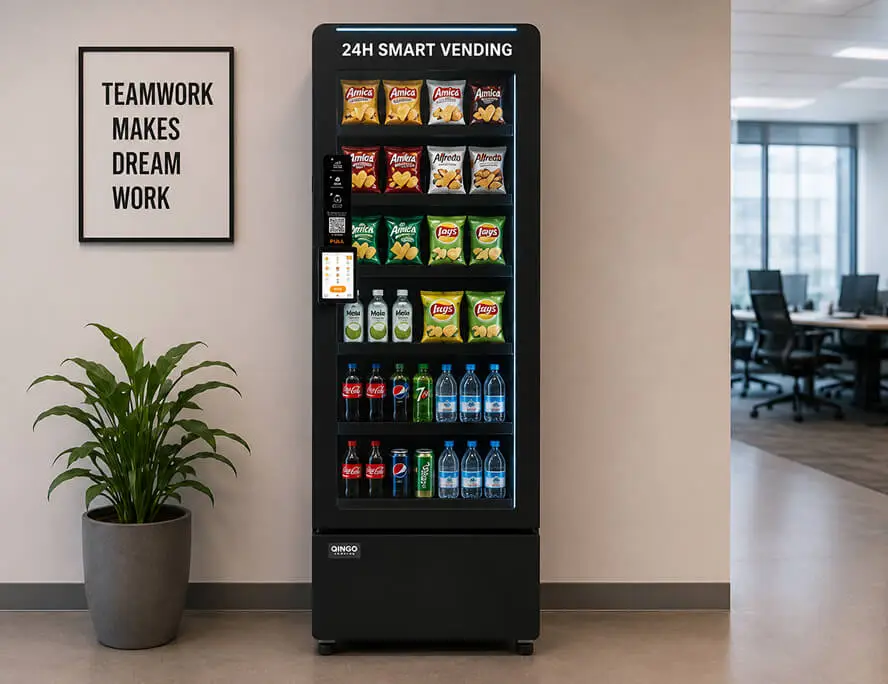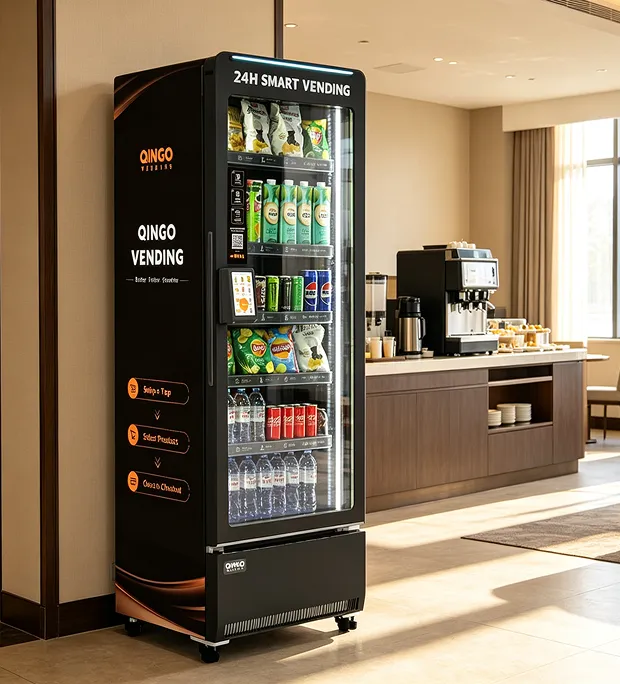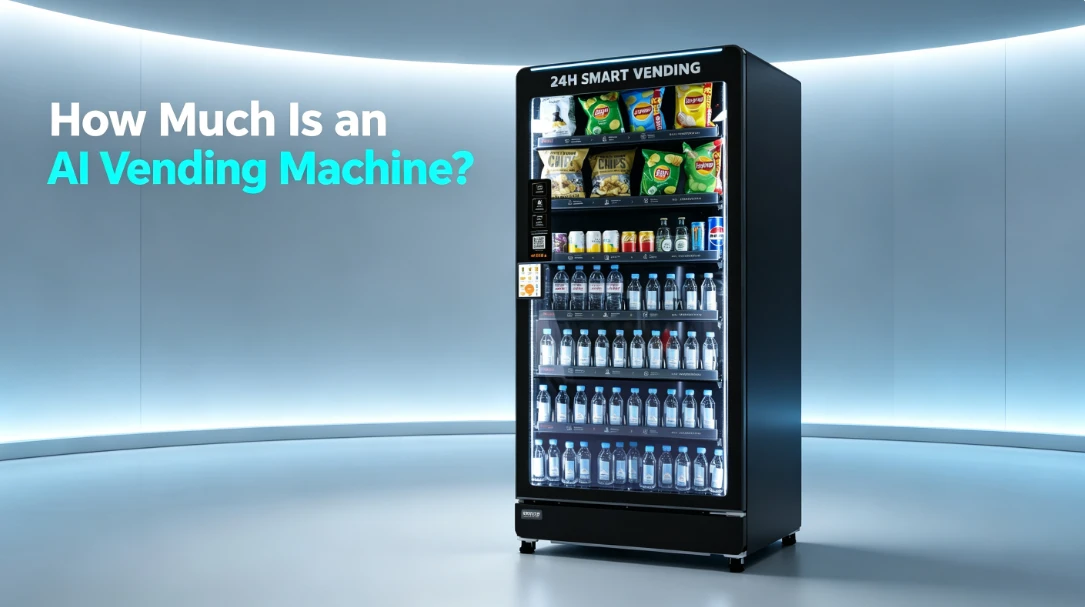
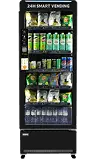
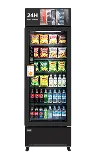
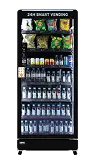
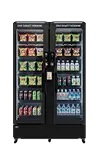
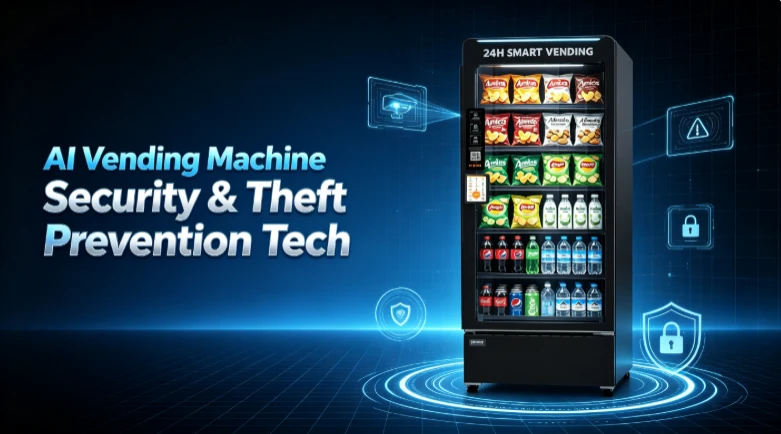
Unattended retail brings significant revenue opportunities for operators and distributors. However, placing equipment in public spaces introduces specific risks. Operators face inventory shrinkage, hardware vandalism, and forced entry attempts. Traditional vending equipment relies heavily on basic physical locks, which struggle to stop determined intruders.
Today, advanced systems merge physical engineering with digital intelligence. Implementing comprehensive AI vending machine security completely changes the operational landscape. Smart cabinets now protect inventory while providing a seamless shopping experience for legitimate customers.
Technology Overview
Modern vending security functions through a multi-layered approach. It bridges the gap between hardware strength and software intelligence. A high-quality smart cabinet utilizes computer vision, weight sensors, and heavy-duty steel to deter unauthorized access.
This technology creates a bounded and controlled environment. Customers interact with products after the system verifies their payment method. Internal software actively monitors the transaction in real time. If physical tampering occurs, the machine sends instant alerts to the operator’s cloud dashboard. This transition from passive defense to active monitoring defines the new standard for vending machine theft prevention.
How The Secure Dispensing System Works
The integration of artificial intelligence and physical security follows a precise operational flow. This process protects both the physical cabinet and the internal merchandise.
Step-by-Step Security Process:
- Authentication: The machine requires valid payment pre-authorization before the smart lock disengages.
- AI Monitoring: Computer vision tracks which items the customer removes or replaces during the open-door phase.
- Rapid Auto-Locking: A reinforced center-lock mechanism engages instantly when the customer closes the door.
- Anomaly Detection: Internal sensors detect violent impacts, unauthorized movements, or blocked camera lenses, triggering immediate local and remote alerts.
Key Features of Smart Cabinet Security
Operators need durable hardware to withstand high-traffic environments. High-quality machines, like the Qingo Ten 409, incorporate several critical physical and digital defenses.
Reinforced Physical Architecture
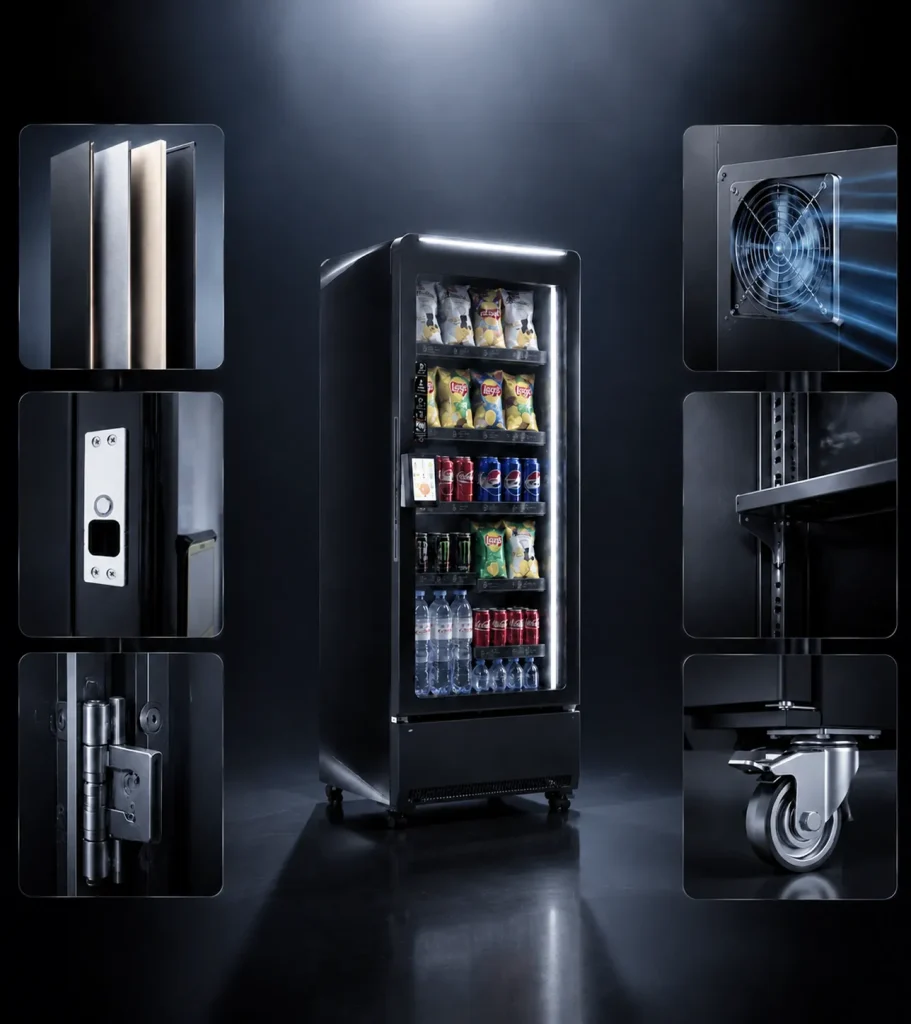
A reinforced steel cabinet resists physical deformation and keeps the machine stable during heavy daily use. Heavy-duty construction frustrates quick smash-and-grab attempts. Furthermore, manufacturers test hinges and latches extensively. Machines built for long-term reliability often undergo testing for up to 100,000 door cycles to ensure mechanical durability.
Enhanced Lock Mechanisms
The locking mechanism represents a critical point of any unattended retail unit. Modern designs feature an enhanced center-lock mechanism that helps prevent forced entry with pry bars or heavy tools. This structural upgrade effectively protects the operator’s capital investment in challenging and remote environments.
Digital Anti-Theft Safeguards
AI systems actively monitor internal conditions throughout the day. For instance, if an individual attempts to cover the interior AI cameras, the system immediately recognizes the physical obstruction. The machine can automatically suspend transactions and alert the operator. Certain models even trigger local audio warnings to deter further tampering.
Business Impact of Security Technology
Retail shrink severely impacts profit margins across the industry. Recent retail reports show that external theft drives a large portion of inventory loss in public retail spaces. Implementing robust vending machine theft prevention directly counteracts this negative trend.
Locked automated cabinets remove the open-shelf attack surface that typically leads to high shrinkage. By securing high-value goods behind a heavy-duty smart door, operators protect their inventory cost. Additionally, remote monitoring reduces the need for constant on-site physical inspections, lowering overall labor and maintenance expenses.
Future Development in Unattended Security
The future of vending security points toward deeper sensor integration and predictive analytics. GPS tracking devices now help operators monitor mobile or temporary machine deployments, ensuring quick recovery if equipment relocation occurs without authorization.
Moreover, advanced access control systems now integrate biometric age verification. This allows operators to securely dispense restricted products without risking compliance violations. These ongoing software updates will continue to strengthen the AI vending machine security ecosystem.
Summary
Effective vending machine security requires a powerful combination of strong physical hardware and intelligent software. Reinforced steel cabinets, thoroughly tested lock mechanisms, and AI-powered visual monitoring work together to stop forced entry and inventory theft. By investing in modern smart cabinets, operators significantly reduce shrink and protect their long-term business profitability.
FAQ
- What makes a smart cabinet more secure than a traditional glass-front machine?
A smart cabinet requires payment authorization before granting physical access to the inventory. It uses AI cameras and internal sensors to track product movement, making unpaid removal extremely difficult. Traditional machines often rely on simple drop mechanisms that thieves can manipulate more easily. - How does AI vending machine security prevent forced entry?
Modern AI machines utilize reinforced steel cabinets and enhanced center-lock mechanisms. The heavy-duty physical construction resists pry bars and physical impacts, while built-in sensors alert operators instantly if the machine detects significant vibrations or unauthorized access attempts. - Can AI cameras detect if someone tries to cover them?
Yes, advanced smart coolers feature active deterrence technology. If a person blocks or covers the internal AI cameras, the system instantly detects the visual obstruction, suspends the transaction process, and immediately alerts the remote operator. - Is vending machine theft prevention technology worth the extra cost?
Investing in robust security features directly protects your operational revenue. By significantly reducing inventory shrink and preventing expensive hardware damage from vandalism, the technology preserves your profit margins and offers a strong return on investment over the equipment’s lifespan. - How do operators monitor machine security remotely?
Operators use cloud-based management platforms connected to the machine via dual SIM or local networks. These dashboards display real-time inventory levels, transaction health, camera statuses, and instant push notifications for any detected tampering or temperature fluctuations.
Reference Sources
Reddit Community——”GPS Trackers For Vending Machines”
Automatic Merchandiser——“365 Retail Markets debuts anti-theft tech, cooler upgrades, age verification & more”
Vendtek Wholesale Equipment——“How AI Vending Machines Work”