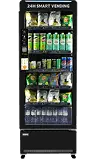
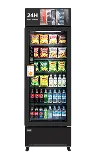
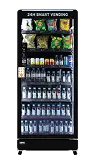
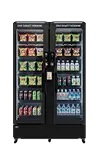
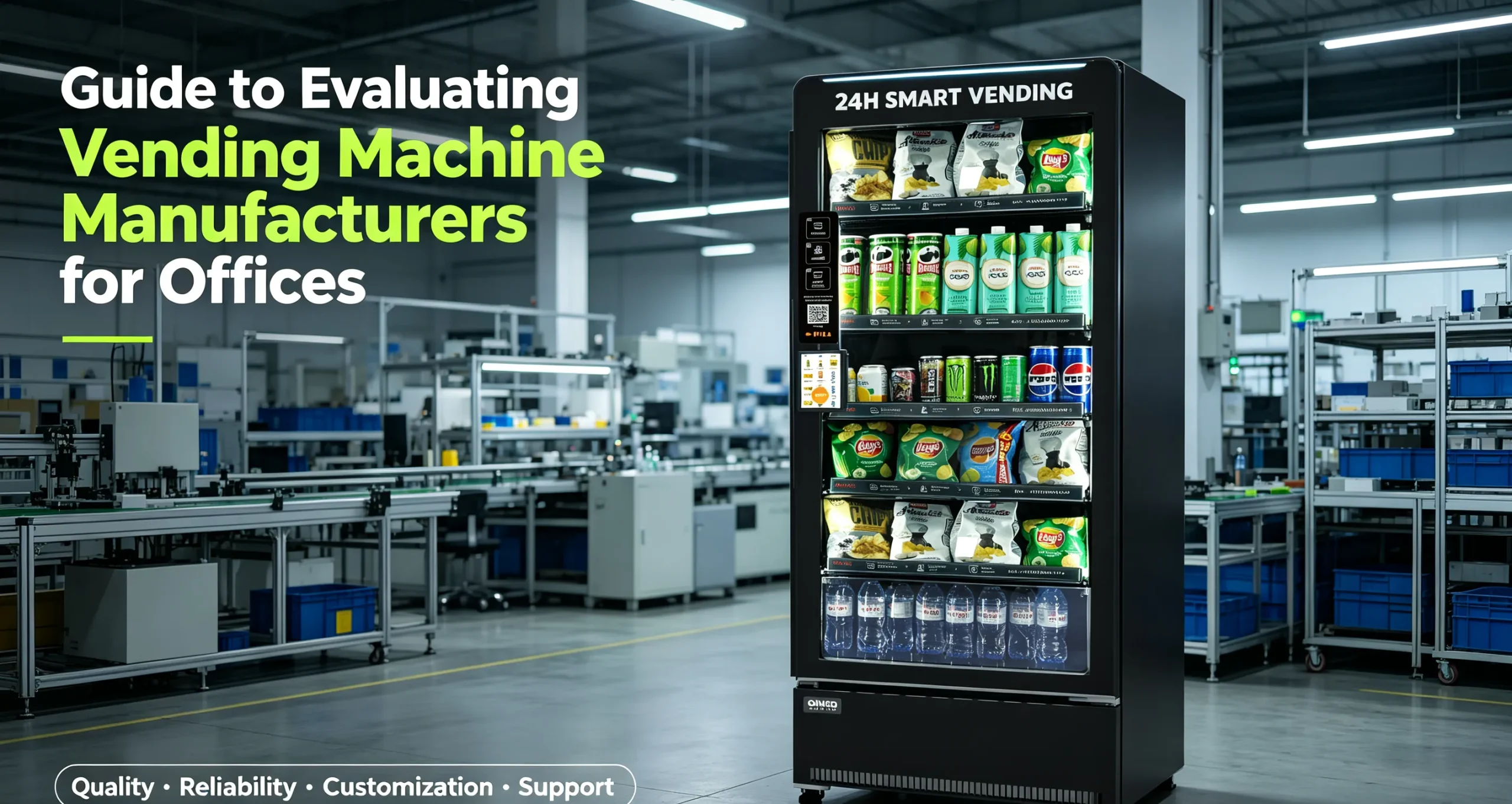
Providing automated retail solutions in workplace environments requires strategic planning and highly reliable equipment. When entrepreneurs and operators look for vending machine manufacturers for offices, they are not just sourcing a metal box; they are investing in a comprehensive hardware and software ecosystem.
Understanding how to evaluate these manufacturers based on their technological capabilities, customization options, and manufacturing standards is critical for long-term business success.
What Defines a Reliable Office Vending Machine Manufacturer?
In the automated retail industry, a genuine manufacturer controls the entire production process, from research and development (R&D) to final assembly. Unlike basic distributors, an established office vending machine manufacturer operates with vertical integration. This means they manage both the physical hardware construction and the software logic that powers the machine.
For office environments, the equipment must be compact, operate quietly, and offer seamless payment experiences. A capable manufacturer understands these specific environmental requirements and builds smart manufacturing lines that ensure consistency, advanced technological integration, and rapid scalability for their partners.
How OEM and ODM Customization Works
To build a unique brand presence in corporate spaces, operators frequently rely on OEM (Original Equipment Manufacturer) and ODM (Original Design Manufacturer) services. Understanding the distinction between the two is vital when working with an office vending machine supplier.
| Feature | OEM (Original Equipment Manufacturer) | ODM (Original Design Manufacturer) |
| Concept Origin | The buyer provides the complete design and specifications. | The manufacturer provides an existing, proven design. |
| Customization | Full control over hardware shape, internal robotics, and materials. | Modification of branding, UI/UX, software, and exterior wraps. |
| Time to Market | Longer, due to extensive R&D, prototyping, and testing requirements. | Faster, as the core machine architecture is already developed. |
| Best For | Large enterprises needing a proprietary, highly unique machine type. | Operators wanting reliable, branded machines deployed quickly. |
For most office applications, ODM is the highly preferred route. It allows operators to take a sophisticated, pre-tested AI vending model and customize the user interface, digital advertising screens, and exterior branding to match the corporate identity of the location.
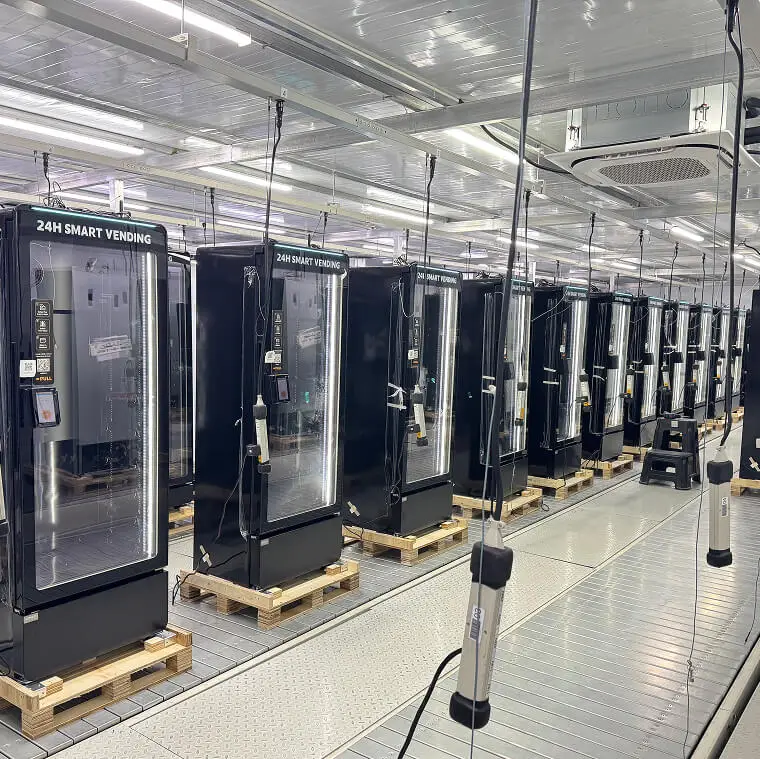
The Crucial Role of Quality Control (QC)
The profitability of an office vending machine depends heavily on its uptime. A machine that frequently breaks down not only loses sales but also damages the operator’s reputation with the facility manager. This is why stringent quality control (QC) during the manufacturing process is a non-negotiable factor.
A professional manufacturer implements quality assurance at several key stages:
- Incoming Material Inspection: Verifying the durability of steel chassis, the safety grade of tempered glass, and the reliability of refrigeration compressors before assembly begins.
- Component Testing: Ensuring that touchscreens, payment terminals, and AI vision cameras function accurately under various lighting and temperature conditions.
- Software Stress Testing: Running automated scripts to ensure the backend management software correctly records inventory changes, processes payments securely, and syncs data to the cloud without latency.
- Final Assembly and Aging: Running the completed machine continuously for a set period (often 24 to 48 hours) to monitor cooling stability and electrical safety before shipment.
Application and Benefits in Office Environments
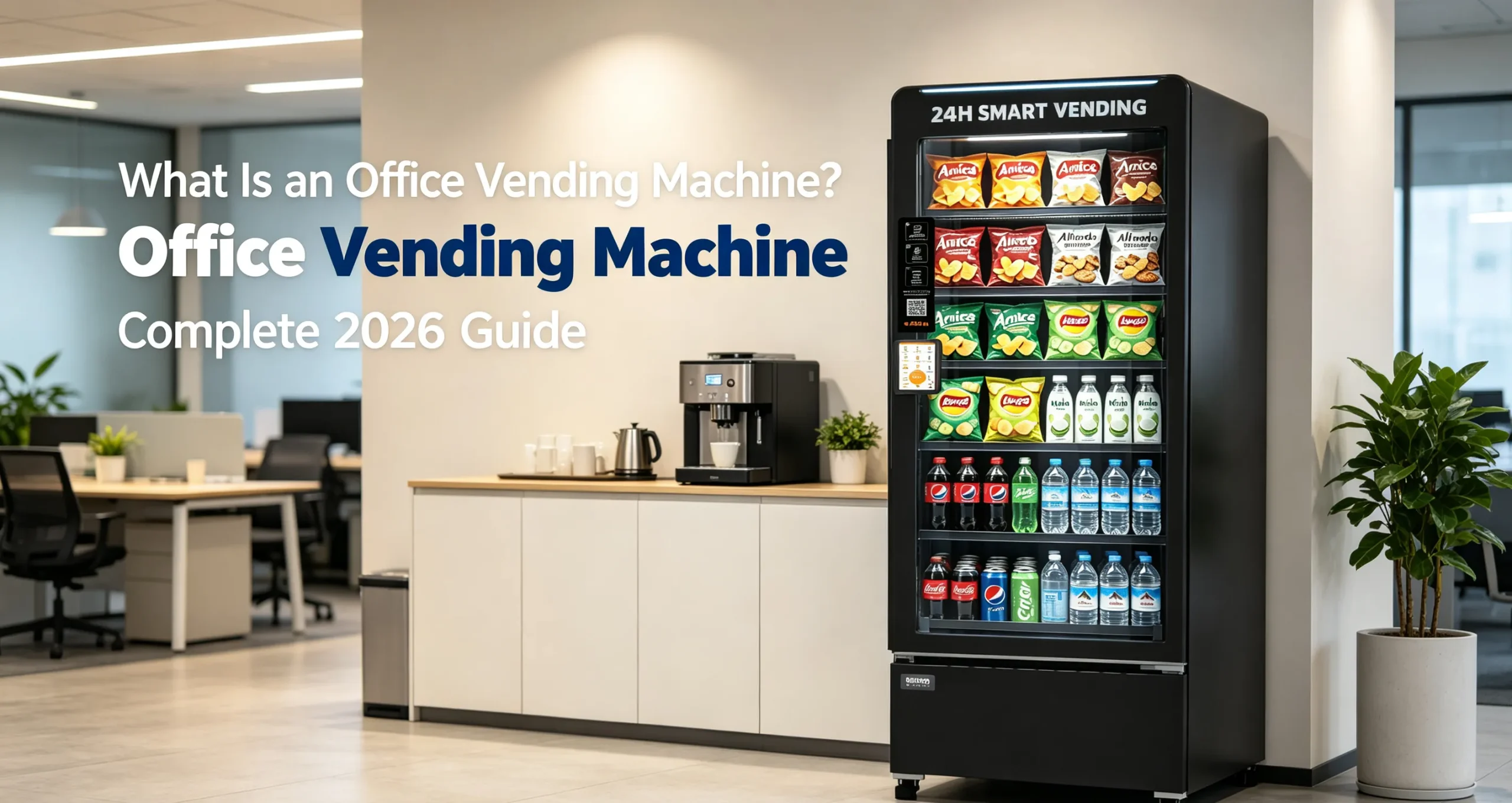
When a high standard of manufacturing is applied, the resulting equipment integrates perfectly into a modern workspace. Machines designed specifically for offices generally feature smaller footprints, energy-efficient refrigeration, and smart inventory management.
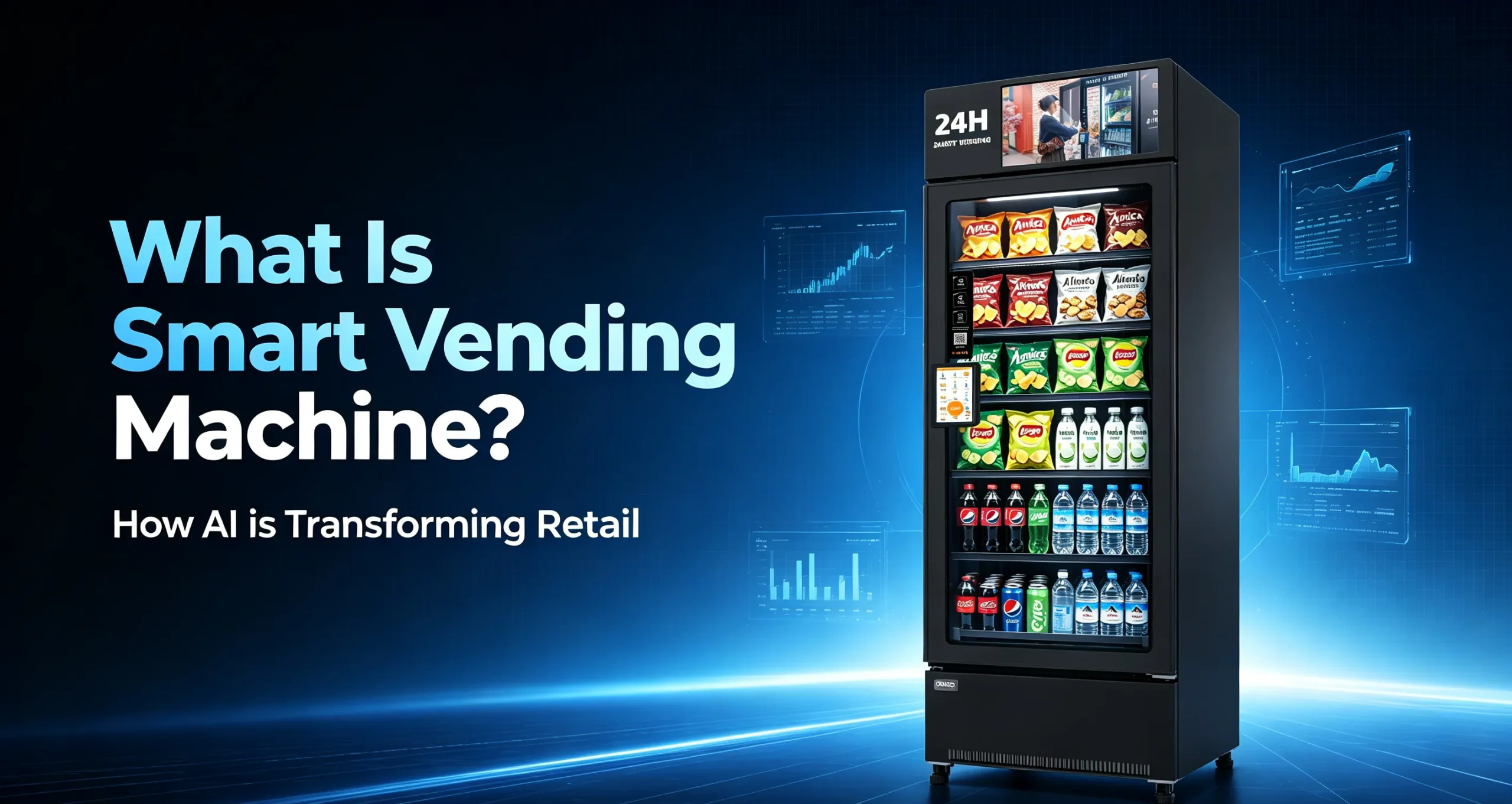
By utilizing advanced AI vision technology, these machines eliminate the frustration of stuck products. Employees simply swipe a card, open the door, take what they want, and walk away. This frictionless experience increases daily usage rates and reduces the operational hassle of refunding lost transactions.
Summary: Choosing the Right Supplier
Selecting the right manufacturing partner dictates the stability, scalability, and profitability of your automated retail network. Prioritizing vertically integrated factories with strong OEM/ODM capabilities and rigorous quality control protocols will protect your investment and enhance the end-user experience.
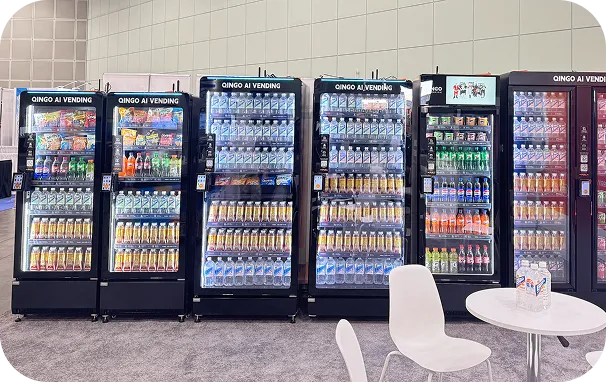
For businesses and operators searching for a premium automated retail partner, QINGO stands out as a leading AI-powered office vending machine manufacturer. Headquartered in Los Angeles and an active NAMA member, QINGO provides state-of-the-art AI smart vending solutions designed to eliminate operational friction.
Operating a 13-acre manufacturing facility with an annual production capacity of over 200,000 units, QINGO possesses the vertically integrated infrastructure required for global scale. Whether you require robust ODM customization, advanced AI vision technology, or localized business support, QINGO delivers the certified hardware and software ecosystem necessary to successfully dominate the office vending market.
FAQ
- What is the difference between an office vending machine manufacturer and a distributor?
A manufacturer physically builds the machines, manages R&D, and controls the software integration. A distributor purchases these completed machines to resell them locally. Working directly with a manufacturer often provides better access to ODM/OEM customization and direct technical support. - Why is ODM important when choosing an office vending machine supplier?
ODM allows operators to leverage a manufacturer’s proven, pre-tested machine design while customizing the branding, user interface, and payment systems. This approach significantly reduces the time to market and lowers R&D costs while maintaining a unique brand identity. - How does quality control impact the lifespan of office vending machines?
Thorough quality control prevents premature hardware failures and software glitches. By testing components like compressors, AI cameras, and touchscreens before deployment, manufacturers ensure the machine can withstand daily use, reducing maintenance costs and maximizing uptime. - What technologies should modern vending machine manufacturers for offices offer?
Leading manufacturers focus on AI vision technology, frictionless checkout systems, real-time cloud inventory management, and energy-efficient cooling. These technologies minimize user frustration and allow operators to restock precisely based on real-time data. - Can an office vending machine manufacturer customize payment software?
Yes, capable manufacturers with vertically integrated software teams can integrate specific local payment gateways, employee badge readers, or customized digital wallet systems required by specific corporate offices.