F: What startup costs do new distributors face?
A: You will encounter inventory costs, warehousing fees, and marketing expenses. Most manufacturers require a minimum order quantity (MOQ) which dictates your initial hardware investment. You also need a budget for logistics, basic spare parts, and localized marketing efforts.
F: How profitable is a distribution business?
A: Profit margins typically range from 20% to 40% per machine. Your actual profit depends on purchase volume, machine complexity, and shipping costs. Selling smart machines and customized solutions usually yields higher profit margins than selling standard mechanical units.
F: How do I choose the right manufacturer?
A: Look for proven R&D capabilities, flexible OEM/ODM options, and robust after-sales support. You must verify their certifications, such as CE, UL, or FCC, to ensure compliance in your local market. A reliable partner also provides clear technical documentation and software updates.
F: What machine types have the highest demand?
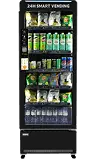
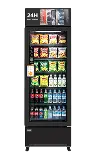
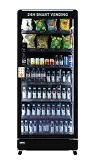
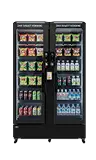
A: Smart fridges, custom retail machines, and automated coffee kiosks currently dominate market demand. Consumers expect fresh food options and diverse retail products. Operators actively seek machines that accommodate non-traditional shapes and fragile packaging.
F: Should I offer custom vending machines?
A: Yes, customization drives higher sales. Operators often require specific branding, tailored UI interfaces, and adjustable shelving for unique products. Providing custom solutions helps you win large corporate contracts and stand out from budget distributors.
F: What payment systems are essential today?
A: Cashless payments represent a strict requirement in modern retail. Your machines must include credit card readers, mobile wallet compatibility (like Apple Pay and Google Pay), and QR code scanners. Some regions also require localized payment gateways to maximize sales.
F: How do smart features benefit my clients?
A: Smart machines feature real-time telemetry systems. These systems allow operators to track inventory, monitor machine health, and analyze sales data remotely. This technology reduces unnecessary route visits and significantly boosts operational efficiency.
F: What warranty terms should suppliers provide?
A: Standard industry warranties cover one year for basic parts. Top manufacturers often offer extended warranties on critical components like compressors and control boards. You should always clarify the replacement process for defective parts before signing an agreement.
F: How long is the typical order lead time?
A: Standard models generally take 15 to 30 days to produce. Custom configurations require 45 to 60 days due to specialized engineering and testing. You must factor in global shipping schedules and customs clearance when promising delivery dates to your clients.
F: Do I need a large warehouse to start?
A: You do not necessarily need massive storage space immediately. Many distributors start with a modest storage unit. For large client orders, you can coordinate direct shipping from the manufacturer to the operator’s facility to save on warehousing costs.
F: What inventory software do modern operators use?
A: Modern operators rely on cloud-based telemetry platforms. Manufacturers usually provide proprietary management software with their smart machines. You should ensure this software offers an open API so your clients can integrate it with their existing ERP systems.
F: What are the biggest risks in distribution?
A: The main risks include holding dead stock, facing rapid technology obsolescence, and dealing with poor manufacturer support. You mitigate these risks by partnering with forward-thinking manufacturers who regularly update their hardware and software offerings.
F: How can I differentiate my business?
A: Focus on specialized niche markets and superior service. Offer localized technical support, fast spare parts delivery, or bundled software solutions rather than simply moving boxes. Building a reputation for excellent post-sale support secures repeat business.
F: Do manufacturers provide marketing materials?
A: Reputable manufacturers supply comprehensive product catalogs, high-resolution images, user manuals, and technical training videos. These resources help your sales team close deals faster and educate clients effectively without creating materials from scratch.
F: What future trends should I prepare for?
A: Artificial intelligence, age verification technology, and robotic dispensing lead the future of automated retail. Sustainability also plays a massive role, with operators demanding eco-friendly refrigerants and energy-efficient cooling systems.
Reference Sources
- National Automatic Merchandising Association (NAMA) – Industry Research and Vending Operator Data
- Grand View Research – Global Vending Machine Market Size & Trends Analysis Report