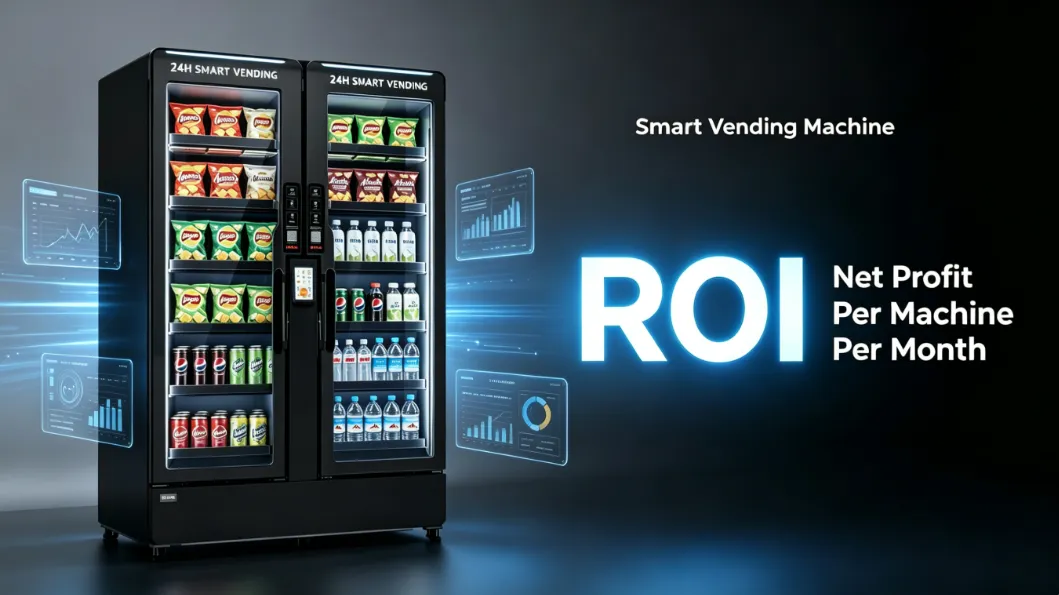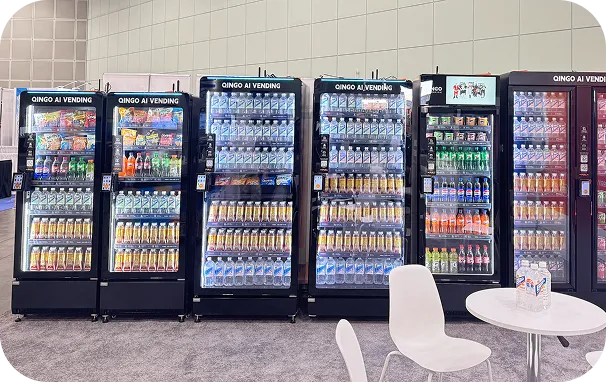
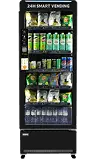
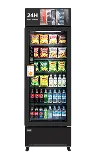
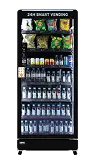
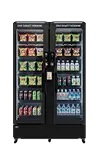
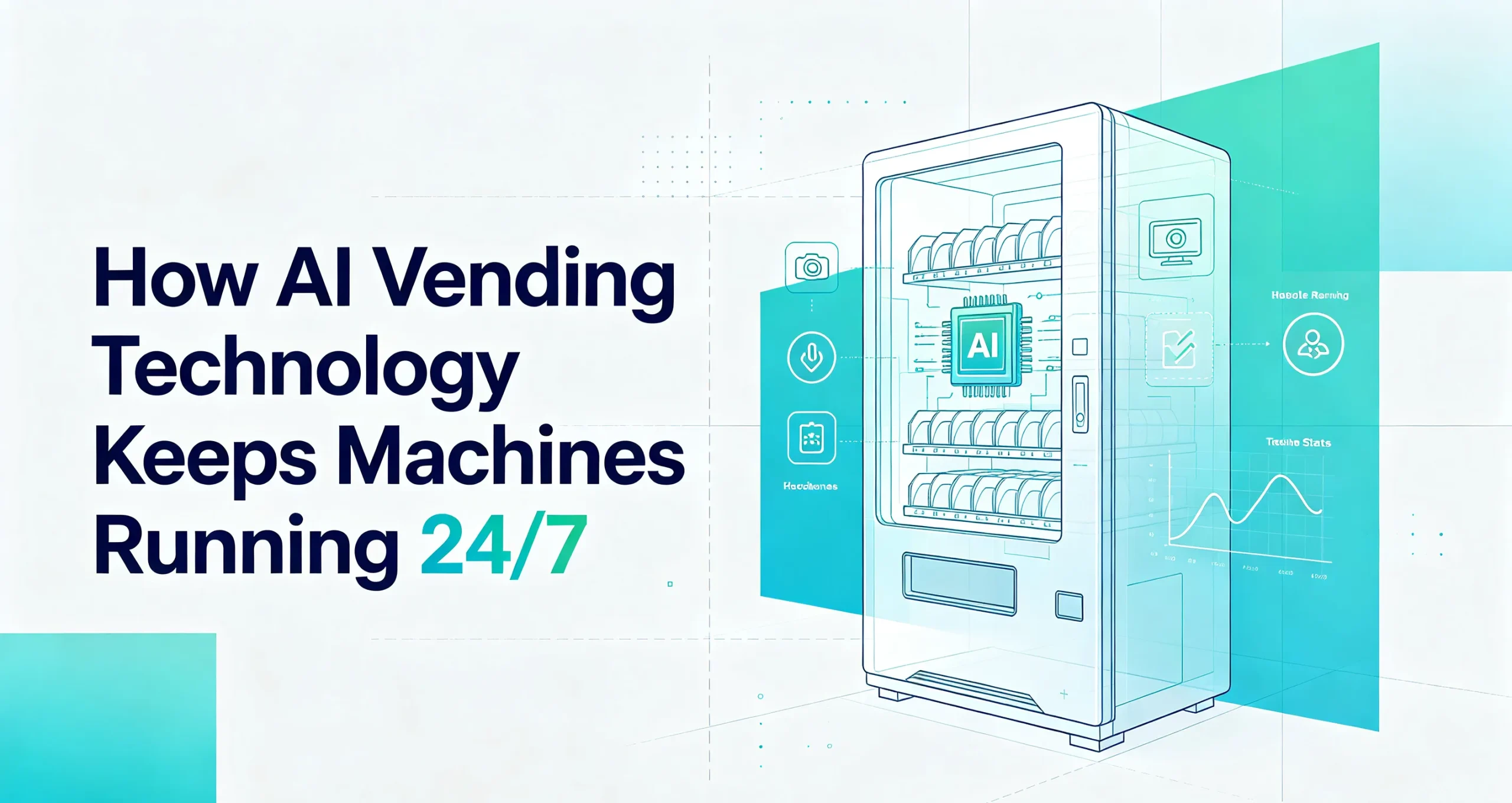
At its core, remote monitoring is a digital infrastructure that links physical vending hardware to cloud-based management platforms. By utilizing IoT (Internet of Things) telemetry devices connected to the machine’s control board, operators gain real-time visibility into every transaction, hardware fault, and stock fluctuation.
When AI Vending Technology is layered over this continuous data stream, the system evolves from merely reporting information to making intelligent predictions. Instead of simply logging a temperature drop, the AI can forecast a compressor failure, allowing operators to dispatch maintenance teams before the machine goes completely offline.
How It Works: Core Remote Management Features
The ability to operate a smart vending machine 24/7 without on-site staff hinges on several interconnected remote monitoring functions.
1. Real-Time Inventory Tracking
Modern telemetry devices track every single product dispensed in real time. Rather than sending drivers on blind restocking routes, operators can view exact product levels on a digital dashboard. The software analyzes purchasing trends to predict when high-demand items will sell out, allowing for highly optimized replenishment schedules that prevent stockouts.
2. Automated Temperature Control
For machines dispensing fresh food, beverages, or perishables, maintaining an unbroken cold chain is critical. Remote temperature monitoring uses internal sensors to continuously evaluate the cooling unit’s performance. If the internal temperature deviates from the safe zone, the system immediately sends automated alerts to the operator. Some advanced systems can remotely adjust compressor settings, preventing expensive food spoilage and ensuring health regulatory compliance.
3. Smart Lighting and Energy Management
Energy efficiency is a major operational factor for 24/7 equipment. Advanced control panels allow remote management of a machine’s internal LED lighting and digital screens. By utilizing occupancy sensors, the system can automatically dim or disable advertising lights during periods of zero foot traffic, significantly reducing electricity costs while keeping the payment terminal fully active and ready for the next customer.
4. Predictive Maintenance and Diagnostics
Instead of waiting for a customer complaint to discover a jammed coil, AI Vending Technology monitors hardware health continuously. By analyzing data from coin mechanisms, card readers, and dispensing motors, the system identifies irregular patterns. Operators receive specific diagnostic error codes remotely, which allows technicians to arrive on-site with the exact replacement parts needed, minimizing repair time.
The Business Benefits of Continuous Monitoring
Implementing advanced monitoring technology yields a direct and measurable return on investment for vending business owners:
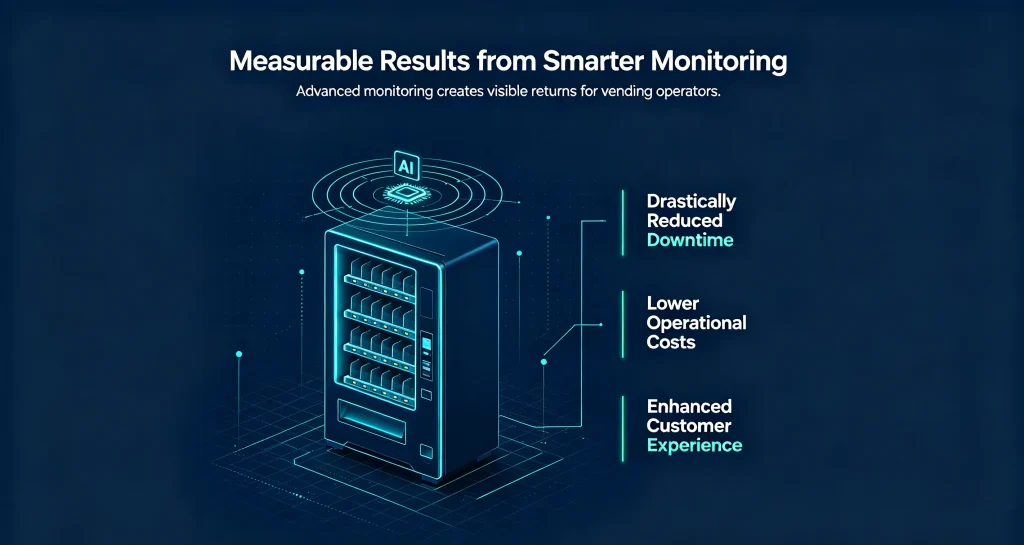
- Drastically Reduced Downtime: Industry insights indicate that utilizing smart monitoring and remote diagnostics can slash machine downtime by 20% to 30%.
- Lower Operational Costs: Eliminating unnecessary service runs and predicting maintenance issues before they cause total failure can reduce overall maintenance costs by an average of 24%.
- Enhanced Customer Experience: A machine that is consistently well-stocked, appropriately lit, and functionally flawless guarantees a frictionless purchasing experience, driving customer trust and repeat sales.
Key Applications and Scenarios
While all operators benefit from cloud connectivity, remote monitoring is particularly vital in specific high-stakes deployment scenarios:
- Hospitals and Healthcare Facilities: Locations where 24/7 access to fresh food and medical supplies requires strict temperature logs and zero tolerance for downtime.
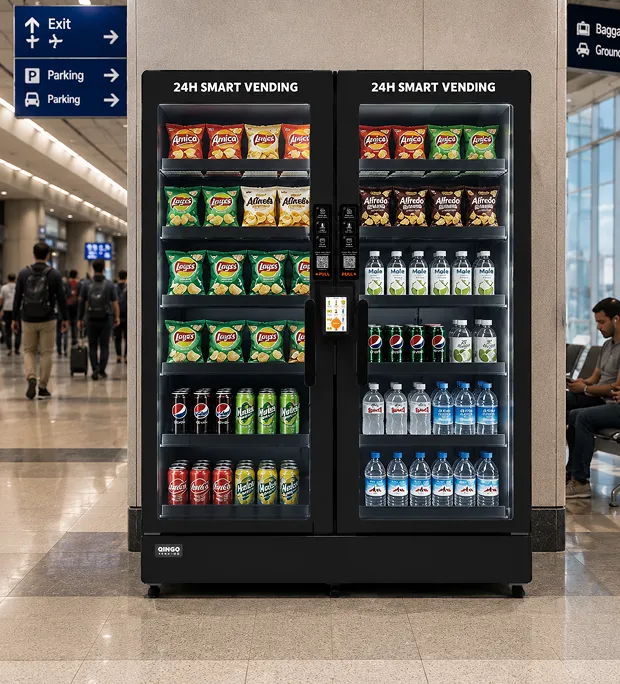
- High-Traffic Transit Hubs: Airports and railway stations experience continuous foot traffic at all hours. Machines here must process high-volume cashless transactions flawlessly without on-site attendants.
- Remote Outdoor Locations: Corporate campuses and industrial parks where manual, daily hardware checks are logistically expensive and time-consuming.
Summary
Achieving true 24/7 operational reliability is no longer a guessing game. By leveraging AI Vending Technology alongside comprehensive remote monitoring systems, operators have full control over inventory, temperature, lighting, and machine health from anywhere in the world. This continuous digital oversight is the foundation of a modern, profitable, and highly scalable unattended retail business.
FAQ
What is AI vending technology?
AI vending technology uses machine learning, computer vision, and cloud telemetry to automate inventory tracking, predict hardware maintenance, and optimize merchandising decisions without requiring continuous human intervention.
How does remote monitoring control vending machine temperatures?
Remote monitoring utilizes IoT sensors to continuously track internal temperature levels. If temperatures fluctuate outside safe ranges, the system automatically sends real-time alerts to operators or adjusts compressor settings to prevent food spoilage.
Can smart vending machines operate 24/7 without on-site staff?
Yes. Cloud-connected telemetry allows operators to manage pricing, troubleshoot software errors, and track sales remotely, enabling the machine to function fully autonomously 24 hours a day.
How does remote lighting management save energy?
Smart systems use ambient and occupancy sensors to dim or turn off internal and advertising lights during inactive periods, significantly reducing energy consumption and operational costs without affecting machine availability.
Why is telemetry important for vending operators?
Telemetry provides real-time visibility into stock levels, cash flow, and machine health. This data eliminates unnecessary service visits, optimizes restocking routes, and ensures machines are always functioning and ready for customers.
Reference Sources
North Carolina Department of Environmental Quality (NC DEQ): Energy Saving Fact Sheet for Vending Machines
Business Research Insights (2026): Smart Vending Machines Market Share & Trends Analysis
Market Data Forecast (2026): Intelligent Vending Machine Market Report