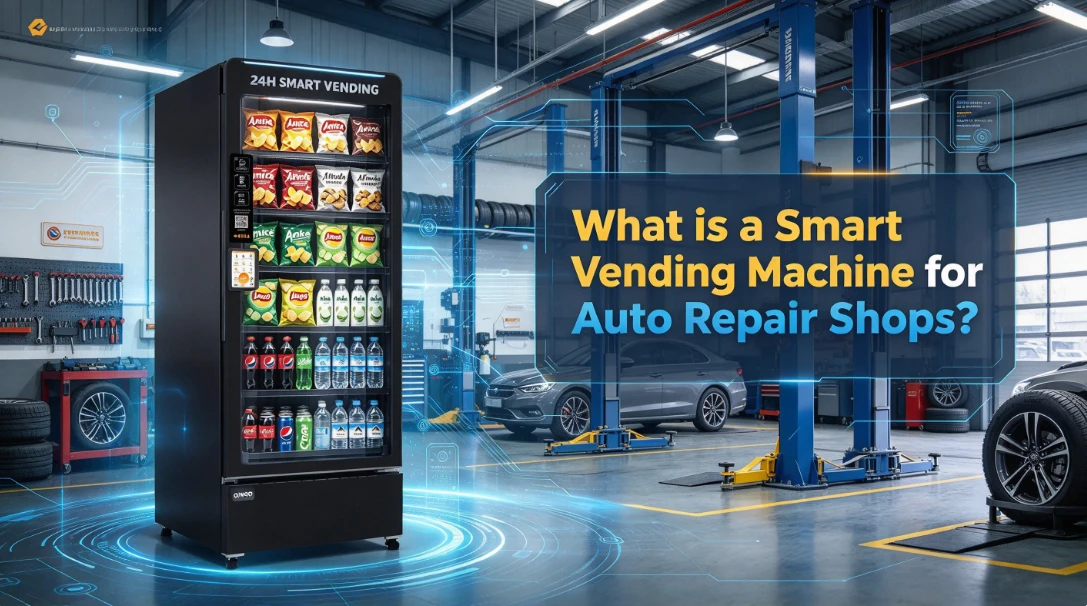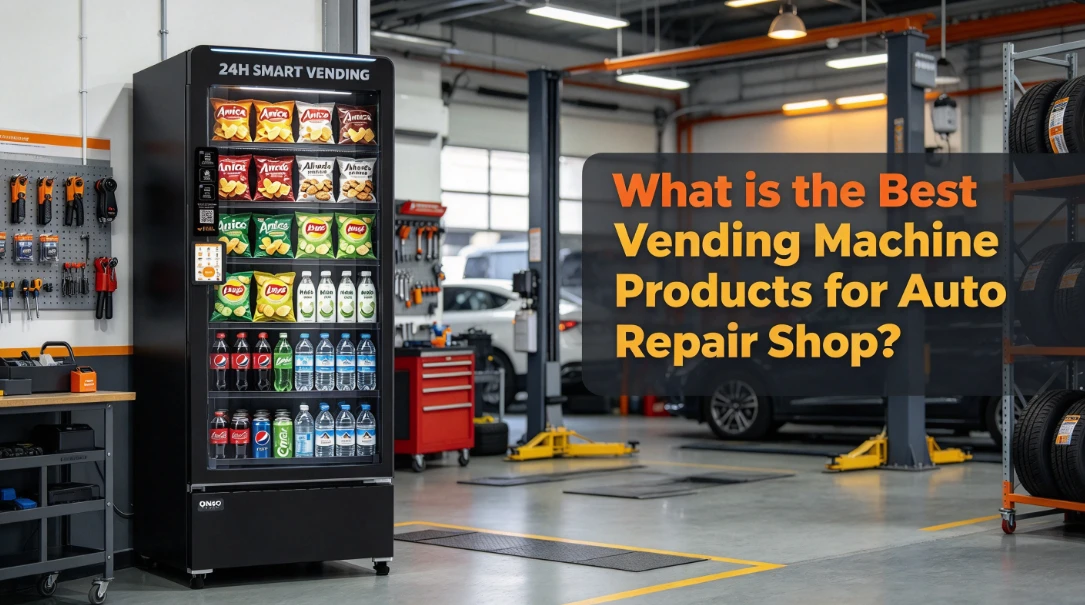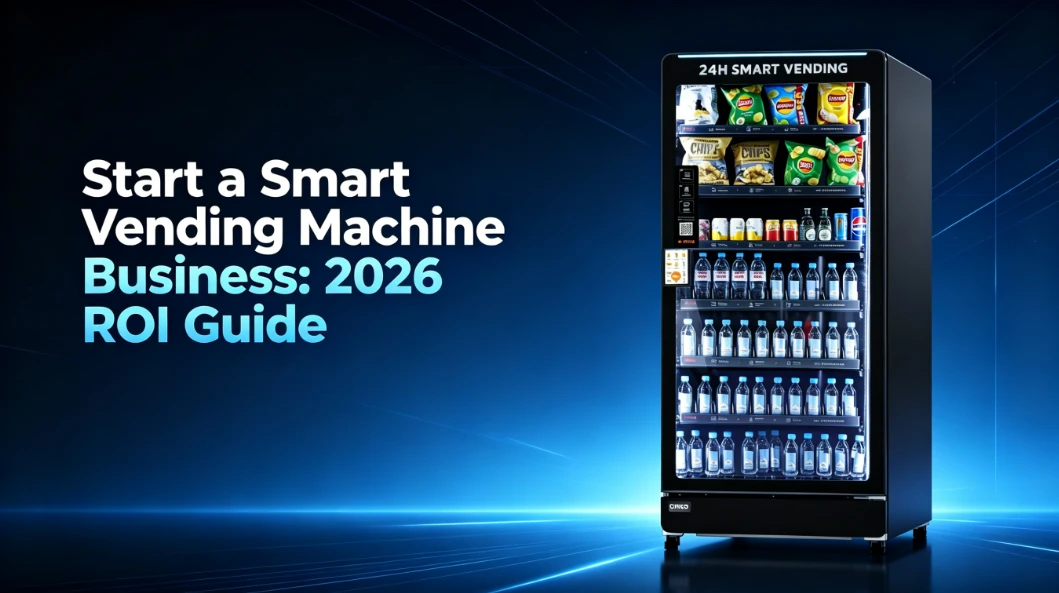
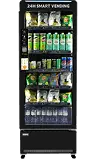
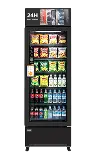
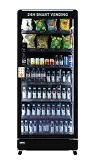
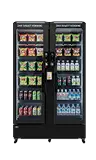
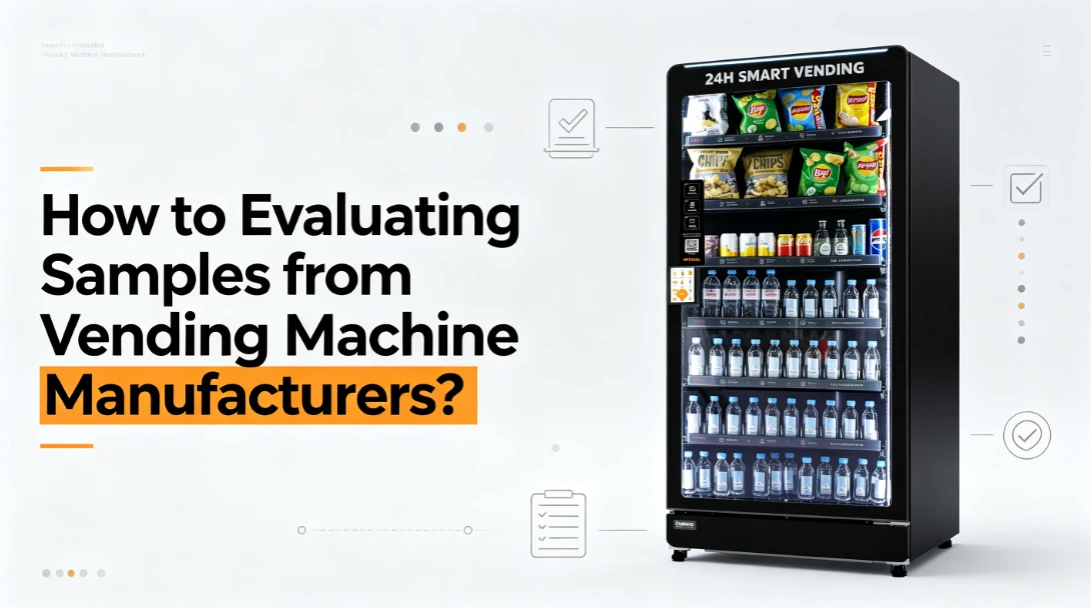
Receiving a sample unit is a critical milestone for any vending operator. It marks the transition from digital catalogs to real-world application. Before committing to bulk orders, operators must thoroughly evaluate the equipment. This validation process minimizes future operational risks.
Why Testing a Sample Machine Matters
A rigorous assessment reveals potential flaws before deployment. Operators use this phase to verify hardware durability and software reliability. Testing ensures the equipment meets specific location requirements. It also confirms whether the manufacturer delivers on their technical promises.
Essential Testing Categories for Operators
A structured evaluation process covers multiple operational aspects. Operators should use a comprehensive checklist to review the machine.
- Physical Test: Inspecting Build Quality
Begin by examining the exterior cabinet and interior shelving. Check the material thickness, door hinges, and leveling legs. The machine must withstand daily public interaction without premature wear. Measure the exact dimensions to verify they match the specification sheet. Operators should also test the cooling or heating units to ensure proper temperature maintenance.
- Product Test: Dispensing and Compatibility
The core function of any vending unit is dispensing items smoothly. Load various product types, including bottles, cans, and fragile snacks. Observe the drop mechanism or robotic arm in action. You want to identify any potential jam points or product damage during delivery. Adjust the coil sizes or conveyor belts to test flexibility across different packaging formats.
- Payment Test: Transaction Processing
Modern consumers expect seamless payment experiences. Connect different payment modules to the sample machine. Test coin mechanisms, bill validators, and cashless card readers. Initiate multiple transactions using credit cards, mobile wallets, and QR codes. Verify that the machine handles refunds correctly when a product fails to dispense.
- Software Test: UI and Backend Management
Interactive screens require intuitive user interfaces. Navigate through the product menu to check touch responsiveness and language settings. Then, access the backend telemetry system provided by vending machine manufacturers. Review the sales dashboard, inventory tracking, and pricing adjustment tools. The software should provide accurate, real-time data without noticeable lag.
- Connectivity Test: Network Stability
Cashless payments and telemetry rely heavily on stable internet connections. Test the machine using 4G/5G cellular routers, Wi-Fi, and Ethernet cables. Disconnect the network mid-transaction to see how the system handles errors. The machine should queue offline transactions and sync data once the connection restores. Strong antenna placement is vital for reliable signal strength.
- Security Test: Anti-Theft and Safety
Vending locations often face vandalism risks. Inspect the anti-theft drop sensors and reinforced glass panels. Try reaching into the dispensing bin to check for security flaps. Test the locking mechanism on the main door and the cash box. Evaluate the electrical safety features, such as ground fault circuit interrupters, to protect users from electric shocks.
- Maintenance Test: Serviceability
Routine maintenance affects long-term profitability. Open the machine and assess the accessibility of key components. Technicians need easy access to the compressor, payment systems, and control board. Time how long it takes to restock a full row of products. Easy-to-remove parts reduce downtime and lower labor costs during field repairs.
Sample Testing Checklist
Use this quick checklist during your evaluation:
- Verify exterior dimensions and build materials.
- Run 50 to 100 test vends with different product sizes.
- Process payments via cash, card, and mobile apps.
- Confirm backend inventory syncs within seconds.
- Test offline mode behavior and data recovery.
- Inspect locks, hinges, and anti-theft sensors.
- Replace a coin mechanism to time the repair process.
Summary
Thoroughly testing a sample unit prevents costly mistakes in the field. Operators must look beyond the specification sheet. By evaluating physical, software, and operational features, you can confidently scale your business. Building a strong relationship with reliable vending machine manufacturers starts with this critical validation step.
FAQ
- How long should an operator test a sample vending machine?
A direct testing period of one to two weeks is typical. This timeframe allows operators to run hundreds of test vends and monitor temperature stability. - Should I pay for a sample unit from vending machine manufacturers?
Yes, operators usually purchase sample units at standard or slightly discounted rates. Manufacturers rarely provide free hardware due to high production and shipping costs. - What is the most critical test for a smart vending machine?
Software and connectivity tests carry the highest priority. Smart machines rely on seamless telemetry and cashless payments to function effectively in modern locations. - How many test vends are necessary for a product test?
Industry standards suggest running at least 50 to 100 consecutive vends. This volume helps identify intermittent jams and tests the durability of the dispensing motors. - Can I test third-party card readers on a manufacturer’s sample?
Yes, operators should verify MDB (Multi-Drop Bus) compatibility. Connect your preferred cashless reader to ensure it communicates correctly with the machine’s main board.