
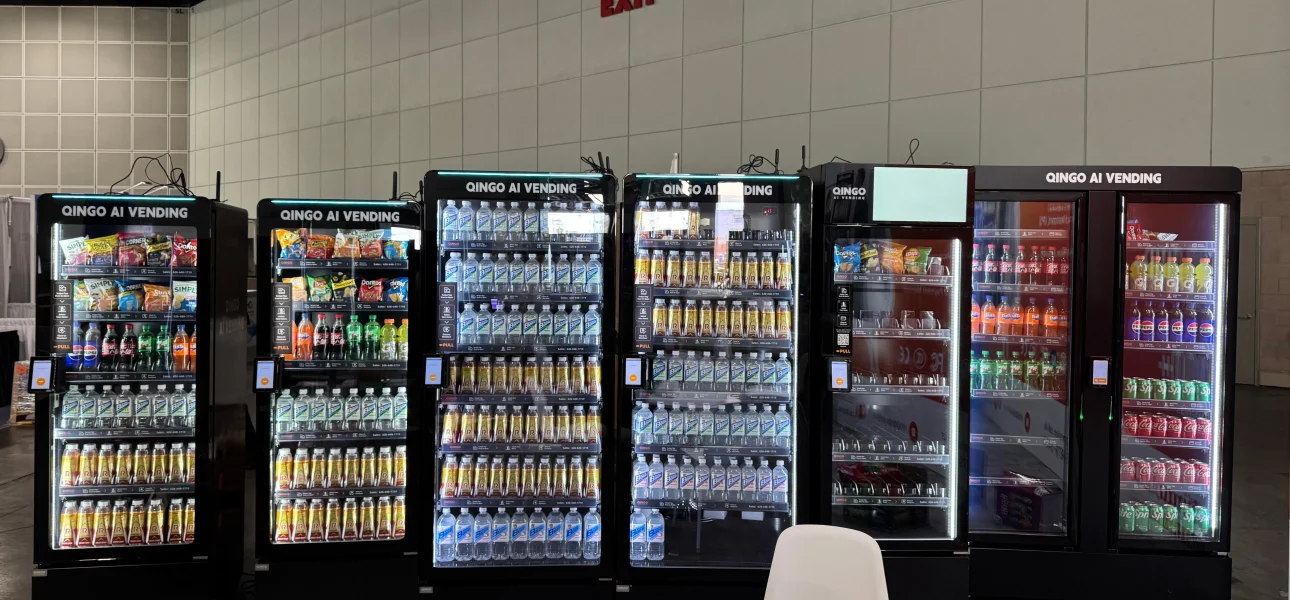
The image of Japan as the “Vending Machine Kingdom” is undergoing a profound transformation. Based on the latest 2025 industry data, the sector is witnessing a pivotal shift: a move away from sheer volume towards intelligent, high-value operations. While the total number of machines is declining, the industry is evolving into a more sophisticated, tech-driven ecosystem.
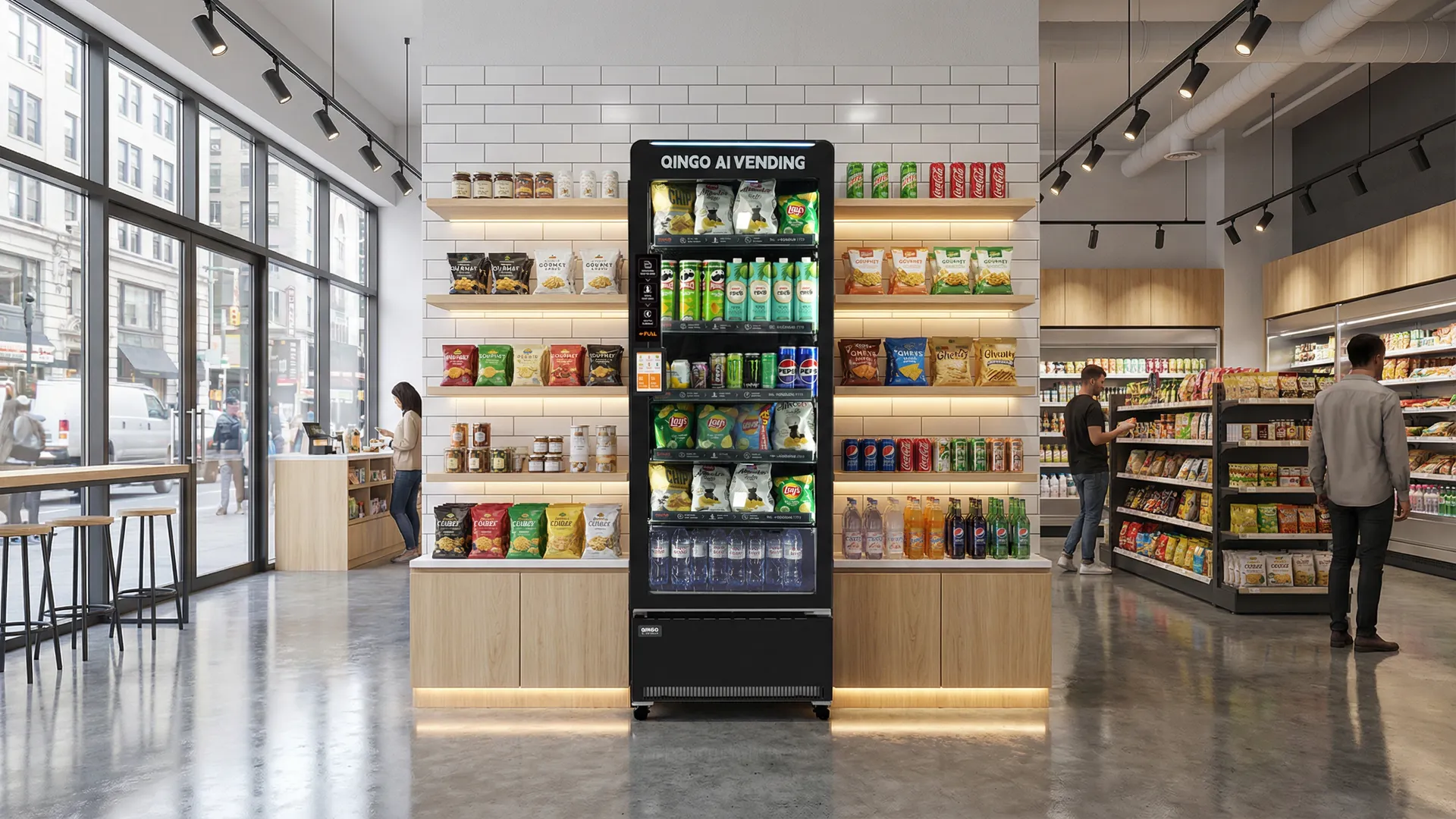
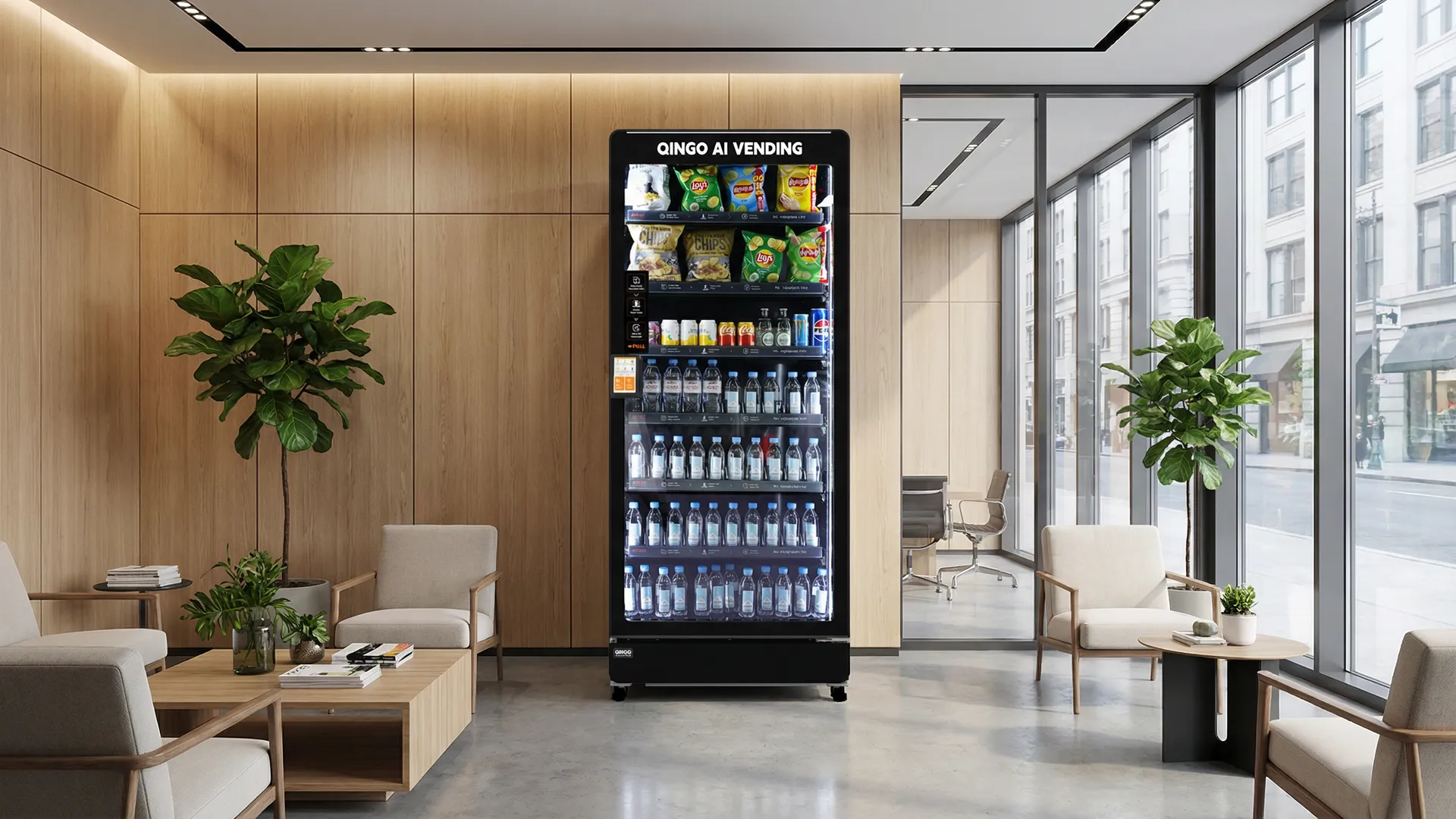
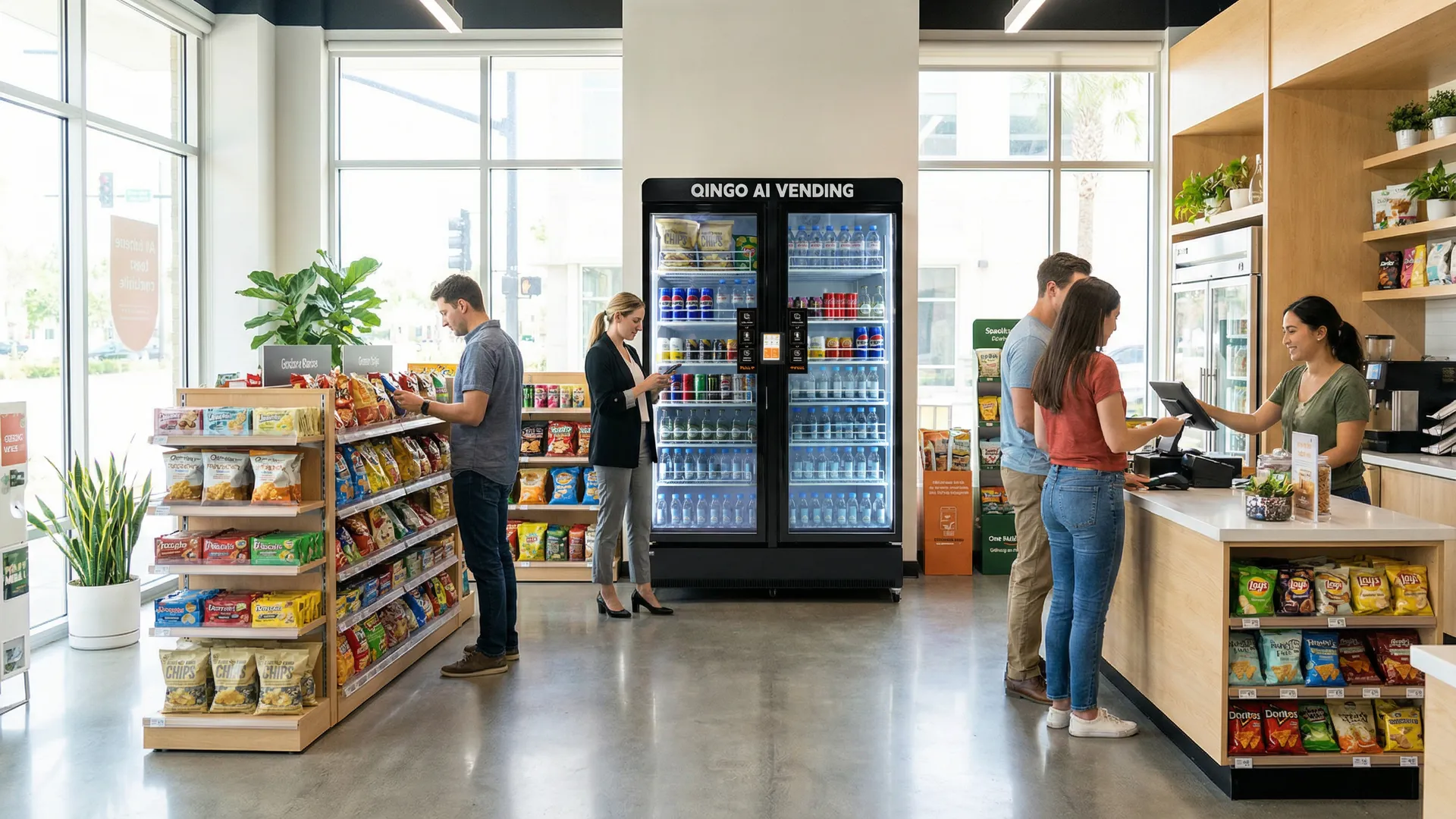
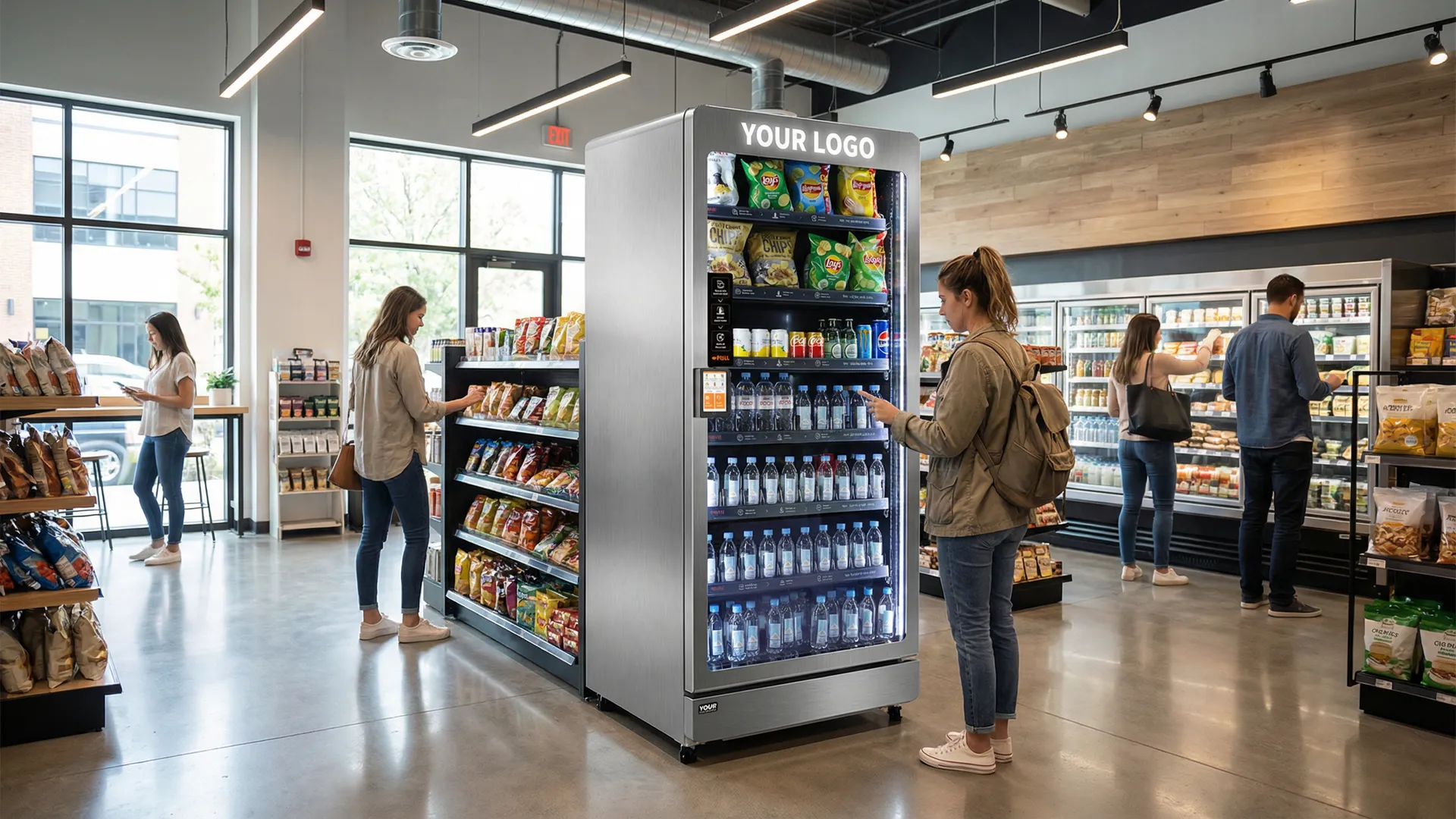
The Great Consolidation: Fewer Machines, Higher Density
By the end of 2025, Japan’s total vending machine count stood at 3.88 million, marking a slight 0.8% decrease from the previous year. Compared to the industry peak of 5.6 million units in 2000, the market has contracted by over 30%.
However, this decline signals a strategic consolidation rather than a collapse. The industry is actively phasing out low-performing legacy units to make room for high-end smart terminals. Despite the reduction in total numbers, Japan retains its unrivaled global status, with an astonishing density of one vending machine for every 33 people.
Market Dynamics: The Rise of Food & Specialty Retail
The industry’s total market value has stabilized at approximately 2.9 trillion yen, but the internal structure has shifted dramatically.
- Beverage Machines (Sunset Sector): While still accounting for 51% of the total units (1.97 million), traditional beverage machines are facing a steep decline. Shipments dropped by 12.3% in 2025, with major players exiting the market as this segment becomes increasingly saturated.
- Food & Instant Meals (Growth Engine): Food vending machines now represent 18% of the market (700,000 units) and are the core growth driver. High-margin, freshly prepared meals are replacing standard snacks.
- Diverse & Specialty Units: Accounting for nearly 30% of the market, machines dispensing daily necessities, fresh produce, and even tickets are thriving. These units cater to highly specific scenarios, proving that diversification is key to survival.
The Tech Revolution: Cashless & IoT Standardization
2025 marked a milestone in Japan’s vending technology, characterized by two major trends:
- Cashless Dominance: The cashless payment rate surged to 78%, a massive leap from 45% in 2020. Traffic IC cards (like Suica/Pasmo) and QR code payments have become the standard, with 100% of new machines now equipped with touchscreens and NFC modules.
- IoT & AI Integration: Over 90% of new machines are now IoT-enabled, allowing for real-time inventory tracking and remote diagnostics. AI-driven operations are optimizing sales by 15-20% by adjusting to foot traffic and weather patterns, while new energy-saving standards have cut power consumption by 40% compared to 2010 models.
Challenges & Future Outlook
Despite the technological advancements, the industry faces significant headwinds. Rising operational costs—including a 30% hike in electricity and a 20% increase in labor—combined with Japan’s aging population and urban saturation, are squeezing profit margins for traditional retail machines.
Looking ahead to 2030, the total number of machines is projected to dip further to around 3.5 million. The future of Japan’s vending industry lies not in quantity, but in quality: a transition towards automated, multifunctional service hubs that offer convenience, freshness, and seamless digital experiences.
QUICK ENQUIRY
·
QUICK ENQUIRY
·
QUICK ENQUIRY
·
QUICK ENQUIRY
·
QUICK ENQUIRY
·
QUICK ENQUIRY
·
QUICK ENQUIRY
·
QUICK ENQUIRY
·
QUICK ENQUIRY
·
QUICK ENQUIRY
·