
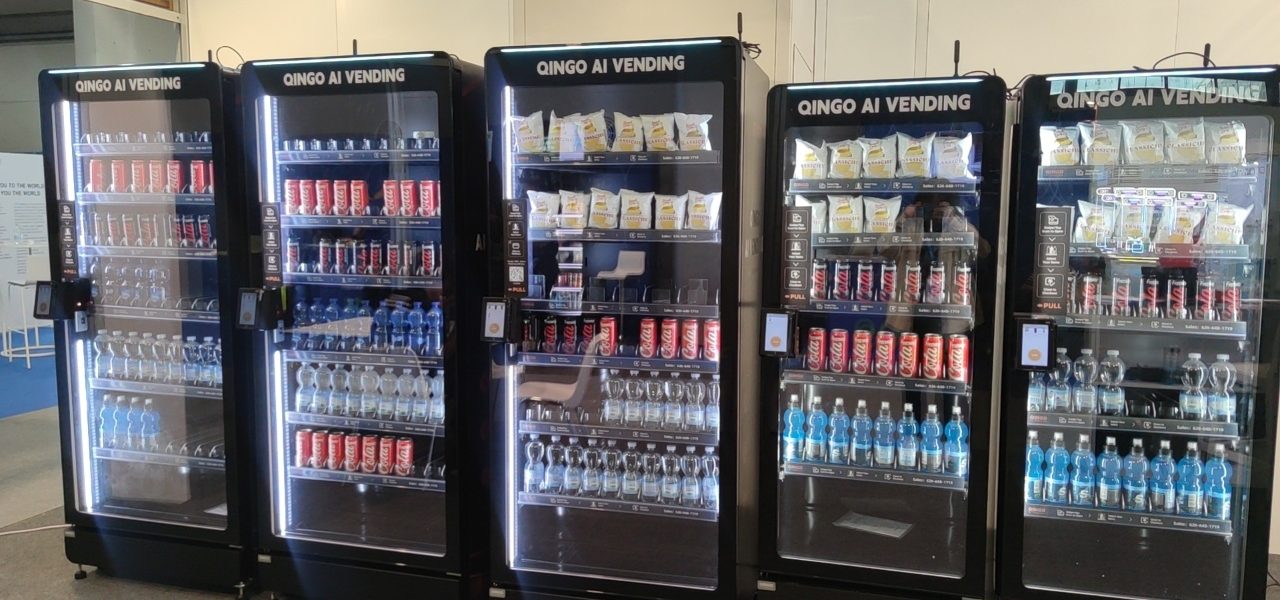
When most people hear the term “vending machine,” the first image that comes to mind is usually a metal box in a hallway dispensing soda, chips, or maybe instant noodles.
But if you have been paying attention to the retail industry lately, you will notice a fascinating shift: the boundaries of what a vending machine can be are rapidly blurring. From nail art printers and perfume dispensers to fresh pizza ovens and flower boutiques, these devices are stepping out of the conceptual phase and into malls, offices, airports, and communities worldwide.
In short, the definition of a “vending machine” is evolving from a “box that sells standard snacks” into a versatile platform for any product or service that can be standardized and automated.
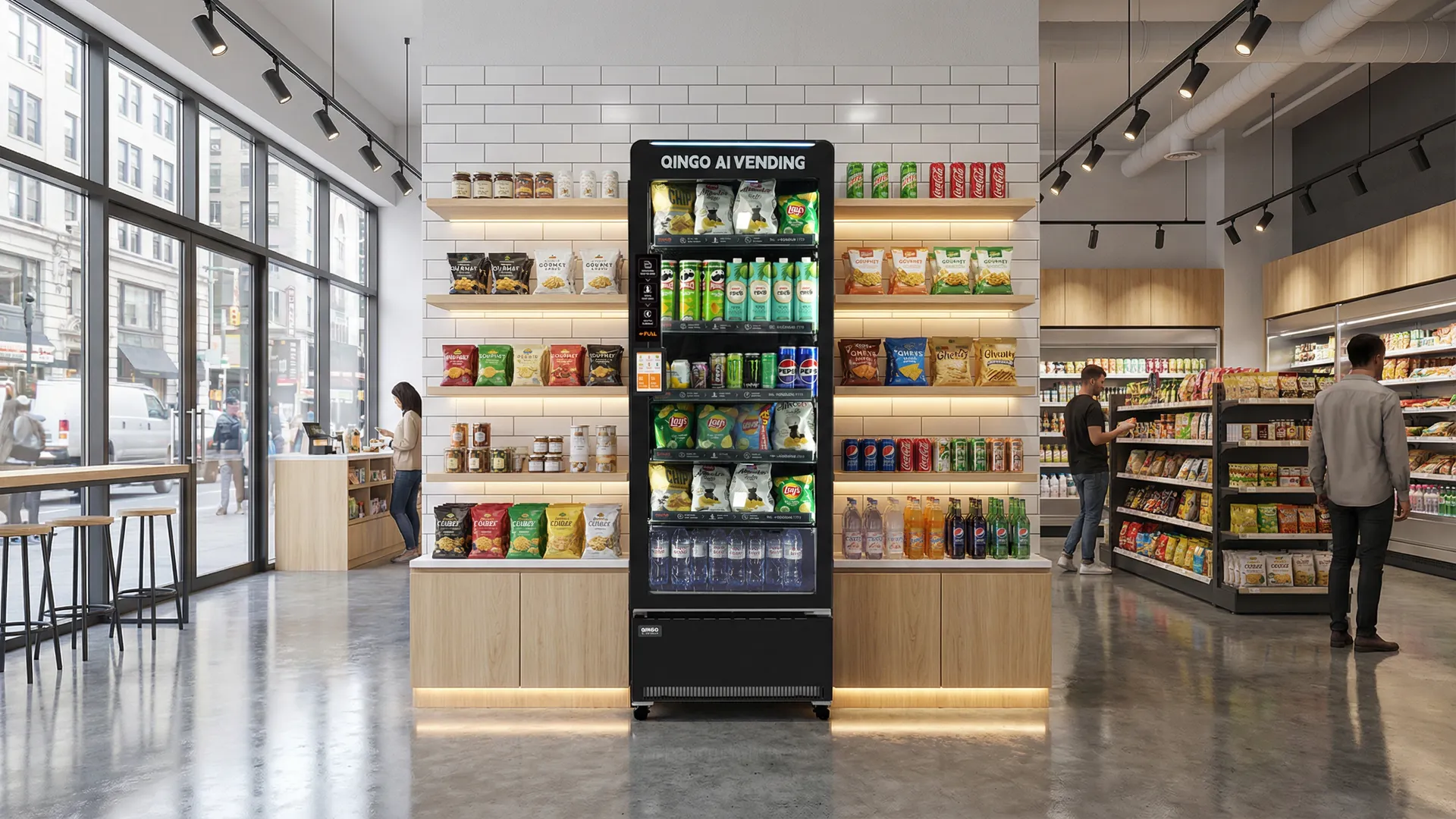
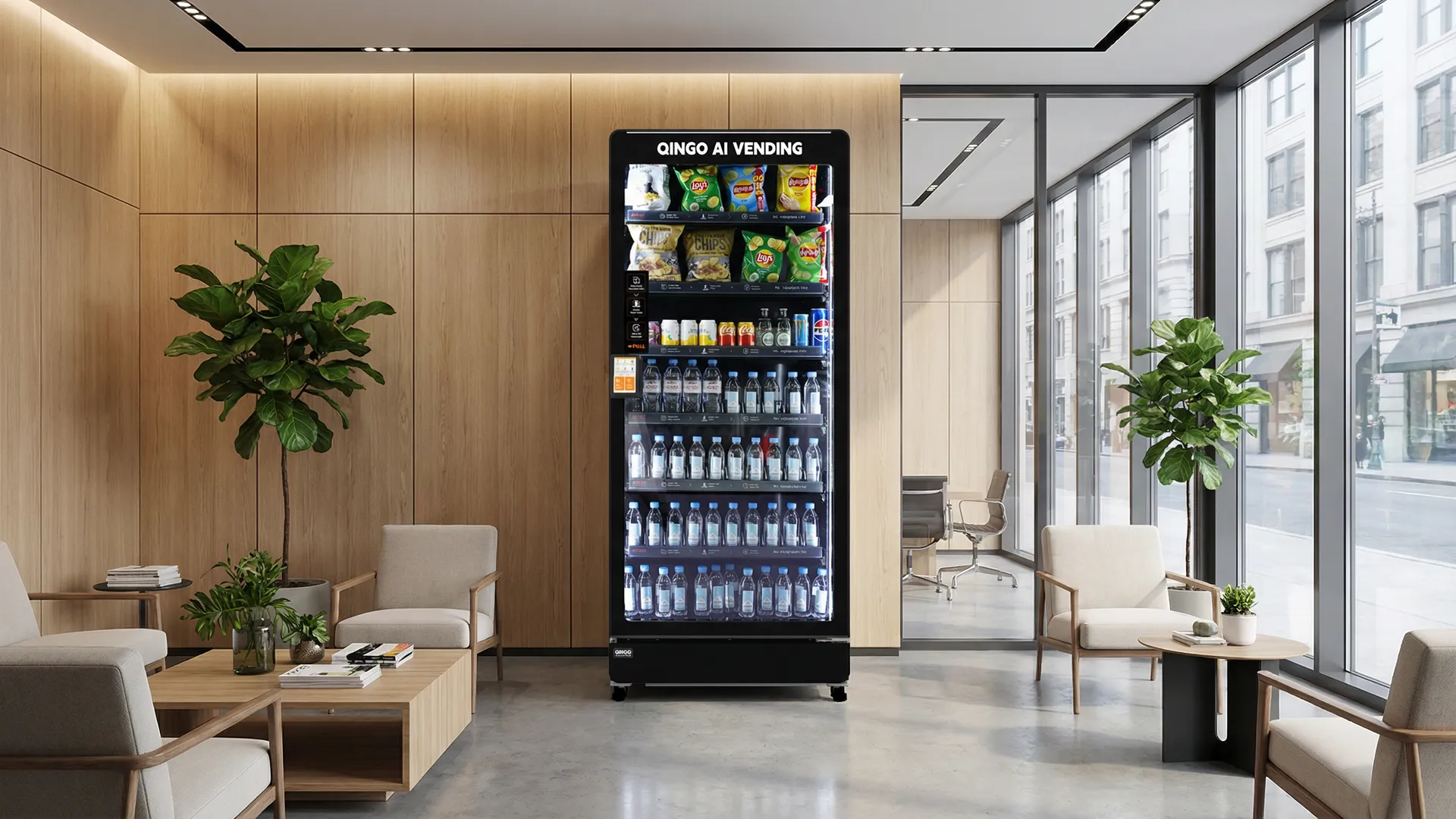
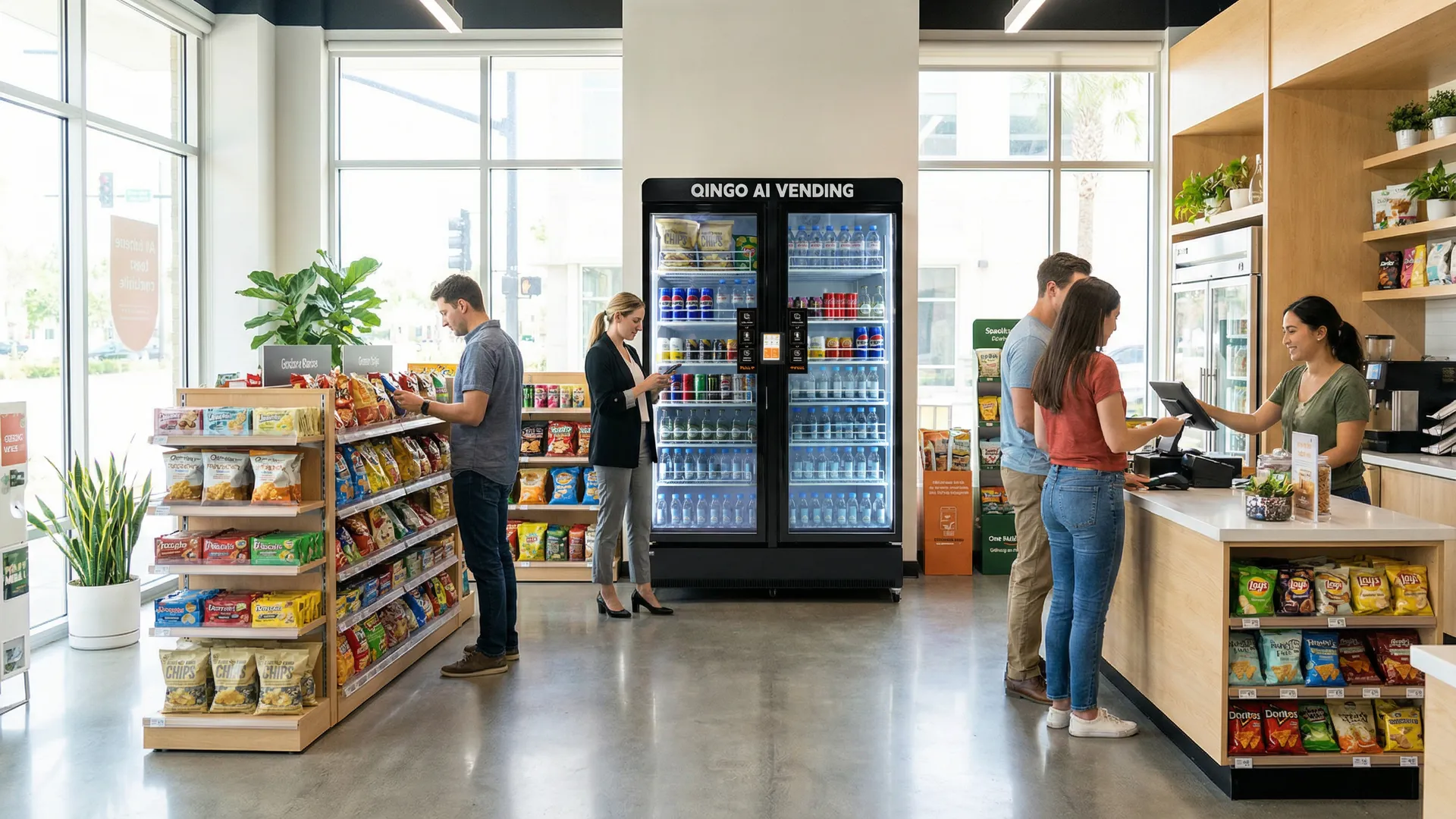
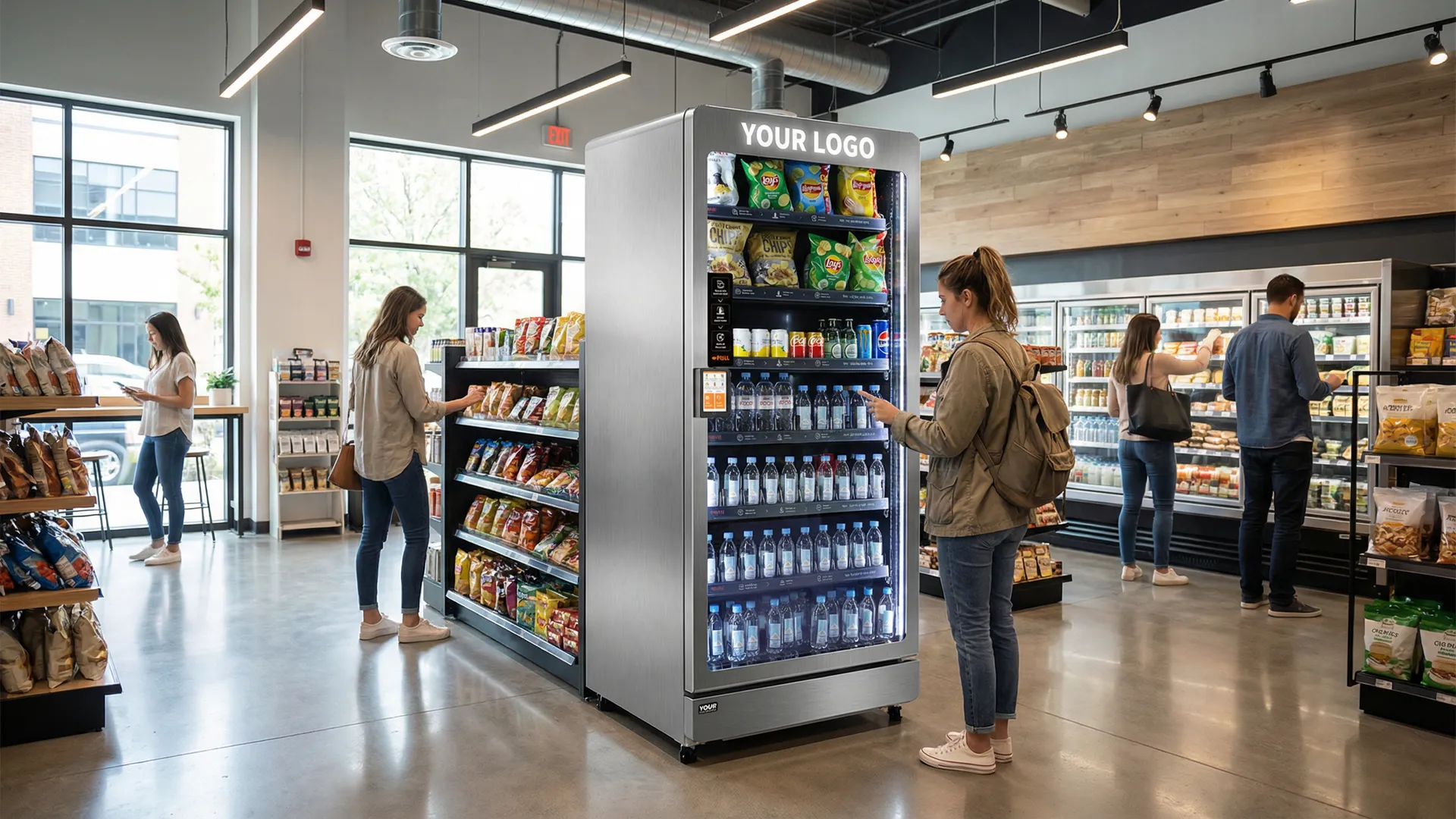
The New Wave of Smart Retail
A look at the global market reveals that innovation is exploding across several key categories:
- Beauty & Personal Care: This is currently one of the most dynamic sectors. We are seeing AI-driven nail art printers that create custom designs in minutes, DIY press-on nail dispensers, and even perfume vending kiosks that allow users to sample and buy fragrances. These machines are shifting from selling generic products to delivering personalized service experiences.
- Fresh Food & Dining: Innovations here are directly challenging traditional convenience stores. We now have automated pizza machines that bake from scratch, smart ice cream and smoothie makers, and heated cabinets for hot meals. These devices satisfy the craving for “freshly made” food rather than just pre-packaged snacks.
- Lifestyle & Hobbies: From 24/7 flower shops with climate control to blind box dispensers catering to Gen Z, and even helmet cleaning stations for shared mobility users—vending machines are now addressing specific lifestyle needs and emotional consumption.
Why is This Transformation Happening Now?
This rapid expansion isn’t accidental. It is driven by the convergence of technology, market saturation, and changing consumer habits.
- Technology is More Accessible: The cost of AI vision recognition and IoT remote management has dropped significantly. What was once exclusive to tech giants is now accessible to smaller operators. Machines can now “see” inventory, manage stock, and even use large models to make autonomous decisions, turning a simple kiosk into a smart retail terminal.
- Escaping the “Red Ocean”: The traditional beverage and snack vending market is fiercely competitive, with shrinking margins and a constant battle for prime locations. For manufacturers and operators, diversifying into new categories like beauty or fresh food offers a way to escape the saturation and tap into higher-margin markets.
- The Demand for Instant Gratification: Consumers have always wanted more than just a bottle of water. Whether it’s a hot breakfast on the way to work, a bouquet of flowers on the way home, or a protein shake after a workout, these needs have always existed. Technology has finally caught up to meet these demands with minimal friction.
The Deeper Logic: From Hardware to Service
On the surface, it looks like there are just more types of machines. But underneath, the fundamental business logic is changing:
- From Selling Goods to Selling Services: A pizza machine isn’t just selling frozen dough; it’s selling the experience of a hot, fresh meal. A nail printer isn’t selling polish; it’s selling a custom beauty service. This shift allows for higher price points and better customer stickiness.
- From Single Devices to Scene Nodes: The old strategy was “put a machine where the foot traffic is.” The new strategy is “what does this specific scene need?” An office pantry might need a coffee and yogurt combo, while a gym needs protein supplements. Operators are moving from a device-centric mindset to a scene-centric one.
- From Hardware Sales to Data Operations: As machines sell more diverse items, the data they generate becomes incredibly valuable. Knowing which perfume scent is popular in a specific mall or what time of day hot meals sell best helps brands refine their products and supply chains.
What This Means for the Industry
For manufacturers, relying on a single product line is becoming risky. The ability to customize hardware for different scenarios and global markets (e.g., energy-efficient models for Europe, heat-resistant ones for the Middle East) is becoming a core competitive advantage.
For operators, diversification is both an opportunity and a challenge. While new categories can boost revenue, they also require understanding new supply chains and operational logic. The key is to test small, validate the model, and then scale.
The Future is Limitless
Ten years ago, a vending machine was a coin-operated box for soda. Five years ago, it became a cashless smart cabinet. Today, it is transforming into an intelligent retail terminal capable of baking, printing, mixing, and even restocking itself.
The blurring of category boundaries is essentially technology lowering the cost of automated delivery, allowing consumer needs to be met with unprecedented precision. The vending machines of the future will no longer be defined by what they sell, because they will be capable of delivering almost anything.
QUICK ENQUIRY
·
QUICK ENQUIRY
·
QUICK ENQUIRY
·
QUICK ENQUIRY
·
QUICK ENQUIRY
·
QUICK ENQUIRY
·
QUICK ENQUIRY
·
QUICK ENQUIRY
·
QUICK ENQUIRY
·
QUICK ENQUIRY
·