
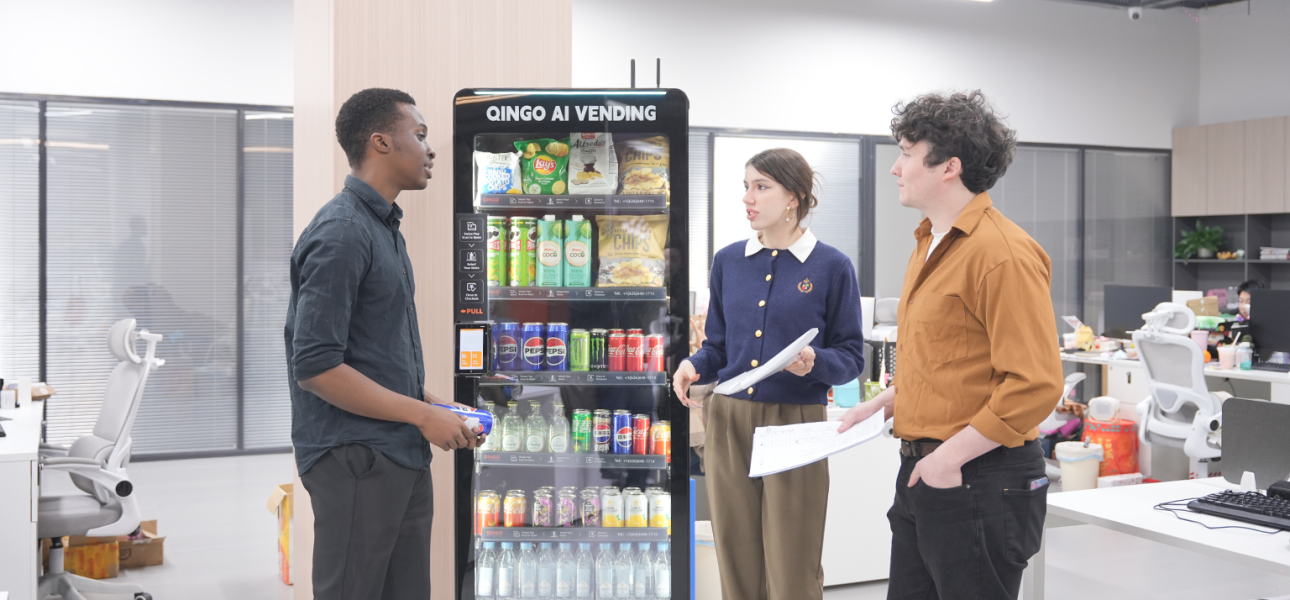
If you are running smart cabinets, you know the drill. You are constantly walking a tightrope between two nightmares: running out of stock and getting stuck with overstock.
It’s a classic struggle. Sometimes you panic about empty slots and over-order, only to end up with a cabinet full of dust-gathering inventory. Other times, you get scared of holding costs and order too conservatively, watching potential sales walk away because your best-sellers are out.
Let’s be real: both scenarios hurt your bottom line. But if we have to compare them, stockouts are a visible wound, while overstocking is a silent killer.
Today, let’s break down this operational headache and figure out how to stop leaving money on the table.
📉 The “Visible” Pain: Stockouts
The damage from a stockout is immediate and obvious: it’s the money you didn’t make.
When a high-frequency, essential item (like that popular soda or energy bar) goes dark, you aren’t just losing one sale. You are damaging the user experience. If a customer opens your cabinet expecting a snack and finds an empty slot, they lose trust. Next time, they might just go to the vending machine across the hall.
Stockouts are loud. You see the dip in revenue immediately, which is why most operators prioritize fixing them first.
📦 The “Silent” Killer: Overstocking
Overstocking is sneakier. At first glance, a fully stocked cabinet feels good—it looks productive! But it hides some ugly truths:
- Frozen Cash: Your money is tied up in plastic and cardboard instead of working for you.
- Opportunity Cost: Slow-moving items are hogging prime real estate that should belong to your fast movers.
- Waste: Especially with perishables, overstocking leads to expiration and write-offs.
Overstocking doesn’t scream at you like a stockout does. It quietly eats away at your efficiency and margins day after day.
🔍 The Root Cause: It’s Not About Sales, It’s About Fit
Here is the hard truth: having stockouts and overstock simultaneously usually means your product mix is wrong.
Before you blame the location or the economy, look at your data. Are you making these mistakes?
- Not giving enough space to your “traffic drivers.”
- Overfilling slots with “high margin” items that nobody wants.
- Keeping “zombie products” alive long past their expiration date.
⚖️ How to Fix It: Ditch the Guesswork
The goal isn’t to choose between stockouts or overstock; it’s to manage the balance. Here is how smart operators do it:
- Tier Your Inventory
- For the “Fear of Stockouts”: Identify your高频 essentials (the daily coffee, the afternoon snack). These need safety stock rules and priority replenishment.
- For the “Fear of Overstock”: Be ruthless with new launches and niche items. Give them limited slots and strict “trial periods.” If they don’t sell in two weeks, cut them.
- Audit Regularly
Don’t wait for the end of the month. Check your data weekly. Which SKUs are constantly out? Which ones haven’t moved in 14 days? Adjust your grid layout accordingly. - Trust Data, Not Gut Feelings
As you scale, “I have a feeling this will sell” becomes a dangerous strategy. Build your replenishment logic on actual turnover rates, not intuition.
💡 The Bottom Line
Stockouts hurt today’s orders; overstocking hurts tomorrow’s efficiency. The key to profitable smart retail isn’t avoiding one or the other—it’s about structural management. Make every inch of your cabinet count.
This insight is brought to you by Qingo LLC. We are dedicated to sharing practical strategies for the smart retail industry to help our partners operate smarter and grow faster.
QUICK ENQUIRY
·
QUICK ENQUIRY
·
QUICK ENQUIRY
·
QUICK ENQUIRY
·
QUICK ENQUIRY
·
QUICK ENQUIRY
·
QUICK ENQUIRY
·
QUICK ENQUIRY
·
QUICK ENQUIRY
·
QUICK ENQUIRY
·