
After working with smart vending cabinets for a while, you start to notice a really interesting pattern.
You’ll see two teams running the exact same model of machine, from the same batch. But their experiences are totally different.
One team is constantly complaining:
- The door locks keep failing.
- The cooling is inconsistent.
- The sensors are always messing up.
- The lights burn out too fast.
- It keeps going offline.
But then you look at another team with the same machines, and they’re not dealing with any of that drama.
So what’s the deal?
The first thought is usually:
- Is the manufacturer’s quality control bad?
- Is this just a lemon of a machine?
- Did we buy from the wrong brand?
Those things are possible, sure. But here’s the real talk from the front lines: a lot of machines aren’t born with high failure rates—they get “used to death” during operations.
This isn’t about blaming the ops team. It’s just a reality of this industry. Equipment issues are usually a combo of hardware, how you use it, and how well you maintain it.
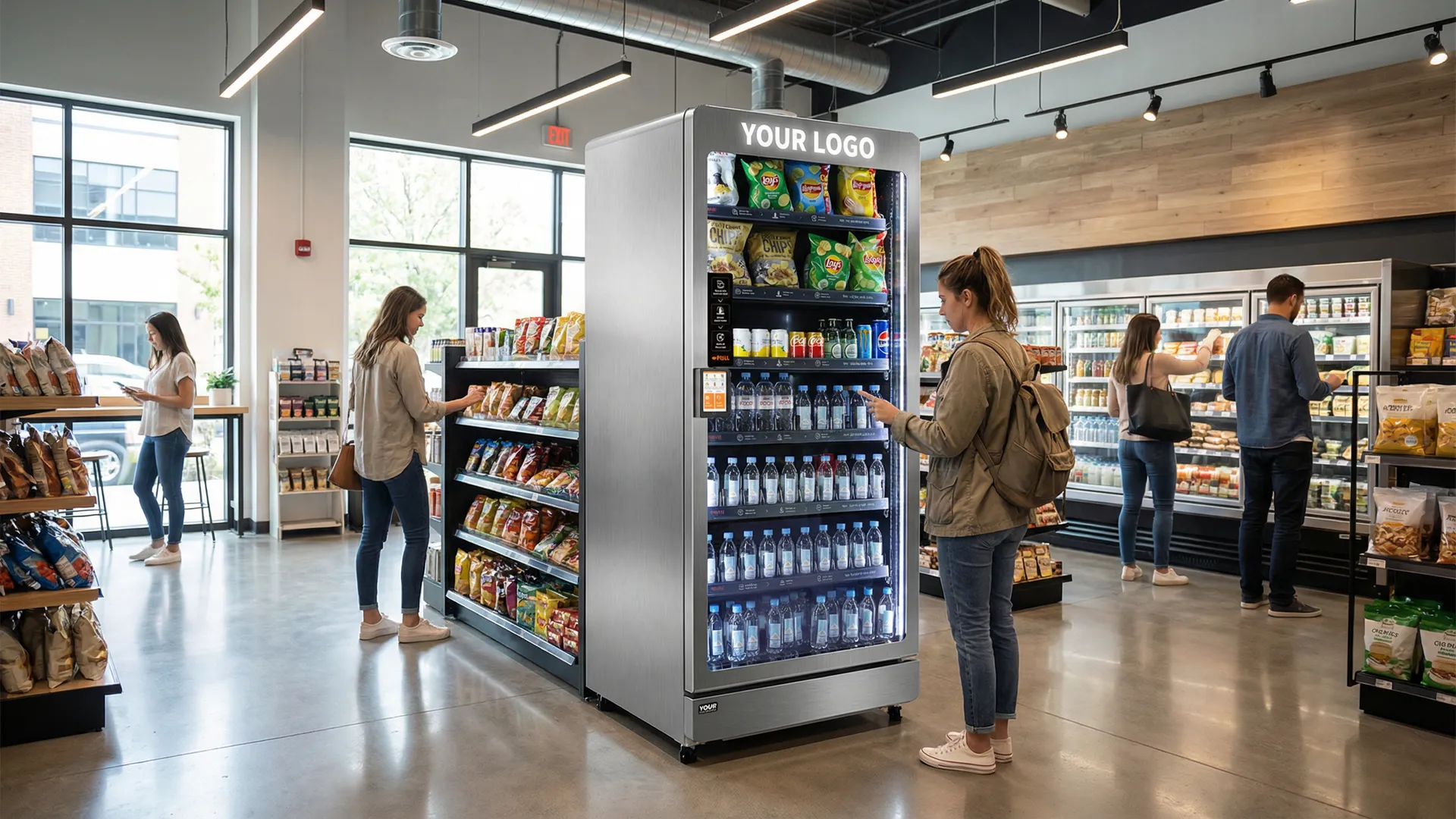
Why Does It Feel Like Machines Break Down More and More?
Machines don’t just sit there. Every single day, they go through:
- Doors opening and closing.
- Constant restocking.
- Temperature swings.
- Being bumped and moved.
- Improper cleaning.
- Running at full capacity for long periods.
- Harsh on-site environments.
- Non-standard handling by staff.
In short, the machine isn’t just naturally aging; it’s being worn down by heavy use. If your team doesn’t have basic rules for using and maintaining the equipment, small, avoidable problems pile up until you’re staring at a “high failure rate.” People see the breakdown, but they miss the habits that caused it.
Most Breakdowns Don’t Just Happen Overnight
This is a big one. A lot of teams think about equipment like this:
- Fix it when it breaks.
- Check it when the light goes out.
- Call for repairs when it stops cooling.
- Deal with the door when it won’t open.
But the truth is, most failures aren’t sudden. They start as tiny issues that nobody pays attention to, and they snowball into major problems.
Think about it:
- A door that doesn’t seal properly might just cause an occasional alarm at first, but eventually, it messes with the cooling and the lock mechanism.
- Dust clogging the air vents makes the machine cool slower, which puts more and more strain on the compressor.
- Poorly arranged shelves can lead to constant挤压 (product jams) and sensor errors.
- A loose power connection causes random dropouts, which later leads to frequent communication module failures.
- Placing a cabinet in a hot, poorly ventilated spot forces it to run in overdrive constantly.
These problems seem small at the start. But if you ignore them, the breakdowns will inevitably become more frequent and severe.
A Lot of “Equipment Problems” Are Really “Sloppy Ops Habits”
This is something non-technical teams often overlook. Simple actions during restocking can actually damage your machine over time:
- Leaving the door open for too long: Restockers who are multitasking—checking other items, chatting, managing multiple cabinets—leave the door wide open. This wreaks havoc on the cooling system and temperature stability.
- Overstuffing the shelves: People think more products = more sales. But cramming everything in tightly can prevent the door from sealing, block airflow, and confuse the sensors.
- Slamming the doors: In high-volume restocking, nothing kills a lock, hinge, or sensor faster than粗暴 (rough) handling.
- Superficial cleaning: Many teams wipe the glass and the outside, but never clean the vents, check for water buildup, or dust the internals. It looks clean, but it doesn’t help the machine.
- Ignoring the environment: Putting a cabinet in direct sun, extreme heat, dusty areas, or damp spots without any extra protection is a surefire way to shorten its lifespan.
So a lot of what gets labeled as “bad machines” is really an ops team that doesn’t treat the equipment like a valuable asset that needs to be used correctly.
Real Stability Comes From Taking Care of Your Gear, Not Just Buying It
This is something many people in the industry realize a bit too late. Everyone is super serious when buying equipment:
- Comparing brands.
- Checking specs.
- Looking at features.
- Asking about after-sales support.
But once the machine is on-site, its long-term stability depends on the daily routines:
- Restocking protocols.
- Inspection frequency.
- Cleaning standards.
- Fault detection.
- Managing the on-site environment.
- How quickly you handle small issues.
Get these right, and the lifespan and reliability of your machines will be night and day compared to those who don’t. It’s just like a car. Two people can buy the same model, but one drives it smoothly for 3 years, while the other has constant issues after just 1 year. The difference is rarely the car itself—it’s how it’s driven and maintained.
The Biggest Risk Isn’t the Breakdown, It’s Not Seeing It Coming
A truly mature operation doesn’t just react to faults; it tries to catch them beforehand. Here are a few basics to get you started:
- Create a simple inspection checklist: Don’t just eyeball it. Have a fixed list to check: door seals, light status, temperature, online connection, error alarms, cleanliness, and any water/dust buildup inside.
- Log recurring issues: Keep track of which cabinet keeps dropping offline, which door lock is always报警 (triggering alarms), or which location seems to cause problems.
- Fix small problems early: Don’t wait for it to die completely. Addressing issues early is always cheaper and easier.
- Train your restockers to have basic equipment awareness: They don’t need to be technicians, but they should know which actions hurt the machine and which warning signs need to be reported immediately.
High Failure Rates Cost You Way More Than Just Repair Bills
Many people only think about the cost of a repair. But the real impact is much bigger:
- Downtime means lost sales.
- Bad user experience kills trust.
- Location partners get a bad impression.
- Your team gets pulled into fire drills, disrupting their workflow.
- Constant small issues drain your operational energy.
- A high failure rate can even make you doubt whether a location is any good.
When your equipment is unstable, you’re not just losing money on repairs—you’re damaging the entire business potential of that machine.
Final Thoughts
In the smart cabinet game, the equipment is obviously important. But what really determines whether a machine runs stably isn’t just what you bought—it’s how you use it, manage it, and maintain it afterward.
Many machines aren’t “low quality”; they just get beaten down by misuse and rough maintenance until they seem that way.
So if you find yourself constantly complaining about unstable machines, don’t just blame the manufacturer right away. Take a step back and ask yourself: Is my team truly operating the equipment, or are we just treating it like a tool that we fix when it breaks?
Those two mindsets will lead to wildly different failure rates in the long run.
QUICK ENQUIRY
·
QUICK ENQUIRY
·
QUICK ENQUIRY
·
QUICK ENQUIRY
·
QUICK ENQUIRY
·
QUICK ENQUIRY
·
QUICK ENQUIRY
·
QUICK ENQUIRY
·
QUICK ENQUIRY
·
QUICK ENQUIRY
·