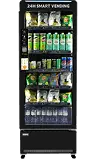
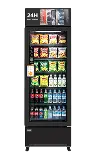
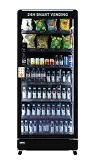
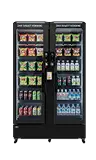
Operating automated retail in healthcare facilities offers a highly stable income stream. Hospitals operate continuously, serving distinct groups like medical staff, patients, and visitors. These locations generate consistent foot traffic and robust demand for quick refreshment.
However, many operators ask how to put vending machine in hospital environments successfully. The process differs significantly from placing equipment in standard offices. Healthcare facilities require strict hygiene protocols, nutritional compliance, and formal contract negotiations.
This guide helps vending operators and business owners understand the commercial landscape of medical vending. You will learn the exact steps for facility negotiation, regulatory compliance, and equipment selection to maximize your return on investment.
The Business Opportunity
Hospitals represent a unique commercial environment with a built-in, captive audience. Medical staff often work extended overnight shifts when traditional cafeterias close. Visitors spending long hours in waiting rooms also rely heavily on automated retail options for sustenance.
Operators who secure these locations benefit from predictable, year-round sales. Unlike corporate offices that empty out during weekends or holidays, medical centers maintain continuous operation. This steady foot traffic dramatically increases the potential revenue per machine.
Negotiation and Compliance Process
Securing a hospital location requires a structured professional approach. Facility administrators prioritize patient care, safety, and staff wellness. Your proposal must align directly with these core institutional goals to succeed.
When pitching to hospital management, emphasize reliability and hygiene rather than just profit-sharing. Present a comprehensive service plan that details your restocking schedule and maintenance protocols. Most hospitals require a formal vendor agreement that outlines commission structures and expectations.
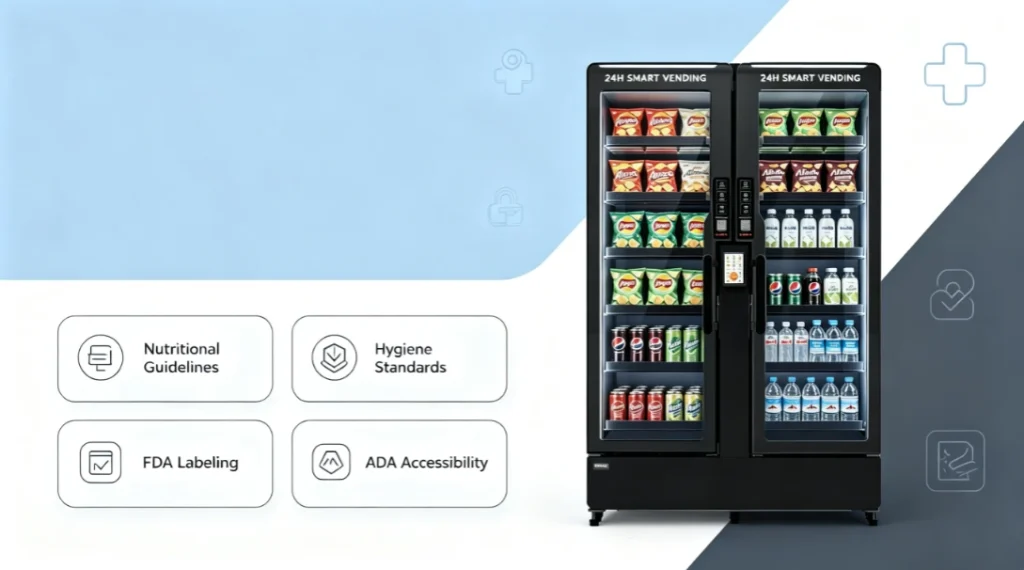
Compliance remains a critical hurdle in medical environments. You must ensure your operations meet several strict regulatory standards before installing any equipment:
- Nutritional Guidelines: Many healthcare networks adopt wellness policies, requiring a specific percentage of healthy items. Some follow CDC Food Service Guidelines for sodium and calorie limits.
- Hygiene Standards: Hospitals demand clinical-grade sanitization. Technicians must use hospital-grade disinfectants on all touchpoints like keypads during restocking.
- FDA Labeling: If operating glass-front machines, you must comply with FDA calorie labeling requirements, ensuring nutritional information remains visible.
- ADA Accessibility: All deployed machines must meet Americans with Disabilities Act standards for reach height and touchscreen usability.
Revenue and Cost Factors
Understanding the financial dynamics determines your long-term success. Medical vending offers high gross margins, but operating in clinical settings introduces specific cost variables that operators must manage carefully.
Revenue primarily depends on placement. Emergency room waiting areas and department-level nursing stations generally yield the highest transaction volumes. Offering a mix of premium healthy snacks, fresh food, and essential medical supplies can significantly boost average order value.
Costs extend beyond the initial machine purchase. Operators must account for commission payouts, which hospitals usually expect as a percentage of gross sales. Other expenses include specialized insurance policies required for vendors operating on hospital grounds.
Inventory spoilage represents another cost factor, especially when stocking fresh food for overnight staff. Utilizing smart vending technology with remote inventory tracking helps minimize this waste by providing real-time sales data.
Equipment Selection Guide
Choosing the right hardware dictates your operational efficiency. A standard snack machine may fail to meet the rigorous demands of a busy medical center. You need equipment that supports diverse payment methods and advanced inventory management.
Below is a comparison of suitable vending formats for medical deployment:
| Machine Type | Best Location | Key Benefit | Estimated Cost Level |
| Smart Fridge Vending | Breakrooms, Cafeterias | Supports fresh meals for overnight staff | High |
| Glass-Front Combo | Waiting Rooms, ER | High capacity for snacks and beverages | Medium |
| Medical Supply Dispenser | Pharmacy, Discharge Areas | Automates PPE and essential health items | Medium |
| Touchless Vending | High-traffic Corridors | Reduces cross-contamination risks | High |
Modern vending machines feature advanced technology like UV sanitization and contactless payment. These features directly address infection control concerns while speeding up the checkout process for busy nurses.
ROI Analysis
Calculating your Return on Investment requires analyzing both fixed and variable costs against projected daily transactions. Medical locations typically achieve faster ROI than standard public placements due to their continuous nature.
A well-placed machine in an emergency department might average 50 to 80 vends per day. Assuming an average transaction value of $2.50, a single unit can generate $3,750 to $6,000 in monthly gross revenue.
After deducting product costs, hospital commissions, and maintenance expenses, operators often see net profit margins around 30%. At this rate, a premium smart machine costing $5,000 can reach its break-even point within four to six months.
Scaling the business involves deploying multiple machines across different wings of the same campus. This route density maximizes restock efficiency and accelerates overall profitability for the operator.
Conclusion
Placing automated retail in a hospital offers significant financial rewards for well-prepared operators. By focusing on stringent compliance, offering wellness-oriented products, and selecting reliable smart equipment, you can build a highly profitable route. Approach facility managers with a professional, hygiene-first proposal to secure these lucrative contracts.
Read More About Hospital Vending Machine
What Is a Hospital Vending Machine?
FAQ
- Can I put a vending machine in a hospital?
Yes, you can put a vending machine in a hospital by securing approval from the facility management and meeting strict compliance standards. The process typically requires a formal vendor contract, business licenses, and adherence to specific health and safety protocols. - What products sell best in hospital vending machines?
Healthy snacks, fresh meals, and caffeinated beverages generally sell best in healthcare environments. Medical staff working long shifts prefer substantial, protein-rich options, while visitors often seek comforting snacks and bottled water. - Do hospitals charge rent for vending machines?
Most hospitals do not charge a fixed monthly rent, but they usually require a commission based on gross sales. This revenue-sharing model often ranges between 10% and 15%, depending on the negotiated contract and the machine location. - Are there specific health codes for hospital vending?
Yes, medical facilities enforce strict hygiene and nutritional guidelines for automated retail equipment. Operators must follow routine sanitization protocols and often need to comply with FDA calorie labeling and state-specific wellness policies. - How often should a hospital vending machine be restocked?
High-traffic hospital machines usually require restocking two to three times per week. Units located in busy emergency rooms or main cafeterias might need daily service to ensure fresh food availability and prevent empty slots.