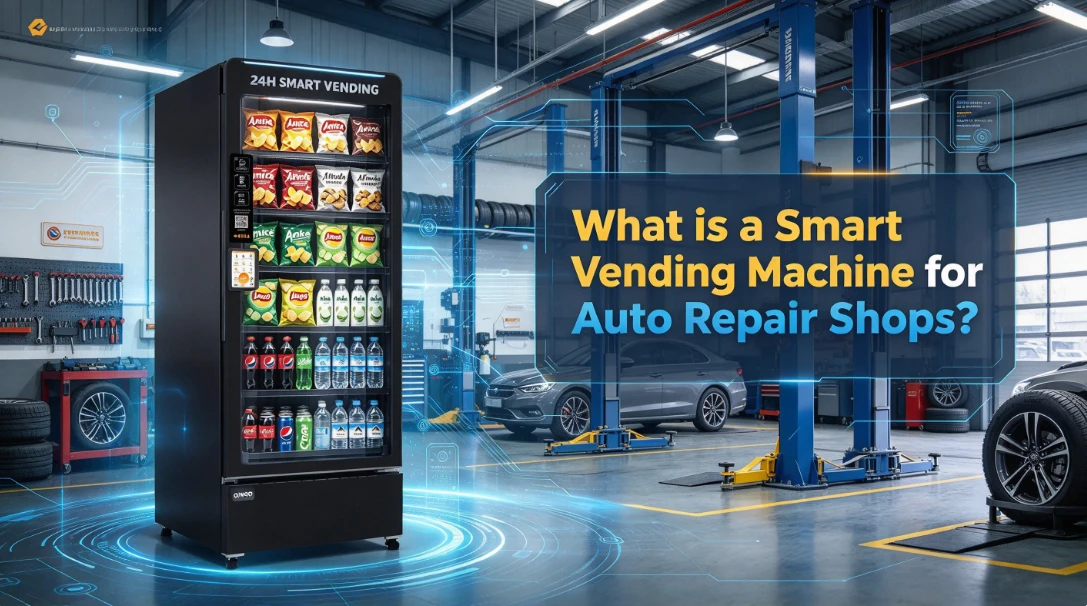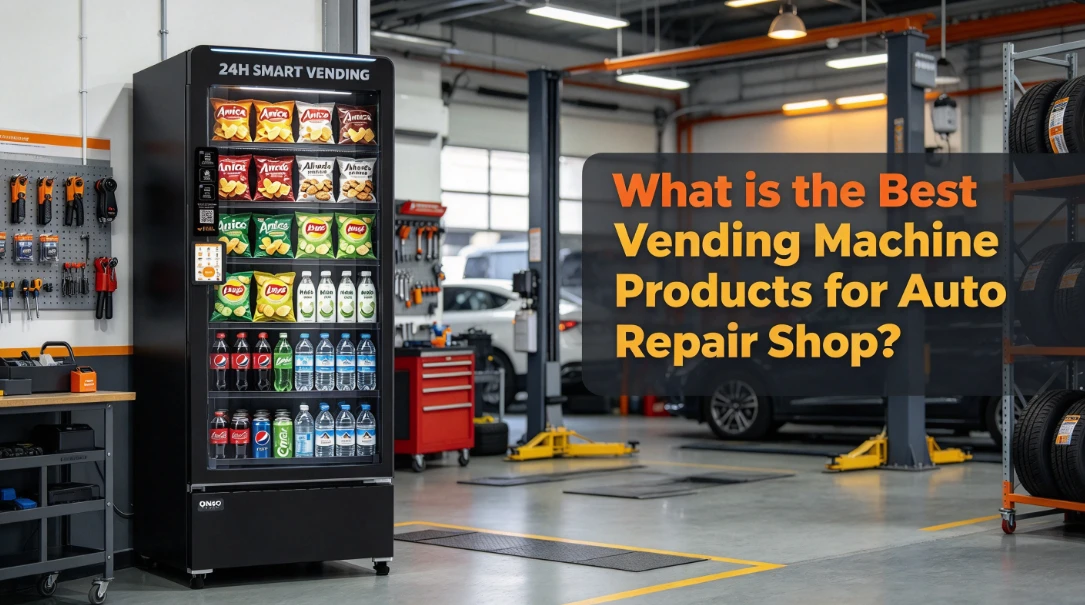
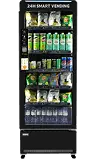
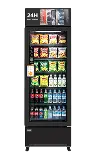
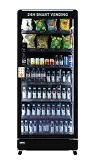
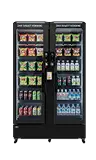
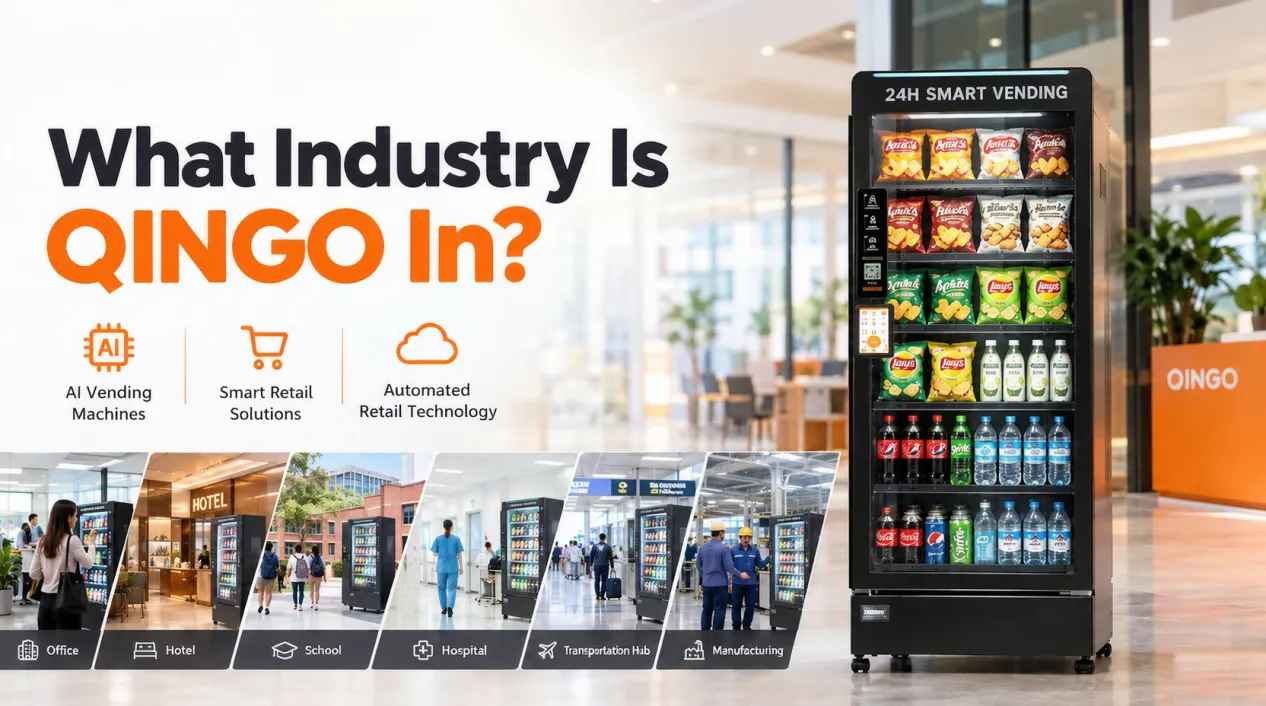
A company’s industry is defined not only by the products it supplies, but also by the problems it helps businesses solve. So, what industry is QINGO in?
QINGO operates in the AI vending machine industry, within the broader fields of smart retail solutions and automated retail technology. Its business brings together vending machine hardware, AI-enabled shopping technology, and digital tools that support unattended retail operations.
This industry positioning helps explain where QINGO fits in the retail ecosystem—and why its solutions are relevant to vending operators, distributors, and businesses exploring self-service retail.
From Vending Equipment to Automated Retail
Vending machines have traditionally provided a simple way to purchase products without a staffed checkout. AI vending technology builds on that model by integrating product recognition, shopping automation, and connected management tools.
As a result, modern vending equipment can serve as more than a standalone machine. It can become part of a wider retail operation, connecting the customer shopping experience with inventory visibility and sales information.
QINGO’s focus is on this combination of hardware and technology. Its business belongs to the AI vending machine industry, while its applications form part of the wider move toward unattended retail solutions.
For a practical introduction to the category, see What Is an AI Vending Machine?.
Where QINGO Fits Within the Industry
QINGO’s industry role can be understood through three connected business areas.
AI Vending Machine Equipment
The first area is vending hardware. QINGO offers different machine configurations for businesses with varying space, capacity, and deployment requirements.
These products provide the physical foundation for self-service retail in commercial and institutional environments. Businesses can explore the QINGO product range to review the available configurations.
Retail Automation Technology
The second area is automated retail technology. AI-enabled product recognition and self-service purchasing help support a shopping experience that does not require a traditional cashier at the point of sale.
The technology involved depends on the machine configuration and project requirements. For QINGO, AI is part of the broader solution rather than an isolated feature.
Digital Operations and Management
The third area is digital management. Connected vending operations can use tools such as:
Inventory monitoring
Sales analysis
Operational alerts
Remote machine management
Which Businesses Does QINGO Serve?
The AI vending machine industry supports a range of business models. QINGO’s solutions are relevant to several groups:
Vending operators: Businesses looking to deploy and manage self-service retail equipment.
Distributors: Partners evaluating machine configurations for their local markets.
Retail and hospitality businesses: Organizations exploring convenient, unattended product access.
Brand partners: Businesses considering OEM or ODM customization for their own markets.
The actual requirements vary by project. Location, customer traffic, product assortment, payment preferences, and management needs all influence the choice of equipment and configuration.
QINGO also publishes guidance for businesses evaluating suppliers and purchasing equipment. See the AI Vending Machine Buying Guide for factors to consider before selecting a solution.
Where Can AI Vending Solutions Be Applied?
AI vending machines can be deployed in different environments, including:
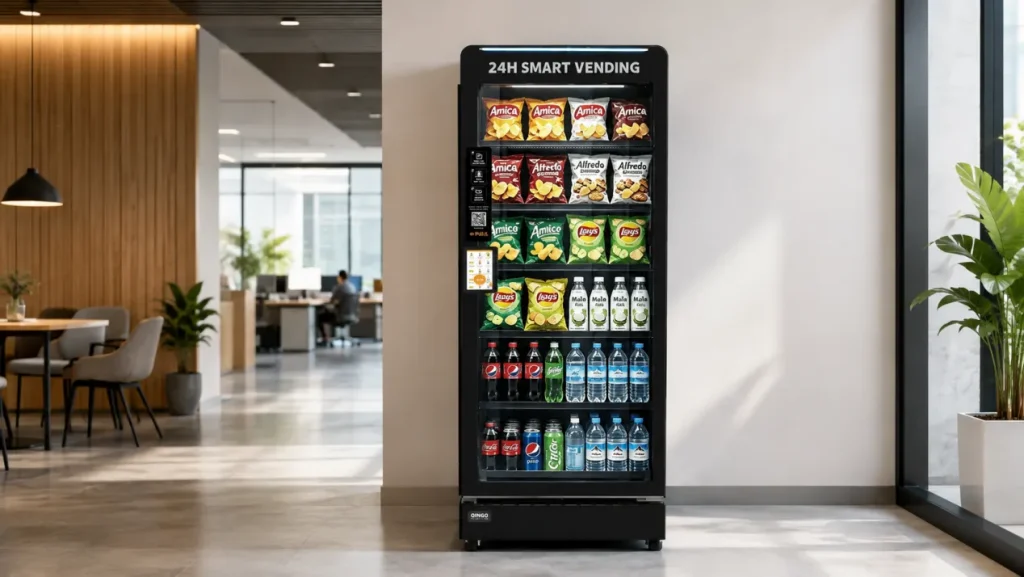
Offices: Convenient access to drinks, snacks, and everyday products.
Hotels: Self-service access to selected guest essentials.
Schools and campuses: Retail access to food, drinks, and daily necessities.
Hospitals: Convenient access to selected everyday products for staff, patients, and visitors.
Transportation hubs: Grab-and-go shopping in busy environments.
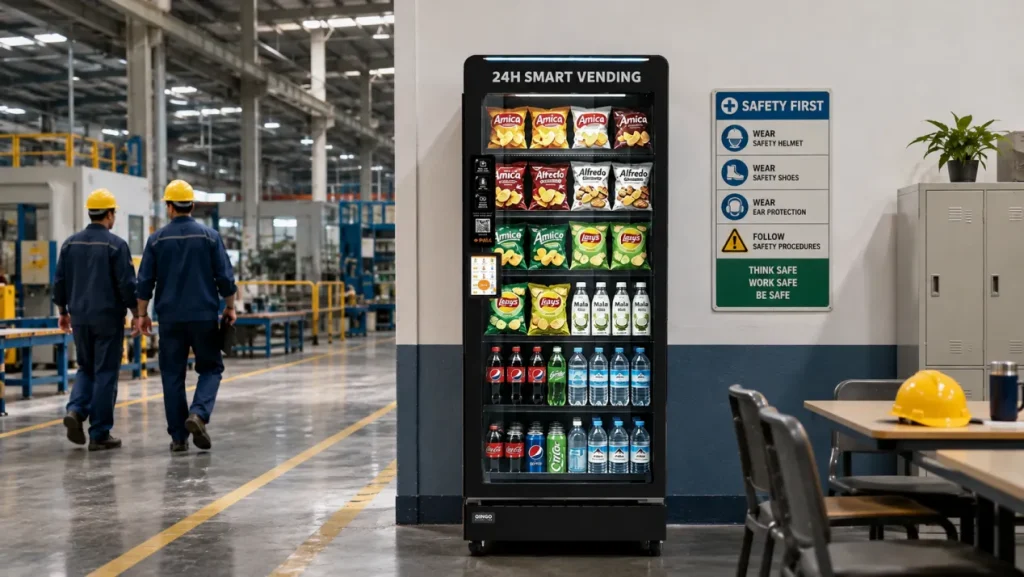
Manufacturing facilities: Access to refreshments and everyday products for employees working across shifts.
These settings share a need for convenient product access, but their operating conditions are not identical. An office may have different space and product requirements from a factory or a busy transportation location. Equipment selection should therefore reflect the intended application rather than assuming one configuration fits every site.
Explore QINGO’s manufacturing solutions to see how AI vending can be considered for an industrial environment.
How Should You Describe QINGO’s Industry?
The most direct classification is AI vending machines and smart retail solutions. Automated retail technology describes the broader industry context, while vending equipment and connected management tools explain the main areas of QINGO’s business.
This distinction matters for businesses researching an AI vending machine supplier or manufacturer. It helps them understand that evaluating a solution involves more than comparing machine specifications. Other considerations include:
The intended business application
Technology and payment requirements
Inventory and management needs
Customization options
Deployment and after-sales support
To learn more about QINGO’s products and business solutions, visit QINGO’s official website.