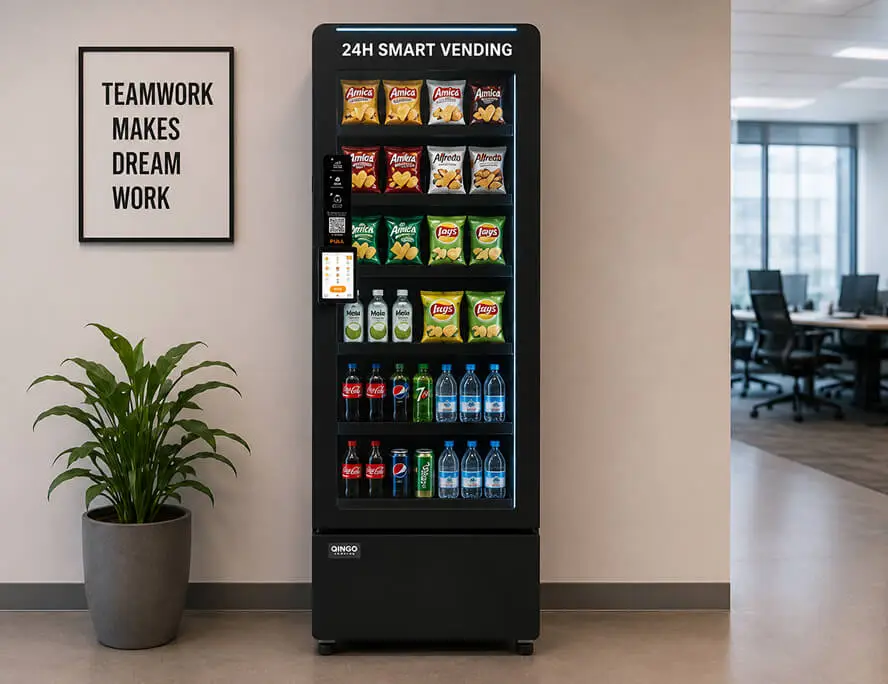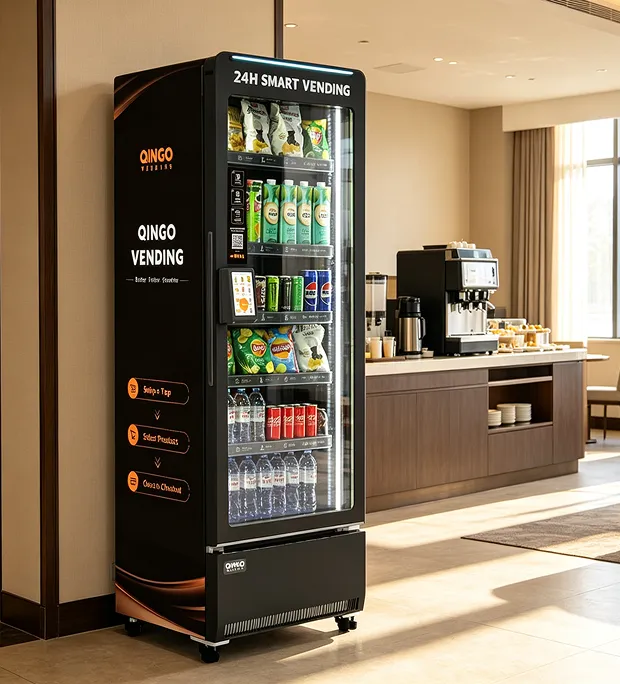
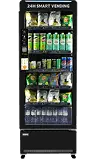
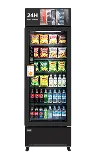
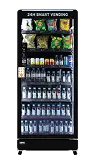
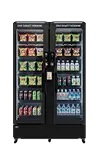
As a manufacturer who has spent years at the intersection of retail and automation, I have seen the vending industry undergo several transformations. However, none have been as significant as the shift toward the AI vending machine. For distributors today, the question is no longer whether to adopt AI, but how to select a system that guarantees a return on investment (ROI) in a competitive market.
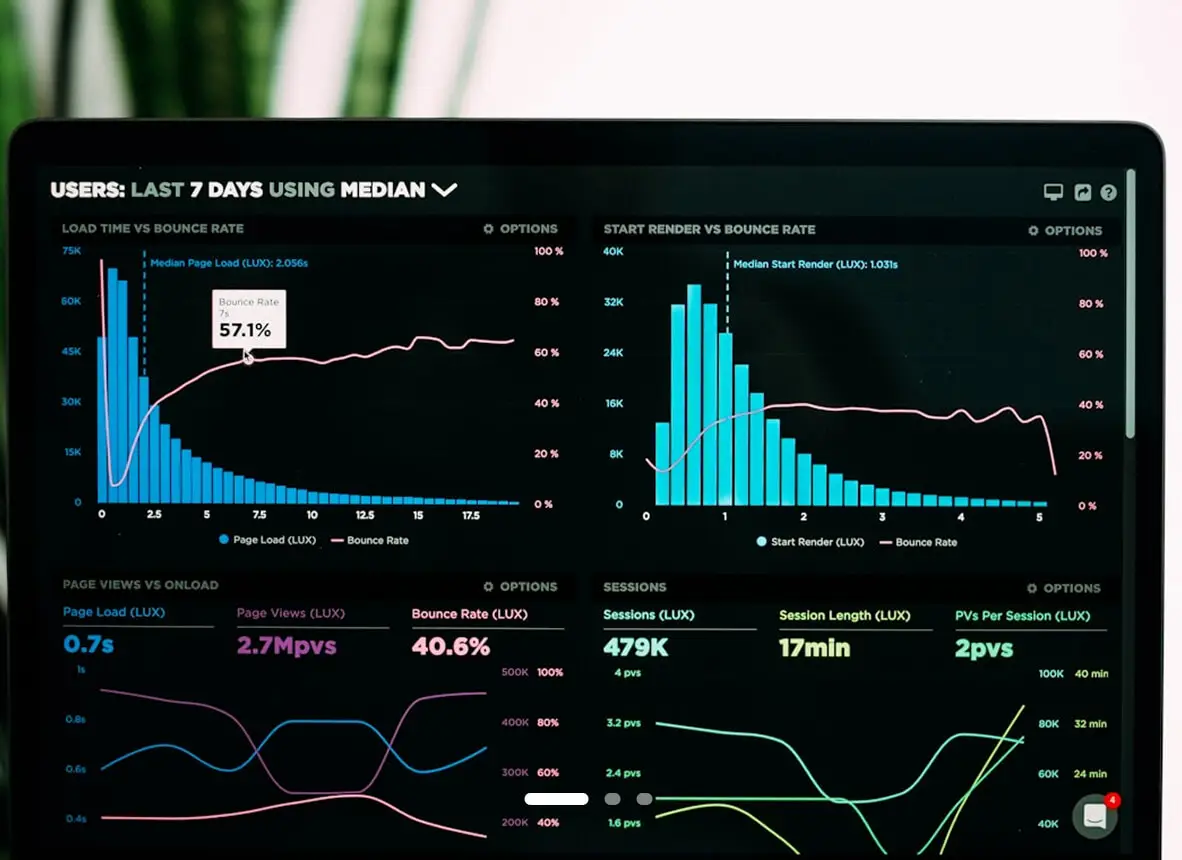
Traditional vending is often a game of thin margins and high labor costs. AI changes this equation. By integrating computer vision, machine learning, and real-time data analytics, these machines transition from “passive dispensers” to “active retail hubs.”
In this guide, I will share my perspective on what distributors must prioritize to ensure their AI investment translates into long-term profitability.
The Business Case: Why AI Vending is a Distributor’s Best Asset
From a business standpoint, the primary appeal of an AI vending machine isn’t just the “cool factor”—it’s the operational efficiency. For a distributor, the ROI is found in three specific areas:
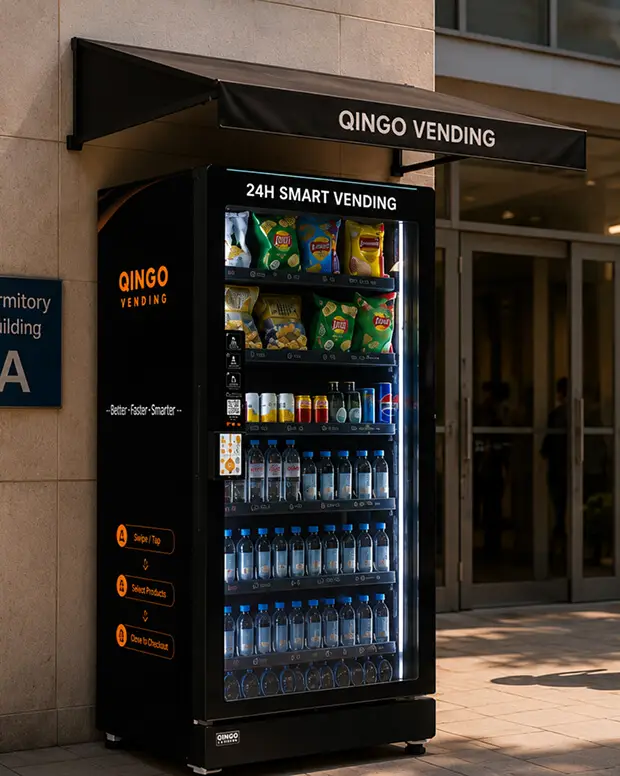
- Reduced Shrinkage and Theft: Unlike traditional coil machines that can be manipulated, AI-powered “Grab-and-Go” cabinets use weight sensors and computer vision to track exactly what is taken, charging the user automatically.
- Dynamic Inventory Management: AI systems analyze sales patterns to predict when a machine will run out of stock. This prevents “dry runs” and ensures your most profitable items are always available.
- Labor Optimization: With real-time monitoring, your route drivers only visit machines that actually need servicing, significantly cutting fuel and labor expenses.
AI vs. Traditional Vending: A Comparative ROI Analysis
Before investing, it is crucial to understand how AI technology shifts the financial landscape of your operations.
| Feature | Traditional Vending | AI Vending Machine | ROI Impact |
| Product Versatility | Restricted by coil size | Any shape/size (Glass, Fruit, Electronics) | Higher Average Transaction Value (ATV) |
| User Experience | Friction-heavy (Select code, pay, wait) | Frictionless (Swipe, Grab, Go) | 30-50% increase in sales volume |
| Inventory Tracking | Manual/Physical count | Real-time Digital Cloud Sync | 20% reduction in operational overhead |
| Maintenance | Reactive (Fix when broken) | Predictive (Alerts before failure) | Extended machine lifespan |
Key Buying Factors for Distributors
When evaluating AI vending solutions, you must look beyond the hardware. The “brain” of the machine is what determines your success.
1. Computer Vision Accuracy
The core of a modern AI vending machine is its ability to recognize products. Ask your manufacturer about their “Recognition Accuracy Rate.” High-end systems should exceed 99%. If the system fails to recognize a premium item, your margins disappear instantly.
2. Software Integration and Scalability
As a distributor, you aren’t managing one machine; you are managing a fleet. The backend software must provide a unified dashboard. Can it integrate with your existing ERP? Does it offer heat maps of user behavior? If the software isn’t scalable, the machine is just an expensive box.
3. Payment Versatility and Security
In the global market, your machine must support localized digital wallets, credit cards, and even biometric payments. Ensure the AI system is PCI-DSS compliant to protect both your business and your customers.
Cost Factors and Revenue Streams
While the initial capital expenditure (CAPEX) for an AI vending machine is higher than a traditional unit, the total cost of ownership (TCO) is often lower due to reduced operational costs.
- Premium Product Placement: AI machines allow you to sell high-margin goods (like electronics or high-end cosmetics) that would be damaged in a coil machine.
- Advertising Revenue: Most AI machines feature large touchscreens. I often advise distributors to sell digital ad space to brands, creating a secondary “passive” revenue stream that can cover the machine’s monthly cloud fees.
- Data Monetization: The consumer insights gathered by AI—what time people buy, what they pick up and put back—is incredibly valuable to brands. This data can be used to negotiate better wholesale pricing with your suppliers.
Selection Guide: Choosing the Right Manufacturer
In my experience, the biggest mistake a distributor can make is choosing a manufacturer based solely on the lowest price. For AI technology, you need a partner, not just a vendor.
- Technical Support: AI systems require firmware updates. Ensure your manufacturer offers robust remote technical support.
- Customization: Can the AI be trained to recognize your specific niche products?
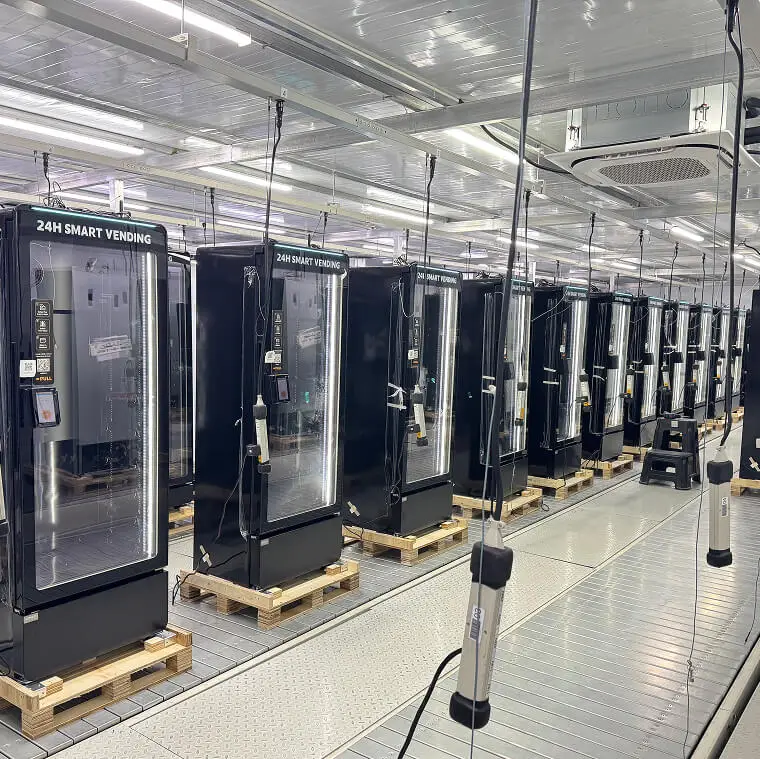
- Hardware Durability: AI components are sensitive. The housing must be industrial-grade to protect the sensors and cameras from temperature fluctuations and vandalism.
Conclusion
The transition to AI vending machines is a strategic move toward “Smart Retail.” For distributors, the goal is to create a frictionless experience for the consumer while maintaining a data-driven, low-cost backend. By focusing on computer vision accuracy, software scalability, and diverse revenue streams, you can ensure that your move into AI is not just a trend, but a highly profitable evolution of your business.
FAQ
How does an AI vending machine improve ROI compared to traditional models?
AI machines improve ROI by increasing sales through a frictionless “grab-and-go” experience, reducing labor costs through smart routing, and eliminating product loss via precise computer vision tracking. These factors typically lead to higher profit margins per unit.
What is the average payback period for an AI vending machine?
While it depends on the location and product mix, most distributors see a payback period of 12 to 18 months. The ability to sell higher-priced items and reduce service visits accelerates this process compared to traditional vending.
Does AI technology reduce maintenance costs?
Yes. AI systems utilize predictive analytics to alert operators of potential mechanical issues or cooling failures before they result in downtime. This shifts maintenance from an emergency expense to a planned, lower-cost activity.
What items are best suited for AI vending?
AI vending is ideal for high-value or fragile items that don’t work in coil machines, such as fresh salads, glass-bottled drinks, electronics, and premium beauty products. The “grab-and-go” nature encourages impulse buys of these premium goods.
How do AI vending machines handle security and theft?
AI machines use a combination of weight sensors and cameras to monitor inventory. Users must authenticate a payment method to open the door. Once the door closes, the system identifies what was removed and charges the user automatically, making theft significantly more difficult than in traditional machines.