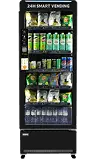
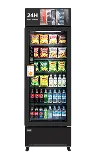
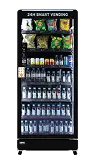
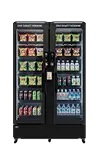
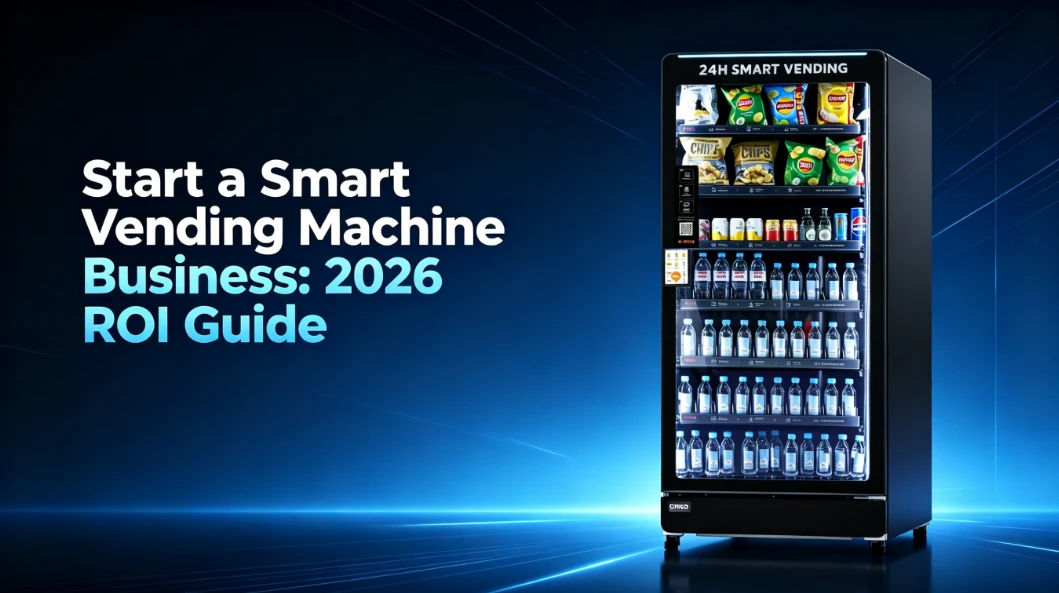
The automated retail industry is evolving rapidly. A modern smart vending machine business offers superior unit economics compared to traditional equipment. Cashless payments, real-time inventory tracking, and AI-driven analytics reduce operational friction. These technologies increase average transaction values while lowering routine labor costs.
If you plan to launch a smart vending machine project, you need reliable data. The Asia-Pacific and North American markets display rapid growth. Analysts project the global smart vending market to grow significantly, with estimates exceeding $11 billion by 2035. However, business success requires more than just buying a machine. You must master location selection, inventory management, and financial planning.
Evaluating the Business Opportunity
Why do successful operators prefer smart technology? Intelligent machines directly impact your bottom line. They eliminate physical coin jams and capture lost sales through reliable cashless card readers. Modern systems allow consumers to browse items digitally or handle products before purchasing, which consistently boosts multi-item sales.
A standard vending operation targets a 15% to 25% net profit margin. While a basic location might net $80 to $160 per month, premium locations generate significantly more. High-traffic transit hubs, large office complexes, and luxury apartment buildings often yield $300 to $600 in monthly net profit per machine.
True Startup Costs for Your Project
Entrepreneurs must understand capital requirements before starting. For a single machine, total startup costs generally range from $3,000 to $10,000. Your exact budget depends on the specific machine model, software features, and initial inventory load.
Here is a realistic cost breakdown for a new installation:
| Expense Category | Estimated Cost Range |
| Machine Hardware | $2,500 – $7,000 |
| Card Reader & Software Setup | $200 – $500 |
| Initial Inventory Load | $300 – $600 |
| Delivery & Installation | $150 – $400 |
| Licenses & Insurance | $100 – $300 |
Read More About Smart Vending Machine Cost
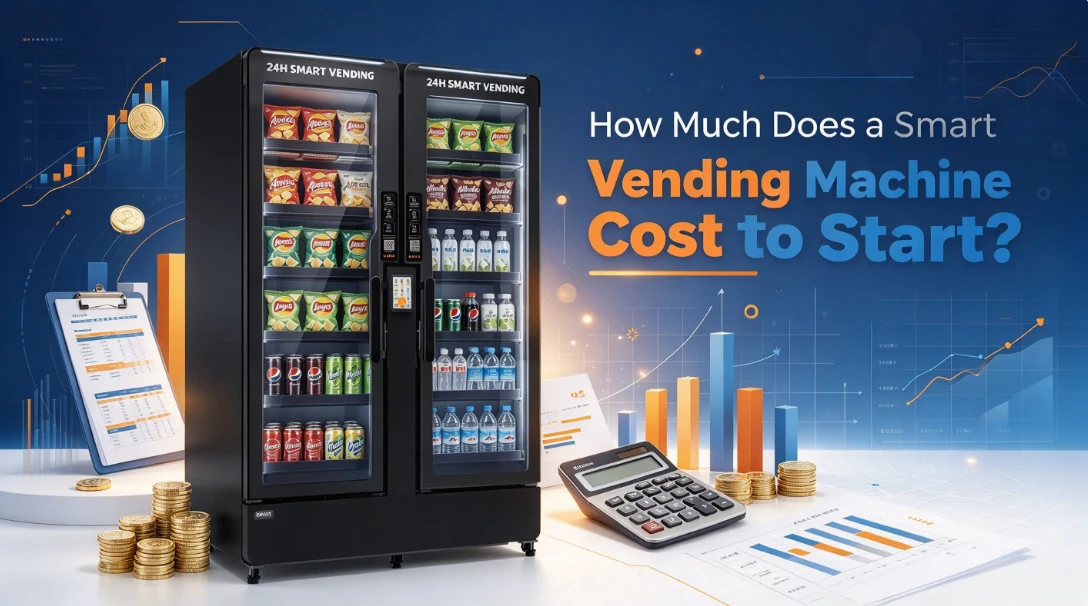
How Much Does a Smart Vending Machine Cost to Start?
While you face higher initial hardware costs, smart machines lower your long-term expenses. Cloud-connected software alerts you exactly when stock runs low. You no longer waste fuel visiting fully stocked machines. This remote management capability dramatically improves your daily operational efficiency.
Location and Product Strategy
Securing High-Traffic Locations
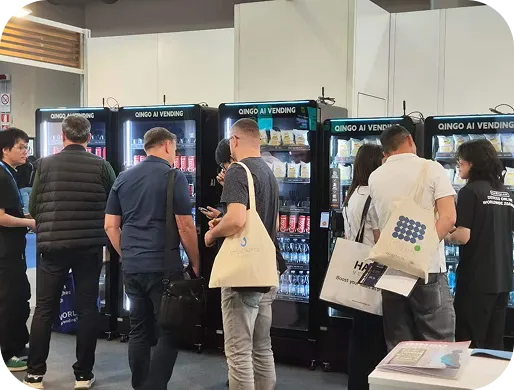
Choosing the right location determines your success. Even the most advanced AI cooler fails without adequate foot traffic. You need locations with captive audiences or high daily transit volumes.
Consider these ideal scenarios for your placements:
- Large apartment complexes (200+ units)
- Manufacturing plants with multiple shifts
- Corporate offices prioritizing employee wellness
- Hospitals and active university campuses
Read More About Find the Best Vending Machine Locations
How to Find the Best Vending Machine Locations?
When negotiating with property managers, highlight the premium customer experience. Smart machines look modern and process digital payments seamlessly. Property owners prefer sleek, reliable equipment over outdated metal boxes. Offer a 5% to 10% revenue share commission to secure prime placements.
Data-Driven Product Selection
Your inventory dictates your profit margins. Traditional operators rely on low-margin snacks and sodas. Smart machines empower you to sell high-margin specialty items. You can stock fresh food, expensive electronics, protein shakes, or premium beauty products safely.
Match your product catalog to the specific location demographic. Gyms require energy drinks and protein bars. Corporate offices need quick lunch options and premium coffee. Use your machine’s cloud analytics dashboard to identify slow-moving items and swap them out quickly.
Realistic ROI and Profit Margins
How many machines do you need to earn a substantial income? Most traditional operators need 15 to 30 machines to reach $100,000 in annual net profit. However, advanced smart vending technology allows you to hit this financial milestone much faster.
If you secure premium locations, you can achieve a six-figure net income with just 8 to 12 smart machines. A high-performing smart cooler easily generates over $1,000 in monthly gross revenue. After deducting inventory costs, merchant fees, and rent, your net profit scales rapidly.
You must monitor the sell-through rate of your inventory constantly. Fast inventory turnover prevents food spoilage and frees up cash flow. By leveraging digital screens for dynamic pricing, you can discount expiring items automatically, protecting your bottom line.
Next Steps for Your Smart Vending Journey
Launching a smart vending machine business creates an excellent opportunity for scalable income. The initial hardware investment pays dividends through higher sales volume and reduced maintenance trips. By focusing on data-driven product selection and prime locations, you build a sustainable enterprise.
Start small with one or two high-quality machines. Validate your location, analyze local market demands, and master the software dashboard. Once you prove the business concept, you can confidently scale your route and dominate your local automated retail market.
FAQ
- What is a good profit margin for a vending machine business?
A healthy net profit margin typically ranges between 15% and 25%. This accounts for inventory costs, location commissions, payment processing fees, and routine maintenance. - How much does a smart vending machine project cost to start?
A single smart machine requires an initial investment of $3,000 to $10,000. This budget covers the machine hardware, delivery fees, your first batch of inventory, and necessary business licenses. - Can smart vending machines track inventory remotely?
Yes, modern machines use cloud-connected software to monitor stock levels in real-time. This technology eliminates unnecessary service trips and prevents out-of-stock scenarios. - Which locations generate the most revenue?
High-traffic environments with captive audiences perform best. Manufacturing plants, hospitals, university campuses, and large apartment buildings consistently generate the highest monthly sales. - Does cashless payment increase vending machine sales?
Cashless payment options significantly boost revenue. Consumers tend to buy multiple items when using credit cards or mobile wallets, leading to higher average transaction values.
Reference Sources
Smart Vending Machine Market Size, Share & Demand 2035 – Market Research Future
Vending Route Valuation: How to Value & Sell a Route (2026)
How to Start a Vending Machine Business in 2026: Costs & Steps