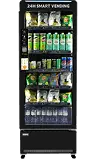
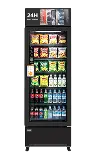
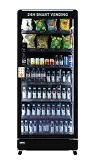
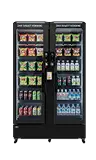
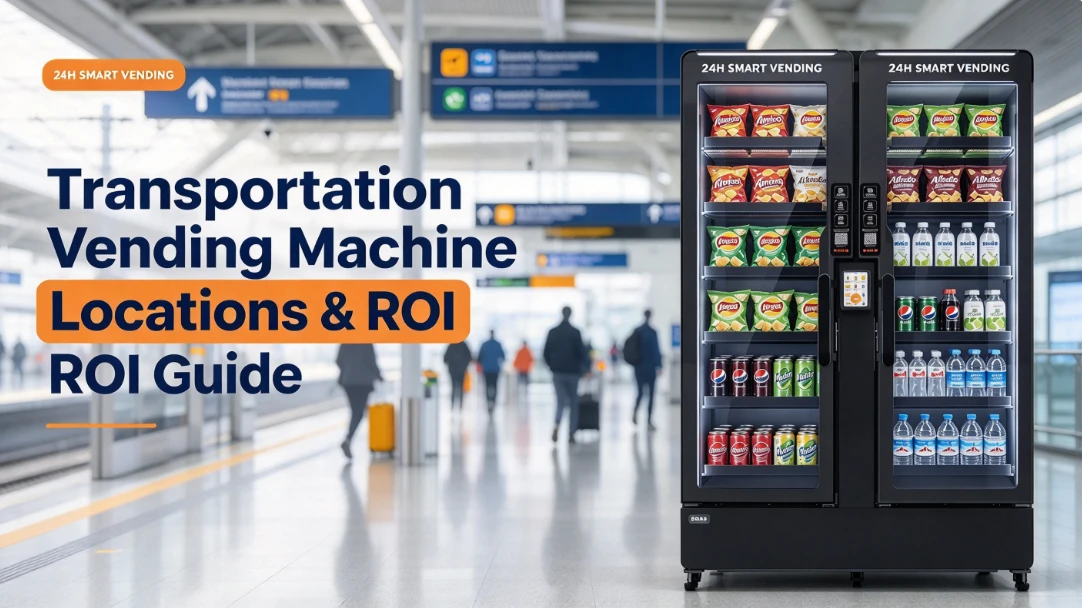
The global vending machine market expects to reach $27.3 billion by 2035. Transportation hubs remain one of the fastest-growing segments within this industry. Travelers need around-the-clock access to food, beverages, and travel essentials.
Unlike standard office buildings, transit centers offer a captive audience. Passengers often experience delays and have limited access to traditional stores. A strategically placed transportation vending machine captures these impulsive, convenience-driven purchases.
However, success requires matching the right machine configuration with the specific venue demographics. Operators must analyze foot traffic volume versus actual dwell time to predict revenue accurately.
Revenue Factors by Hub Type
Different transportation settings require unique product mixes and placement strategies to maximize revenue. You must evaluate the target demographics of each facility.
Airport Deployments
Airports provide the highest revenue potential per square foot. Passengers endure long security lines and extended wait times. This environment creates a captive audience willing to pay premium prices for convenience.
- Target Spots: Baggage claim areas, international departure gates, and rental car centers.
- Product Strategy: Premium electronics, healthy meals, travel accessories, and specialty coffee.
- Revenue Potential: High. Passengers exhibit high price tolerance during travel delays.
Train Station Placements
Train stations feature heavy, fast-paced commuter traffic. Dwell times are shorter than at airports, but the frequency of daily visitors remains incredibly high.
- Target Spots: Platform entrances, main ticketing halls, and transfer corridors.
- Product Strategy: Grab-and-go energy drinks, fresh sandwiches, and quick snacks.
- Revenue Potential: Medium-High. Revenue relies on high transaction volumes rather than premium pricing.
Bus Terminal Locations
Bus stations cater to budget-conscious travelers and regional commuters. While foot traffic is consistent, operators must adjust pricing strategies to match the demographic.
- Target Spots: Main waiting areas and driver break rooms.
- Product Strategy: Value-priced beverages, hearty snacks, and basic hygiene items.
- Revenue Potential: Medium. Consistent sales volume offset the lower profit margins per item.
Cost Factors and Variables
Placing a transportation vending machine involves distinct cost structures depending on the facility type. Operators must calculate these expenses before signing a contract.
- Venue Rent and Commissions
Transit authorities usually demand high commission rates. Airports often take up to 40% of gross sales or require a steep monthly minimum rent. Train and bus stations typically negotiate lower commission rates ranging from 15% to 25%.
- Installation and Security Costs
Airports require strict security clearances for operators and equipment. You will spend more money and time on background checks and TSA-compliant restocking procedures. Bus and train stations generally have simpler, more cost-effective access protocols.
Operational Considerations
Running a successful route requires efficient logistics. High-traffic locations deplete inventory rapidly. You need smart technology to prevent stockouts and mechanical downtime.
Modern transportation vending machine locations require cashless payment systems and remote inventory tracking. Over 80% of new machines now feature cashless readers, which speed up transactions for rushed travelers.
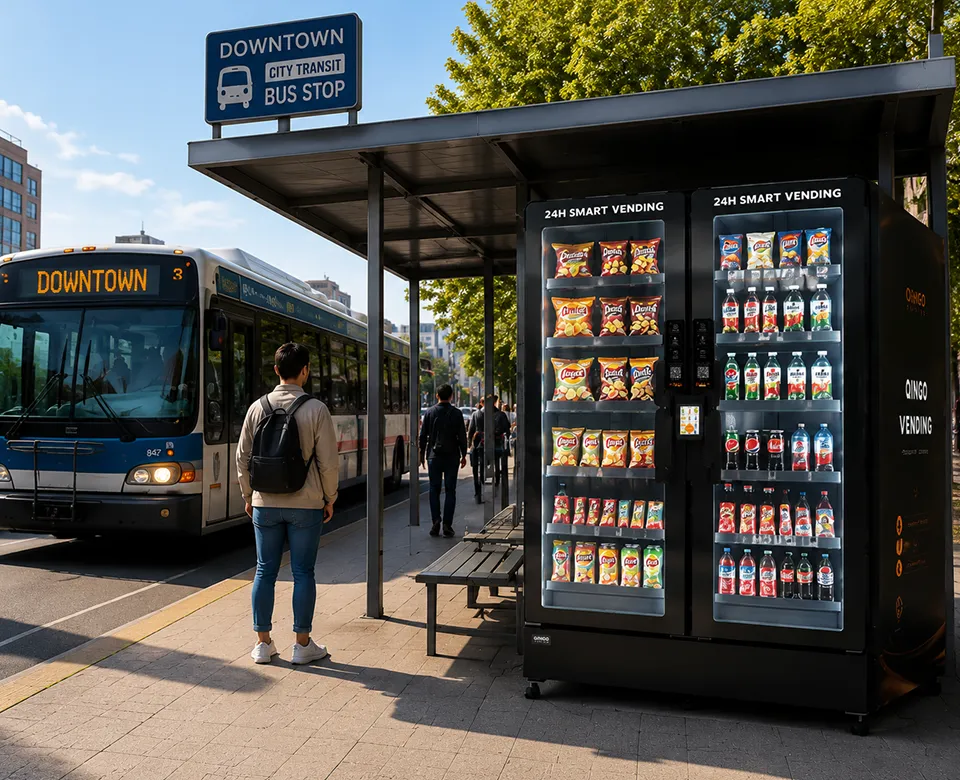
Operators must also consider vandalism risks. Bus terminals and open train platforms require machines with reinforced security glass and anti-theft drop sensors. Airports, being highly secure, present fewer vandalism threats.
ROI Analysis and Comparison
To simplify your investment decision, we compared the core business metrics across the three main transportation scenarios.
| Feature | Airports | Train Stations | Bus Terminals |
| Foot Traffic | High | Very High | Medium |
| Average Dwell Time | 60+ Minutes | 10-20 Minutes | 15-30 Minutes |
| Price Tolerance | Premium | Moderate | Budget |
| Space Rent/Commission | Very High (30-40%) | Medium (15-25%) | Low (10-15%) |
| Restocking Complexity | High (Security checks) | Moderate (Crowds) | Low (Easy access) |
| Estimated ROI Timeline | 12 – 18 Months | 9 – 14 Months | 10 – 16 Months |
Conclusion
Securing profitable transportation vending machine locations requires a strategic approach to venue selection. Airports offer high margins but demand high operating costs. Train stations provide massive volume, while bus terminals offer stable entry points.
Assess your logistical capabilities before bidding on a contract. Choose reliable, smart machines that handle high-volume transactions to ensure your automated retail business thrives in any transit environment.
Read More About Transportation Vending Machine
https://qingo.com/resources/what-is-vending-machines-for-public-transport-stations/
FAQ
- What makes a transportation vending machine location profitable?
High passenger dwell time and low local retail competition make these locations profitable. Captive audiences waiting for flights or trains rely on automated machines for quick purchases. - How much rent do airports charge for vending machines?
Airports typically charge premium rent, often demanding 30% to 40% of gross revenue. Some authorities may also require a fixed monthly minimum payment regardless of actual sales volume. - Are train station vending machines a good investment?
Yes, train stations offer excellent investment returns due to massive daily commuter traffic. Operators achieve high revenue through sheer transaction volume rather than premium pricing. - What products sell best in bus terminal vending machines?
Value-priced snacks, energy drinks, and bottled water perform best in bus terminals. Commuters in these locations prioritize affordable, filling food options over premium specialty items. - How do security rules affect airport vending operations?
Strict security protocols increase restocking times and operational costs. Operators must pass background checks and transport goods through designated security checkpoints during specific hours.