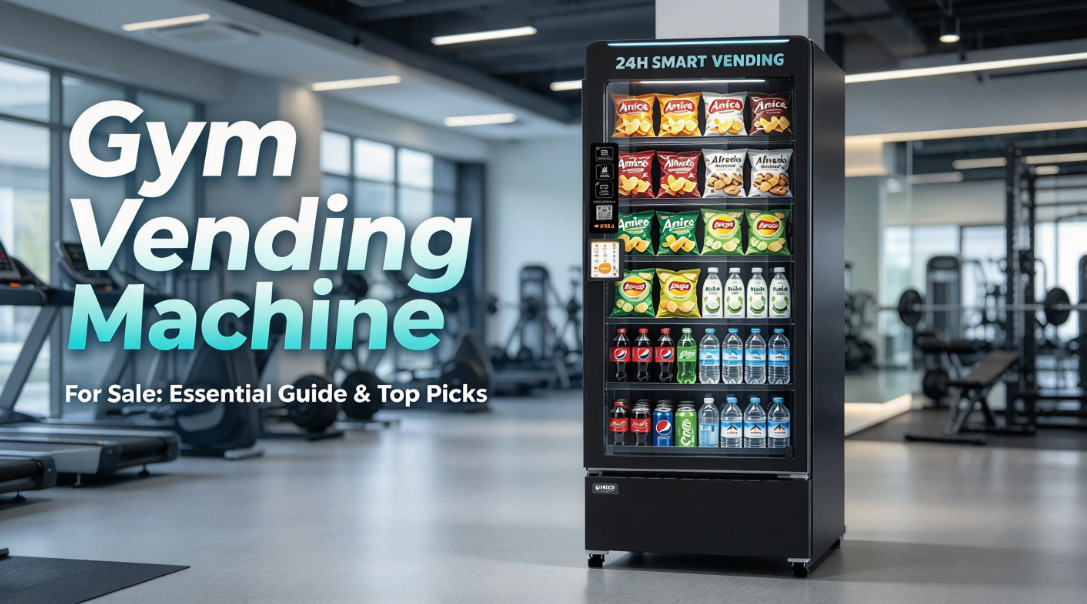
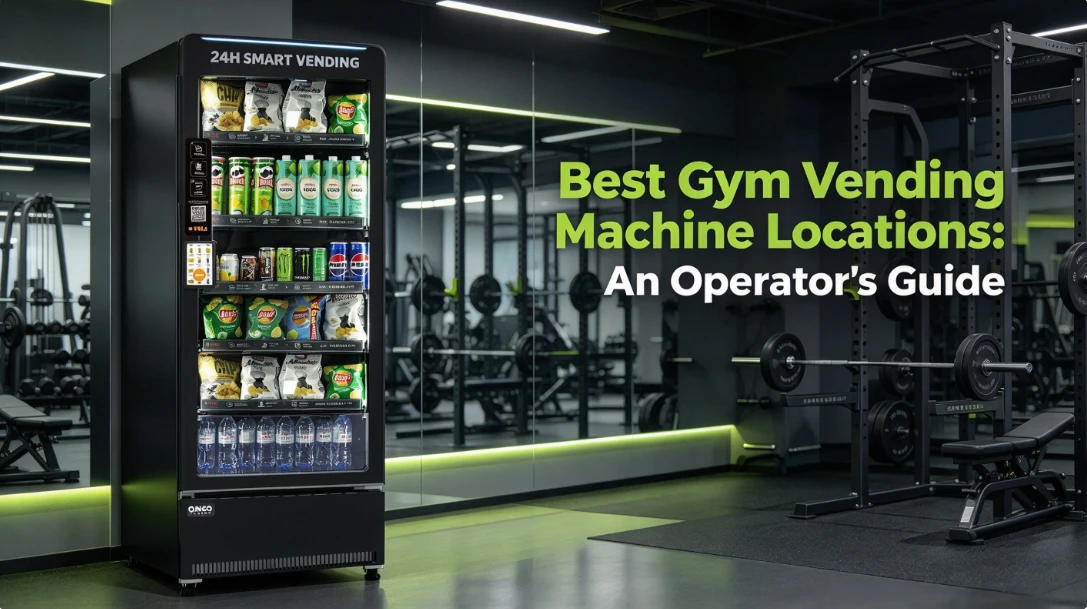
A gym environment provides a captive, fitness-focused audience primed to buy hydration and recovery products. However, merely placing a machine inside a fitness center does not guarantee sales. Revenue performance relies heavily on internal placement.
The exact same smart vending machine can generate vastly different monthly revenues depending on where it sits inside the facility. For vending operators, understanding how members move through a club is critical. You must evaluate foot traffic patterns, dwell time, and facility infrastructure before committing to a spot.
What Makes a Gym Vending Location Profitable?
Before choosing specific gym vending machine locations, operators must analyze the facility’s underlying metrics. Not all gyms can support a profitable smart retail setup.
- Daily Member Volume: A facility needs enough active members to generate consistent daily foot traffic. Operators generally look for locations where 80 to 100 people clear the door daily to sustain profitable sales.
- Peak-Hour Concentration: Unlike offices with steady all-day grazing, gym traffic happens in surges. The typical club pattern sees an early-morning rush (5:00 AM to 8:00 AM), a lunchtime bump, and a massive evening peak from 4:00 PM to 7:00 PM.
- Customer Dwell Time: Traffic that moves too quickly converts poorly. Areas where members pause, wait, or cool down create the browsing moments necessary for impulse purchases.
- Seasonality Fluctuations: Gym traffic changes throughout the year. Industry data indicates that fitness visits in January 2025 were 21.2% higher than in December 2024. Locations must accommodate higher stock rotations during these seasonal spikes.
Top Recommended Gym Vending Machine Locations
Once you verify the facility’s metrics and infrastructure, you can pinpoint the exact placement. Here are the best spots to position a machine, ranked by conversion potential.
1. The Main Entrance and Lobby Area
- Overview: The primary entry and exit point for all gym members.
- Key Features: Maximum visibility and natural traffic flow.
- Suitable Scenario: Large health clubs with open lobby spaces.
- Advantages: This spot captures members at both critical purchasing moments. They arrive needing pre-workout fuel and leave needing protein or hydration.
- Limitations: Space can be tight. The machine must never obstruct the main walkway or the front check-in desk.
2. Outside the Locker Rooms
- Overview: The transition zone where members prepare for or recover from their workout.
- Key Features: High dwell time and natural pause points.
- Suitable Scenario: Mid-sized to large gyms with dedicated changing facilities.
- Advantages: Members frequently linger here. After a heavy session, the immediate visual trigger of cold water outside the locker room drives high conversion rates.
- Limitations: Operators must ensure the machine sits far enough from wet areas to avoid moisture damage or electrical hazards.
3. Lounge or Waiting Areas
- Overview: Social zones where members relax, stretch, or wait for fitness classes to begin.
- Key Features: Maximum dwell time and relaxed browsing behavior.
- Suitable Scenario: Premium fitness centers or studio chains with designated seating.
- Advantages: This environment encourages longer product browsing. Members are more likely to read nutritional labels and purchase premium health snacks.
- Limitations: Foot traffic volume is lower than the main entrance, relying entirely on capture rate rather than raw exposure.
4. Adjacent to Cardio and Weight Zones
- Overview: Peripheral areas directly bordering the main workout floor.
- Key Features: Immediate access during mid-workout fatigue.
- Suitable Scenario: Massive 24-hour fitness centers with distinct workout zones.
- Advantages: Members who forget their water bottles will pay for immediate mid-workout hydration without walking back to the lobby.
- Limitations: Finding a spot with a power outlet that does not disrupt exercise equipment placement can be highly challenging.
Summary
Selecting profitable gym vending machine locations requires balancing visibility, traffic flow, and technical requirements. Operators should prioritize spots that intersect with natural member behaviors. By positioning machines where members naturally pause, operators can turn routine gym visits into consistent daily revenue.
FAQ
- What is the minimum foot traffic needed for a gym vending machine?
Operators generally look for gyms with at least 80 to 100 daily visitors to ensure consistent sales volume and inventory turnover. - What are the peak selling times for gym vending machines?
Sales typically surge during the early morning rush (5:00 AM to 8:00 AM) and the evening post-work peak (4:00 PM to 7:00 PM). - Do smart vending machines need internet access in a gym?
Yes. Smart machines require cellular service or Wi-Fi to process cashless payments and run inventory management software efficiently. - Why is locker room proximity a good vending location?
The area outside locker rooms offers high dwell time. Members naturally pause here, increasing the likelihood of post-workout impulse purchases. - Can I place a vending machine directly on the gym floor?
You should avoid placing machines directly on the workout floor. They can obstruct equipment, block pathways, and pose safety risks during exercise.