
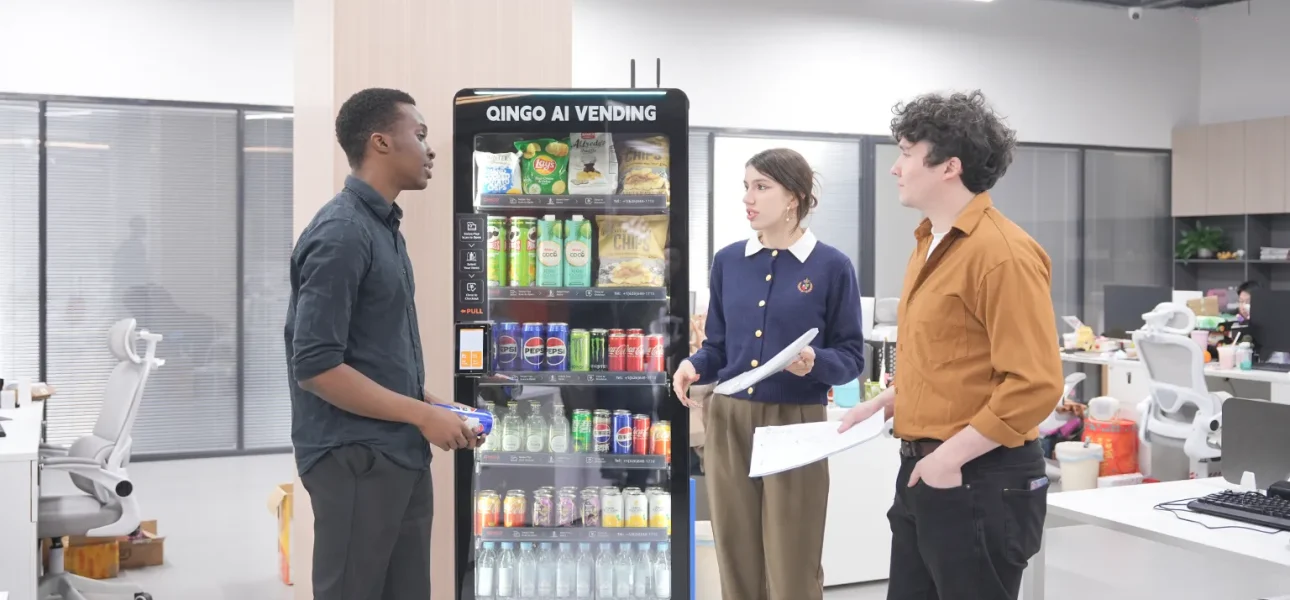
One of the most frustrating situations for smart vending operators isn’t having no traffic, but rather having users open the door, look inside, and leave empty-handed. This scenario is deceptive. It suggests demand, yet orders remain flat. The core issue isn’t a lack of interest; it’s a failure to convert interest into action within the few seconds the door is open. And more often than not, this comes down to product mix and display logic.
The Myth of “More Is Better”
A common mistake new operators make is assuming that filling a cabinet with as many SKUs as possible will increase sales. But smart vending isn’t like a supermarket. Supermarkets are for browsing; smart cabinets are for instant decisions.
In high-traffic, time-sensitive environments like schools, factories, hospitals, or office buildings, users don’t want endless choices. They want:
- Something familiar
- A clear decision path
- Zero friction
A full cabinet doesn’t mean a high-converting cabinet. If the products aren’t organized with purchase behavior in mind, you’re just showcasing inventory, not driving sales.
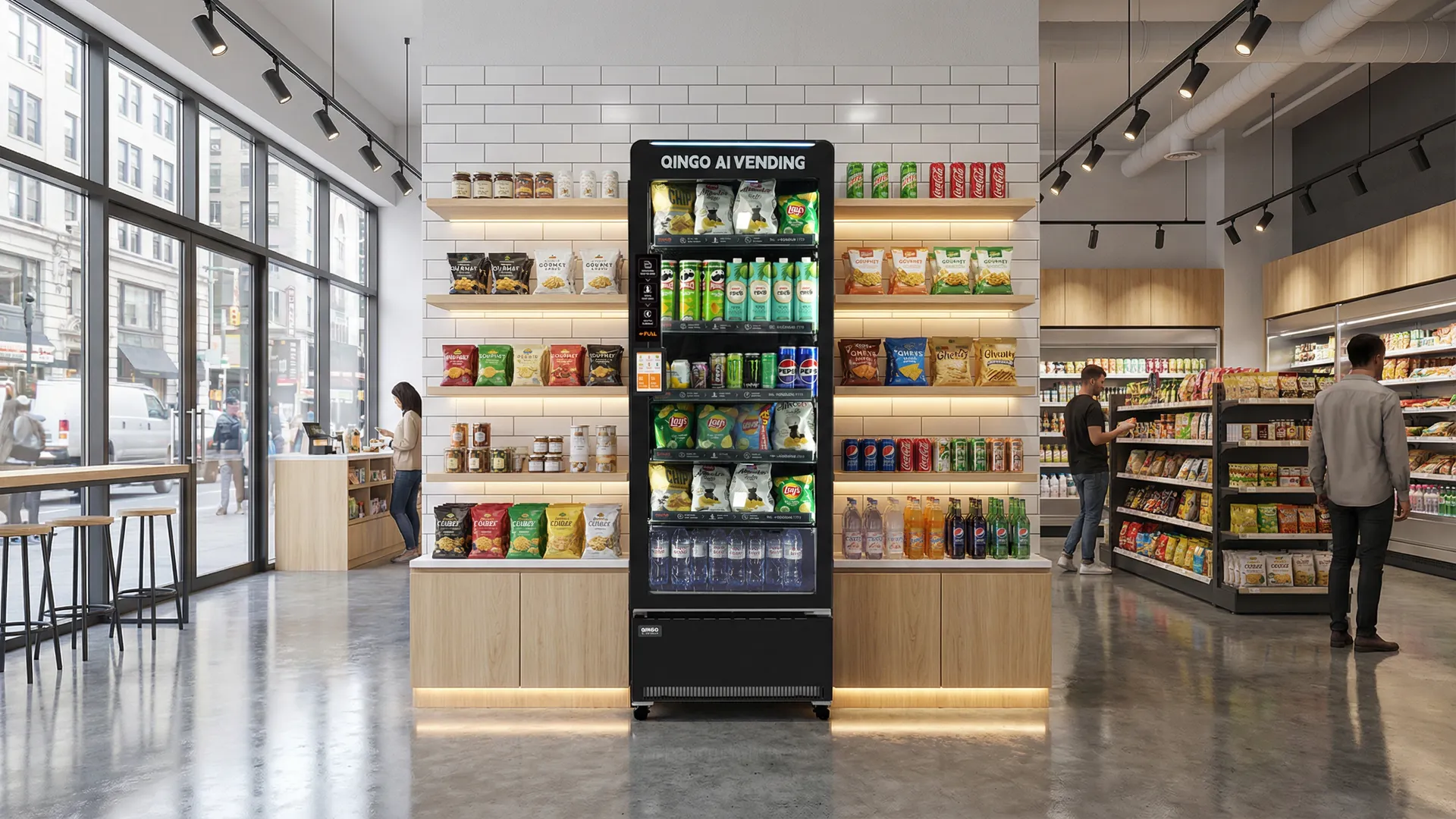
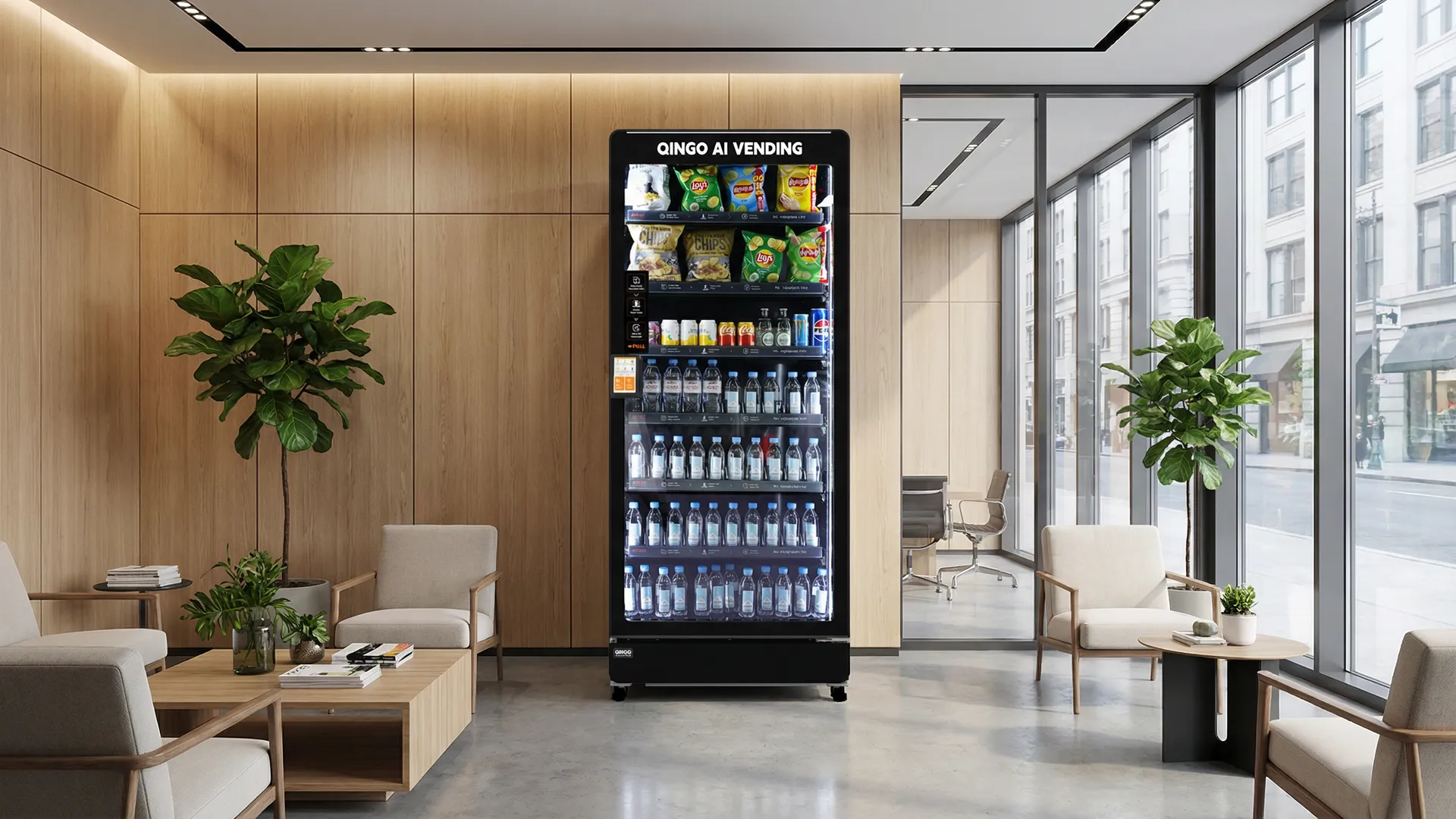
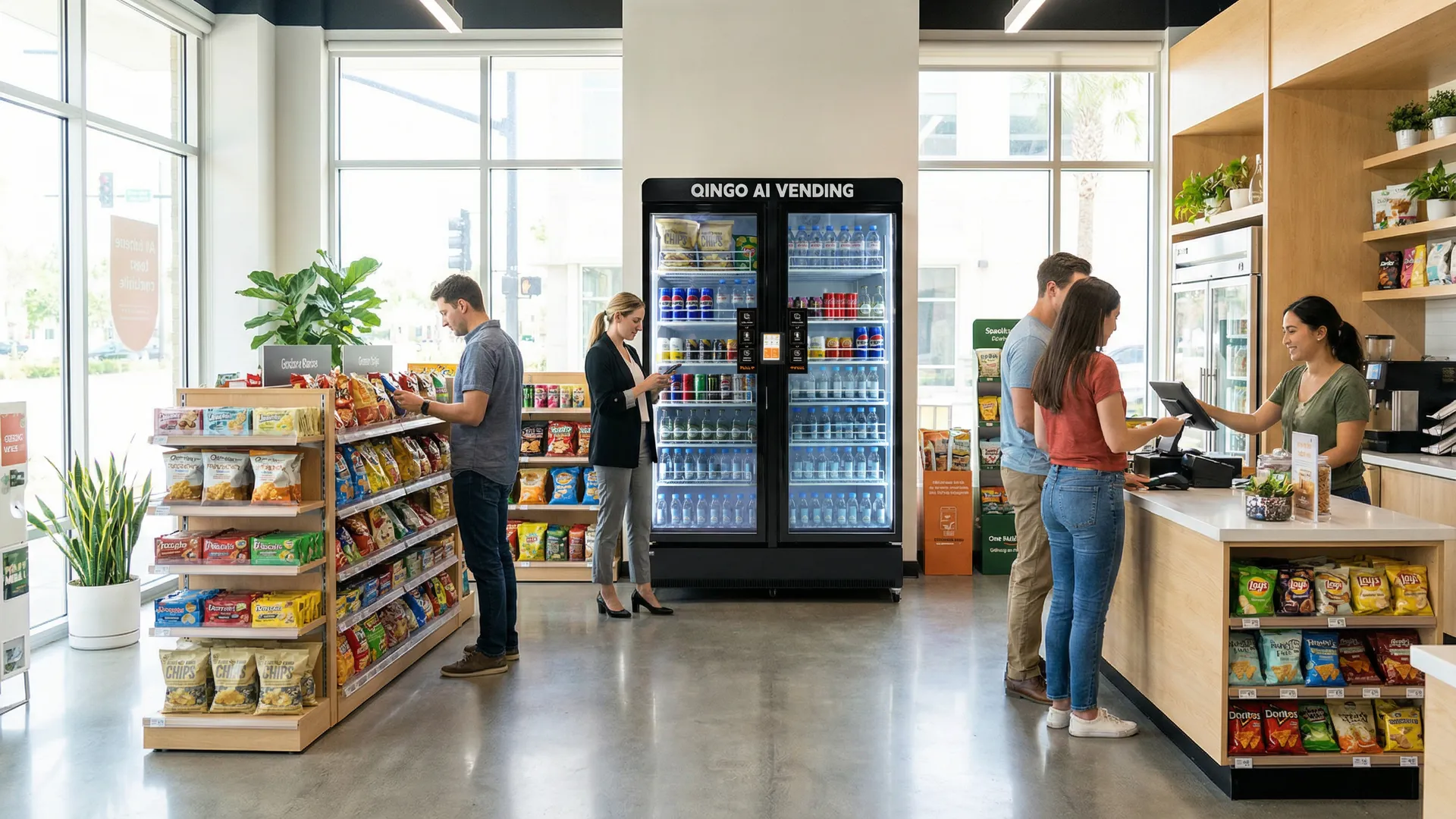
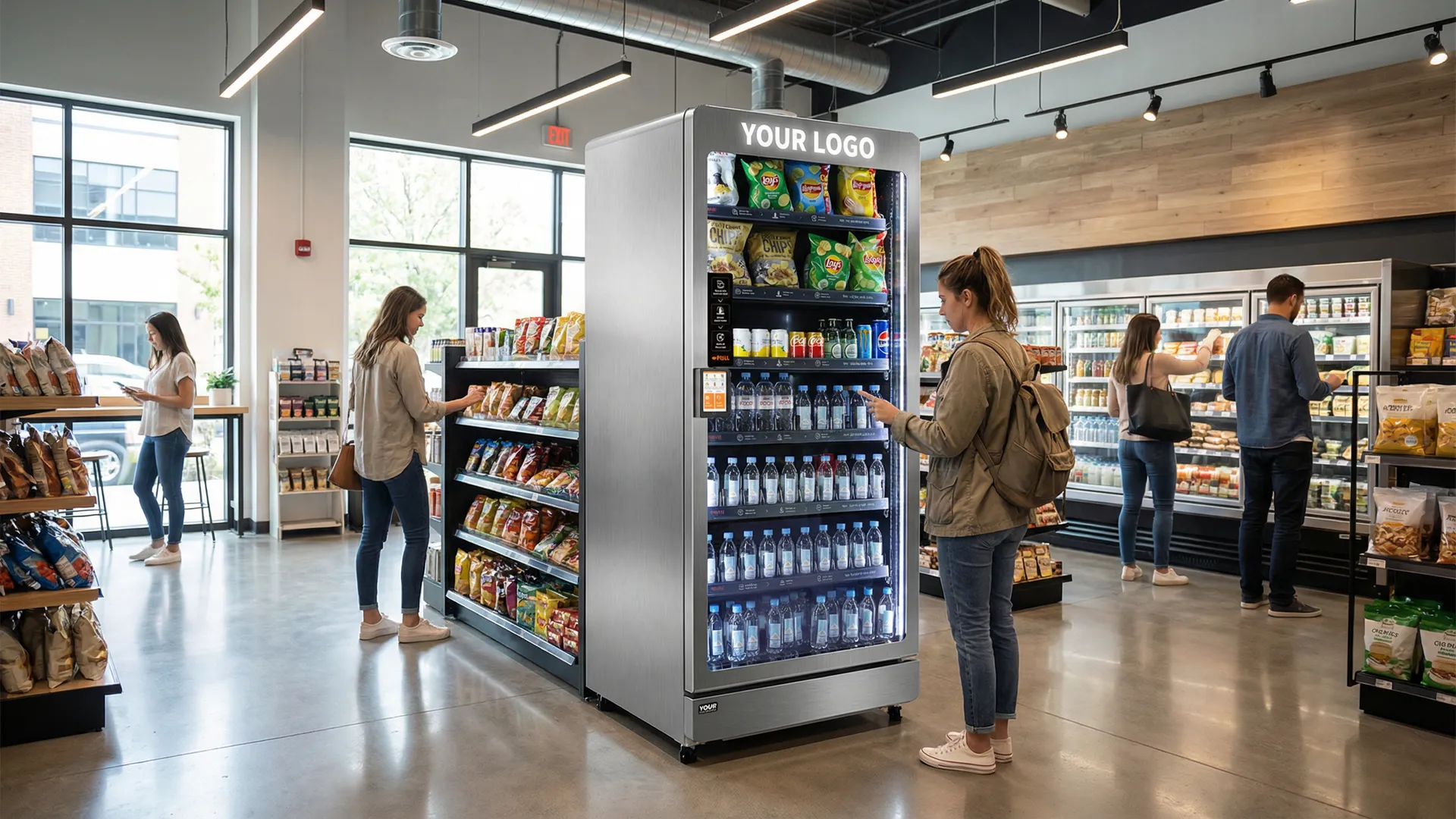
Why Users Open and Walk Away: 4 Common Mistakes
1. Scattered Product Mix
Cramming drinks, snacks, tissues, and novelty items together creates visual noise. Users don’t see variety; they see chaos. Without a clear focus, they hesitate and close the door.
Cramming drinks, snacks, tissues, and novelty items together creates visual noise. Users don’t see variety; they see chaos. Without a clear focus, they hesitate and close the door.
2. Buried Bestsellers
Even if you stock the right products, poor placement kills conversion. Water on the bottom shelf, zero-sugar tea tucked in the corner, or Coke scattered among new brands forces users to search. And when people have to search, they often quit.
Even if you stock the right products, poor placement kills conversion. Water on the bottom shelf, zero-sugar tea tucked in the corner, or Coke scattered among new brands forces users to search. And when people have to search, they often quit.
3. Prime Real Estate Wasted on Experiments
Many operators place unproven new products at eye level, hoping to drive trial. But smart vending runs on high-certainty purchases, not curiosity. If your most visible items require explanation, you’re slowing down decisions.
Many operators place unproven new products at eye level, hoping to drive trial. But smart vending runs on high-certainty purchases, not curiosity. If your most visible items require explanation, you’re slowing down decisions.
4. No Clear Purchase Signal
Without obvious price anchors or logical grouping, users face decision paralysis. In a smart cabinet, hesitation is the enemy. A few seconds of uncertainty often leads to no purchase at all.
Without obvious price anchors or logical grouping, users face decision paralysis. In a smart cabinet, hesitation is the enemy. A few seconds of uncertainty often leads to no purchase at all.
The 3-Tier Product Framework That Works
At Qingo LLC, we’ve seen that high-performing smart cabinets don’t rely on complexity. They rely on clarity. We recommend structuring your product mix into three strategic layers:
Tier 1: Core Movers
These are your volume drivers. They’re familiar, low-effort, and universally needed. Examples: water, zero-sugar tea, Coke, basic snacks. Their job isn’t high margin; it’s to ensure that most people who open the door find something they can buy instantly.
These are your volume drivers. They’re familiar, low-effort, and universally needed. Examples: water, zero-sugar tea, Coke, basic snacks. Their job isn’t high margin; it’s to ensure that most people who open the door find something they can buy instantly.
Tier 2: Profit Builders
These items lift your margin without sacrificing conversion. Think: energy drinks, coffee, nuts, premium snacks, or emergency-use products. They serve users with specific needs while boosting overall profitability.
These items lift your margin without sacrificing conversion. Think: energy drinks, coffee, nuts, premium snacks, or emergency-use products. They serve users with specific needs while boosting overall profitability.
Tier 3: Test & Learn
Innovation matters, but it should be controlled. Reserve a small portion of your cabinet for new brands, seasonal items, or location-specific products. Use this layer to gather data, not to disrupt your core flow.
Innovation matters, but it should be controlled. Reserve a small portion of your cabinet for new brands, seasonal items, or location-specific products. Use this layer to gather data, not to disrupt your core flow.
Optimization Starts With Simplicity
If you’re looking to improve conversion today, start here:
- Group your bestsellers. Don’t scatter them. Make them easy to spot and grab.
- Put high-certainty items in prime spots. Eye level should be reserved for what sells, not what’s new.
- Cut dead weight. If a product sits for weeks, it’s not just unsold; it’s blocking revenue.
Smart vending isn’t about showcasing a catalog. It’s about using limited space to maximize decision speed.
One More Thing: Context Changes Everything
The “right” product mix depends on where your cabinet lives:
- Schools: Focus on thirst and quick satisfaction. Keep it simple and affordable.
- Factories: Prioritize energy, flavor, and sustenance. Think energy drinks, salty snacks, and quick fuel.
- Hospitals: Speed and reliability win. Patients and families want what’s fast and familiar.
- Offices: Lean into wellness and routine. Sugar-free drinks, coffee, and afternoon treats perform well.
At Qingo LLC, we don’t just build smart cabinets; we help operators think like retailers. Because the hardware is only half the solution. The other half is making sure that when the door opens, the answer is obvious.
QUICK ENQUIRY
·
QUICK ENQUIRY
·
QUICK ENQUIRY
·
QUICK ENQUIRY
·
QUICK ENQUIRY
·
QUICK ENQUIRY
·
QUICK ENQUIRY
·
QUICK ENQUIRY
·
QUICK ENQUIRY
·
QUICK ENQUIRY
·