
Introduction: The Great Vending Machine Pricing Dilemma
One of the most common questions we hear from new vending machine operators is: “How much should I charge?”
It’s a critical question, and many fall into one of two traps. Some believe the key is to undercut everyone else: “I’ll just sell for less and make it up in volume.” Others take the opposite approach: “People are paying for convenience, so I can charge a premium.”
While both ideas have a grain of truth, relying on either extreme is a recipe for trouble. Vending machine pricing isn’t a simple game of “lowest price wins” or “highest margin wins.” It’s a strategic balancing act that directly impacts your sales volume, profit margins, customer loyalty, and even your relationship with the location owner.
In this guide, we’ll break down the science and art of vending machine pricing to help you find that perfect sweet spot.
The Core Principle: It’s All About Balance
Let’s start with the most important rule: The goal of vending machine pricing is not to be the cheapest or the most expensive. It’s to find the optimal balance between customer acceptance and business profitability.
Think about it. If you focus only on the customer and slash prices, you might see a lot of sales, but your profit margins will be razor-thin. After accounting for product costs, location commissions, electricity, and maintenance, you might find you’re working for free.
Conversely, if you focus only on profit and set your prices too high, you’ll quickly see sales slow down. Customers will hesitate, and repeat purchases will drop. The location manager might even start receiving complaints, putting your entire contract at risk.
The key is to avoid extremes and find a sustainable balance.
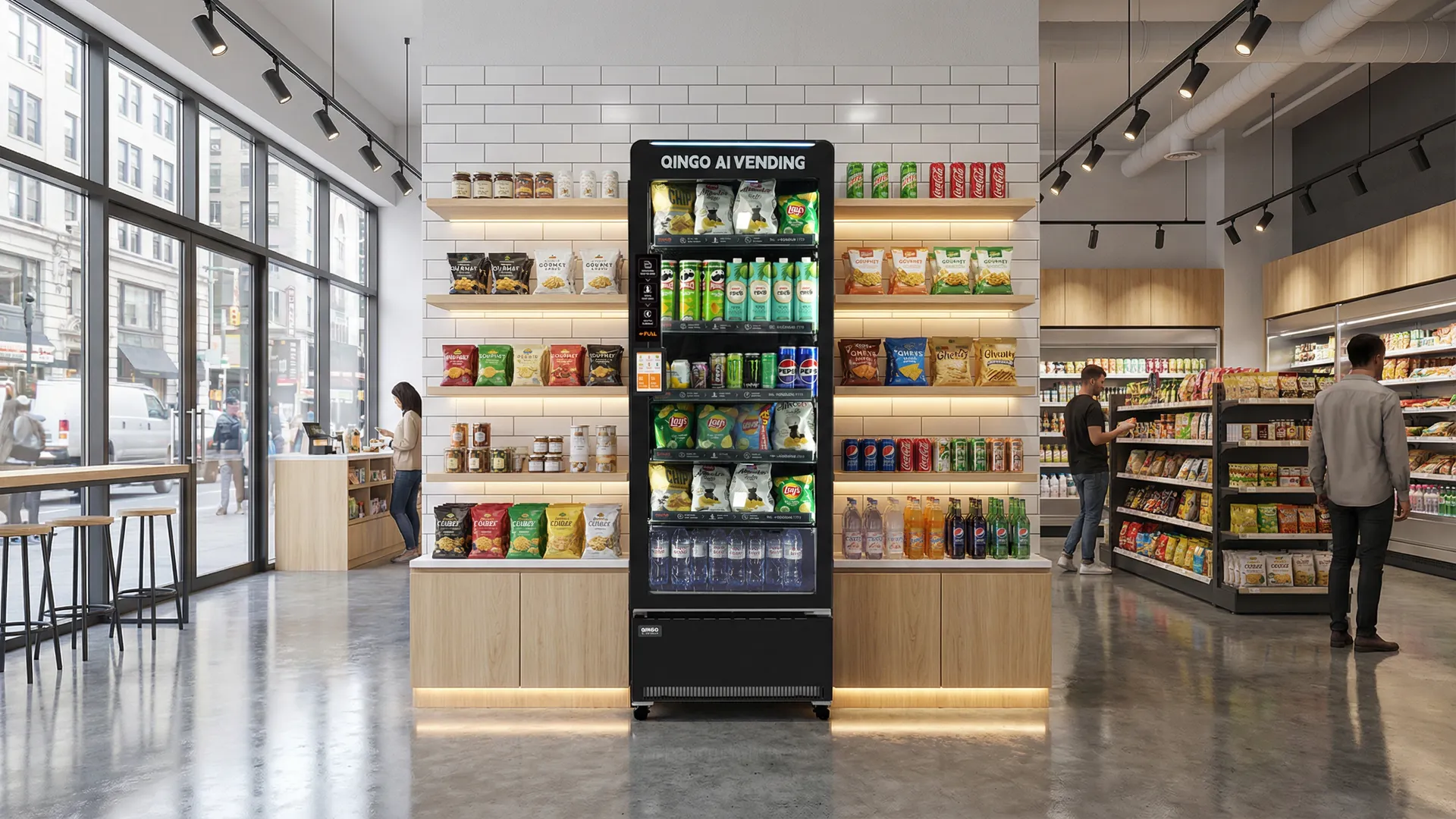
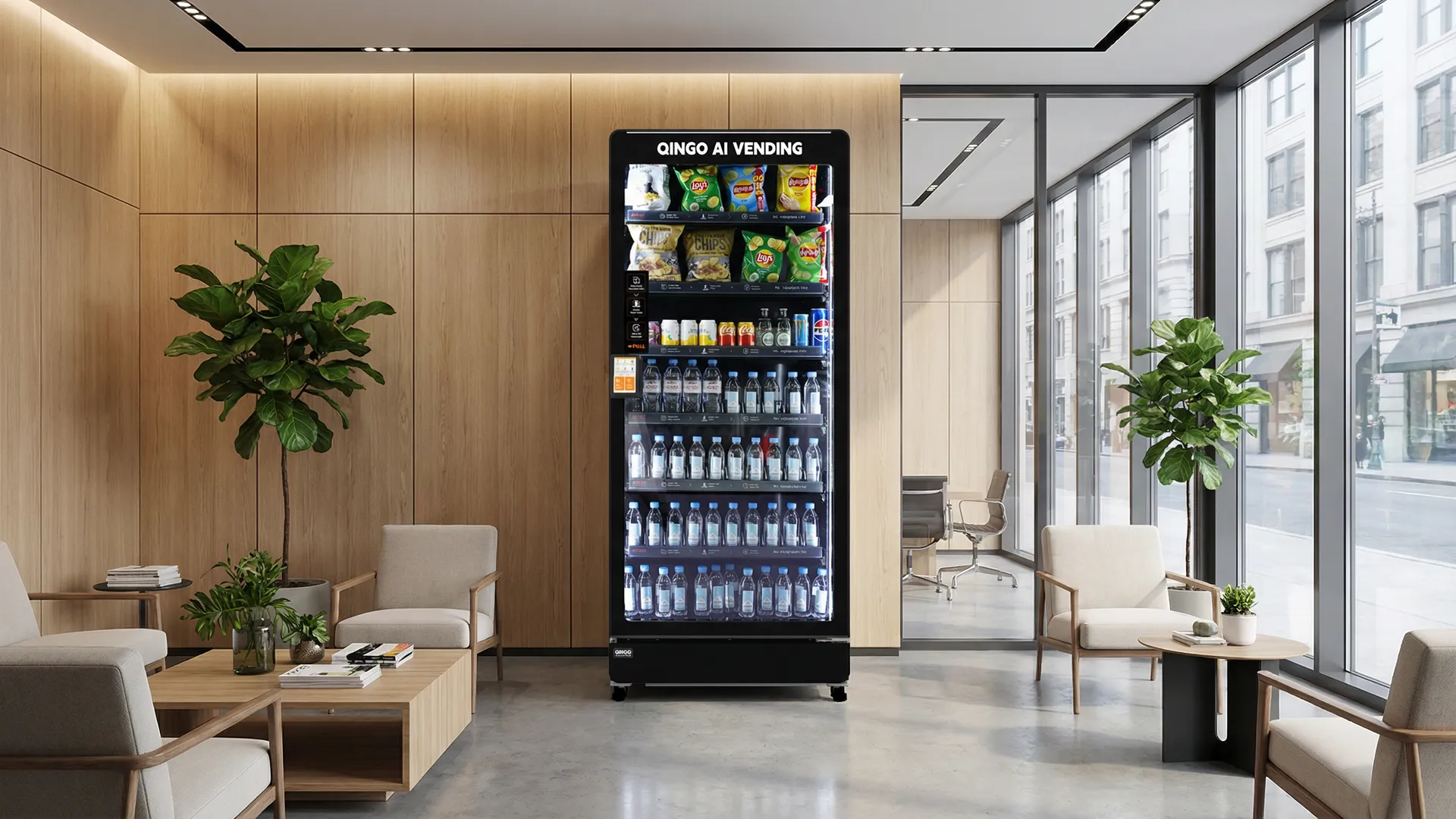
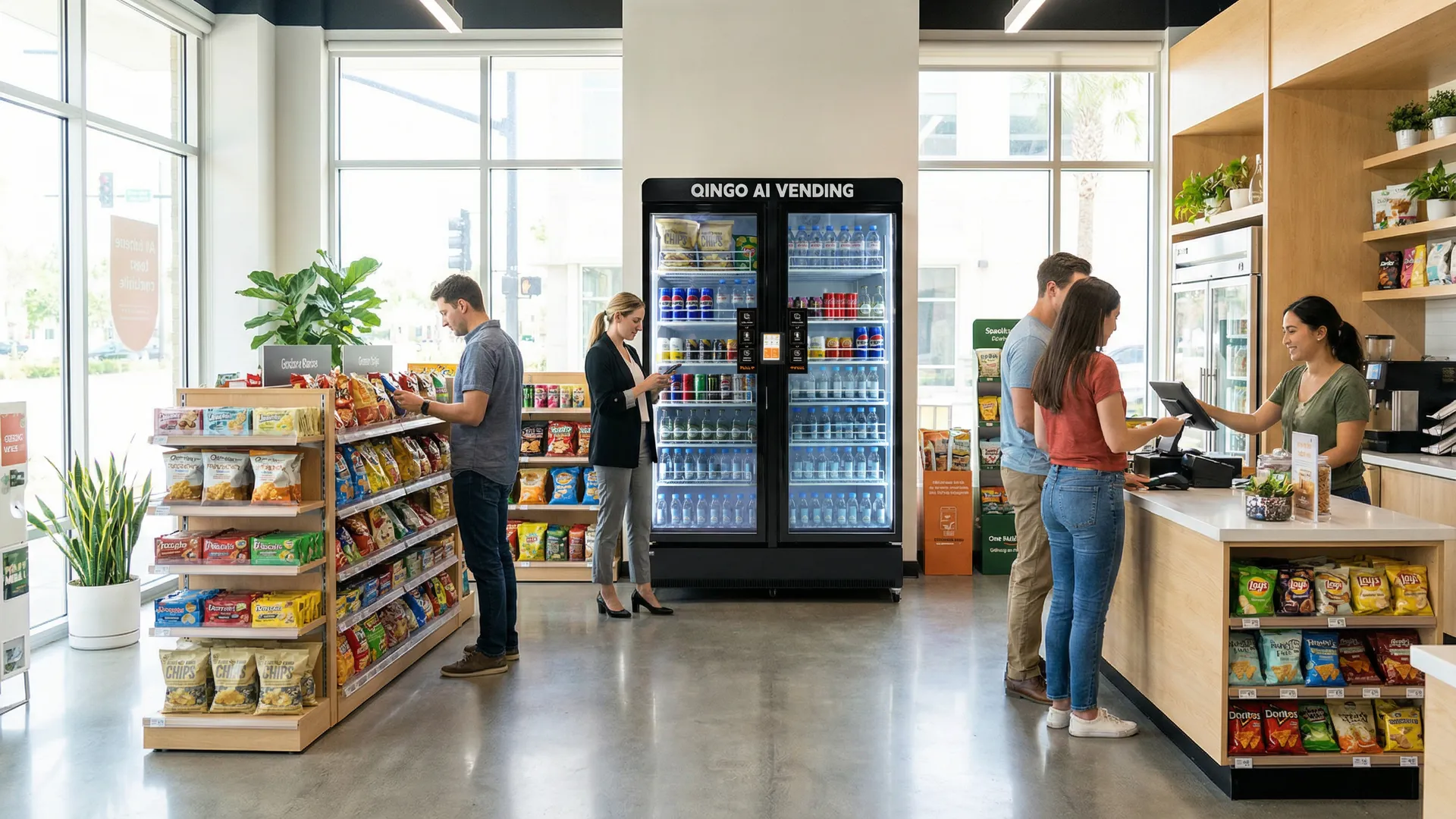
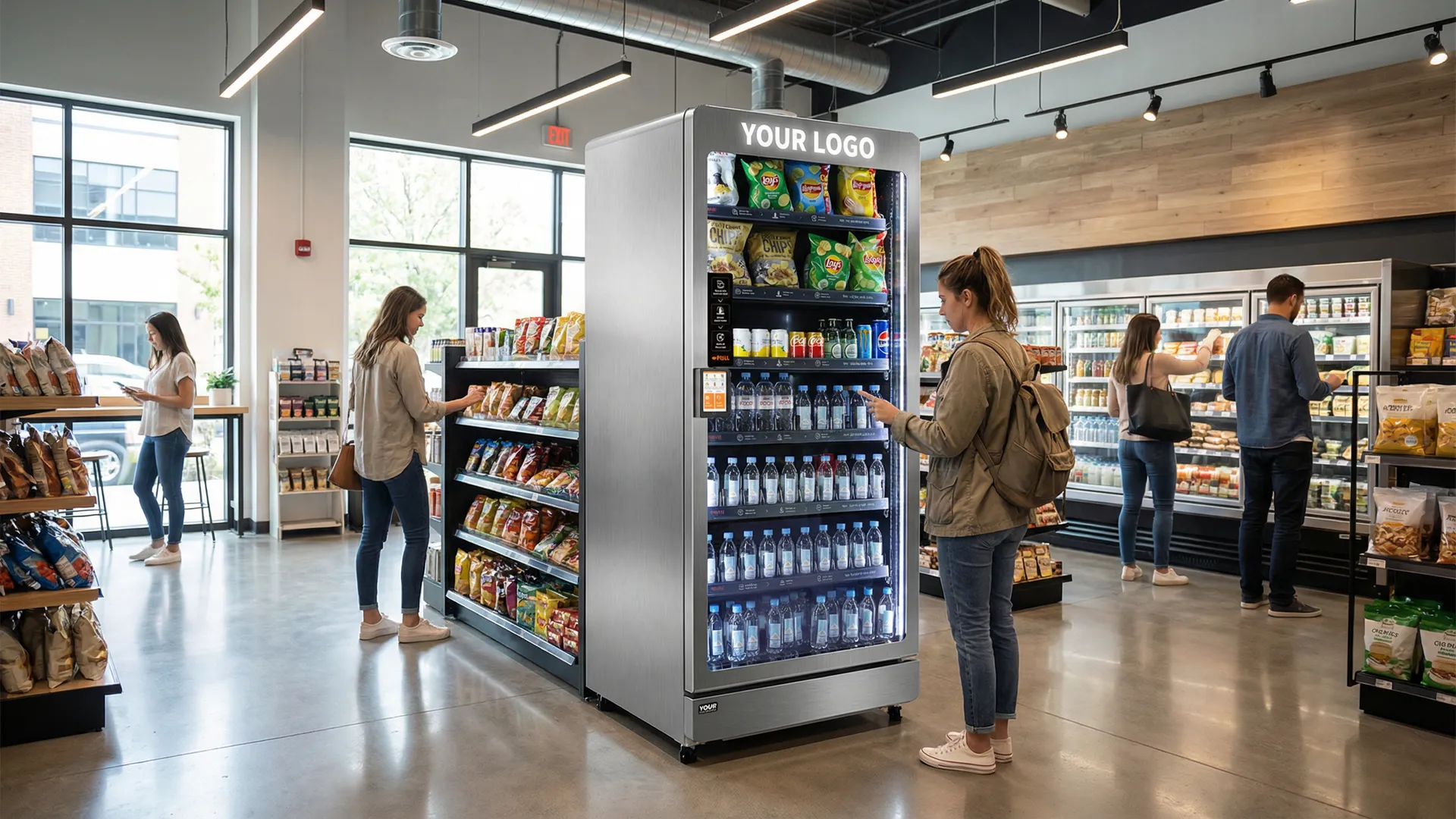
What Really Determines Your Vending Machine Prices?
Many beginners think pricing is a simple formula:
Product Cost + Desired Profit = Selling Price.In reality, it’s far more complex. A smart pricing strategy considers a whole ecosystem of factors:
- Product Cost: The wholesale price of the item.
- Location Costs: Commission splits or fixed rent paid to the location owner.
- Operational Costs: Electricity, machine maintenance, payment processing fees, and product spoilage.
- Logistics: The time and fuel cost of restocking the machine.
- Competitive Landscape: The price of similar items at nearby convenience stores, supermarkets, or coffee shops.
- The Value of Convenience: How much is a customer willing to pay for the immediacy and ease of a vending machine?
- Customer Price Sensitivity: The specific demographic of the location (e.g., students vs. office workers).
This is why a bottle of water can sell for $1.50 in one location and $3.00 in another. The product is the same, but the context and perceived value are different.
The Danger of Competing on Price Alone
It’s tempting to think, “If I’m cheaper than the cafeteria, everyone will buy from me.” However, this is a dangerous path for several reasons.
- Vending is a Convenience Business, Not a Discount Business. Your primary value proposition is speed, accessibility, and 24/7 availability. If you compete solely on price, you erode the very convenience value that justifies your existence.
- Low Prices Crush Your Profit Margins. Vending has ongoing operational costs. A low-price strategy leaves you with no buffer for unexpected expenses, commission negotiations, or promotional discounts. You might have high sales volume but see very little actual profit.
- Customers Aren’t Always Rational Price-Comparers. Many vending purchases are impulse buys or driven by immediate need. A customer grabbing a soda between meetings isn’t always going to compare your price to the grocery store down the street. While price matters, being the absolute cheapest isn’t always the primary driver of a sale.
The Pitfalls of Overpricing for "Convenience"
On the flip side, assuming customers will pay any price just because it’s convenient is equally risky.
- The Convenience Premium Has a Limit. Customers are willing to pay a little extra for convenience, but not to be gouged. If your prices are significantly higher than surrounding options, your machine will quickly earn a reputation for being “too expensive.” Once that label sticks, it’s hard to shake, and repeat business will suffer.
- Location Partners Care About User Experience. Schools, hospitals, and corporate offices want to keep their people happy. If they are flooded with complaints about your high prices, they may choose not to renew your contract.
- High Prices Create Purchase Hesitation. The beauty of a vending machine is the quick, frictionless transaction. A high price tag introduces friction. It makes a customer pause and think, “Is this really worth it?” That moment of hesitation is often a lost sale.
3 Golden Rules for Smart Vending Machine Pricing
So, how do you find that perfect balance? Follow these three principles.
- Analyze the Location First, Set Prices Second.
The environment dictates the strategy. A price that works in a high-traffic airport will fail in a public school.- Schools & Universities: Highly price-sensitive. Focus on value and affordability.
- Hospitals & Hotels: Can support a moderate convenience premium, but don’t overdo it.
- Corporate Offices: Employees may value speed and variety over the absolute lowest price.
- Gyms & Factories: Often value-driven, but specific items (like protein shakes or energy drinks) can command a higher price.
- Keep Your Core Products Stable and Competitive.
Your machine has “hero products”—the high-demand items like water, Coca-Cola, and classic chips. Customers have a strong memory of what these should cost.If you price these core items too aggressively, you risk losing the customer’s trust in your entire machine. Keep pricing on these staples reasonable and stable. You can build your profit margin on the less common, specialty, or imported items where customers have less of a price anchor. - Treat Pricing as a Dynamic Process, Not a One-Time Decision.
Your initial prices are just a starting point. The most successful operators are constantly monitoring and adjusting. You should be ready to tweak prices based on:- Sales Data: Which items are moving? Which are sitting still?
- Seasonal Changes: Demand for cold drinks vs. hot beverages.
- Competitor Actions: Did the nearby Starbucks just raise its prices?
- Customer Feedback: Are people commenting on the prices?
Common Vending Pricing Mistakes to Avoid
- Using a One-Size-Fits-All Markup: Don’t just add $1.00 to every product. A candy bar and a premium energy drink have different value perceptions.
- Ignoring Operational Costs: Failing to factor in electricity, payment processing fees, and your own time will lead to unprofitable pricing.
- Frequent, Unjustified Price Hikes: This destroys customer trust and loyalty.
- Blindly Copying Competitors: Their location agreement, product mix, and cost structure are different from yours. What works for them may not work for you.
Conclusion: The Price of Long-Term Success
- Ultimately, the “right” price for your vending machine isn’t the lowest price or the one with the highest margin. It’s the price that a customer is willing to pay repeatedly, while still allowing you to run a profitable and sustainable business.Vending is a long-term game. Your pricing strategy should build customer loyalty, satisfy your location partners, and provide the financial health needed to maintain and grow your operation.
Ready to Optimize Your Vending Business?
At Qingo, we understand that smart operations are key to profitability. That’s why we developed Vending X, our powerful, self-developed software backend. It gives you the real-time data and analytics you need to track sales, monitor inventory, and make informed pricing decisions for every single machine.
[Contact us today] to learn how Qingo’s machines and Vending X software can help you build a more profitable and efficient vending business.
Ready to innovate?
👉 Contact Qingo Today for a consultation on your custom project.
🌐 Visit www.qingo.com or call +1 (626) 879-5455.
🛒 Prefer to browse? Check out our Amazon Store for ready-to-ship units.
QUICK ENQUIRY
·
QUICK ENQUIRY
·
QUICK ENQUIRY
·
QUICK ENQUIRY
·
QUICK ENQUIRY
·
QUICK ENQUIRY
·
QUICK ENQUIRY
·
QUICK ENQUIRY
·
QUICK ENQUIRY
·
QUICK ENQUIRY
·