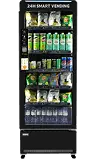
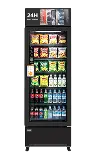
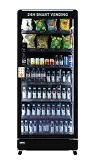
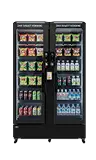
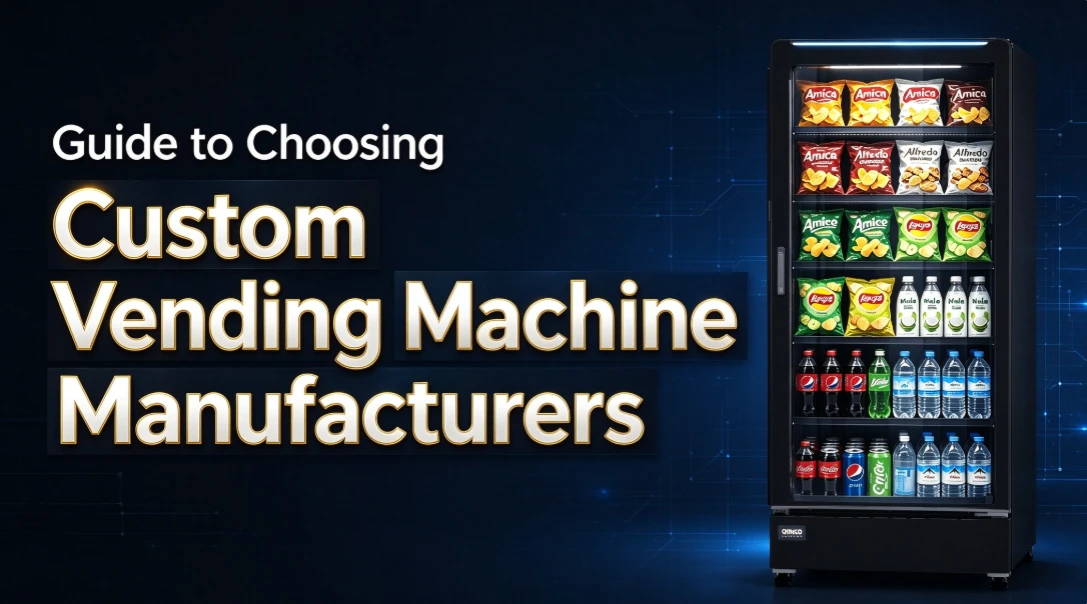
Finding reliable custom vending machine manufacturers requires careful evaluation. You must assess their ability to adapt systems to your specific operational needs. A standard machine rarely fits every brand’s unique marketing strategy or product dimensions.
If you are looking for a custom vending machine for sale, you must understand both the hardware and software capabilities of your supplier. This buying guide helps entrepreneurs, operators, and distributors evaluate manufacturers and select the best long-term partner.
Key Buying Factors for Bulk Procurement
When you order machines in batch, minor inefficiencies scale into massive operational costs. You need a manufacturer who understands complex retail environments. Assess their production capacity, quality control, and supply chain stability.
A credible manufacturer provides deep customization. Your vendor should offer flexible configurations to accommodate diverse product shapes and sizes. They must also deliver seamless software integration to help you manage inventory and track sales data efficiently.
Post-purchase support plays a vital role in your success. Reliable suppliers offer comprehensive technical assistance, software updates, and warranty coverage. This ensures your smart retail network remains operational and profitable over the years.
Essential Hardware and Software Features
Modern automated retail demands a perfect blend of physical structure and digital intelligence. You must evaluate how well manufacturers customize both aspects. Hardware customization includes full cabinet wrapping, custom color schemes, and modular shelving that accommodates varying product dimensions.
Software customization proves equally important. Advanced systems integrate interactive promotional campaigns directly into the purchasing flow. Data dashboards provide real-time inventory tracking, while versatile payment terminals support mobile wallets and credit cards.
Cost Factors and ROI Analysis
Investing in bulk custom solutions involves various cost components. Understanding these factors helps you calculate your potential return on investment accurately. Custom engineering often requires upfront research and development fees.
With the U.S. retail vending machine market projected to reach nearly USD 20 billion by 2033[1], investing in customized hardware gives you a significant competitive edge. You should balance initial capital expenditure against projected operational savings.
| Cost Component | Standard Machine | Customized Smart Machine | Impact on ROI |
| Initial Price | Lower upfront cost | Higher initial investment | High volume sales offset initial costs |
| Software Fees | Basic tracking included | Custom UI & integrations | Better data drives smarter restocking |
| Marketing Value | Minimal brand presence | Full interactive campaigns | Generates additional ad revenue |
| Maintenance | Standard repairs | Remote diagnostics | Lowers physical service visits |
Step-by-Step Selection Guide
Follow this systematic approach to evaluate and select the best manufacturing partner for your bulk procurement needs.
- Define Your Requirements: Map out your product dimensions, target audience, and required software features before contacting vendors.
- Evaluate Technical Expertise: Review the manufacturer’s past custom projects. Look for successful software and hardware integrations.
- Request a Prototype: Ask the supplier to develop a single test unit. This lets you verify the build quality and software functionality.
- Analyze the Supply Chain: Confirm the manufacturer can meet your bulk order deadlines without compromising quality.
- Review Support Agreements: Ensure the contract includes clear terms for software updates and hardware replacement parts.
Why Choose QINGO for Custom Solutions
QINGO excels in delivering fully tailored automated retail solutions. We help brands transform standard vending operations into interactive customer experiences. Our engineering team designs specific hardware modifications while developing custom software features.
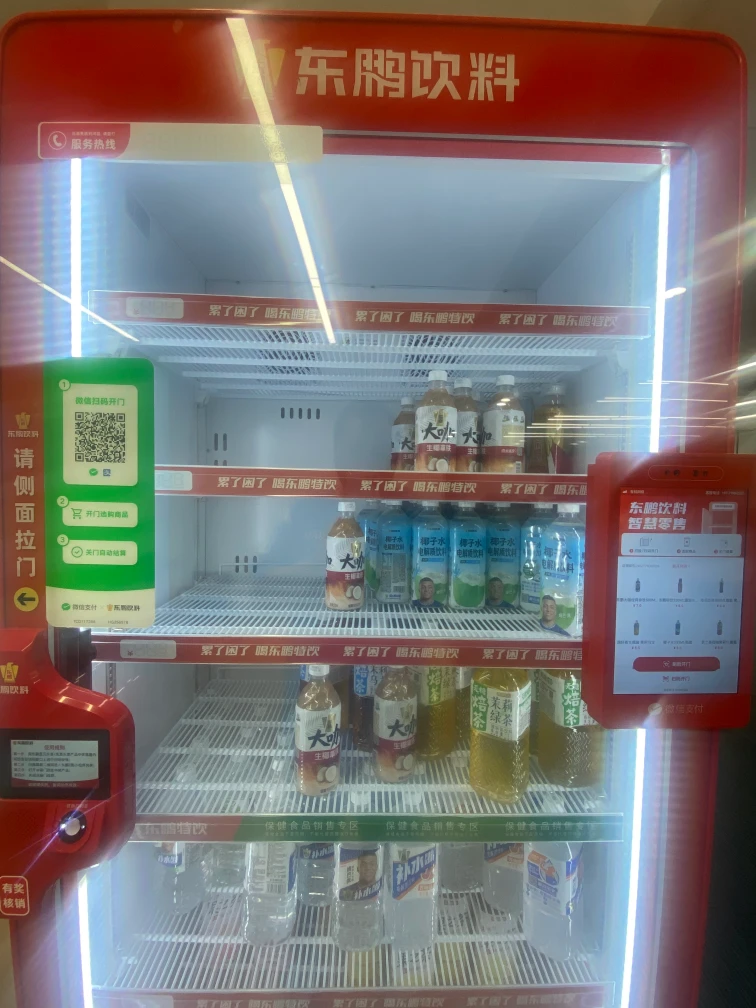
Whether you need specialized payment gateways or unique promotional tools, QINGO builds solutions around your business model. Our Eastroc Beverage project demonstrates our ability to combine robust physical cabinets with engaging digital applications effectively.
QINGO developed a tailored smart vending cabinet specifically for their products. We integrated a unique scan-to-redeem-prize function directly into the cabinet’s system. This software-hardware integration significantly boosted customer engagement and repeat purchases.
FAQ
- What makes custom vending machine manufacturers different?
Custom manufacturers design machines specifically for your brand, integrating unique hardware features and proprietary software instead of selling generic, off-the-shelf units. - How much does a custom vending machine for sale cost?
Prices vary widely based on hardware modifications and software development. Advanced AI recognition and custom user interfaces typically increase the initial unit price. - Can I upgrade the software on a customized vending machine later?
Yes, reliable manufacturers provide remote software updates. You can introduce new marketing campaigns or payment methods without replacing the physical machine. - How long does it take to produce a custom vending batch?
Production timelines depend on the complexity of your requirements. Prototyping generally takes a few weeks, followed by mass production which may span several months. - Do manufacturers provide support for custom software?
Reputable manufacturers offer ongoing technical support. They monitor system stability, provide bug fixes, and ensure your custom features function correctly.