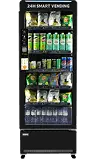
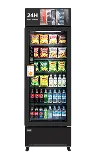
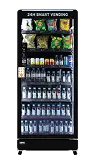
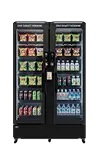
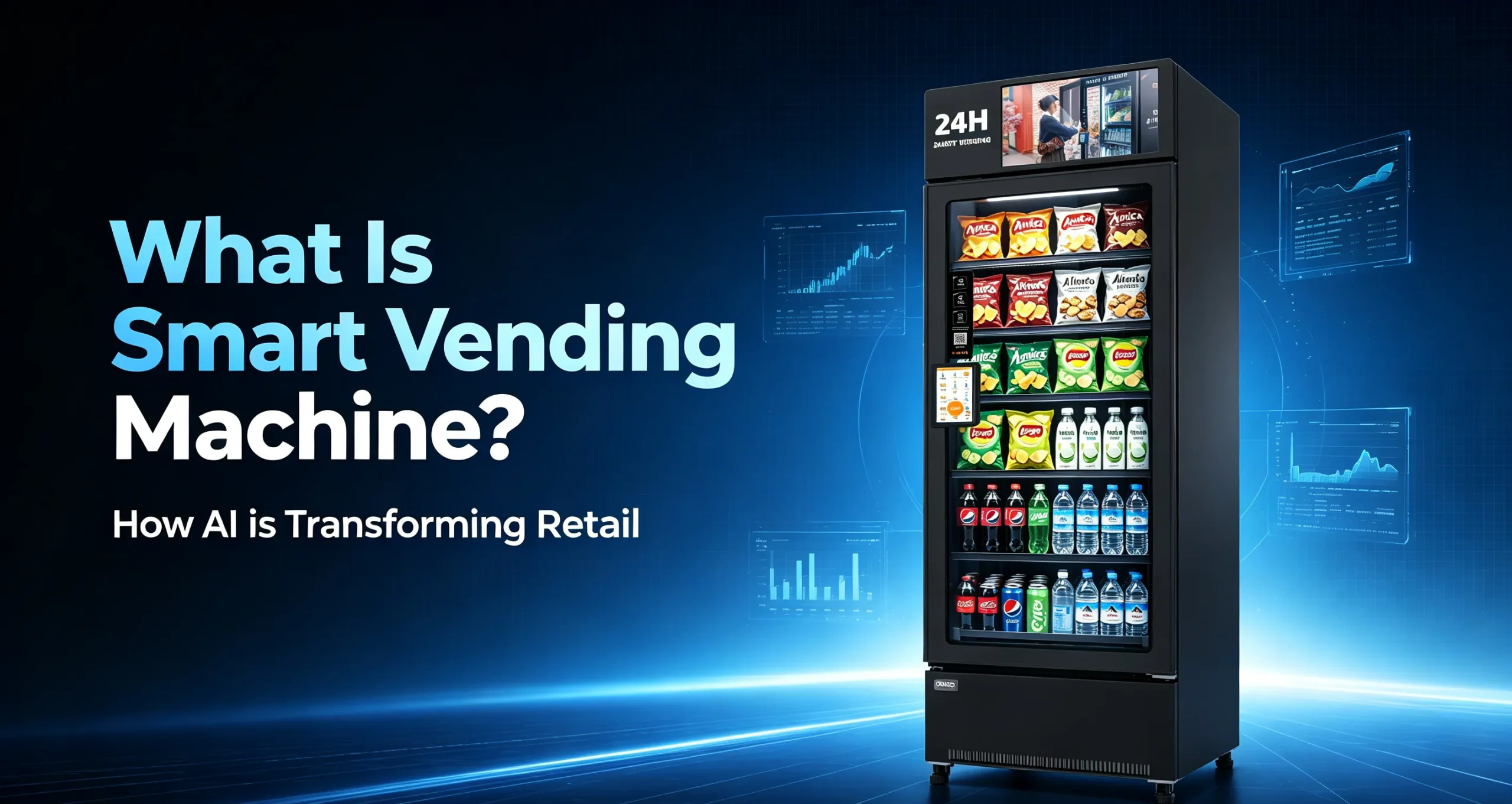
Retail technology is evolving at an incredible pace. Traditional machines are being replaced by intelligent systems. A smart vending machine represents the next generation of automated commerce. It combines high-tech hardware with powerful software. This guide explains how these machines work. It also highlights why they benefit your business.
What Is a Smart Vending Machine?
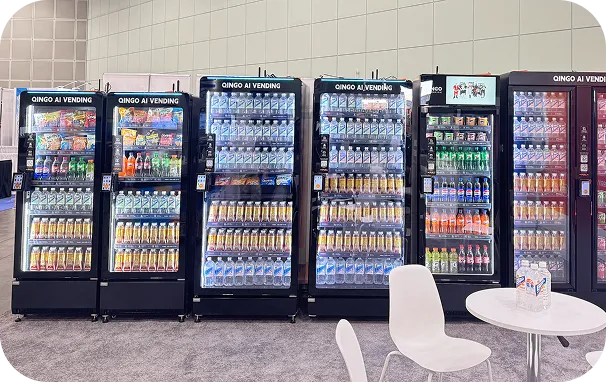
A smart vending machine is more than a snack dispenser. It is an internet-connected automated retail kiosk. These machines use sensors and AI to manage inventory. They provide a seamless shopping experience for customers. Unlike old models, they do not rely on mechanical coils. Instead, they focus on software-driven interactions.
How the AI Smart Vending Machine Works
The magic of a smart vending machine lies in its frictionless shopping experience. While the background technology is complex, the process for the customer is incredibly simple and intuitive.
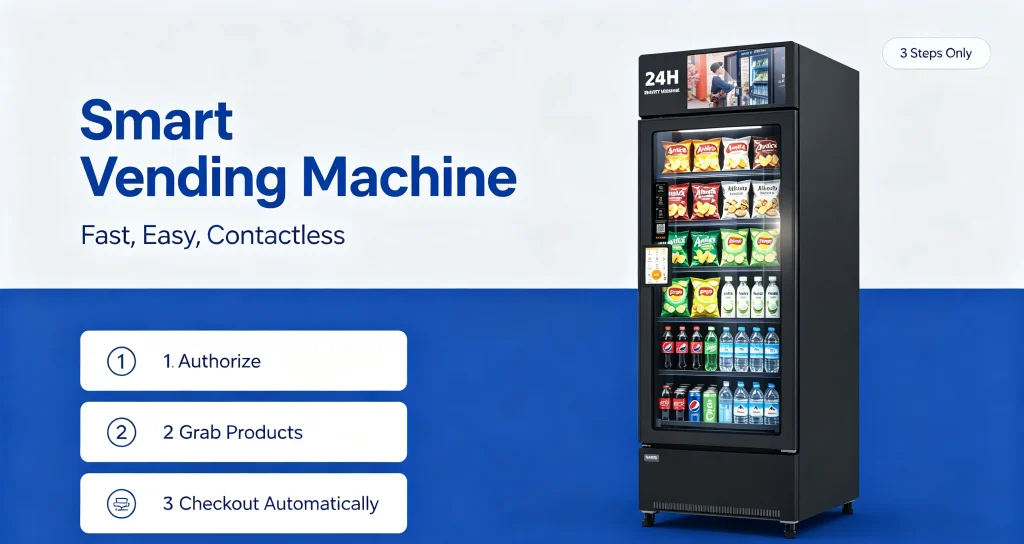
Here is the step-by-step workflow:
- Authorize and Unlock: The customer taps a credit card, scans a mobile wallet (like Apple Pay or Google Pay), or uses an authorized app. The system verifies the payment method and instantly unlocks the door.
- Grab and Go: The shopper opens the door and freely selects the items they want. Because there are no mechanical spirals, they can pick up multiple products, read the nutrition labels, and even put items back without penalty.
- AI Vision Recognition: As the customer interacts with the products, advanced computer vision cameras track movement in real-time. The AI instantly identifies which items are removed from the shelves.
- Automatic Checkout: Once the customer closes the door, the system finalizes the virtual basket. The payment is processed automatically without any physical checkout button.
- Cloud Data Sync: The transaction data, inventory updates, and consumer behavior metrics are immediately sent to the operator’s cloud management platform for analytics.
Core Benefits for Vending Operators
Investing in an ai smart vending machine offers significant commercial advantages over traditional equipment. Operators can expect improvements in both revenue generation and daily operational efficiency.
- Maximized Product Capacity: Traditional machines are limited by the size of their mechanical slots. AI vision systems allow products of various shapes and sizes—from fresh salads to odd-shaped electronics—to be packed tightly on flat shelves, increasing total capacity and variety.
- Frictionless Shopping Experience: By eliminating the frustration of stuck products and broken keypads, operators see a higher volume of multi-item purchases. Customers are more likely to buy a drink and a snack when they can simply grab them together.
- Smarter Inventory Management: With live cloud data, operators always know exactly what is in stock. This eliminates unnecessary route visits and ensures high-selling items are restocked promptly, reducing spoilage and lost sales.
- Lower Maintenance Costs: Fewer moving mechanical parts mean a drastic reduction in machine jams and hardware failures. The AI system can also flag its own maintenance needs, allowing for proactive servicing.
Common Applications and Scenarios
Because they are highly adaptable, smart vending machines thrive in environments where speed, convenience, and high product variety are essential.
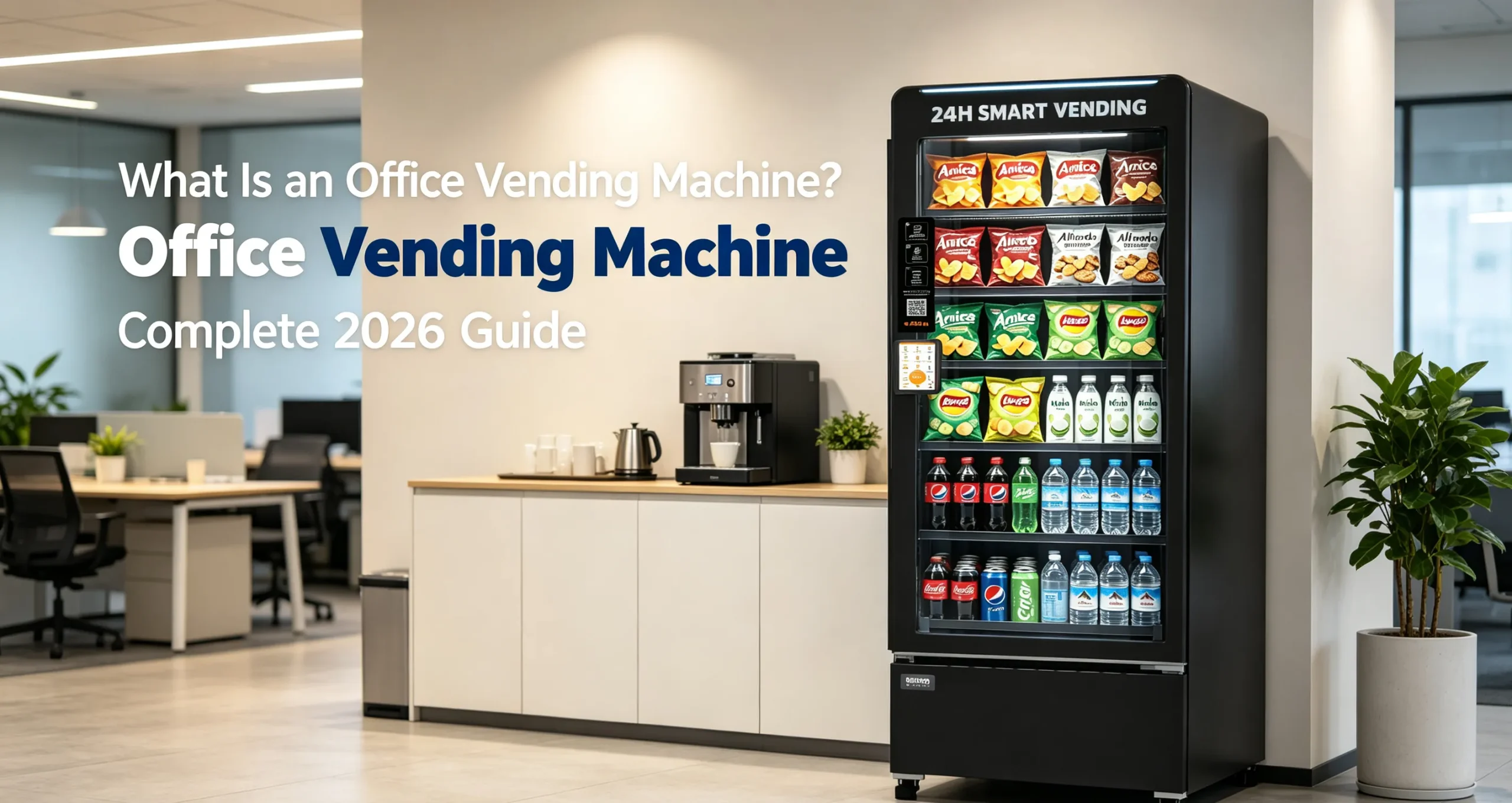
- Corporate Offices: Providing employees with 24/7 access to fresh food, healthy snacks, and premium beverages without having to leave the building.
- Hospitals and Healthcare Facilities: Offering round-the-clock meals and hygiene products for night-shift staff, patients, and visitors.
- Transportation Hubs: Deploying high-capacity machines in airports and train stations where travelers need fast, secure, and touchless purchasing options.
- Schools and University Campuses: Delivering everything from study snacks to essential electronics directly to students in dormitories and libraries.
Summary
The transition to AI-powered unattended retail is not just a market trend; it is the new operational standard. A smart vending machine eliminates the friction of traditional shopping, offering a seamless customer experience while providing operators with the exact data needed to scale their business.
By leveraging computer vision and cloud analytics, vending operators can lower their labor costs, increase their profit margins, and deploy highly profitable micro-stores in virtually any location.
FAQ
- What is an AI smart vending machine?
An AI smart vending machine is an automated retail unit that uses computer vision, sensors, and machine learning to recognize products and process transactions without physical cash or mechanical dispensers. It functions as a data-driven micro-store rather than a traditional vending unit. - How does a smart vending machine recognize products?
It utilizes advanced computer vision cameras and sensors to track item movement in real-time. When a product is removed from the shelf, the AI instantly identifies it based on visual data and adds it to the customer’s virtual cart. - Can vending machine smart systems accept mobile payments?
Yes, modern smart systems are fully equipped to handle cashless transactions. They support credit cards, NFC mobile wallets like Apple Pay and Google Pay, and QR code payments, ensuring a seamless checkout process for the consumer. - Why are smart vending machines better than traditional ones?
They offer higher product capacity, eliminate mechanical jams, and provide real-time inventory data through cloud software. Furthermore, they enable a frictionless “grab and go” shopping experience that naturally encourages multi-item purchases. - Is the smart vending machine market growing?
Yes, the global smart vending machine market is experiencing rapid and sustained growth. This expansion is heavily driven by consumer demand for touchless payments and operator needs for automated, data-driven retail solutions that lower daily operating costs.