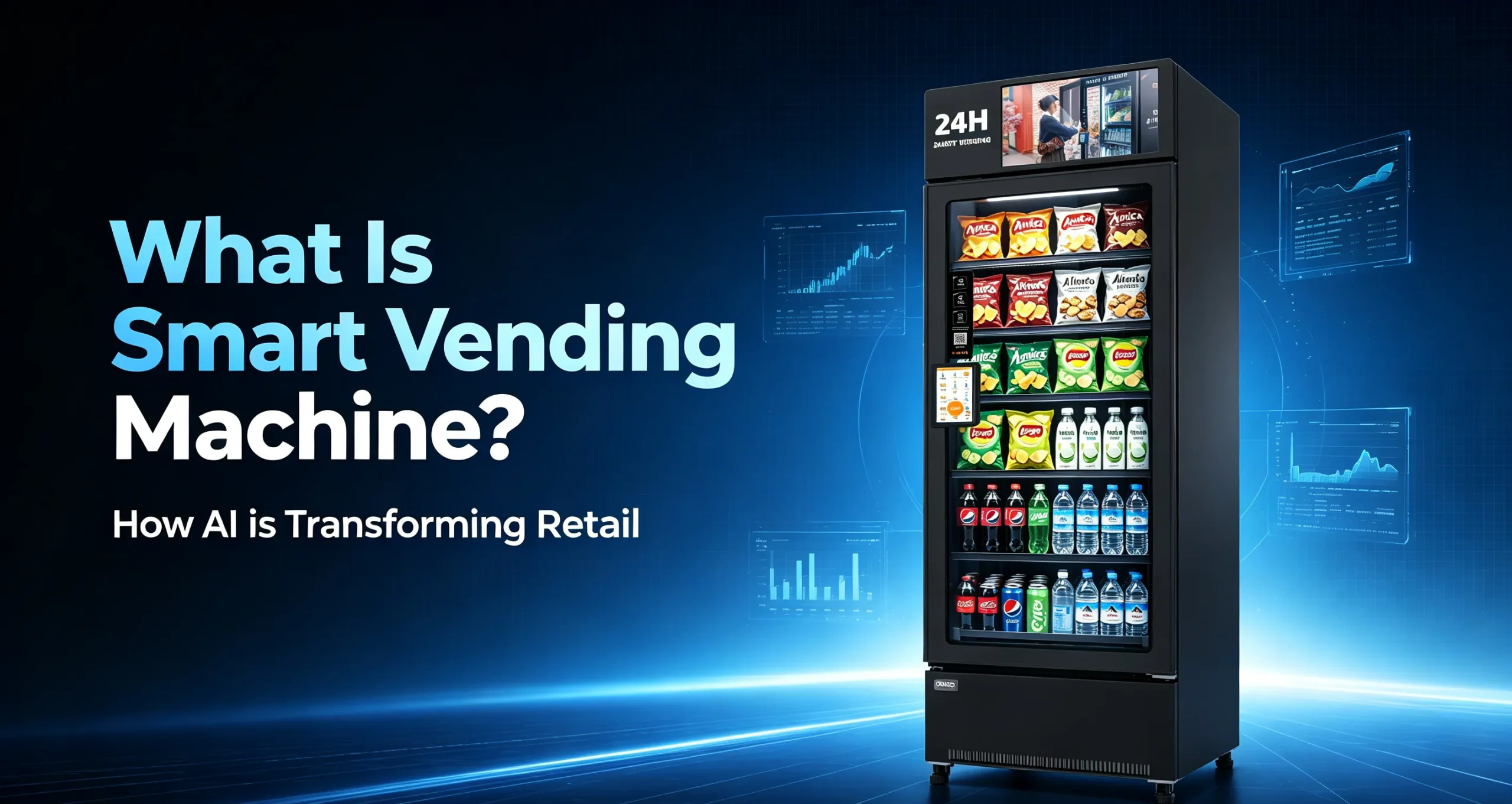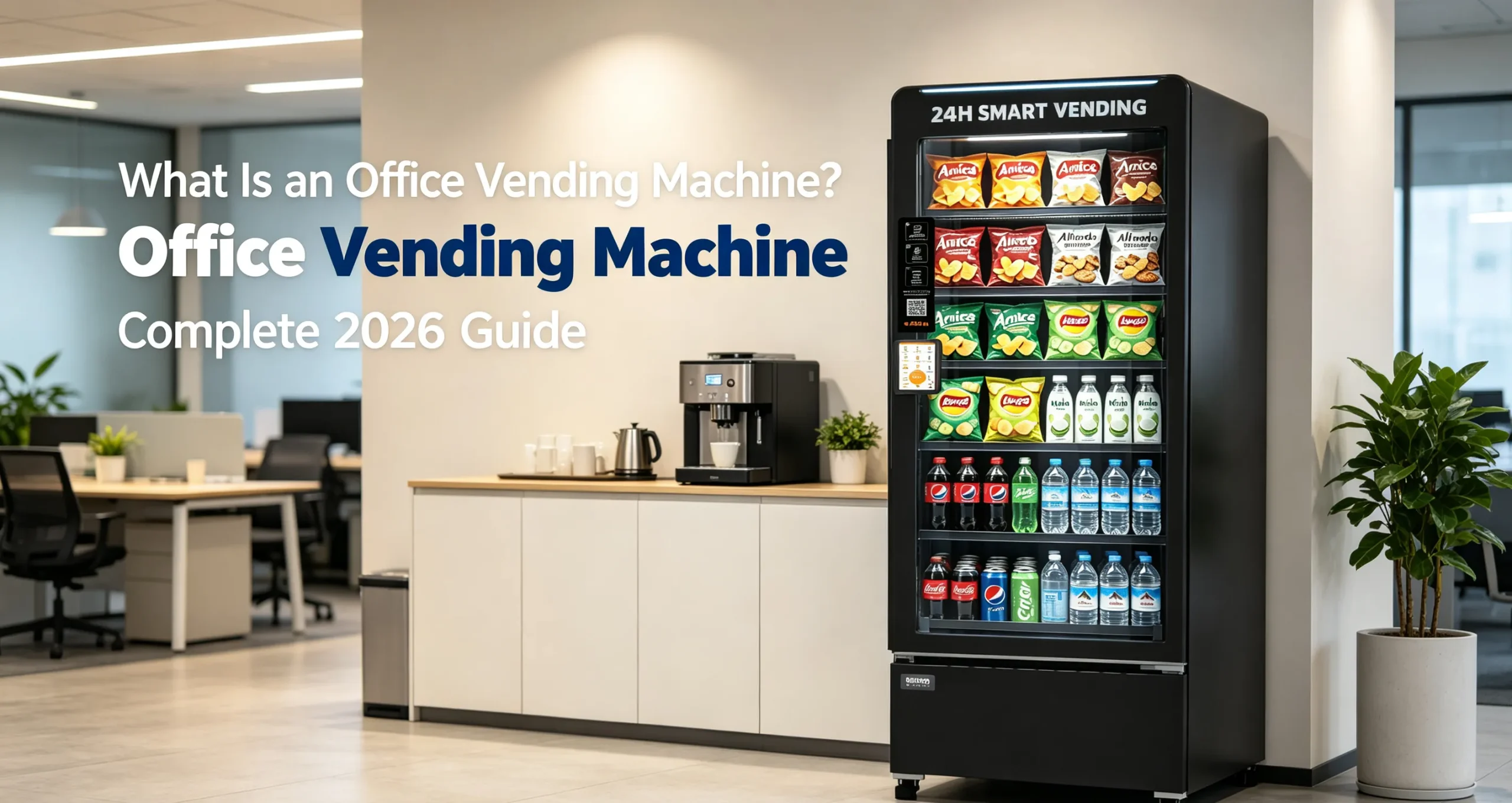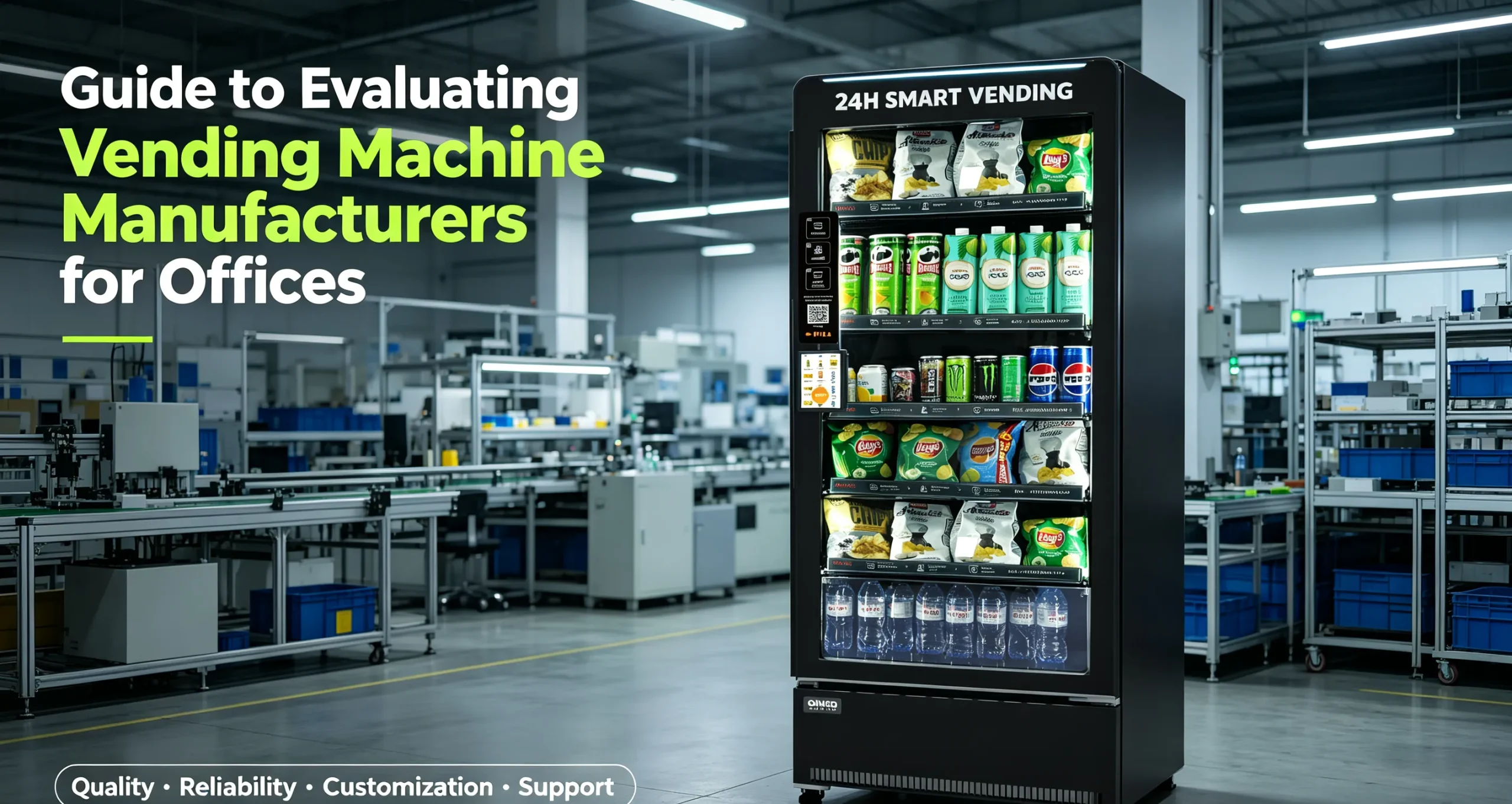
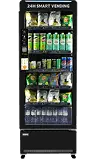
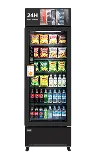
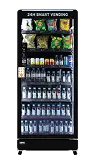
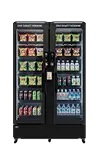
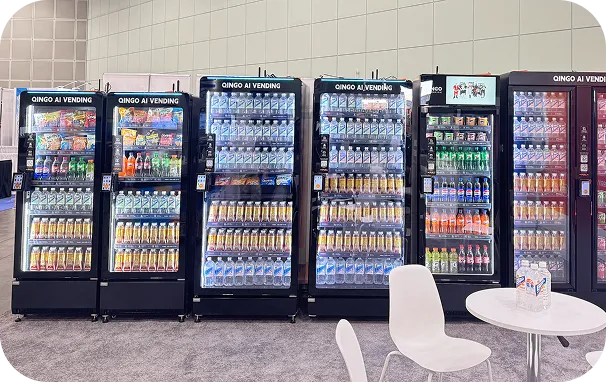
The global vending industry is undergoing a massive transformation. Traditional coil machines are being replaced by AI-powered smart coolers that offer a seamless “grab-and-go” experience. For entrepreneurs and business operators, finding a smart vending machine for sale is no longer just about the hardware; it is about selecting a solution that maximizes ROI through technology and user convenience.
When you decide to buy a smart vending machine, you are investing in a 24/7 automated retail storefront. This guide breaks down the essential factors to consider and evaluates professional-grade models designed for various commercial environments.
Essential Factors to Consider Before You Buy
Choosing the right equipment requires an understanding of your specific operational needs. Not every location requires the same capacity or footprint.
- AI Recognition Technology: Modern machines use computer vision or weight sensors. Computer vision is generally more reliable for diverse product shapes and reduces the need for expensive RFID tags.
- Footprint vs. Capacity: High-traffic areas like airports need high-capacity units, while office breakrooms might benefit from a slim profile.
- User Interface: A responsive touchscreen enhances user engagement and allows for dynamic advertising opportunities.
- Maintenance and Cooling: Energy-efficient compressors and easy-to-clean interiors reduce long-term operational costs.
Selecting the Right Qingo Model for Your Business
To help you navigate the market, we have categorized professional AI smart coolers based on their structural advantages and ideal application scenarios.
1. The Versatile Performer: Qingo Ace
The Qingo Ace serves as the industry standard for smart cooler vending. It balances a generous internal capacity with a sleek design, making it the go-to choice for operators who need a reliable, all-purpose machine. It is particularly effective in high-traffic locations where product turnover is frequent.
2. High-Volume Solutions: Qingo King & Pair
For locations with massive foot traffic, such as shopping malls or transit hubs, volume is king.
- Qingo King: Designed for maximum visibility and storage, allowing for a wider variety of SKUs.
- Qingo Pair: A double-door powerhouse. This model is ideal for high-volume grocery or fresh food sales where a single unit simply isn’t enough to meet demand.
3. Space-Optimized Models: Qingo Queen & Ten
In urban environments or small offices, floor space is a premium asset.
- Qingo Queen: Featuring a slim, elegant profile, the Queen model fits into tight corners and narrow hallways without sacrificing the premium AI shopping experience.
- Qingo Ten: Equipped with a 10.1-inch interactive screen, this model focuses on digital engagement and efficiency in a compact form factor.
Comparison Table: Which Smart Cooler Fits Your Scenario?
| Model | Primary Advantage | Best Scenario |
| Ace | Balanced Capacity | Gyms, Hospitals, Offices |
| King | Maximum Visibility | Large Corporate Canteens |
| Queen | Slim Footprint | Boutique Hotels, Small Offices |
| Ten | Digital Engagement | Schools, Shared Workspaces |
| Pair | High Volume | Supermarket Extensions, Transit Hubs |
The Business Value of Smart Cooler Vending Machines
Searching for a smart cooler vending machine for sale often leads to the realization that these machines offer far more than traditional units. Because AI coolers allow customers to touch and examine products before purchase, the “transaction friction” is significantly reduced.
Furthermore, the back-end management software provides real-time inventory tracking. This allows operators to optimize restocking routes and analyze sales data to determine which products are performing best. This data-driven approach is essential for scaling a vending business from a single machine to a full fleet.
Professional Recommendation
If you are a first-time operator, the Qingo Ace provides the most stable entry point due to its versatility. However, if your target location has restricted space, the Qingo Queen offers the best ROI per square foot. For those looking to dominate high-traffic retail zones, the Qingo Pair provides the necessary scale to handle peak-hour rushes.
Investing in smart vending is a strategic move toward automated retail. By selecting a model that aligns with your site’s traffic patterns and space constraints, you ensure long-term profitability and customer satisfaction.
FAQ
1. How does the AI recognition work in these smart vending machines?
Most modern smart coolers use computer vision technology. When a customer swipes a credit card to open the door and takes an item, internal cameras identify the product removed. The system automatically charges the customer once the door is closed.
2. Can I sell fresh food in a smart cooler vending machine?
Yes, smart coolers are ideal for fresh food. Unlike traditional coil machines that might damage delicate packaging, a smart cooler allows for “grab-and-go” of salads, sandwiches, and glass-bottled drinks without any drop or impact.
3. What payment methods do these machines support?
The machines are typically equipped to handle credit cards, mobile wallets (like Apple Pay and Google Pay), and campus or corporate ID cards. This flexibility ensures you never miss a sale due to payment limitations.
4. Is the inventory management automated?
Absolutely. Every time a product is removed, the system updates the cloud-based management platform. Operators can check stock levels remotely via a mobile app or desktop dashboard, making restocking highly efficient.
5. What is the typical ROI for a smart vending machine?
ROI depends on location and product margin, but many operators see a return on investment within 8 to 18 months. The lower maintenance costs and higher sales volume of AI coolers compared to traditional machines generally accelerate this process.
Reference Sources
- Vending Market Watch: Industry reports on the shift toward frictionless retail and AI integration.
- Grand View Research: Market analysis on the global intelligent vending machine market growth (2024-2030).
- NAMA (National Automatic Merchandising Association): Professional standards and technology trends for automated retail operators.