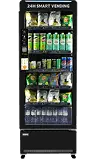
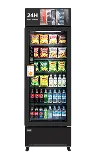
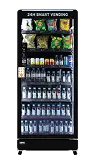
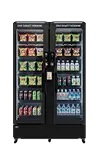
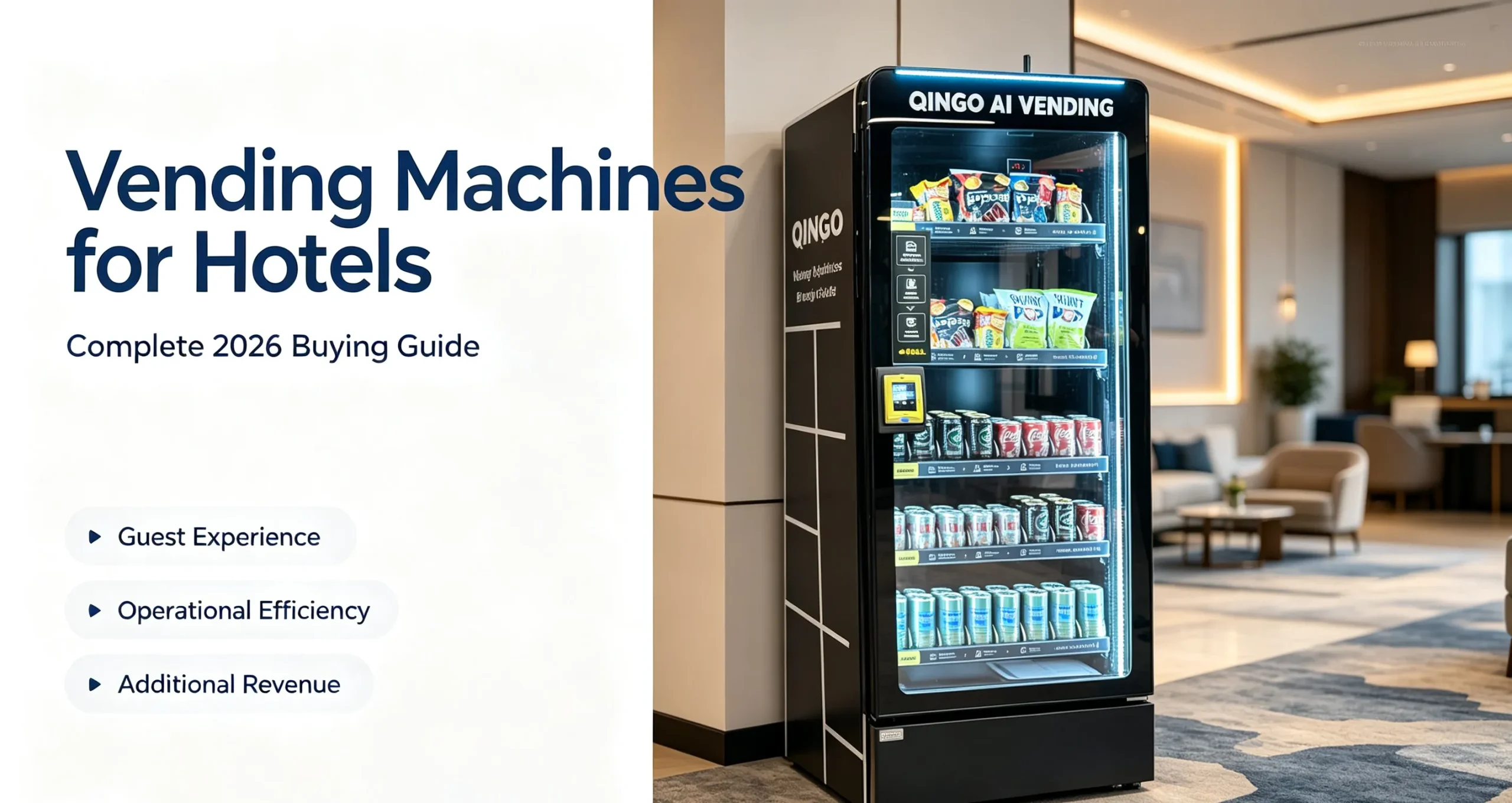
The hospitality industry is rapidly transitioning away from labor-intensive in-room minibars toward centralized, automated retail solutions. Deploying smart vending machines for hotels is no longer just a guest amenity; it is a strategic business decision designed to reduce operational friction, eliminate restocking disputes, and generate a 24/7 revenue stream.
For entrepreneurs, hotel operators, and vending distributors, selecting the right equipment requires a systematic approach. This buying guide provides a comprehensive framework for evaluating hardware configurations, software ecosystems, and financial variables to ensure a successful deployment.
1. Key Buying Factors for Hotel Vending Operations
Before looking at specific machine models, operators must assess the unique environmental demands of a hotel property.
- 24/7 Unattended Demand: Guests arrive at all hours and frequently require emergency purchases, such as phone chargers, personal care items, or late-night snacks. The machine must guarantee high uptime and reliable self-service.
- Footprint and Aesthetics: Hotel lobbies, hallways, and fitness centers often have limited space. Equipment must blend into the interior design while offering maximum storage capacity within a compact footprint.
- High Guest Turnover: A steady flow of new customers drives continuous sales. The hardware needs to support fast transaction times to prevent queues during peak check-in or check-out hours.
- Product Flexibility: Unlike a standard office environment, hotels require machines capable of dispensing a wide variety of form factors—ranging from fragile glass bottles and salads to small travel essentials and electronics.
2. Essential Hardware and Software Features
Modern automated retail relies heavily on software intelligence. When comparing options, prioritize systems that integrate the following technologies:
- AI-Powered Inventory Management: Traditional vending requires manual stock checks. AI-driven systems use vision recognition and business analytics to track inventory in real-time. This enables operators to monitor stock levels remotely, reducing unnecessary labor and preventing out-of-stock scenarios for high-margin items.
- Frictionless Payment Systems: Modern guests expect seamless transactions. Your machine must support cashless payments, NFC (Apple Pay, Google Wallet), and credit cards. Advanced systems can also integrate with hotel property management systems (PMS) to allow room-key tapping and direct-to-folio billing.
- Adaptable Dispensing Mechanisms: Spiral coils are traditional but limit the type of packaging you can sell. Look for machines with adjustable conveyor belts or elevator delivery systems. This ensures that premium items—like expensive headphones or delicate cosmetics—are dispensed safely without drop damage.
3. Analyzing Vending Machines Hotel Cost and ROI
Understanding the complete vending machines hotel cost is critical for calculating your return on investment. The initial capital expenditure is only one part of the financial equation.
Initial and Ongoing Costs
When you find a hotel vending machine for sale, the price will typically range based on the technology layer:
- Budget/Refurbished Units: $1,500 – $2,500 (Basic snack/drink dispensing, limited tech).
- Mid-Tier Smart Machines: $3,000 – $5,000 (Touchscreens, cashless readers, remote monitoring).
- Premium AI Vending Kiosks: $5,500 – $8,000+ (Robotic delivery, massive digital screens, AI vision analytics).
Ongoing costs include monthly software licensing for telemetry (usually15–30/month), cashless transaction fees (around 5-6%), and routine maintenance.
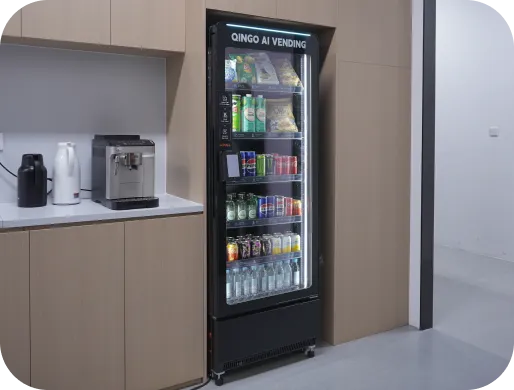
ROI and Profitability Breakdown
Because hotel guests value convenience, they are generally willing to pay a premium for immediate access to goods. This drives higher margins compared to public locations.
Here is a realistic ROI comparison based on different hotel environments:
| Business Metric | Budget / Highway Motel | Premium / Business Hotel |
| Daily Foot Traffic | 100 – 200 | 300 – 500+ |
| Estimated Purchase Rate | 2% – 5% | 7% – 15% |
| Average Transaction Value | $3.00 – $5.00 | $9.00 – $20.00 |
| Average Gross Margin | 30% – 40% | 50% – 70% |
| Estimated Payback Period | 8 – 12 Months | 4 – 6 Months |
Note: High-traffic locations with tailored product selections can achieve payback in as little as 4 months.
4. Selection Guide: Matching Machines to Hotel Scenarios
Choosing the right equipment depends entirely on the property type.
For Boutique Hotels and Hostels
Space is usually at a premium. Look for compact models or dual-zone machines that combine refrigeration and ambient storage in a single cabinet. This allows you to sell cold beverages alongside travel adapters without requiring two separate machines.
For Business and Transit Hotels
These locations require heavy-duty performance. Mid-sized, high-capacity models (such as the Qingo King 509) are highly recommended because they balance a manageable footprint with the ability to stock a massive volume of diverse products.
For Luxury Resorts
Aesthetic integration is non-negotiable. Opt for machines with large, interactive touchscreens (for digital advertising) and custom exterior branding that matches the resort’s interior design. Automated retail lockers or hidden elevator-delivery systems work best here to maintain a premium feel.
5. Conclusion and Next Steps
Replacing outdated minibar operations with smart vending machines for hotels offers an immediate upgrade to both guest satisfaction and venue profitability. When evaluating a hotel vending machine for sale, prioritize AI software capabilities, flexible dispensing hardware, and payment convenience over securing the lowest initial price. A slightly higher upfront vending machines hotel cost for smart technology will pay for itself rapidly through automated inventory management, higher transaction values, and drastically reduced labor overhead.
FAQ
1. How much does a typical hotel vending machine cost?
The initial cost for a new, smart hotel vending machine typically ranges from $3,000 to $6,000, depending on hardware configurations like touchscreen size, elevator delivery systems, and AI inventory features.
2. What are the most profitable items to sell in a hotel vending machine?
Travel essentials (phone chargers, adapters), over-the-counter medications (pain relievers, antacids), and premium personal care items yield the highest profit margins, often exceeding 60-70%.
3. Can hotel vending machines accept room key payments?
Yes, advanced smart vending machines can integrate directly with a hotel’s Property Management System (PMS) via API, allowing guests to tap their RFID room keys and bill purchases directly to their final room invoice.
4. Are smart vending machines better than traditional in-room minibars?
Yes. Smart vending machines eliminate the labor costs associated with checking and restocking hundreds of individual rooms, prevent checkout disputes over minibar billing, and offer a much wider variety of products.
5. Where is the best location to install a vending machine in a hotel?
The most profitable locations are high-visibility, high-traffic zones such as the main lobby, adjacent to the front desk, inside 24-hour fitness centers, or near elevator banks on guest floors.