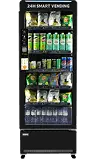
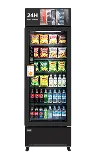
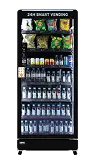
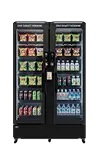
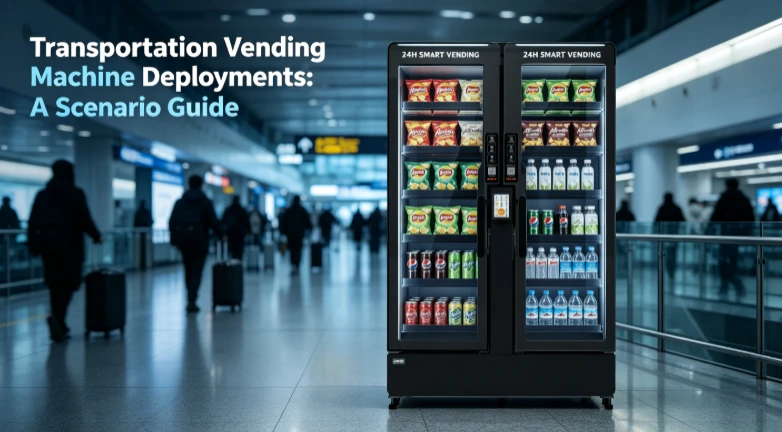
Airports and subway stations present unique retail opportunities. Thousands of travelers pass through these spaces daily. They want quick access to drinks, snacks, and personal items. A reliable transportation vending machine meets this exact demand. Operators can capture massive sales if they understand the specific needs of these bustling transit hubs.
Analyzing Passenger Needs in Transit Hubs
Travelers operate on tight schedules. They cannot afford to wait in long lines at traditional convenience stores. Their purchasing behavior revolves around speed and immediate gratification. Operators must understand these driving factors to succeed.
- Demand for Speed and Convenience
A passenger rushing to catch a flight needs instant service. Traditional checkout processes create friction. An effective airport vending machine must offer a frictionless grab-and-go experience. Shoppers want to tap their card, grab their item, and leave immediately.
- 24/7 Access to Essentials
Transportation hubs never truly sleep. Late-night flights and early subway commutes require constant retail availability. A travel essentials vending machine provides electronics, neck pillows, and hygiene products around the clock. This ensures travelers always have access to what they need.
Operational Challenges in Transportation Scenarios
While high foot traffic guarantees sales opportunities, it also creates significant operational hurdles. Operators face specific challenges when deploying a subway vending machine or airport unit.
- High Restock Frequency: Massive daily sales deplete inventory rapidly. Operators struggle to keep popular items in stock without excessive site visits.
- Peak Hour Bottlenecks: Sudden rushes of passengers create lines. Slow machines lose impatient customers who abandon their purchases.
- Complex Maintenance: Remote locations across vast airport terminals make daily management difficult. Operators need real-time data to monitor machine health.
Solution Matching: What Makes a Transit Machine Effective?
Choosing the right hardware dictates your operational success. A standard snack dispenser fails under the pressure of an international airport. Operators need smart retail solutions built for high-throughput environments.
The ideal machine features massive internal capacity, seamless payment integration, and intelligent management software. AI vision technology now replaces traditional spiral coils, eliminating jammed products and frustrating user experiences.
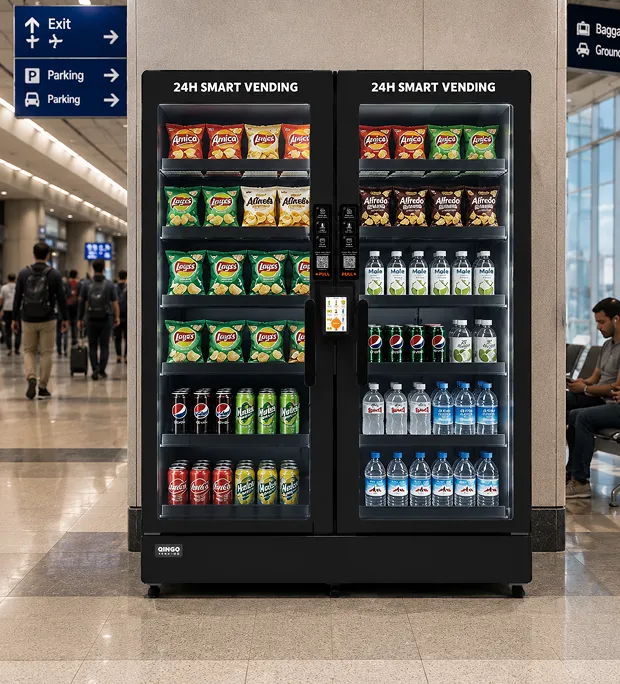
Deployment Considerations and the QINGO Pair Advantage
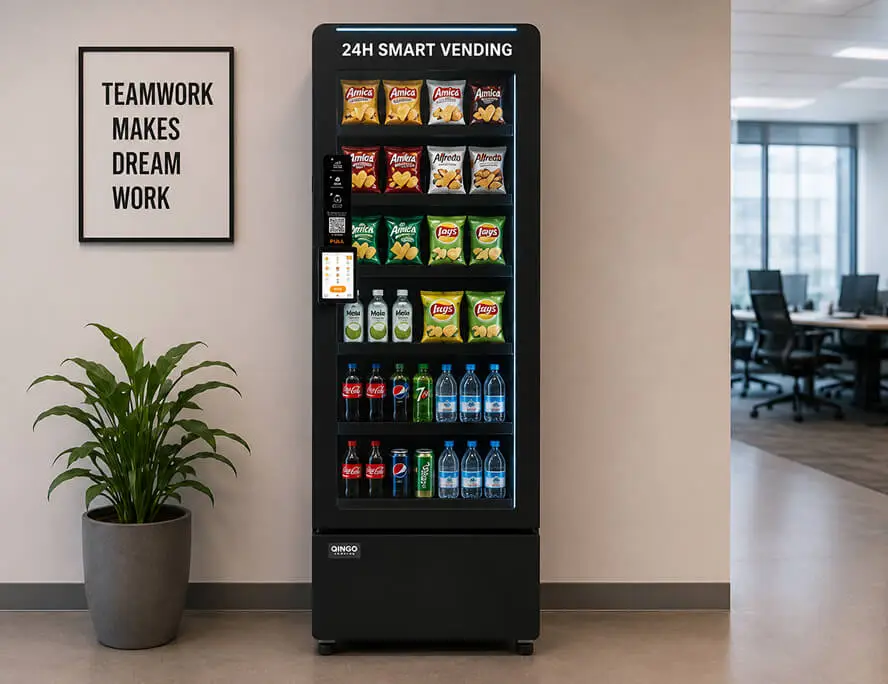
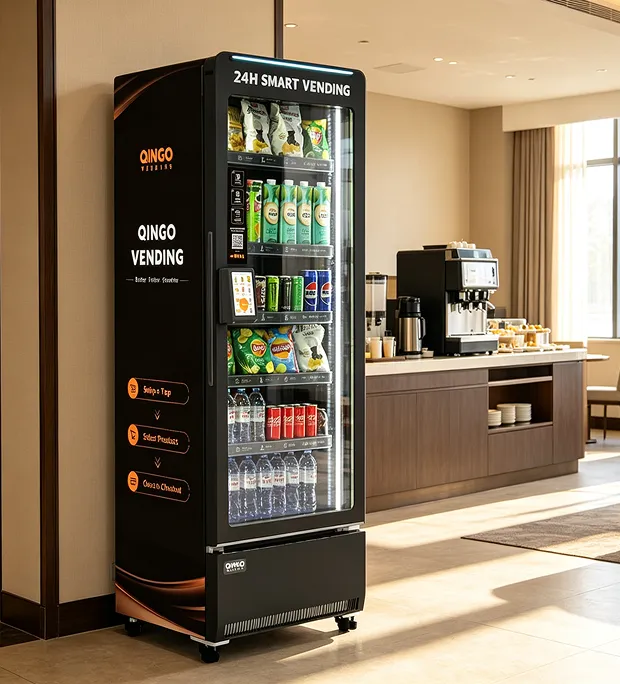
When evaluating solutions for these demanding environments, the QINGO Pair 1208 stands out. This system directly addresses the core challenges of transit hub deployments. It transforms high passenger volume into reliable revenue streams.
- Dual-Door Shopping: The QINGO Pair enables higher throughput. Multiple users can shop during peak hours, accelerating the checkout process and preventing lines.
- Massive Capacity: High-demand locations require robust inventory space. This model supports more products, which significantly reduces the refill frequency for operators.
- AI Automatic Checkout: Passengers experience true grab-and-go convenience. AI vision recognizes products instantly, delivering a faster cashier-free transaction.
- Remote Management: Operators monitor distributed sites effortlessly. The intelligent software tracks inventory and sales data across complex subway networks.
Business Value and Benefits
Deploying the right transportation vending machine maximizes operational ROI. AI-driven analytics help you understand exactly which items sell best at specific gates or platforms. You optimize your product mix based on real data.
Furthermore, reducing refill trips lowers your labor costs. High-capacity machines ensure you never miss a sale during critical peak hours. You capture high spending potential while maintaining an efficient, low-friction business model.
FAQ
- What items sell best in an airport vending machine?
Beverages, snacks, and travel essentials top the list. Passengers frequently buy neck pillows, charging cables, headphones, and bottled water before flights. - How does a subway vending machine handle peak hour traffic?
Smart machines use fast AI checkout systems to process transactions in seconds. Models like the QINGO Pair offer dual-door access to serve more people quickly without causing bottlenecks. - Are travel essentials vending machine deployments profitable?
Yes, these deployments offer excellent profitability. Travel essentials carry higher profit margins compared to standard snacks, maximizing revenue in high-traffic transit areas. - How often do operators restock a transportation vending machine?
Operators typically restock every one to three days, depending on machine capacity and foot traffic. High-capacity smart machines significantly reduce this refill frequency. - Do smart transit vending machines accept international payments?
Modern systems integrate with diverse cashless payment gateways. They accept major credit cards and mobile wallets, serving international travelers effortlessly.