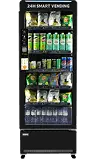
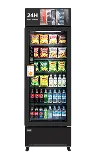
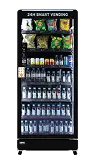
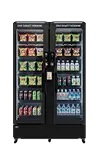
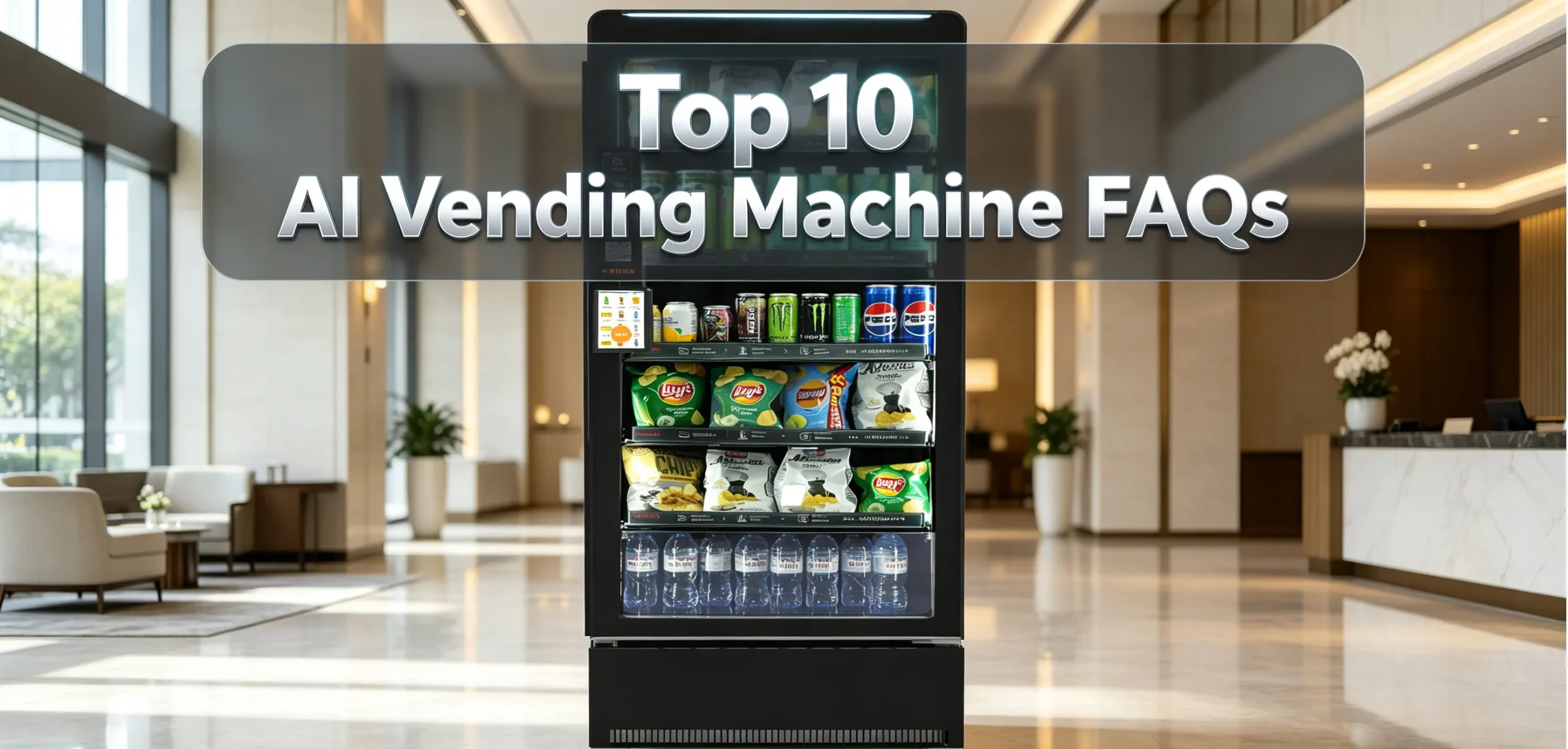
The automated retail industry is undergoing a massive shift as traditional mechanical dispensers give way to intelligent systems. Integrating Artificial Intelligence (AI) into vending machines is no longer a futuristic concept—it is a current standard for operators looking to maximize efficiency and consumer engagement. This guide addresses the most critical questions regarding AI vending technology to help you navigate this evolving landscape.
1. What exactly is an AI vending machine?
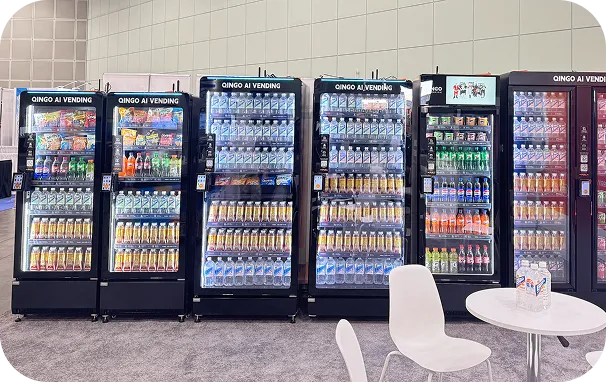
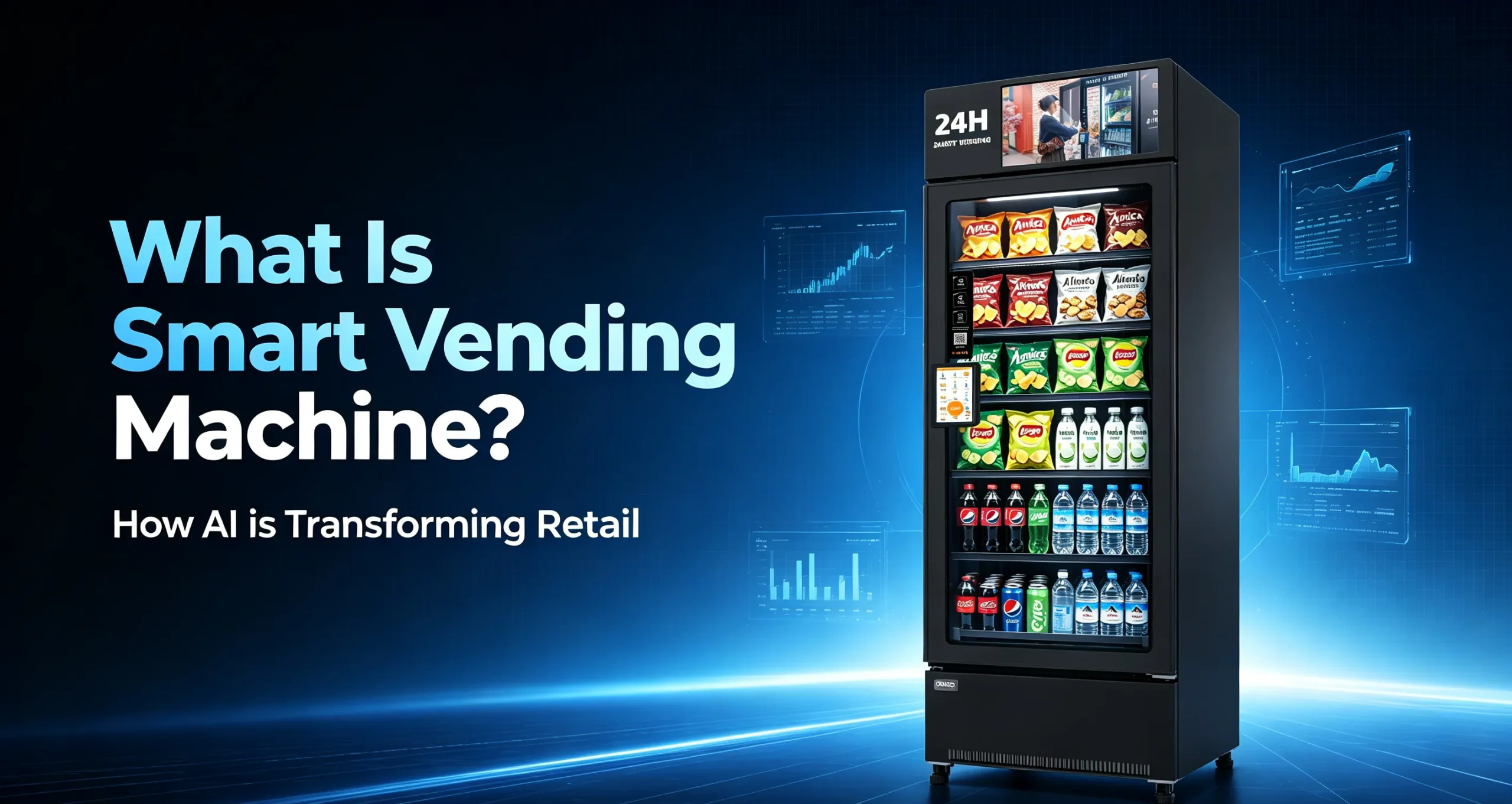
An AI vending machine is an automated retail solution that uses technologies like computer vision, machine learning, and data analytics to handle transactions and inventory. Unlike traditional machines that rely on coils and motors, AI machines often utilize “grab-and-go” technology. This allows customers to open a door via payment pre-authorization, take what they want, and be charged automatically when the door closes.
2. How does computer vision work in these machines?
Computer vision utilizes high-speed cameras and deep-learning algorithms to identify products as they are removed from shelves. When a customer picks up an item, the system recognizes the product’s visual profile (shape, label, and size). This data is cross-referenced with weight sensors (load cells) in many cases to ensure 99.9% billing accuracy, even if a customer puts an item back in the wrong spot.
3. Are AI vending machines more profitable than traditional models?
Yes, AI vending machines typically offer a higher ROI due to increased transaction volume and reduced operational costs. The “frictionless” shopping experience—where customers don’t have to navigate buttons or wait for a coil to turn—encourages multi-item purchases. Furthermore, the ability to sell high-value or fragile items (like glass-bottled kombucha or electronics) that traditional machines might damage expands your revenue potential.
4. How do AI vending machines prevent theft and shrinkage?
Theft is minimized through a secure “pre-authorization” payment process. A customer must swipe a credit card or scan a mobile wallet before the machine’s electronic lock releases. Because the computer vision system tracks every movement inside the cabinet, the machine knows exactly who took which item. If an item is removed and the door is closed, the transaction is processed instantly, making traditional “shaking” or “reaching” theft impossible.
5. Can AI help with inventory management and “out-of-stock” issues?
AI provides real-time telemetry and predictive analytics to optimize your supply chain. Instead of driving to a machine only to find it half-empty, operators receive mobile alerts when specific SKUs are low. More advanced AI systems can even predict future demand based on local weather, holidays, or historical sales trends, allowing you to stock exactly what will sell before the demand peaks.
6. What types of products are best suited for AI vending?
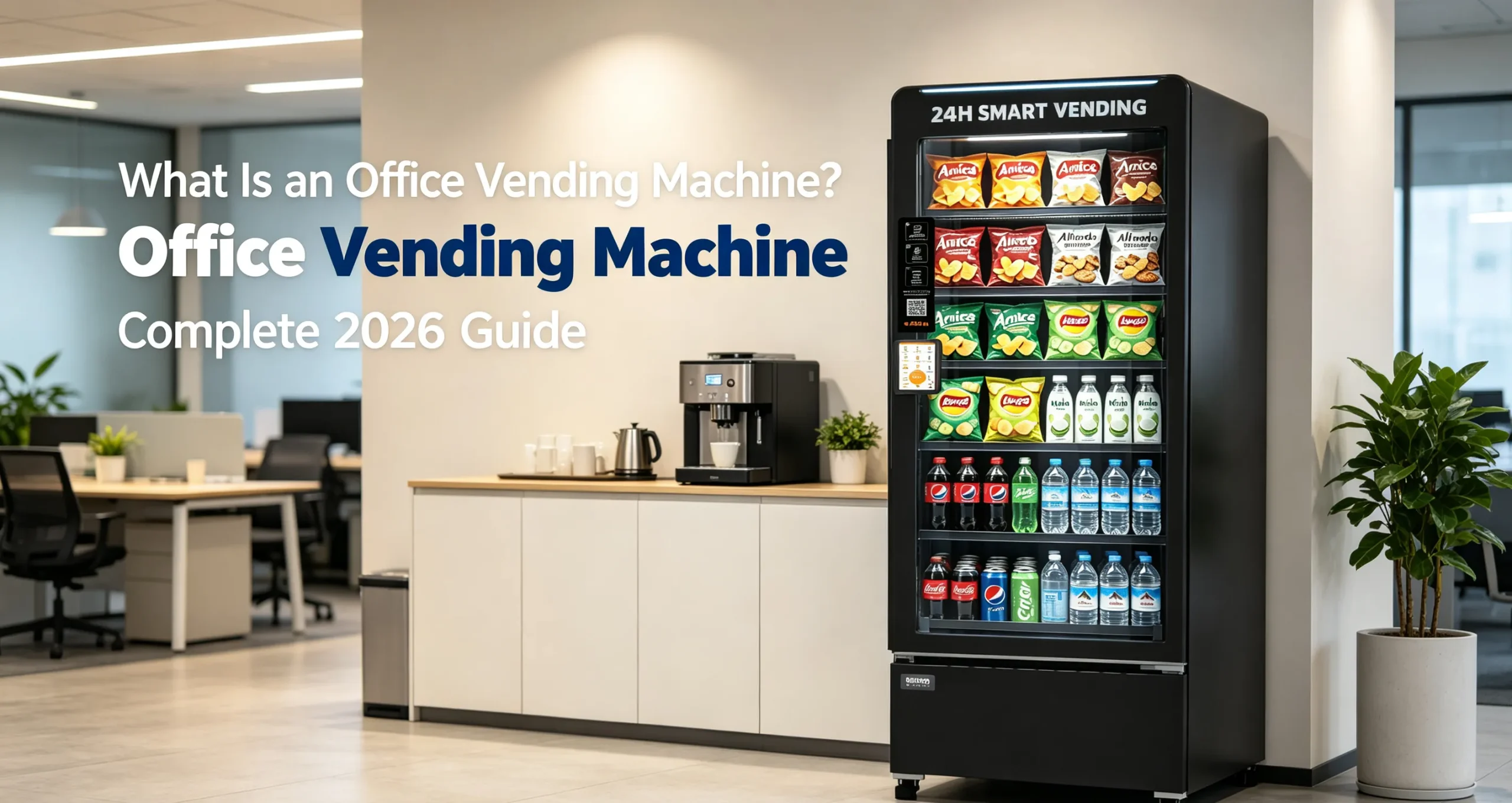
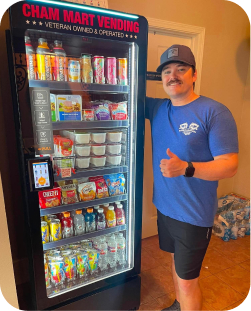
AI machines are ideal for fresh food, beverages, electronics, and high-margin retail goods. Because these machines don’t rely on specific slot sizes (like traditional coils), you can sell oddly shaped packaging, heavy items, or fragile goods. This flexibility makes them a favorite for “Micro-Markets” in office buildings, hospitals, and transit hubs.
7. Do these machines require specialized internet connections?
Most AI vending machines require a stable 4G/5G or Wi-Fi connection to process image recognition and payments in real-time. Since the “brain” of the machine often communicates with cloud-based servers to verify products and process transactions, high-speed connectivity is essential. Many manufacturers now build industrial-grade LTE routers directly into the hardware to ensure 24/7 uptime.
8. Is the maintenance more complex than a standard machine?
While the software is more advanced, the mechanical maintenance is actually simpler. AI vending machines have fewer moving parts—no coils, no dispense arms, and no complicated motors that frequently jam. Maintenance focuses primarily on cleaning camera lenses, ensuring the cooling system is dust-free, and performing occasional software updates which can usually be done remotely.
9. How do customers pay at an AI vending machine?
AI machines are designed for a “cashless first” environment, supporting credit/debit cards, Apple Pay, Google Wallet, and even biometric payments in some regions. By removing the cash bill validator, operators eliminate the most common point of mechanical failure and the security risk associated with storing physical currency on-site.
10. What is the average lifespan of an AI-integrated machine?
The physical chassis of an AI vending machine typically lasts 7 to 10 years, while the software and sensors are designed for modular upgrades. To stay competitive, most operators look for “future-proof” hardware that allows for camera or processor upgrades without replacing the entire cabinet. This modularity ensures the machine remains compatible with new payment methods and AI algorithms as they emerge.
The transition to AI in the vending sector is driven by the demand for data and the consumer’s desire for speed. By implementing these smart solutions, operators move from being “refillers” to “retail data managers,” significantly increasing the valuation of their vending routes.