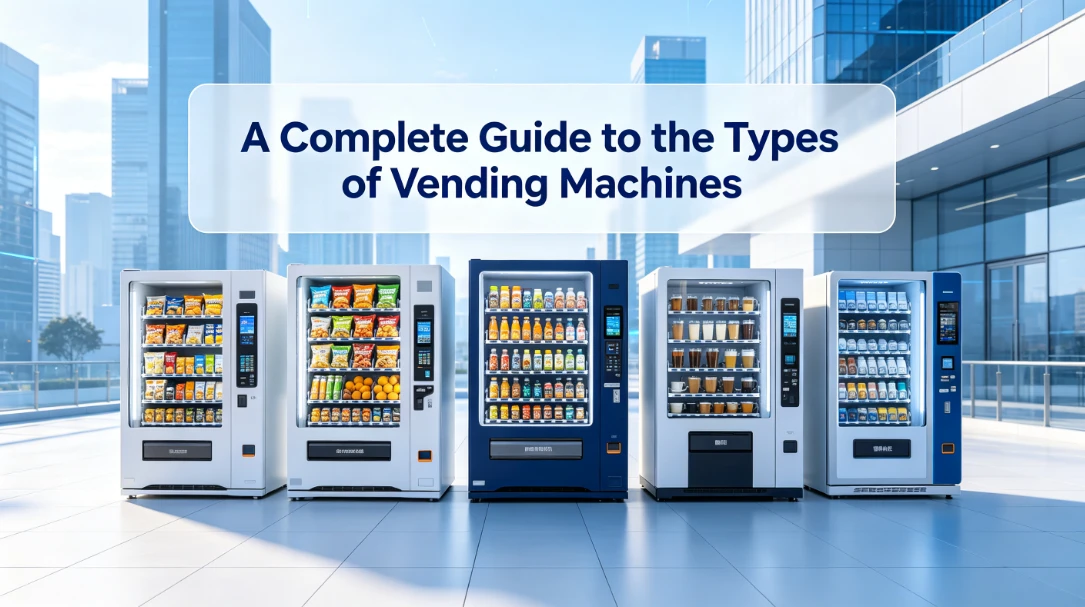
Choosing the right automated retail equipment dictates your business success. Operators must understand the types of vending machines available today. This knowledge ensures you meet consumer demands and maximize daily revenue. Let us explore the primary categories shaping the modern market.
Categorizing Vending Machines by Technology
You can divide modern equipment into two main technological categories. Each serves a distinct operational purpose and offers unique benefits for specific retail environments.
- Traditional Coil Vending Machines
Traditional machines use metal coils and motors to dispense items. Users insert payment, select a code, and watch the spiral push the product forward. These models offer high reliability and low maintenance costs. They remain the industry standard for non-fragile merchandise.
- Smart Grab-and-Go Vending Machines
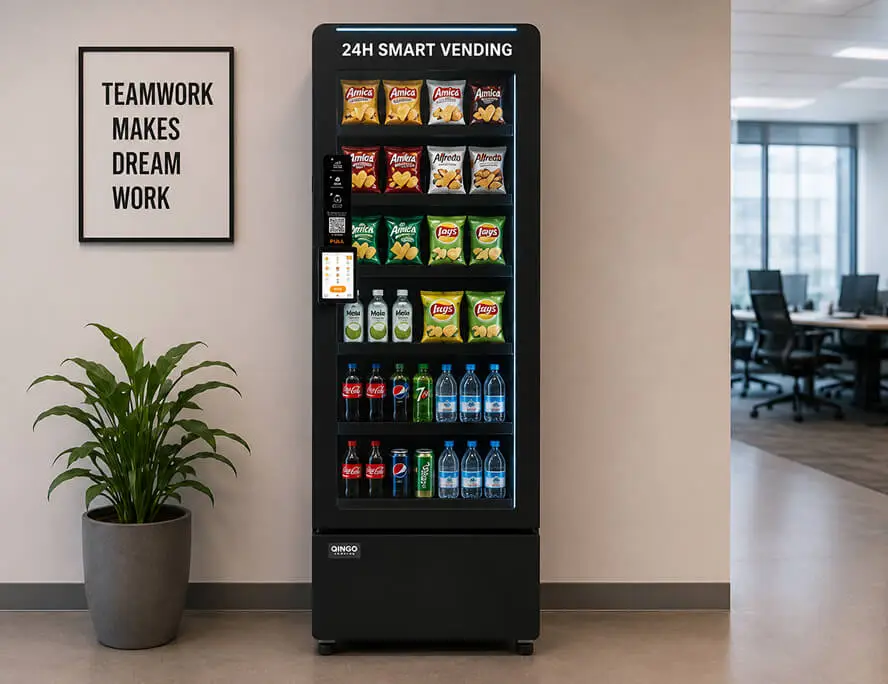
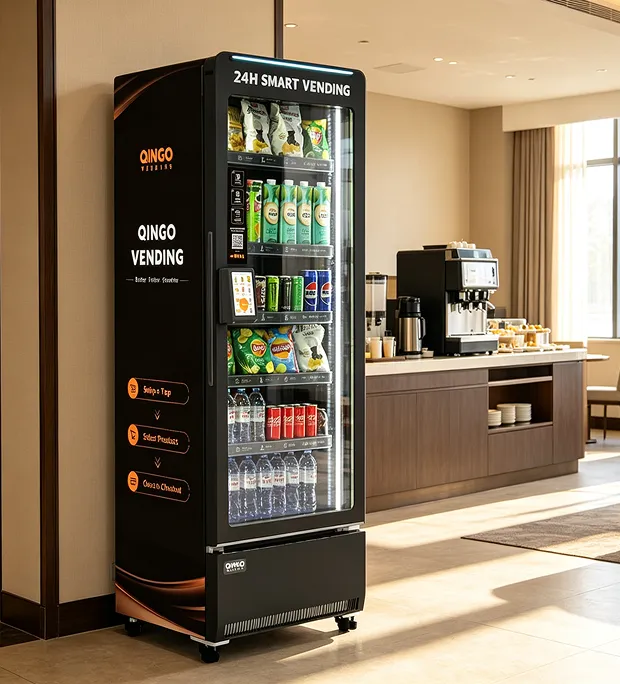
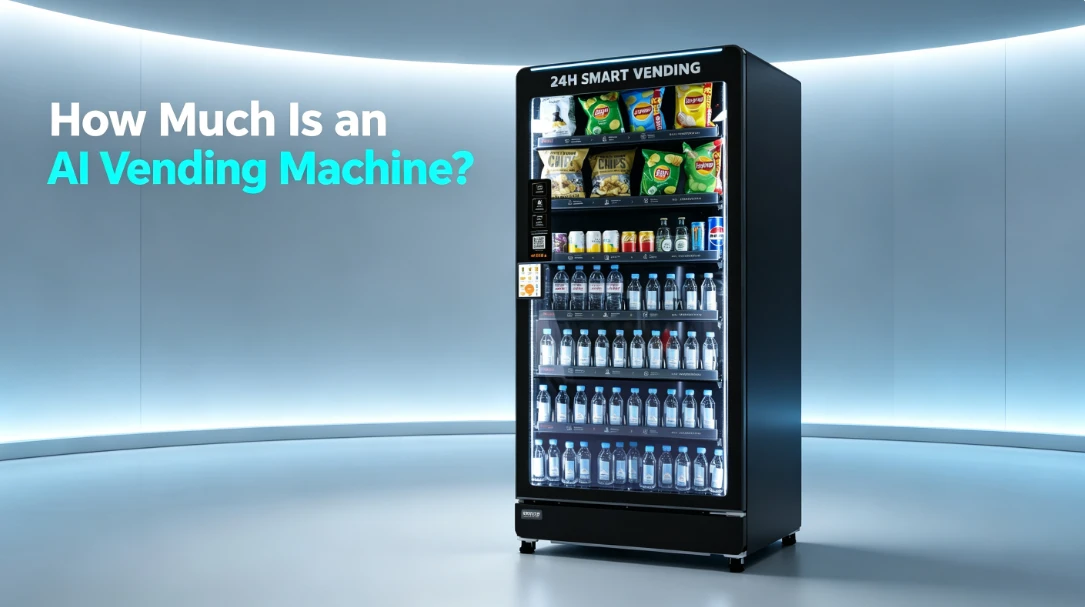
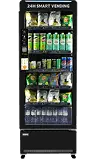
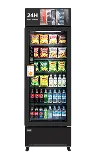
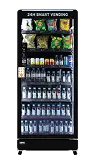
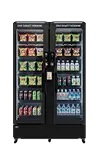
Smart machines deliver a frictionless shopping experience. Consumers tap a payment card, open the door, take what they want, and walk away. Internal AI cameras and weight sensors automatically track the removed items. This technology increases sales volume by encouraging multi-item purchases.
Exploring Options by Product Type
Matching the machine to the right merchandise is crucial for fast inventory turnover. You must select hardware designed specifically for your product category to maintain quality and safety.
- Soda and Drink Machines: Manufacturers build these with robust cooling systems. They keep canned and bottled beverages at optimal temperatures.
- Snack Machines: These units perfectly handle chips, cookies, and candy bars. They usually feature standard coil systems and operate at ambient temperatures.
- Fresh Food Machines: These models include strict health timers and advanced refrigeration. Operators use them to sell sandwiches, salads, and complete meals safely.
Understanding Machine Sizes
Location constraints dictate the physical footprint of your equipment. We can categorize all types of vending machines into three general sizes based on capacity and spatial requirements.
- Small Machines: Operators place these compact units on countertops or in narrow hallways. They work best for specialty items and low-traffic locations where space remains highly restricted.
- Middle Machines: These units fit perfectly inside standard office breakrooms and small lobbies. They comfortably hold standard snack and drink combinations to serve moderate daily foot traffic.
- Large Machines: Manufacturers build these for open public spaces, airports, and large shopping malls. They easily handle high-volume sales and diverse inventory needs while requiring significant floor space.
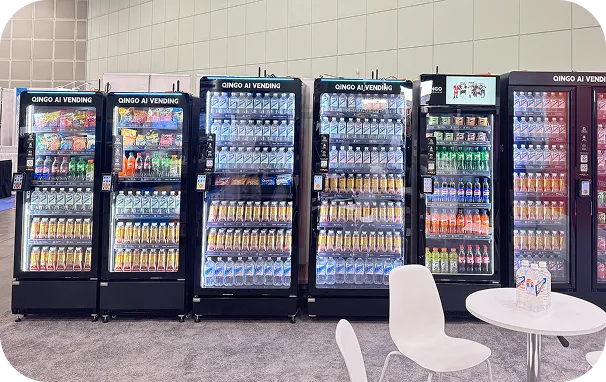
Matching Equipment to Scenario Needs
Every location requires a specific retail approach. Understanding environmental needs helps you deploy the most effective solution for your target consumer base.
- Offices and Schools
Students and office workers need quick energy boosts throughout the day. Combination machines offering both snacks and beverages work best here. They provide maximum product variety within a highly compact physical footprint.
- Hospitals and Manufacturing Facilities
Shift workers often lack access to traditional cafeterias during late hours. Fresh food machines and smart fridges solve this problem perfectly. They provide continuous, around-the-clock access to nutritious meals and drinks.
- Hotels and Transportation Hubs
Travelers need immediate access to convenience items and hydration. Large-capacity drink machines and automated retail kiosks thrive in these areas. They handle high foot traffic efficiently and require less frequent restocking.
Summary
Evaluating the different types of vending machines empowers operators to make smart investment decisions. You must align the machine’s technology, size, and product focus with your chosen location. This strategic alignment ultimately drives customer satisfaction and sustainable business growth.
FAQ
- What is the most profitable type of vending machine?
Beverage and snack combination machines generally offer the highest profit margins. They appeal to impulse buyers and generate consistent daily sales across almost all commercial and educational locations. - How do smart vending machines prevent theft?
Smart machines use a secure combination of pre-authorization, internal weight sensors, and AI vision cameras. The system accurately tracks which items a user removes and charges their account immediately after the door closes. - Can one machine sell both food and drinks?
Yes, combination machines feature customized dual-temperature zones. Operators keep drinks cold in the lower refrigerated section while dispensing standard ambient snacks from the upper shelves. - What size vending machine do I need for an office?
A middle-sized combination machine works perfectly for typical offices housing 50 to 100 employees. This dimension balances adequate product variety with a manageable physical footprint for standard breakrooms. - Do fresh food vending machines require special maintenance?
Fresh food units require strict temperature monitoring and frequent expiration date checks. Operators must also clean the interior surfaces regularly to meet local health department regulations and ensure food safety.