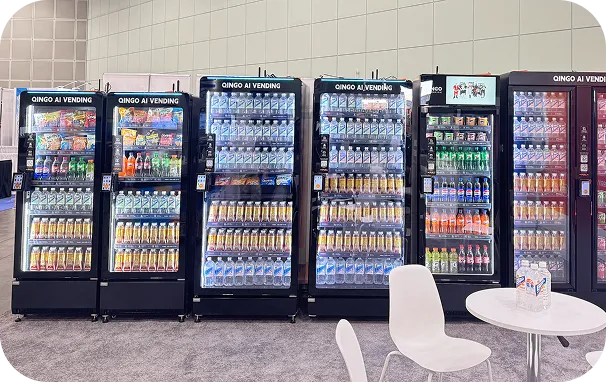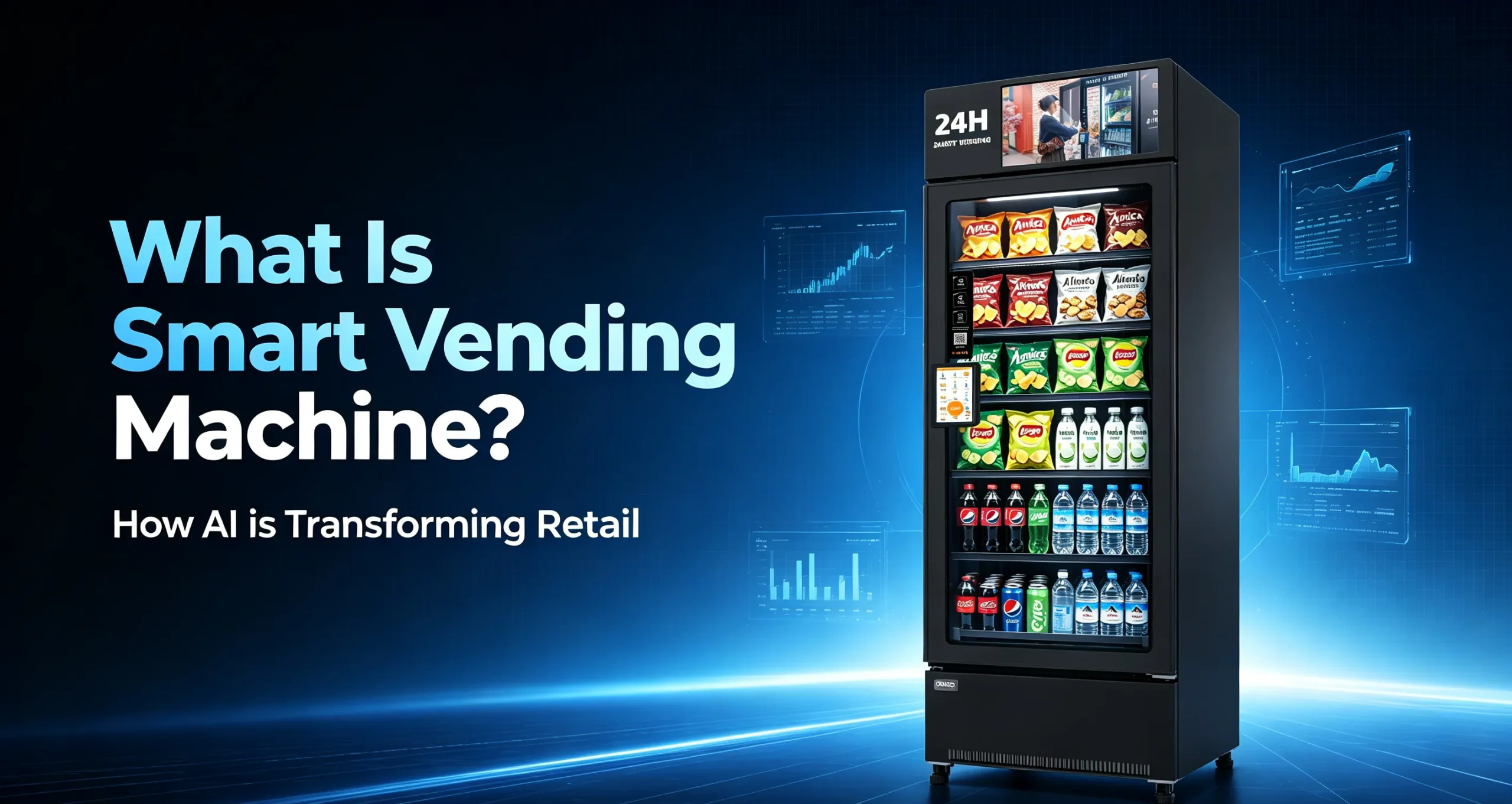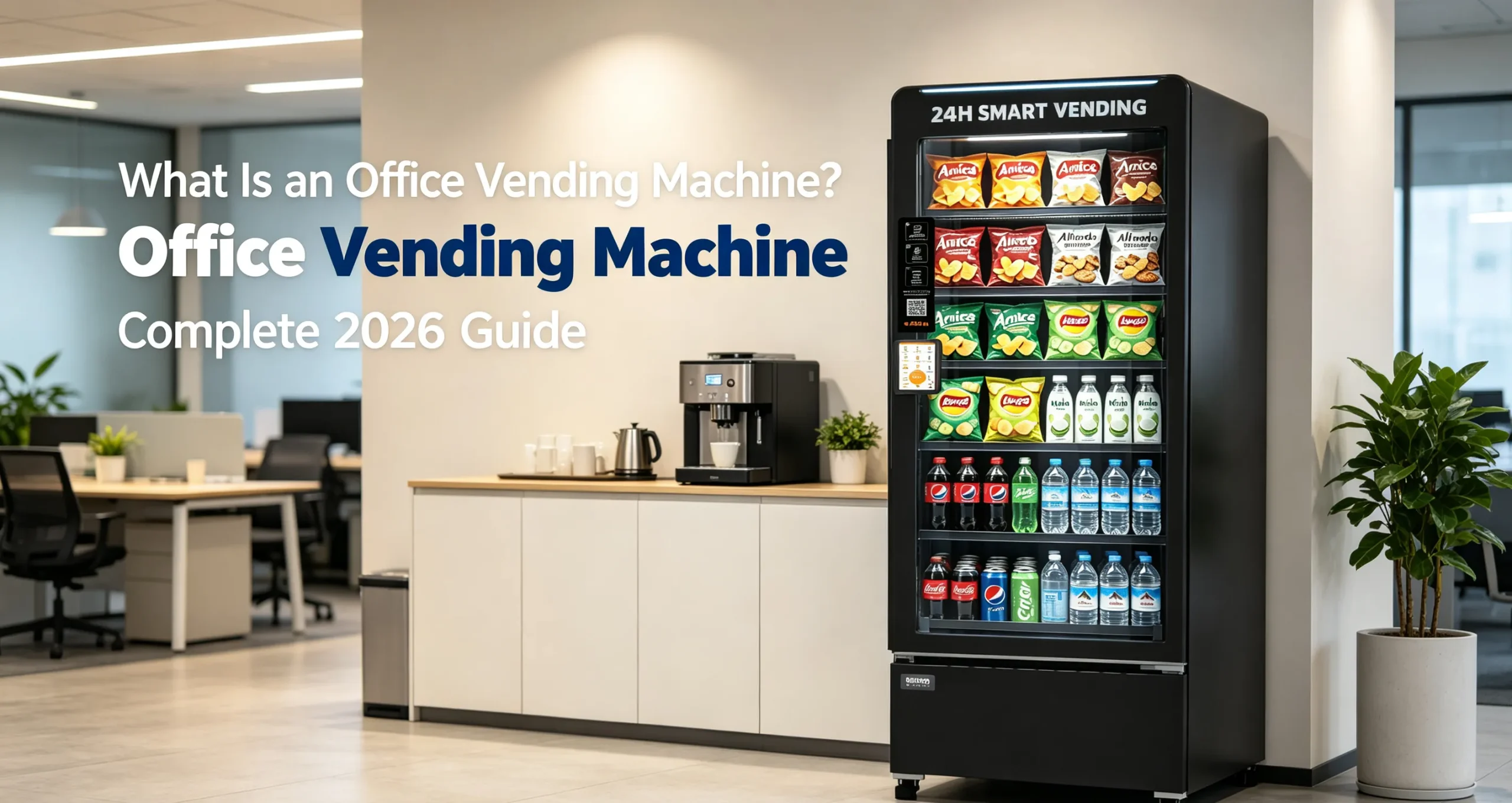
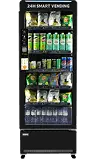
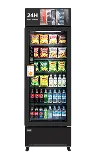
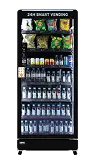
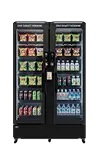
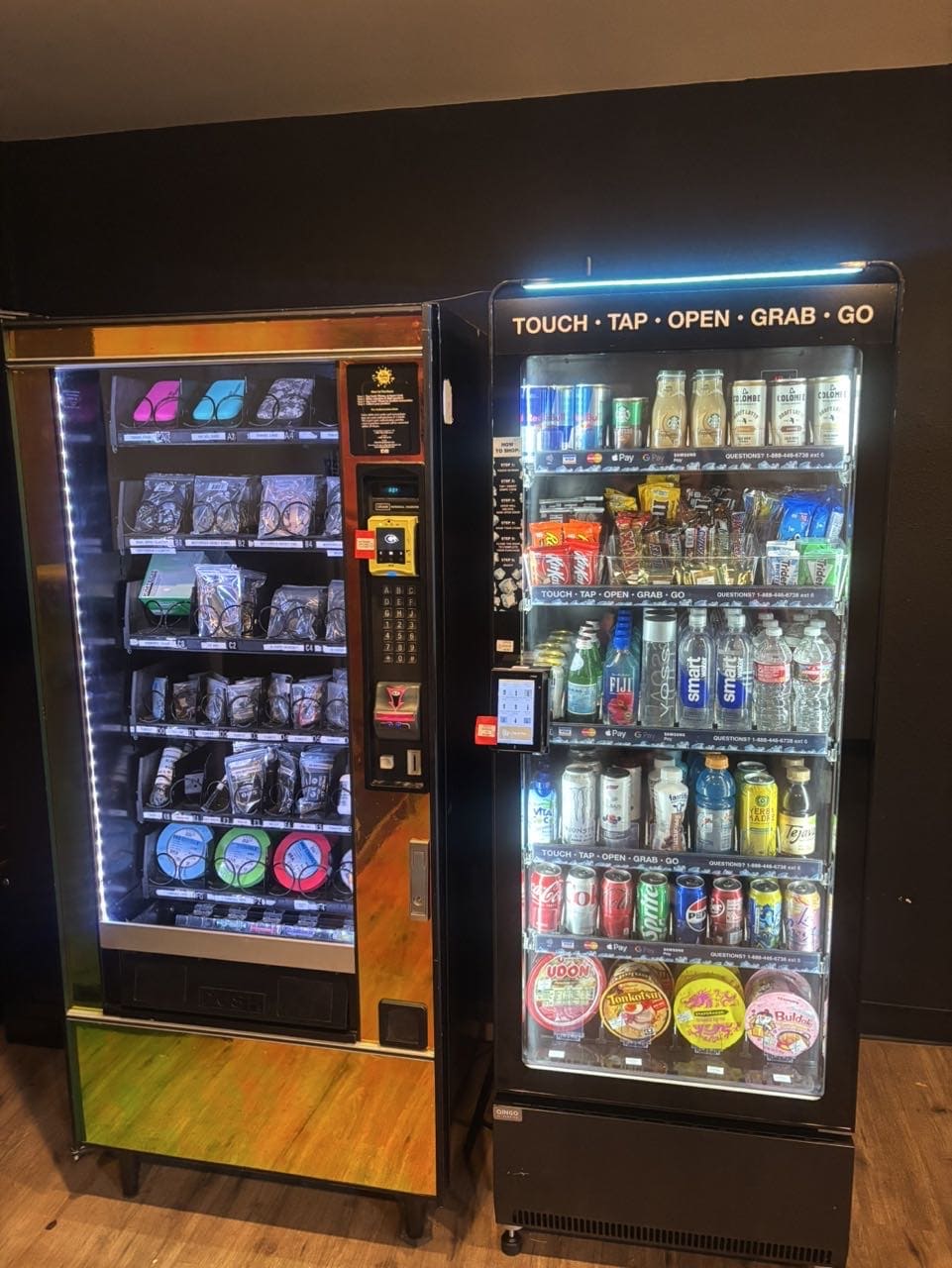
The integration of artificial intelligence into the vending industry has transformed simple snack dispensers into high-tech, autonomous retail hubs. For operators and entrepreneurs looking to enter this space, the choice often boils down to two prominent names: Qingo and Haha.
While both brands utilize computer vision and deep learning to facilitate “grab-and-go” transactions, their underlying business models and technical maturity differ significantly. Choosing the right ai vending machine involves looking beyond the sleek exterior and evaluating the manufacturing backbone and the data intelligence driving the system.
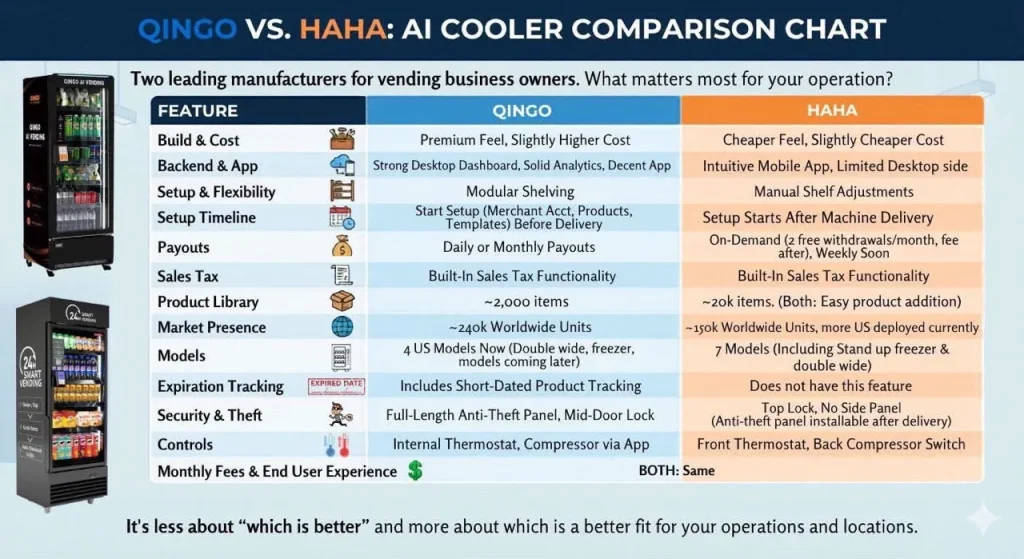
Comparison Overview: Qingo vs. Haha
| Feature | Qingo AI Vending | Haha AI Vending |
| Manufacturing | Self-owned Factory (In-house) | Third-party OEM / Outsourced |
| AI Data Scale | 250,000+ Machines Active | Limited / Emerging |
| Quality Control | End-to-end proprietary oversight | Dependent on third-party standards |
| AI Maturity | High (Massive dataset refinement) | Moderate (Standard recognition) |
| Customization | Deep hardware & software integration | Limited by OEM chassis designs |
1. Manufacturing Philosophy: Factory-Direct vs. OEM
The most fundamental difference between these two providers lies in how the hardware is produced.
Qingo operates its own dedicated manufacturing facilities. In the vending industry, owning the factory is a significant advantage for quality control. It allows for immediate iterative improvements—if a mechanical sensor or a door seal needs upgrading, the change is implemented directly on the production line. This results in higher machine durability and more reliable hardware-software synchronization.
Haha, by contrast, relies on third-party OEM (Original Equipment Manufacturer) partners. While this allows for rapid market entry, it creates a “middleman” gap in quality assurance. When software developers outsource hardware production, there is often a disconnect between the AI’s requirements and the physical machine’s performance, potentially leading to higher maintenance costs and shorter equipment lifespans.
2. AI Maturity and the Power of Data Scale
An ai vending machine is only as good as the data it has processed. Computer vision systems require millions of “training images” to accurately distinguish between a bottle of water and a bottle of soda, especially when items are moved or placed back incorrectly by customers.
- Qingo’s Edge: With a global footprint of over 250,000 machines, Qingo’s AI has processed a staggering amount of consumer behavior data. This scale means their algorithms have already “seen” almost every possible inventory error, lighting condition, and product orientation. This leads to a higher recognition accuracy rate and fewer “shrinkage” losses for the operator.
- Haha’s Position: While Haha offers functional AI technology, they lack the massive historical data pool that comes with a quarter-million active units. In a commercial environment, even a 2% difference in recognition accuracy can be the difference between a profitable month and an operational deficit.
3. Operational Reliability and Long-term ROI
For vending operators, the most expensive machine is the one that is out of order.
Because Qingo controls its manufacturing, parts availability is generally more stable. Operators aren’t waiting for a third-party factory to ship a proprietary component. Furthermore, the hardware is built specifically to house the AI sensors, reducing “noise” or interference that can occur in generic OEM cabinets used by brands like Haha.
In terms of ROI, Qingo’s data-driven insights allow for better inventory management. With 250,000 machines worth of data, their system can provide more sophisticated predictive analytics, telling operators not just what sold, but what will sell based on broader market trends.
Pros and Cons
Qingo
- Pros: Exceptional build quality via in-house manufacturing; industry-leading AI accuracy due to massive data scale; robust supply chain for parts.
- Cons: Higher initial focus on large-scale deployment.
Haha
- Pros: User-friendly interface; competitive entry-level pricing for small-scale testers.
- Cons: OEM manufacturing can lead to inconsistent hardware quality; AI recognition may struggle with high-SKU complexity compared to Qingo.
Final Recommendation
For serious business owners and distributors, Qingo is the superior choice for a long-term investment. The combination of owning the manufacturing process and possessing a massive data lead of 250,000+ machines provides a level of stability and “intelligence” that third-party OEM models like Haha struggle to match.
If your priority is high uptime, precise inventory tracking, and a machine built to last 7-10 years, the factory-direct advantage of Qingo offers a clear path to better ROI.
FAQ
1. Why is a self-owned factory better for an ai vending machine?
A self-owned factory allows for total quality control and seamless integration between the AI sensors and the physical hardware. It ensures that the machine is built specifically for the software, reducing errors and mechanical failures.
2. How does “data scale” affect my daily vending operations?
Data scale refers to how many transactions the AI has learned from. A machine with a 250,000-unit data pool, like Qingo, has a much higher recognition accuracy, meaning fewer mischarged items and less manual intervention for the operator.
3. Is Haha’s OEM model a risk for my business?
The risk with OEM models is the lack of direct control over hardware updates and parts. If the third-party manufacturer changes a component, it may affect how the AI performs, leading to potential maintenance headaches.
4. Can these AI machines handle different types of packaging?
Yes, both systems use computer vision. However, Qingo’s larger dataset allows it to more accurately identify flexible packaging, oddly shaped bottles, or stacked items that might confuse less mature AI systems.
5. Which machine is easier to maintain?
Generally, factory-backed machines like Qingo are easier to maintain because the provider has the full technical blueprints and a direct supply of replacement parts, whereas OEM-based companies may have to coordinate with external suppliers.
Reference Sources
- Vending Times: The Evolution of Computer Vision in Automated Retail.
- International Automatic Merchandising Association (IAMA) Manufacturing Reports.
- Journal of Retailing and Consumer Services: AI and Object Recognition Accuracy in Unattended Retail.