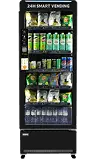
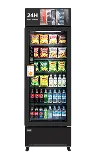
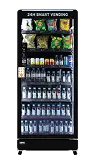
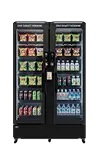
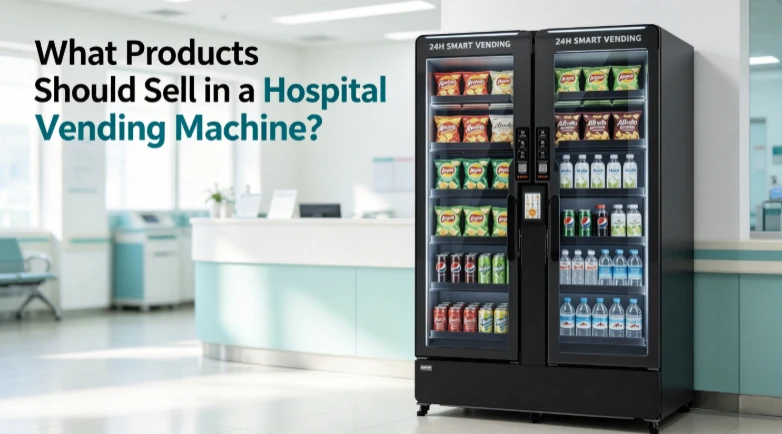
Hospitals operate constantly. Medical staff, patients, and anxious visitors walk the halls at all hours. They need immediate access to nourishment and essential items. Supplying the right hospital vending products transforms a standard machine into a vital facility resource.
Operators must understand that healthcare environments differ completely from standard retail spaces. A successful deployment requires specific inventory planning. This guide explains exactly what products work best and why they matter.
Why Hospital Vending Products Require a Unique Approach
Healthcare facilities demand a specialized retail approach. Standard junk food often violates hospital wellness policies. Administrators actively seek operators who understand health guidelines. You must stock items that support physical well-being.
Hospitals also serve high-stress populations. Visitors might wait for hours in lounges, while doctors work exhausting 12-hour shifts. Operators provide immense value by offering products that deliver sustained energy and practical comfort.
Essential Categories for Hospital Vending Machines
To maximize both service value and revenue, operators should divide their inventory into four primary categories. Each category serves a specific demographic within the healthcare facility.
Healthy Foods and Nutritious Snacks
Medical professionals rarely have time for a sit-down meal. They need quick, nutritious options to maintain their stamina. Standard chocolate bars and potato chips no longer meet institutional guidelines.
Consider stocking these healthy food options:
- Protein bars and energy bites
- Mixed nuts, almonds, and trail mix
- Fresh fruit and salads (in refrigerated units)
- Gluten-free and vegan snack alternatives
Low-Sugar and Zero-Sugar Beverages
Hospitals actively promote hydration while fighting obesity and diabetes. Traditional sugary sodas face strict limits or outright bans in many healthcare networks. You must align your beverage selection with these health initiatives.
Profitable and compliant beverage options include:
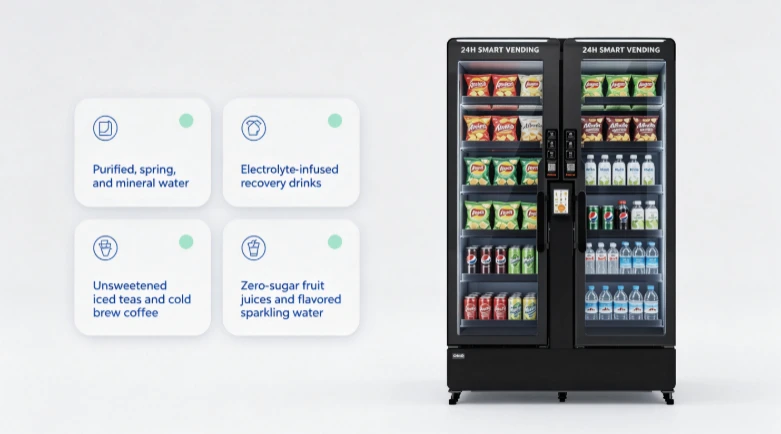
- Purified, spring, and mineral water
- Electrolyte-infused recovery drinks
- Unsweetened iced teas and cold brew coffee
- Zero-sugar fruit juices and flavored sparkling water
Daily Necessities and Personal Care
Many hospital visits happen unexpectedly. Families rush to the emergency room without packing overnight bags. Vending operators solve this immediate problem by offering travel-sized essentials right in the waiting room.
Essential daily items to stock:
- Dental kits containing a toothbrush and toothpaste
- Travel-sized deodorant, body wipes, and tissues
- Phone chargers, cables, and power banks
- Feminine hygiene products and lip balm
Essential Medical and Nursing Supplies
Vending machines also serve the direct needs of hospital operations. Staff members lose equipment, and visitors forget protective gear. Smart operators include specialized medical items in their product mix to support daily facility functions.
High-demand medical and nursing supplies:
- Surgical masks and N95 respirators
- Travel-sized hand sanitizers and antibacterial wipes
- Scrubs, compression socks, and bouffant caps
- Basic over-the-counter pain relievers (if permitted)
Business Benefits of a Tailored Product Mix
Choosing the right hospital vending products directly impacts your bottom line. Facilities reward compliant operators with long-term contracts and premium machine placements. You gain a competitive advantage by solving specific institutional problems.
Furthermore, premium healthy snacks and electronic accessories carry higher profit margins. Visitors value convenience during emergencies and willingly pay standard retail prices. A well-stocked machine ensures high daily turnover and consistent revenue.
Summary
Success in healthcare vending requires strategic inventory selection. Operators must prioritize healthy foods, low-sugar drinks, daily necessities, and medical supplies. By matching your hospital vending products to the unique needs of the facility, you build a profitable and sustainable business model.
FAQ
- What are the most profitable hospital vending products?
Healthy snacks, phone chargers, and premium beverages typically yield the highest profit margins. Visitors value convenience during emergencies and readily purchase these essential items at standard retail prices. - Can I sell over-the-counter medicine in hospital vending machines?
It depends entirely on local regulations and specific hospital policies. Some facilities allow basic pain relievers or antacids, while others strictly prohibit medicinal products. Always secure written permission first. - Why do hospitals restrict sugary drinks in vending machines?
Healthcare networks aim to promote public health and reduce obesity rates. Many hospitals sign wellness pledges that limit or ban high-calorie, sugary beverages to align with their medical mission. - How often should operators restock hospital vending machines?
High-traffic areas like emergency rooms often require restocking two to three times a week. Fresh food machines in staff breakrooms may need daily monitoring to maintain food safety and quality. - Do I need specialized machines for medical supplies?
Standard coil machines work well for many packaged medical supplies. However, operators frequently use elevator-style dispensing mechanisms for fragile items or liquids to prevent damage during the drop.