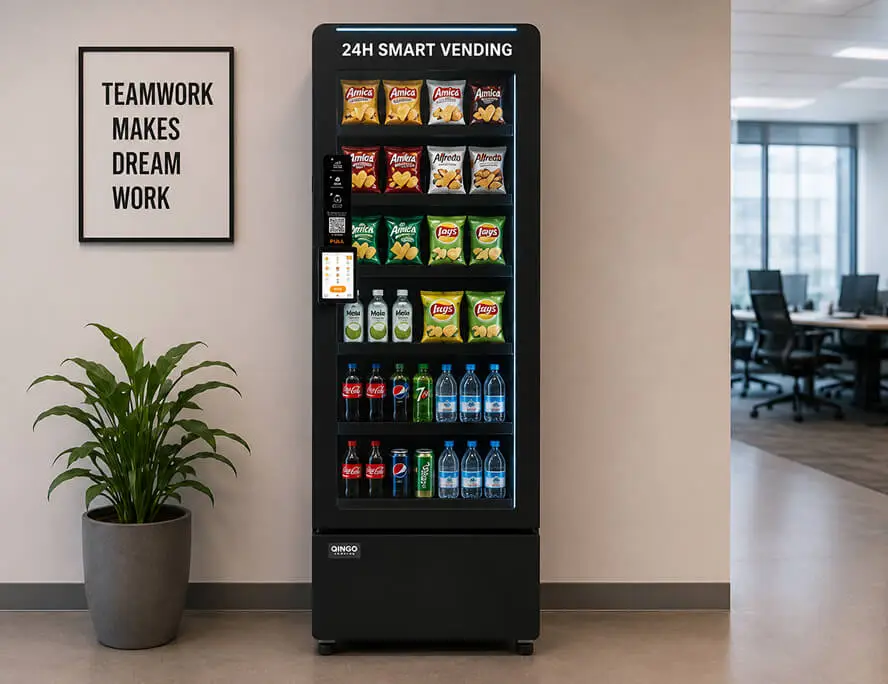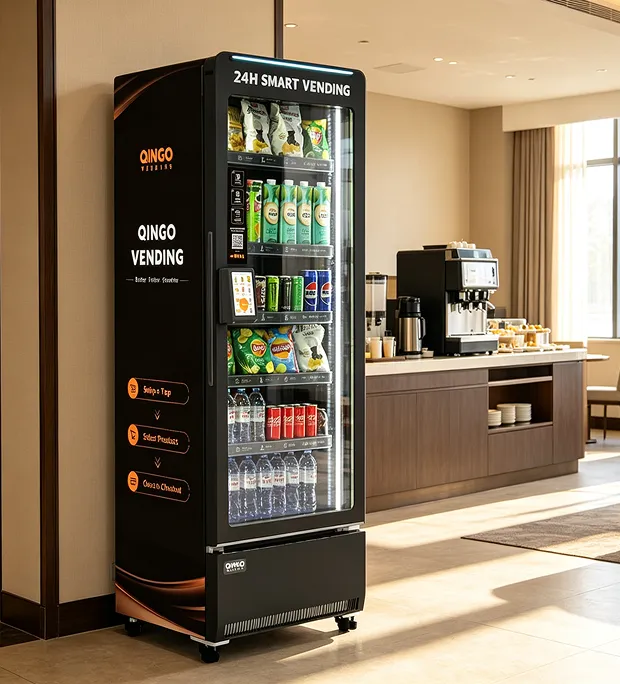
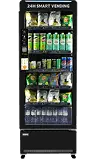
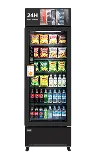
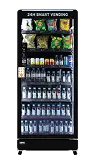
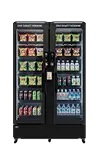
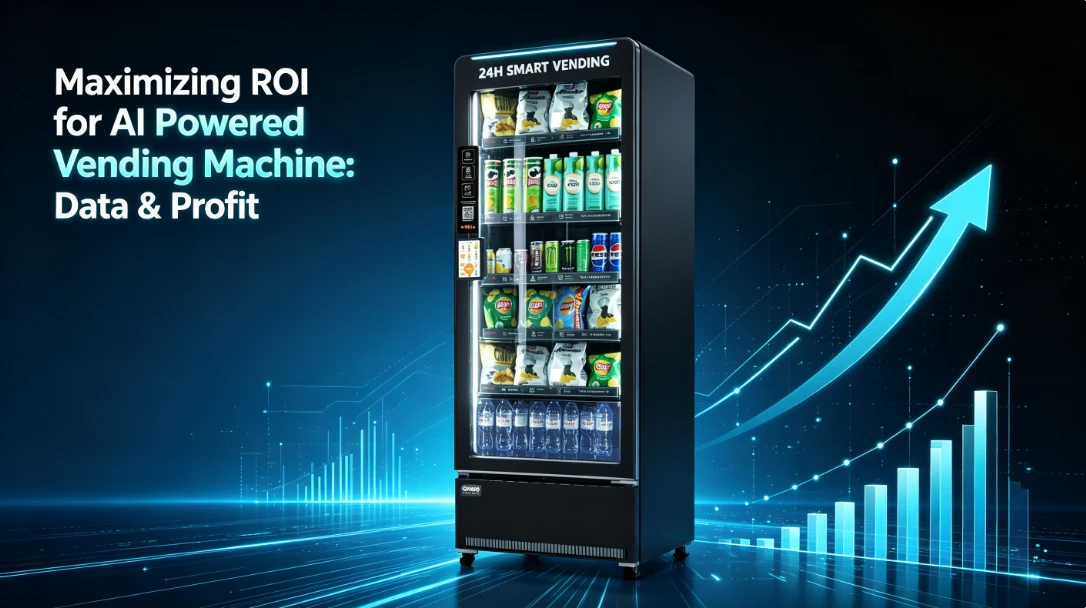
The vending machine industry is shifting from mechanical boxes to data-driven retail assets. Operators face rising labor costs and unpredictable stockouts with traditional machines.
Upgrading to an ai powered vending machine changes this dynamic entirely. Real-time data and computer vision replace guesswork with precision. This shift directly impacts operator profitability and overall business scaling.
The Automated Retail Business Opportunity
Entrepreneurs and operators want scalable solutions that require minimal manual intervention. The modern automated retail landscape offers exactly that.
Smart technology allows operators to manage hundreds of locations from a single dashboard. You no longer need to send drivers on blind routes just to check stock levels.
Market data shows that an ai powered vending machine can generate two to three times the revenue of a standard mechanical unit. This capability makes them highly attractive to distributors and business owners looking to maximize location value.
Revenue Factors: How AI Drives Sales Growth
Increasing top-line revenue requires having the right products available at the right time. AI achieves this through several powerful mechanisms.
- Dynamic Pricing: Operators can adjust prices based on peak hours or demand. This strategy alone can boost revenue by 15% to 25% across high-traffic locations.
- Fewer Stockouts: Machine learning algorithms predict when top-selling items will run out. Data indicates that AI analytics can reduce out-of-stock scenarios by up to 40%.
- Expanded Product Mix: Without the physical limits of mechanical coils, operators can sell premium, high-margin items like fresh food or electronics.
Cost Factors: Slashing Expenses with Data
Profitability is not just about selling more; it is about spending less to make those sales. An ai powered vending machine drastically cuts routine operational expenses.
Consider the cost of fuel, vehicle maintenance, and driver wages. Traditional operators waste thousands of dollars annually on unnecessary service trips to half-full machines.
- Route Optimization: Telemetry and AI forecasting eliminate unnecessary visits. Industry case studies reveal that AI implementation results in 15% fewer restocking trips.
- Reduced Shrinkage: Computer vision and weight sensors track every item precisely. This accuracy prevents theft and reduces shrinkage losses significantly.
- Lower Maintenance Costs: Predictive maintenance alerts operators before a component fails. This data saves expensive emergency repair bills and reduces machine downtime.
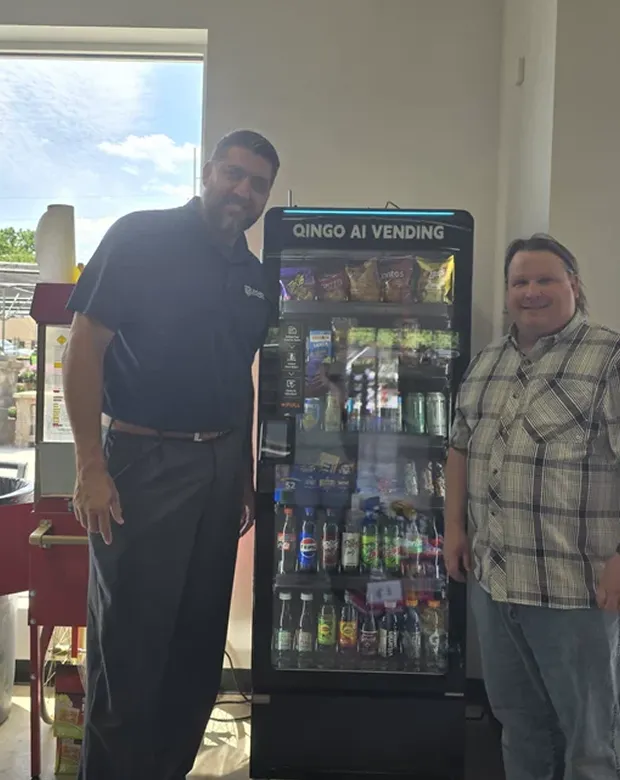
Traditional vs AI Vending Machine Economics
| Metric | Traditional Vending | AI Powered Vending Machine |
| Restocking Model | Fixed schedule | Predictive, data-driven |
| Stockout Rate | High (reactive) | Reduced by up to 40% |
| Route Efficiency | Low (unnecessary trips) | High (15% fewer trips) |
| Pricing Strategy | Static | Dynamic adjustment |
| Revenue Potential | Baseline | 2x to 3x higher |
Operational Considerations for Distributors
Scaling a vending business requires a robust operational framework. Distributors must focus on location selection and technological integration.
You must place AI machines in high-traffic environments that justify the initial hardware investment. Corporate offices, universities, and hospitals yield the best results for advanced unattended retail.
Furthermore, operators need to train their staff to trust the data. Drivers should only visit locations when the software dashboard flags a need for replenishment. This trust in the system unlocks actual operational savings.
ROI Analysis: The Payback Timeline
Investors want to know how quickly they can recover their capital. The return on investment for an ai powered vending machine relies heavily on location and product margins.
While initial hardware costs are higher than mechanical units, the accelerated revenue and reduced labor costs offset the premium. Operators achieve profitability much faster than they expect.
Data shows that a well-placed AI vending machine typically achieves full payback within 12 to 18 months. Multi-location operators often report overall operational savings of 25% to 35%, boosting the net margin of their entire fleet.
Conclusion
Data clearly demonstrates that an ai powered vending machine is not a gimmick. It is a fundamental upgrade to the unattended retail business model.
By leveraging real-time inventory tracking, dynamic pricing, and route optimization, operators can slash costs while maximizing revenue. This technology provides a clear, accelerated path to a higher return on investment.
If you want to scale your vending business profitably, integrating AI technology is no longer optional. It is the new standard for success.
FAQ
- Does an ai powered vending machine require a constant internet connection?
Yes. The machine relies on cloud connectivity to process cashless payments, update inventory levels, and send real-time alerts to the operator dashboard. - How does the machine recognize which products a customer takes?
The system utilizes computer vision cameras and weight sensors. These technologies work together to track exact items removed from the shelves with high accuracy. - Can I retrofit my old vending machines with AI technology?
Some telemetry devices can add basic tracking to old machines. However, true AI features like computer vision and open-shelf browsing require purpose-built smart coolers or cabinets. - What is the typical ROI timeline for an AI vending machine?
Operators typically recover their initial investment within 12 to 18 months. High-traffic locations with premium product offerings can achieve this even faster. - How much can route optimization reduce operational costs?
By analyzing real-time data, operators can eliminate unnecessary service visits. This approach typically reduces route and labor costs by 25% to 35% across a fleet.
Reference Sources
- Grabot – Financing & ROI Metrics for Smart Vending Machines
- VendSoft – AI Vending Machines: How they work, costs & examples
- VendAiMart – AI Vending vs Traditional Vending: The Complete Comparison
- Kiosk X – How AI-Powered Smart Vending Machines Generate 6-Figure Revenue
- BCG – Deploying AI to Maximize Revenue