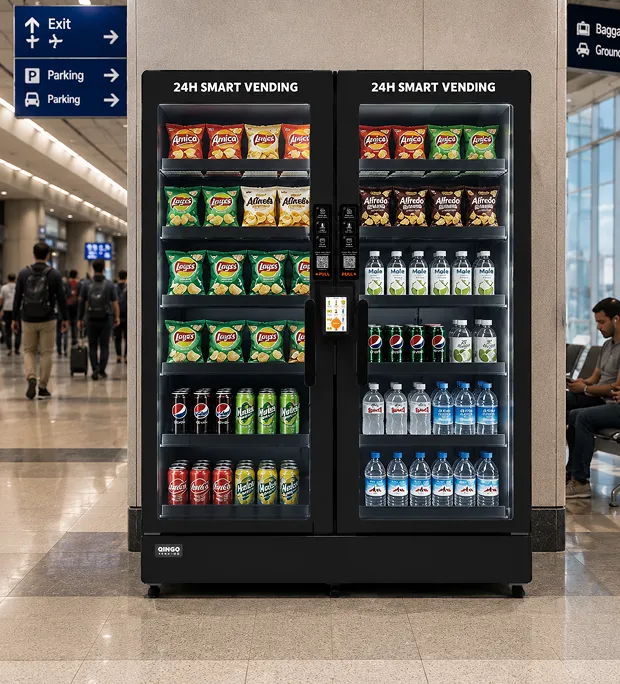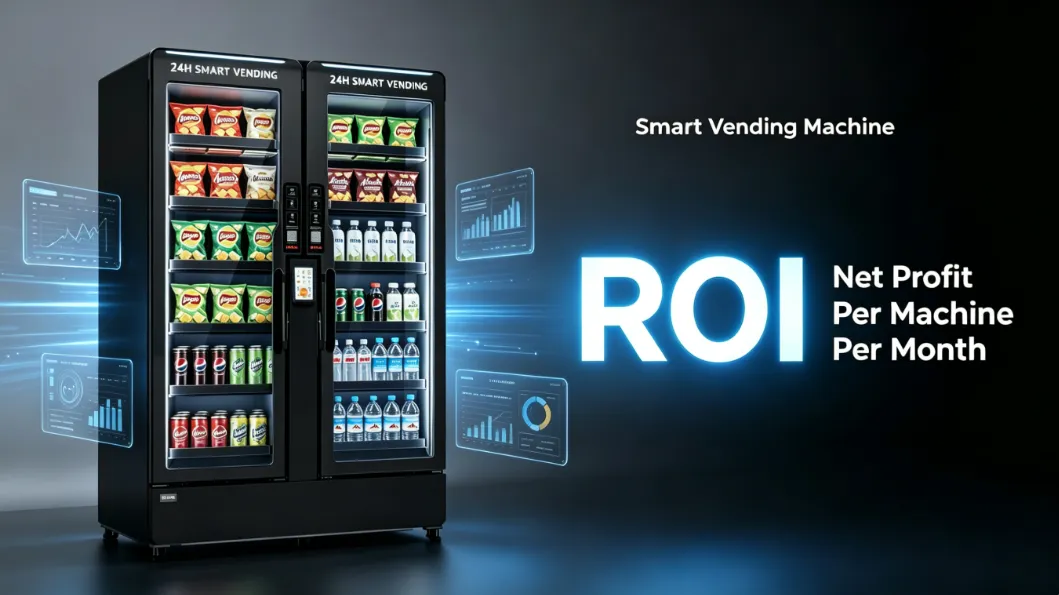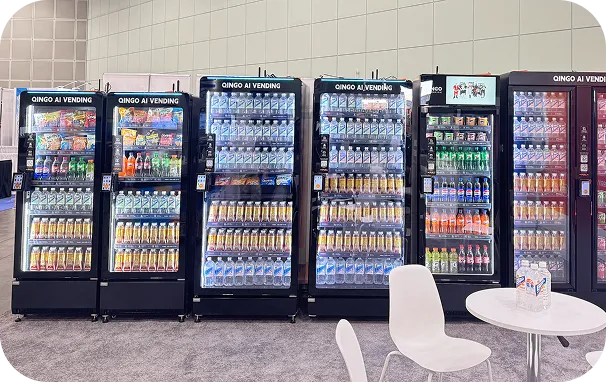
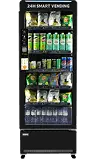
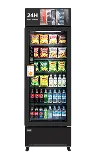
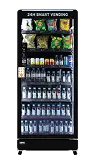
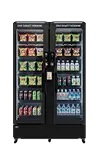
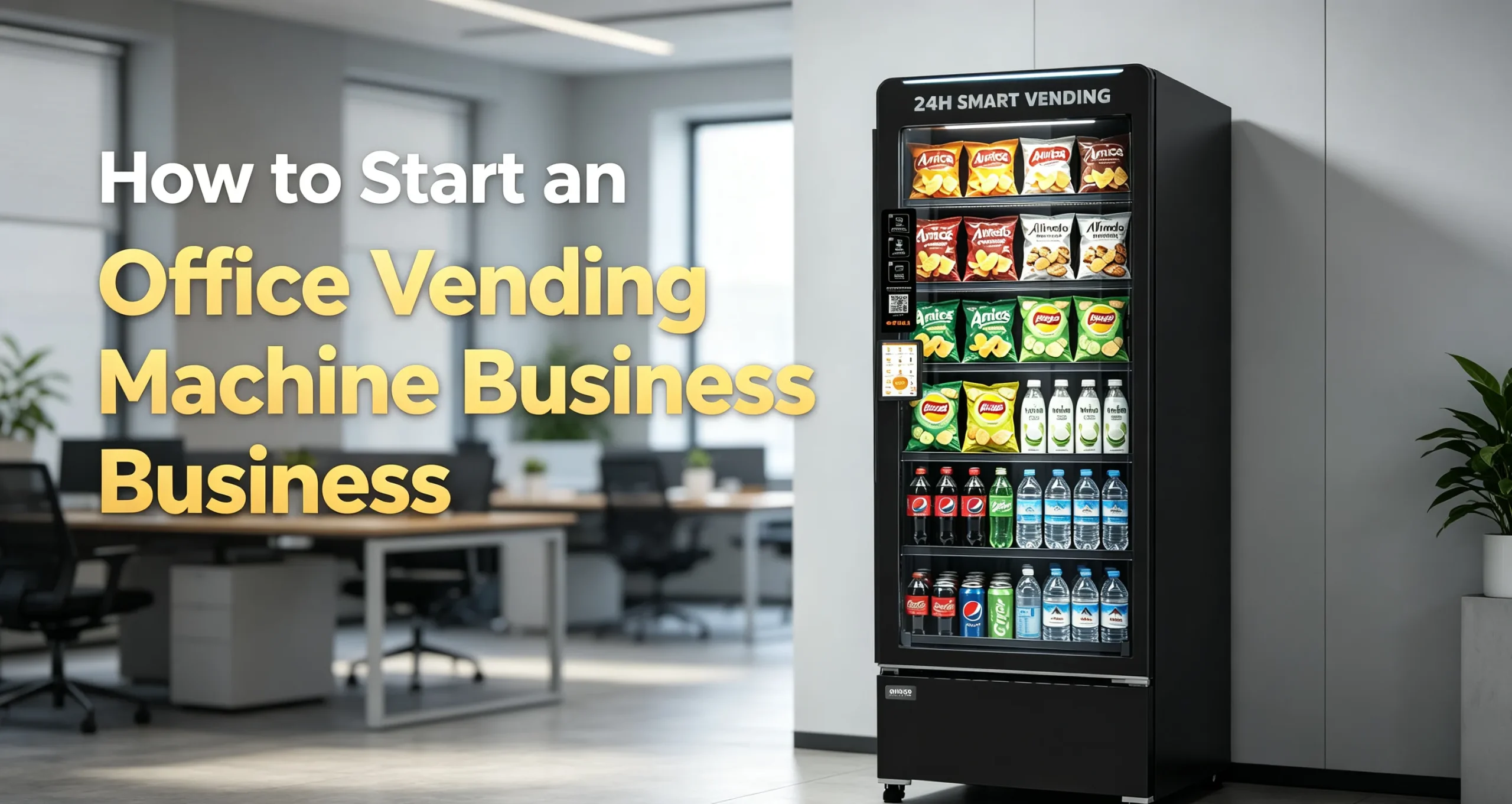
The corporate workplace relies heavily on on-site amenities to keep employees fueled, satisfied, and productive. For entrepreneurs and operators, establishing a vending machine business for office environments presents a highly scalable and predictable revenue stream. Unlike public transit hubs or retail spaces where foot traffic is transient, office buildings provide a captive audience with consistent daily routines and recurring purchasing habits.
However, succeeding in this sector requires more than just placing a machine in a breakroom. This guide explores the business models, capital expenditures, and strategic decisions required to build a profitable automated retail operation in corporate settings.
The Business Opportunity in Corporate Environments
Corporate offices are among the most stable locations for automated retail. Employees spend a significant portion of their day on-site, making the breakroom a central hub for daily consumption.
A modern office vending machine business benefits from several distinct advantages:
- Predictable Sales Volume: Consistent employee schedules make inventory forecasting highly accurate, reducing food spoilage.
- Captive Audience: Employees prefer the convenience of an on-site machine over leaving the building, leading to higher retention of daily consumers.
- Premium Purchasing Power: Office workers are increasingly willing to pay a premium for high-quality, convenient food and beverage options.
Revenue Factors: Maximizing Sales and Margins
Understanding what sells is the cornerstone of profitability. The modern workforce expects a curated mix of traditional favorites and functional foods.
To deploy the most profitable vending machines for office buildings, operators must optimize their product mix:
- Healthy Alternatives: The global market for healthy vending machine products has grown at a 13.4% compound annual growth rate (CAGR), substantially outpacing traditional snacks. Stocking protein bars, baked crisps, and low-sugar beverages can capture a broader, health-conscious demographic.
- High-Margin Beverages: Cold brew coffee, energy drinks, and enhanced water command premium retail prices, offering gross margins that often exceed 50%.
- Traditional Staples: Classic chips, chocolates, and sodas still drive reliable daily volume and should remain a foundational part of your inventory.
Cost Factors: Breaking Down the Investment
Understanding your initial Capital Expenditure (CapEx) and recurring Operating Expenses (OpEx) is critical for accurate financial forecasting.
- 1. Equipment Costs: The price of commercial-grade equipment varies significantly based on functionality. A refurbished basic machine might cost $1,500, while new, high-capacity smart machines can range from $3,000 to $6,000.
- 2. Technology and Connectivity: Modern consumers expect frictionless transactions. Industry data confirms that 71% of all U.S. vending transactions were cashless in 2024, with cashless customers spending 37% more per transaction than cash users. Installing card readers and telemetry systems usually costs $300 to $500 upfront, plus a small monthly software subscription fee.
- 3. Maintenance and Servicing: Preventative maintenance is an unavoidable operating expense. Refrigeration compressor failures account for 18% of vending maintenance work orders. Budgeting for quarterly inspections and emergency repairs protects your revenue stream from machine downtime.
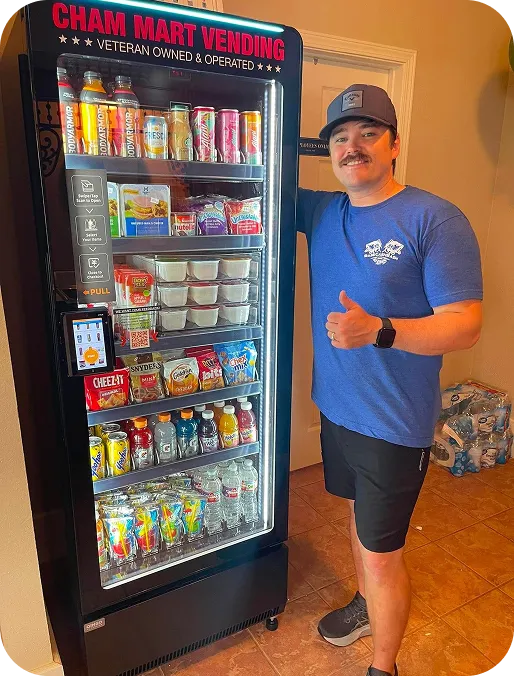
Equipment Comparison: Standard vs. Smart Machines
| Feature | Standard Vending Machines | Smart Vending Machines |
| Payment Options | Cash and coin only | Cashless, mobile wallet, RFID |
| Inventory Management | Manual tracking | Real-time telemetry and cloud analytics |
| User Experience | Basic keypad | Touchscreen interface, nutritional information |
| Capital Expenditure | Lower initial cost | Higher initial investment |
| Business ROI | Slower capital recovery due to missed cashless sales | Faster capital recovery driven by higher transaction values |
Developing a Vending Machine Business Plan for Offices
If you are researching how to start an office vending machine business, a structured approach is essential to minimize risk and accelerate profitability. Follow this strategic roadmap:
- Analyze Location Demographics: Assess the number of daily on-site employees. A location with 75 to 100+ permanent workers typically provides the volume necessary for stable, long-term revenue.
- Select the Right Equipment: Choose machines that fit the breakroom’s spatial constraints. Combo machines (dispensing both snacks and drinks) are excellent for mid-sized offices, while separate high-capacity units suit larger corporate cafeterias.
- Draft the Location Pitch: Approach facility managers or HR directors with a proposal that highlights employee convenience. Frame the service as a hands-off, modernized amenity that improves workplace satisfaction without adding administrative burdens.
- Establish Supply Chains: Partner with wholesale distributors to secure lower unit costs and maintain a consistent supply of inventory.
- Implement Management Software: Integrate route management and telemetry systems from day one. Remote monitoring allows you to track sales data and optimize restocking schedules efficiently.
ROI Analysis: Evaluating Profitability
The ultimate goal of any vending machine business plan for offices is achieving a swift Return on Investment (ROI).
Profit margins in the vending industry are driven by the spread between wholesale inventory costs and retail pricing. Typically, gross margins range from 40% to 60%. When evaluating the break-even point, operators must consider the initial machine cost against net monthly cash flow.
Data indicates that capital recovery break-even for a vending machine can take between 6 to 10 months, with premium, high-traffic locations achieving capital recovery in under 4 months. Success relies entirely on securing excellent locations, preventing stockouts through telemetry, and keeping equipment functional.
Conclusion
Starting an automated retail business in corporate environments requires upfront capital, strategic location sourcing, and proactive management. By investing in modern cashless technology, offering a balanced mix of healthy and traditional products, and utilizing data analytics to drive operational efficiency, operators can build a highly profitable and scalable business portfolio.
FAQ
1. Is an office vending machine business profitable?
Yes, it operates with strong gross margins. Profitability is largely determined by the building’s daily foot traffic, the relevance of the product mix, and operational efficiency. Locations with over 100 daily employees typically yield the most consistent returns.
2. How do I secure locations for my machines in corporate buildings?
Securing locations requires pitching directly to facility managers or HR directors. You must emphasize that your machines provide a modern, reliable amenity for their staff, complete with remote inventory monitoring and regular maintenance, requiring zero effort or oversight from the building’s management.
3. Do I need to pay a commission to place machines in office buildings?
In most standard office environments, commissions are not required. Facility managers generally view the machines as an employee perk rather than a revenue-sharing opportunity. However, massive corporate campuses or highly competitive locations might negotiate a 5% to 15% commission on gross revenue.
4. What are the most profitable vending machines for office buildings?
Combo machines that dispense both snacks and cold beverages maximize return on investment in limited spaces. For larger offices, smart micro-markets or specialized units offering fresh food, premium coffee, and healthy snacks tend to generate the highest transaction values and fastest ROI.
5. How often should I restock my machines?
Restocking frequency is dictated by sales volume and the machine’s capacity. A standard office with 50 to 100 employees generally requires weekly restocking. By utilizing telemetry software, operators can track inventory in real-time and only dispatch drivers when stock levels fall below a specific threshold, optimizing labor costs.