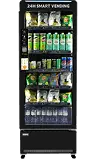
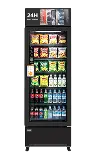
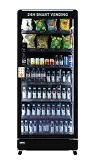
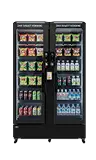
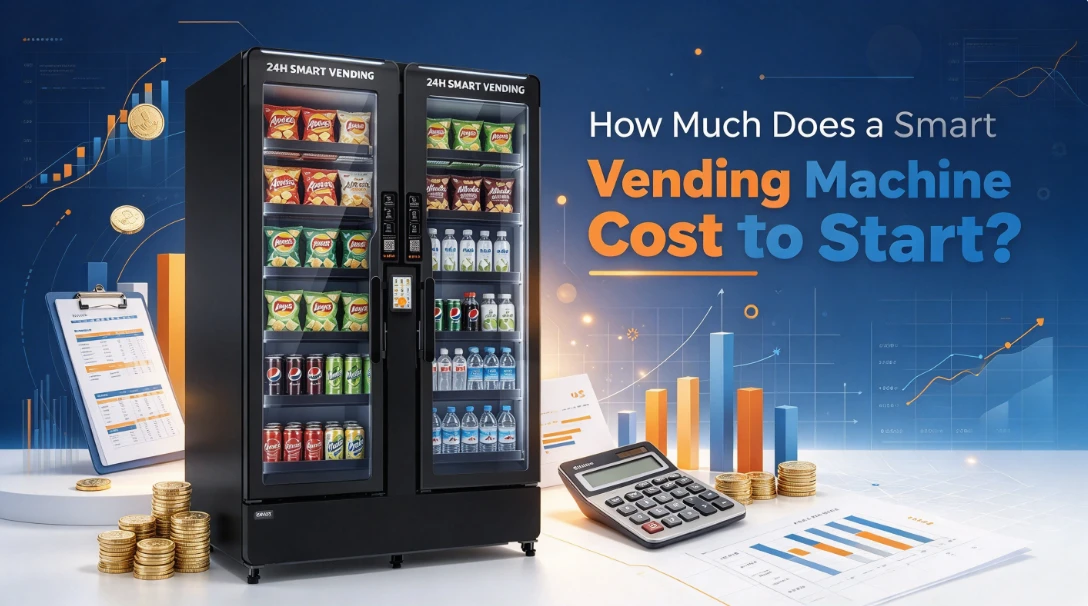
Launching an automated retail venture has evolved significantly with the rise of AI-driven smart cabinets. Unlike traditional coil machines, smart fridges allow customers to swipe a card, unlock the door, select products, and walk away while computer vision automatically tallies the purchase.
Before placing your first unit, you must map out both initial hardware investments and continuous operating expenses. Understanding how much does a vending machine cost—along with its software ecosystem and site fees—ensures you budget accurately from day one.
1. Upfront Capital Expense: The Machine Hardware
The machine itself represents your primary initial capital expense. Smart vending refrigerators range from single-door units for compact offices to dual-temperature, multi-door models designed for high-density venues.
- Standard Single-Door Smart Refrigerator: $2,500 – $3,800
- Dual-Door or Multi-Temperature Smart Cabinets: $4,500 – $6,500
Pricing depends on build quality, refrigeration standards, camera sensor resolution, and embedded lock reliability. Investing in certified components lowers future field maintenance costs and prevents temperature fluctuations that lead to spoiled inventory.
2. Recurring Tech Stack and Platform Subscriptions
Smart cabinets rely on connected services to track inventory, process transactions, and identify products. These digital infrastructure costs recur monthly or per transaction.
- Cloud Management Software (SaaS)
Operators pay a software platform fee ranging from $15 to $35 per machine per month. This software provides real-time sales dashboards, temperature telemetry, error diagnostics, and remote inventory monitoring across your fleet.
- Cellular IoT SIM Card
Smart fridges require steady internet to authenticate payment cards and upload camera footage. An industrial IoT SIM card with a dedicated data plan typically costs $5 to $10 per month depending on network volume.
- POS Terminal Gateway & Hardware Fees
Card readers and cashless payment devices incur two expense streams:
Terminal Rental / Gateway Fee: $10 to $15 per month.
Interchange Processing: 2.5% to 3.5% + $0.10 per swipe.
- AI Vision Algorithm Service Fee
Unlike traditional machines, smart fridges use visual recognition algorithms to detect items removed from shelves. Algorithm providers charge on a per-event basis, usually $0.05 to $0.12 per completed session.
This fee applies each time a consumer unlocks the door, grabs items, and closes it, regardless of whether they pick up one soda or ten snack boxes.
3. Off-Machine Operational Startup Expenses
A complete operating budget must account for expenses away from the hardware itself. Overlooking off-machine costs often leads to cash flow strain during your first quarter.
- Location Placement Fees
Securing high-foot-traffic space requires negotiating with property managers. Agreements usually follow one of two models:
Fixed Monthly Rent: $50 – $200 per spot in corporate breakrooms, gyms, or lobbies.
Revenue Share (Commission): 5% to 15% of gross monthly sales.
- Initial Working Capital for Inventory
Filling an empty smart fridge requires purchasing inventory at wholesale prices. A standard beverage and snack cabinet holds between 150 and 350 items. Operators should budget $250 to $600 for the opening stock, depending on product price points (artisan beverages cost more than mass-market snacks).
- Logistics, Freight, and Restocking Transit
Initial freight delivery from the manufacturer to your staging area typically costs $200 to $500 per machine. Ongoing vehicle fuel and delivery supplies for weekly restocking add $40 to $100 per route monthly.
- Legal Entity, Licenses, and Insurance
Operating legally protects your investment. Typical compliance requirements include:
Business Registration & Local Food Permits: $100 – $300 (one-time).
Commercial General Liability Insurance: $30 – $60 monthly to protect against property damage or consumer claims.
Startup Cost Breakdown: First-Year Estimates per Machine
The table below outlines the initial setup investment alongside projected year-one recurring expenses for a single smart fridge unit:
| Expense Category | Component | Estimated First-Year Range |
| Hardware | Smart Cabinet Unit + Initial Shipping | $2,700 – $4,300 |
| SaaS & Data | Cloud Software (25/mo)+IoTSIM(25/mo)+IoTSIM(8/mo) | $396 – $400 |
| Payment Tech | POS Terminal Monthly Gateway Fee | $120 – $180 |
| AI Processing | Vision Recognition (~400 door opens/mo at $0.08) | $384 – $450 |
| Location & Stock | Initial Inventory + Initial Rent Advance | $400 – $800 |
| Permits & Protection | Local Health/Food License + Year-One Insurance | $450 – $900 |
| Total Estimated Initial Budget | First Machine Deployment (Year 1) | $4,450 – $7,030 |
Practical Recommendations for New Operators
- Verify Location Power Stability: Before signing a location contract, inspect the wall outlet and electrical circuit. Voltage spikes can damage refrigeration compressors and electronic locks.
- Audit Algorithm Latency: Test how quickly the cloud model verifies transactions during peak hours. Fast customer checkout builds confidence and minimizes door dwell time.
- Keep Spare Parts in Stock: Maintain backup door gaskets, extra shelf clips, and a spare IoT antenna to reduce operational downtime.
Evaluating all software, hardware, and external running costs establishes a resilient foundation. A transparent budget allows you to set precise retail margins and reinvest early profits into scaling your fleet.
FAQ
1. How much does a smart vending machine cost compared to a traditional coil machine?
A new smart vending fridge typically costs between $2,500 and $4,500, whereas a new traditional coil vending machine generally costs between $4,000 and $7,000. Smart cabinets cost less to manufacture because they replace mechanical spirals and drop sensors with simple shelves and cameras.
2. How does the AI recognition fee work on a smart fridge?
AI vision providers charge a flat fee per door-access event, usually between $0.05 and $0.12. The system charges this fee when a customer completes their transaction at door closure, regardless of whether the buyer took one beverage or six individual items.
3. What monthly internet cost should I expect for one machine?
Industrial IoT SIM cards cost approximately $5 to $10 per month per unit. These plans provide sufficient 4G/LTE cellular bandwidth to upload transaction snapshots, process card pre-authorizations, and transmit telemetry data.
4. Do I have to pay rent to the property owner where I install the machine?
Yes, most host facilities require either a flat monthly rental fee of $50 to $200 or a commission share of 5% to 15% of gross revenues. Some private employee breakrooms may host your machine for free as a workplace amenity.
5. What permits are required to start a vending machine business?
You generally need a standard state business registration, a municipal retail food operator permit, and a sales tax license. Host facilities also require you to present proof of commercial general liability insurance before placing equipment.
Reference Sources
- National Automatic Merchandising Association (NAMA): Industry operational standards, revenue metrics, and operator compliance resources
- U.S. Small Business Administration (SBA): Business license rules, legal entity requirements, and micro-business financing guidelines
- Federal Communications Commission (FCC) IoT Mobility Guidelines: Technical standards covering commercial cellular M2M and IoT telematics operations