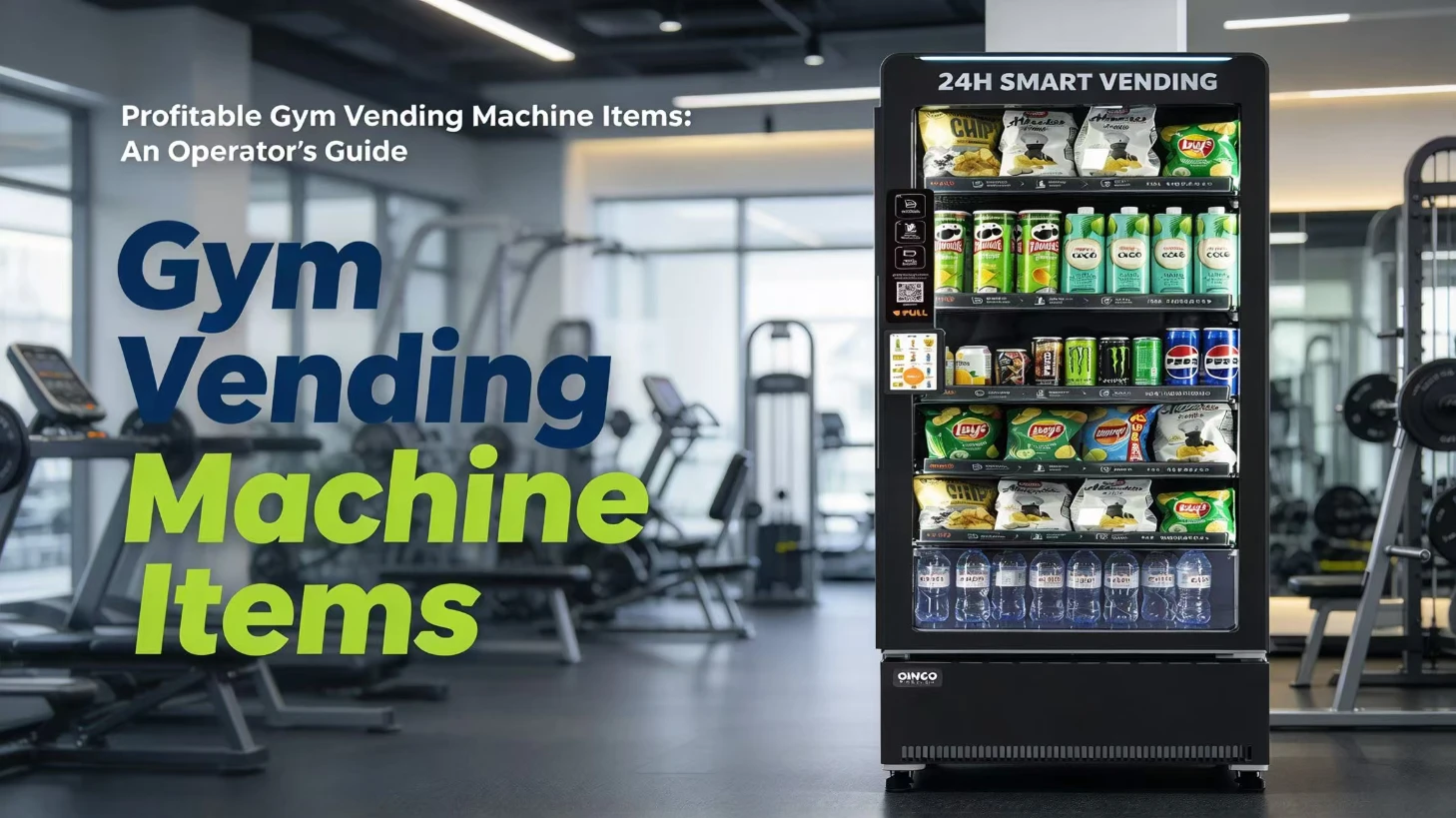
The fitness industry has evolved into a lifestyle ecosystem. For vending operators, fitness centers represent a highly lucrative market. Unlike standard retail environments, fitness facilities generate predictable, necessity-driven foot traffic. Choosing the right gym vending machine items is the difference between a sluggish revenue stream and a highly profitable automated business.
Business Opportunity: Gyms vs. Traditional Scenarios
To succeed in the fitness sector, operators must understand how gym environments differ from standard locations like offices or schools.
| Feature | Gym Scenarios | Traditional Scenarios (Offices/Schools) |
| Purchase Motivation | Performance, hydration, and recovery | Hunger, boredom, or casual grazing |
| Price Sensitivity | Low (willing to pay a premium for results) | High (expect standard retail pricing) |
| Average Basket Size | $4.50 – $6.00 | $1.50 – $3.00 |
| Key Categories | Supplements, protein, fitness gear | Soda, chips, candy bars |
Gym members treat fitness as an investment. They do not mind paying extra for convenience, especially when they forget their pre-workout mix or need immediate post-workout recovery. This allows operators to stock premium gym vending machine products and enjoy higher profit margins.
Revenue Factors: Top-Selling Gym Vending Machine Items
Selecting the right inventory directly impacts your return on investment (ROI). You must stock products that align with the specific training phases of gym members.
1. Ready-to-Drink (RTD) Protein and Shakes
Protein dominates the fitness market, often accounting for 30% to 40% of total sales. Members urgently need protein within 30 minutes of their workout. Operating a dedicated protein vending machine for gym environments allows you to stock 20 to 30 premium varieties. You must ensure the machine has reliable refrigeration to keep RTD shakes at the ideal 2-5°C.
2. Single-Serve Supplements and Pre-Workout
Many members rush to the gym directly from work and forget their supplements. A gym supplement vending machine solves this frustration. You should stock single-serve pre-workout powders, BCAA drinks, and electrolyte tablets. These compact items take up minimal space in the machine but yield exceptional profit margins.
3. Energy Drinks and Hydration
Hydration is a universal need. Skip the sugary sodas and fill these slots with zero-sugar energy drinks, enhanced water, and coconut water. These products act as reliable volume drivers, especially during early morning workout sessions.
4. 0-Sugar and Functional Snacks
Traditional potato chips will not sell well to a health-conscious audience. Instead, you need to provide functional fuel. The best-selling snacks include high-protein bars, roasted nuts, trail mix, and 0-sugar jerky. These items offer substantial shelf life and appeal to midday gym-goers who need a quick meal replacement.
5. Fitness Gear and Personal Care
Gyms create unique emergency needs. Members frequently forget their padlock, earbuds, or shower items. Installing a gym towel vending machine—or dedicating a row in your current machine to gear—unlocks massive profitability. Electronics and personal care items can easily exceed a 60% gross margin.
Cost Factors and Equipment Considerations
Your hardware must match your inventory strategy. Premium gym vending machine items require specialized dispensing technology.
- Temperature Control: If you sell RTD protein or energy drinks, your machine must maintain strict cold chain standards. Cheap machines will spoil high-value protein products.
- Coil vs. Elevator Delivery: Heavy supplement bottles or fragile electronics require elevator delivery systems to prevent product damage during vending.
- Cashless Integration: Gym members rarely carry cash on the workout floor. Your machines must support tap-to-pay, Apple Pay, and Google Wallet to capture impulse buys.
Conclusion
Operating vending machines in fitness centers offers exceptional revenue potential. By stocking targeted gym vending machine items like protein supplements, functional snacks, and emergency gym gear, operators can achieve higher margins and faster ROI. Focus on premium products, reliable hardware, and cashless convenience to build a successful automated retail operation.
FAQ
- What are the most profitable gym vending machine products?
Non-food items like towels, padlocks, and wrist wraps offer the highest profit margins, often exceeding 60%. Ready-to-drink protein shakes and single-serve supplements also provide excellent returns due to premium pricing. - Can I sell protein powder in a standard vending machine?
You can sell powdered protein in standard coil machines, but ready-to-drink protein shakes require strict temperature control. A dedicated protein vending machine for gym locations must maintain temperatures between 2-5°C to prevent spoilage. - Why do gym vending machines perform better than office machines?
Gym members buy products based on immediate necessity and performance goals, making them less sensitive to pricing. This allows operators to sell premium items with a higher average basket size than traditional office snacks. - How do I choose items for a gym supplement vending machine?
Focus on immediate workout needs. Stock single-serve pre-workout packets for energy, BCAA powders for endurance, and electrolyte tablets for hydration. Always prioritize zero-sugar and recognized fitness brands. - Should a gym towel vending machine accept cash?
No, you should prioritize cashless payments. Most gym members do not carry cash or coins while working out. Equipping your machine with NFC and tap-to-pay readers will significantly increase your sales volume.