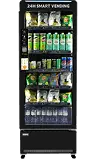
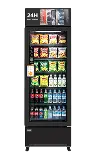
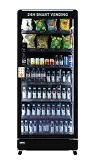
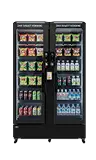
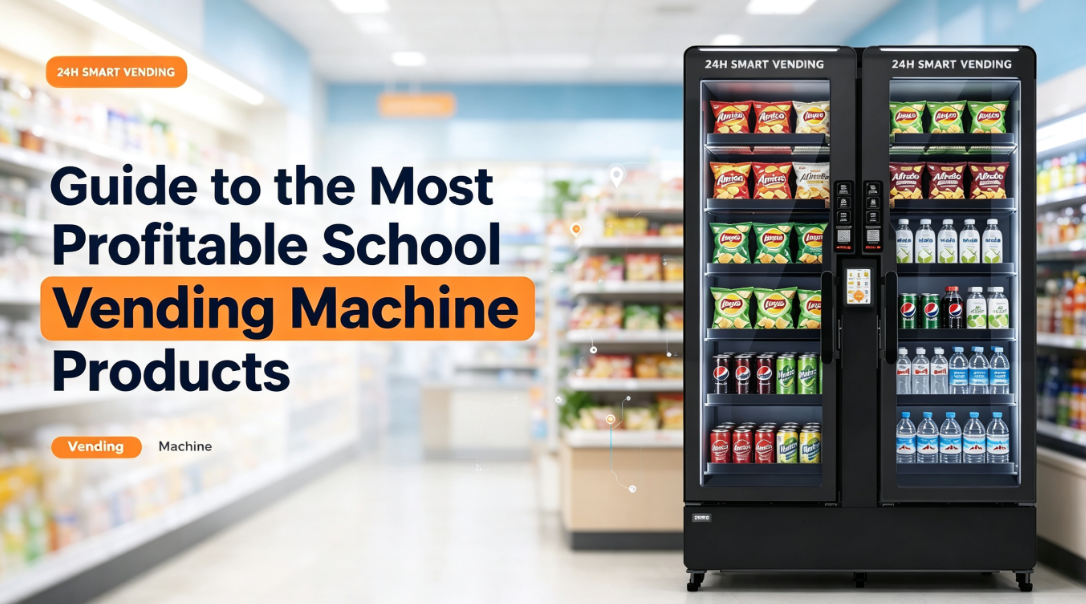
Profit maximization in school vending relies on a combination of high-turnover consumables and high-margin durable goods. Operators achieve the best financial results by diversifying their inventory across multiple categories.
To help operators understand the financial dynamics, the table below compares the core categories of school vending machine products based on their business metrics.
| Product Category | Average Profit Margin | Inventory Turnover Rate | Spoilage Risk |
| Healthy Snacks | Medium (30% – 50%) | High | Medium |
| Beverages | High (50% – 70%) | Very High | Low |
| School Supplies | Very High (60% – 80%) | Medium | None |
| Personal Care | High (50% – 60%) | Low to Medium | Very Low |
Recommended Product Categories and Items
To maximize profits, operators should stock specific items that solve immediate student problems, whether that is hunger, thirst, or a forgotten classroom tool. Below are the recommended product categories.
1. Compliant Healthy Snacks
Many educational districts enforce strict nutritional guidelines, such as the USDA Smart Snacks standards. Stocking compliant healthy snacks ensures administrators approve your machine placement. Furthermore, these items satisfy midday student cravings, driving high daily sales volume.
- Baked potato crisps and multigrain chips.
- Whole-grain granola bars and protein bars.
- Air-popped popcorn and rice cakes.
- Dried fruit pouches and fruit leathers.
- Trail mixes containing nuts (verify school allergy policies first).
2. Hydration and Better-For-You Beverages
Beverages consistently rank as the highest-selling category in the vending industry. Students need hydration after physical education classes and during breaks. Drinks offer excellent profit margins and carry a low risk of spoilage due to their long shelf life.
- Purified and spring bottled water.
- Flavored, zero-calorie sparkling water.
- 100% natural fruit juices with no added sugar.
- Sugar-free or low-sugar sports drinks.
- Iced teas and naturally flavored waters.
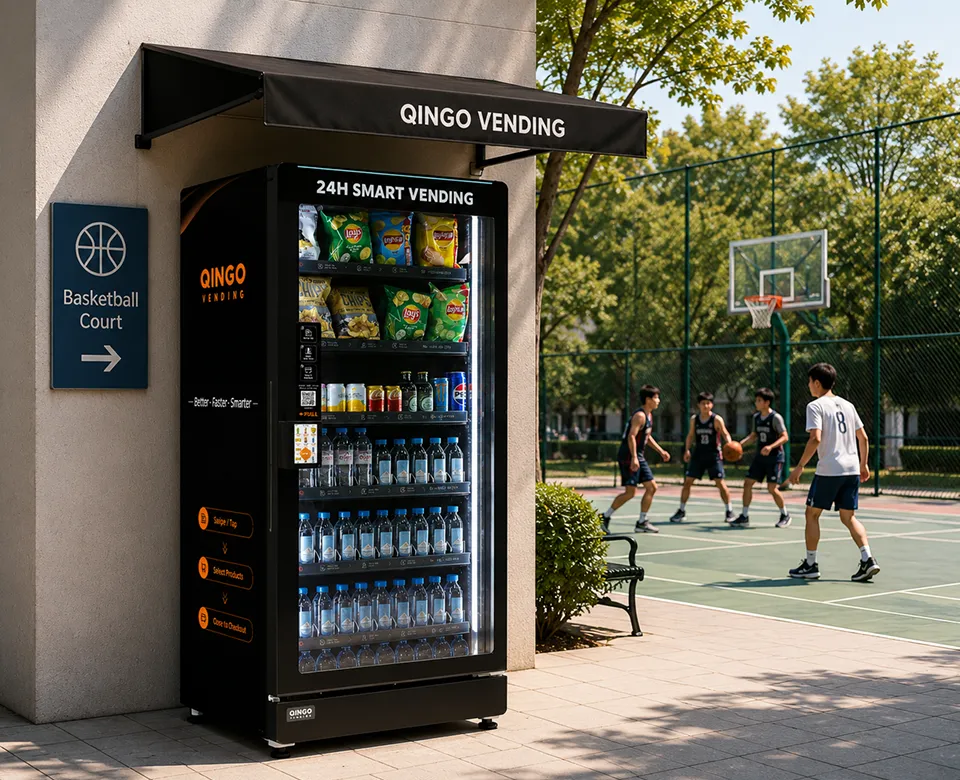
3. Essential School Supplies and Tech Accessories
School supplies carry zero expiration risk, eliminating financial losses from spoiled inventory. They bypass food and health regulations entirely. Students willingly pay premium prices for these items when they face immediate classroom emergencies.
Specific Products:
- Smartphone charging cables (USB-C and Lightning).
- Wired and wireless earbuds.
- Basic scientific calculators and geometry sets.
- Mechanical pencils, ballpoint pens, and erasers.
- USB flash drives and pocket-sized notebooks.
4. Hygiene and Personal Care Items
Locker rooms, gymnasiums, and university dormitories present excellent opportunities for personal care vending. These products address sudden personal needs, offering high margins and extremely long shelf lives. They turn a standard vending machine into a vital campus convenience store.
- Travel-sized deodorants and body sprays.
- Hand sanitizers and antibacterial wipes.
- Lip balm and travel-sized lotions.
- Feminine hygiene products.
- Pocket tissues and breath mints.
Optimizing Your Vending Machine Configuration
Modern combination machines feature modular shelving systems. This technology allows operators to adjust coil sizes to dispense a charging cable, a sports drink, and a granola bar from the same unit.
Tracking inventory data is equally important. Smart vending machines equipped with telemetry systems allow operators to monitor sales in real-time. By analyzing this data, operators can identify slow-moving items and replace them with high-profit alternatives.
Read More About School Vending Machine
https://qingo.com/resources/what-is-a-school-vending-machine/
FAQ
- Are school vending machines profitable?
Yes, school vending machines generate strong profits due to the high volume of daily foot traffic. Success depends on selecting the right product mix and maintaining a consistent restocking schedule during peak academic seasons. - What are the best school vending machine products to sell?
The best products include compliant healthy snacks, zero-sugar sports drinks, bottled water, and essential school supplies. Combining food and non-food items creates a balanced inventory that maximizes profit while reducing spoilage risks. - Do school vending machines have to follow nutritional rules?
Most public educational institutions require vending operators to follow specific health guidelines, such as the USDA Smart Snacks program. These rules dictate the allowable calorie, sugar, and fat content for food and beverages sold on campus. - Can I sell non-food items in a school vending machine?
Yes, selling non-food items like pens, charging cables, and earbuds is a highly profitable strategy. These products have no expiration date, bypass nutritional regulations, and solve immediate problems for students throughout the school day. - How do operators determine the price of school vending items?
Operators determine prices by calculating the wholesale cost and applying a standard retail markup, typically aiming for a 40% to 70% profit margin. Prices must remain affordable for students while ensuring the business covers equipment and operational costs.