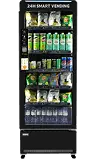
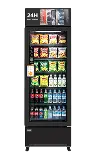
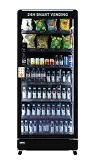
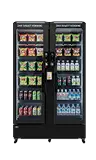
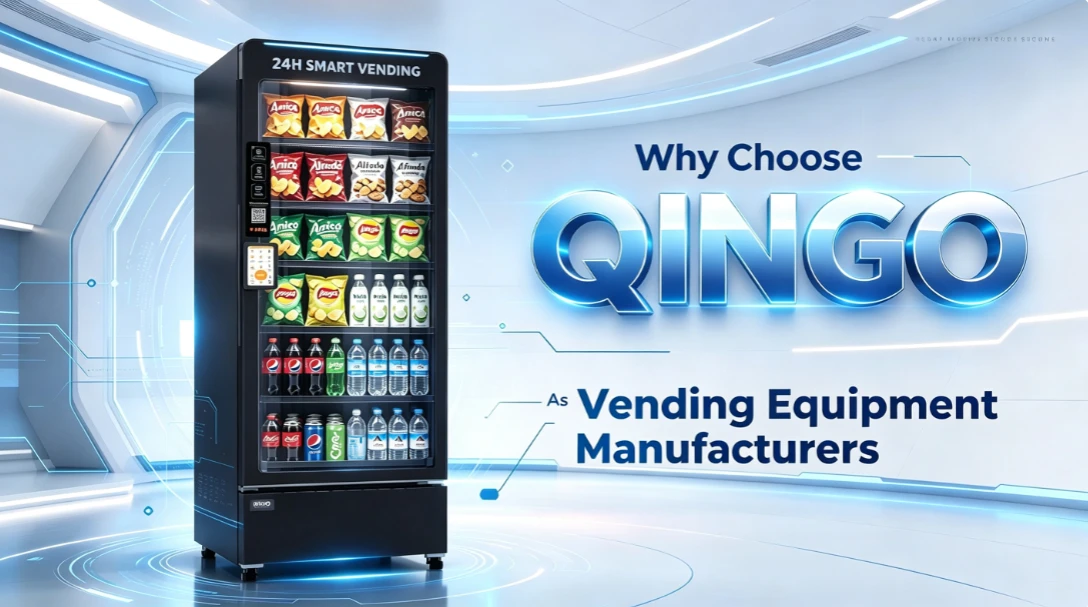
Scaling a profitable automated retail business requires reliable hardware. When business owners expand their fleets, choosing the right hardware partners becomes a critical decision. Working directly with top vending machine equipment manufacturers provides distinct operational and financial advantages.
This guide helps operators and distributors evaluate factory capabilities, compare supply chain roles, and select the best manufacturing partner.
Understanding Supply Chain Roles
Many buyers confuse the different entities in the automated retail supply chain. Knowing the exact role of your partner helps you secure better pricing and technical support. Direct vending machine equipment manufacturers offer high control over product quality.
Here is a breakdown of how these business types differ:
| Feature | Direct Manufacturer | Equipment Supplier | Local Distributor |
| Core Role | Designs, engineers, and builds the machines in-house | Sources machines from various global factories | Buys inventory to sell to local operators |
| Customization | High (Full OEM/ODM, software API integration) | Medium (Basic hardware branding or wraps) | Low (Standard off-the-shelf configurations) |
| Cost Structure | Direct factory pricing maximizes profit margins | Adds a markup over the initial factory price | Applies the highest markup for local availability |
| Technical Support | Direct hardware engineering and software updates | Basic warranty and standard parts replacement | Local service but relies on others for complex fixes |
| Supply Stability | Controls the entire production line and inventory | Depends on factory availability and shipping | Limited to stock currently sitting in their warehouse |
Working directly with a manufacturer removes unnecessary middlemen. This direct relationship ensures faster software updates, better parts availability, and scalable production for large rollouts.
Key Capabilities to Evaluate in Vending Machine Equipment Manufacturers
When you source smart retail equipment, you must look beyond the initial price tag. Leading vending machine equipment manufacturers maintain rigorous standards across their entire production process. Buyers should evaluate three primary factory capabilities before signing a contract.
1. Global Production Capacity
A reliable partner must scale with your business growth. If you plan to deploy hundreds of units, a small assembly shop will struggle to meet your deadlines. Enterprise-level operations require massive industrial infrastructure.
For example, Qingo operates a 13-acre manufacturing facility. The company employs over 300 factory staff members to keep assembly lines moving efficiently. This robust infrastructure yields an annual production capacity of more than 200,000 units. High-volume output ensures that growing operators receive their equipment on time, regardless of order size.
2. Strict Quality Control Standards
Smart vending involves complex electronics, refrigeration systems, and AI cameras. Manufacturers must enforce strict quality control to prevent hardware failures in the field. Defective units lead to lost revenue and frustrated customers.
Top-tier factories implement comprehensive quality checks at every assembly stage. Qingo designs its products to meet strict international quality and compliance standards. This dedication to quality enables partners to confidently deploy AI vending solutions across global markets. Industry leaders like Nayax, Pax, and Pepsi trust these manufacturing standards for their operations.
3. Comprehensive Reliability Testing
Vending hardware faces harsh conditions, continuous customer interaction, and potential vandalism. Direct manufacturers must conduct intensive stress tests to ensure field longevity. Hardware durability directly impacts your return on investment.
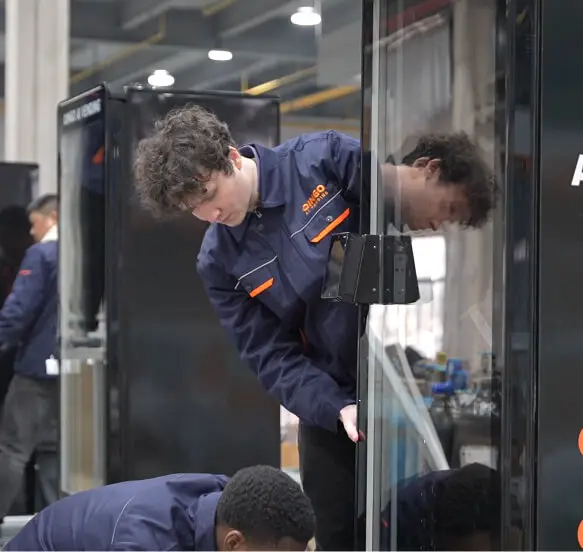
Qingo engineers subject their equipment to extreme reliability testing. They test hinges and latching details for over 100,000 door cycles to support long-term durability. The factory builds machines using reinforced steel cabinets that resist deformation. Furthermore, Qingo integrates enhanced anti-theft protection with reinforced center-lock mechanisms to protect operator inventory.
Cost Factors When Sourcing Smart Vending Machines
Direct factory partnerships significantly alter your cost structure. When you buy from vending machine equipment manufacturers, you gain access to wholesale pricing that improves your bottom line. However, operators must also consider long-term operational costs.
Advanced manufacturers integrate hardware and software to lower daily expenses. Qingo equips its machines with remote temperature control, dual SIM connectivity, and an AI Operations Platform. These built-in features reduce maintenance visits, eliminate manual inventory checks, and maximize machine uptime. Smart hardware lowers operational overhead, making the initial factory investment highly profitable.
Making Your Final Selection
Choosing the right hardware partner determines the scalability of your retail business. Evaluate potential vendors based on their facility size, engineering capabilities, and testing protocols. Choose a partner that owns the manufacturing process from end to end.
Qingo combines smart manufacturing, vertically integrated operations, and large-scale production capacity to support global deployments. With over 80,000 smart machines deployed and a powerful AI backend, Qingo provides the infrastructure you need to succeed.
FAQ
- What is the difference between a vending machine manufacturer and a supplier?
A manufacturer physically designs and builds the machines in their own factory. A supplier simply buys machines from various factories and resells them to operators with a markup. - Why is production capacity important when choosing a manufacturer?
High production capacity ensures that the factory can fulfill large orders without delays. It ensures you have a stable supply of equipment as your automated retail business scales up. - Do vending machine equipment manufacturers offer software support?
Leading manufacturers provide fully integrated software ecosystems. They build custom operations platforms, handle API integrations, and release regular software updates directly to your fleet. - How do manufacturers test vending machine reliability?
Top factories perform rigorous mechanical stress tests. Engineers test doors for up to 100,000 open-and-close cycles and build cabinets using reinforced steel to support high durability in the field. - Can I get custom branding from a direct vending equipment manufacturer?
Yes, buying directly from the factory allows for deep customization. Manufacturers offer OEM and ODM services, allowing you to customize everything from exterior branding to internal software interfaces.