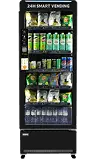
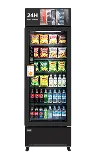
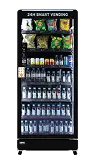
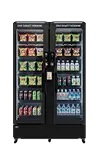
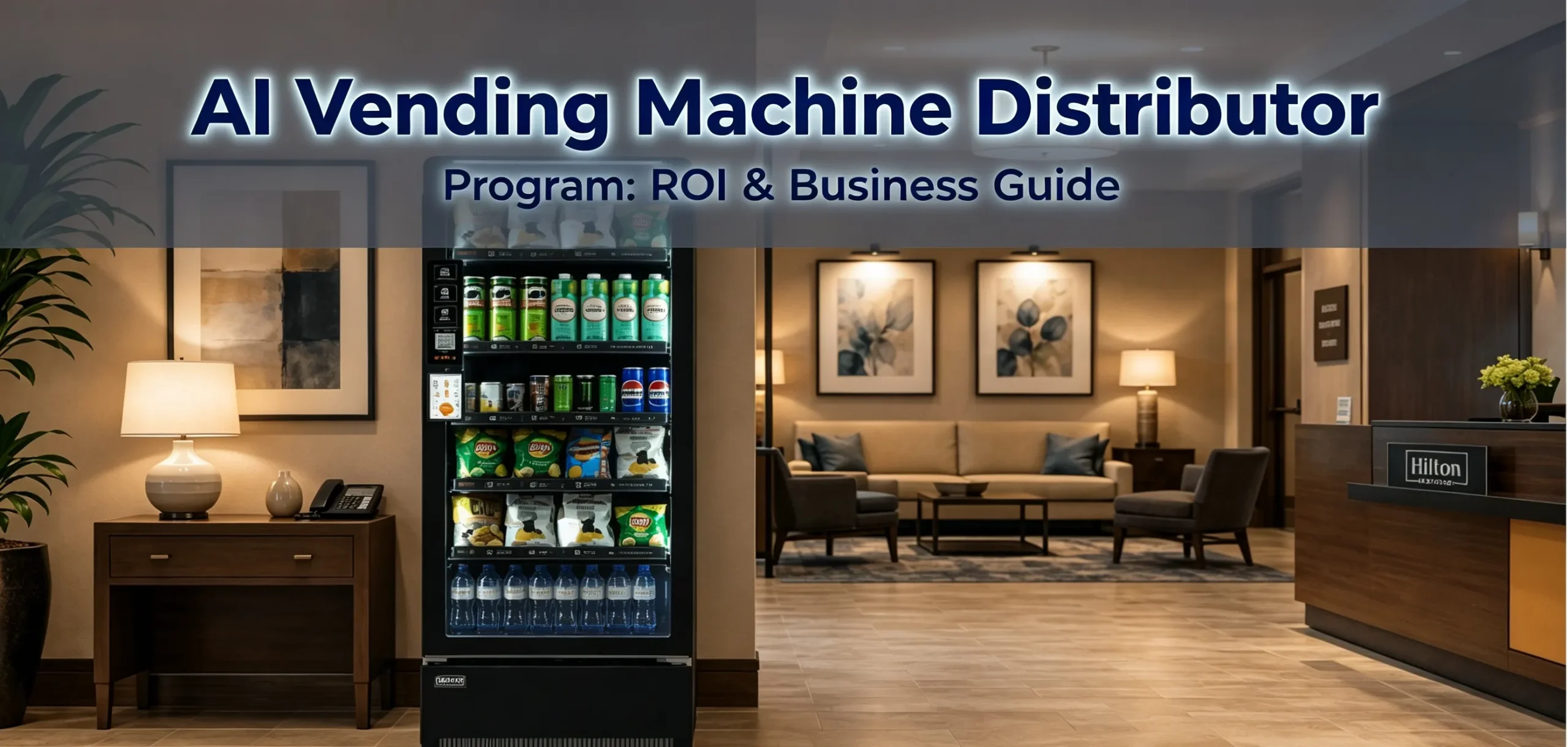
The shift from traditional coin-operated dispensers to autonomous retail has completely transformed the unattended retail market. For entrepreneurs and operators evaluating an ai vending machine distributor program, understanding the underlying business mechanics is critical. This guide breaks down the commercial viability, revenue factors, cost structures, and operational strategies required to build a highly profitable distribution network.
The Business Opportunity in Retail Automation
The transition to intelligent vending is not just a technology upgrade; it is a fundamental shift in retail economics. According to industry data, the global intelligent vending machine market is projected to reach $53.11 billion by 2034, growing at a CAGR of 18.80%.
Unlike traditional machines, AI-powered systems use computer vision, weight sensors, and machine learning to offer a frictionless “grab-and-go” experience. This technological leap allows an ai vending machine distributor to target high-value locations that previously rejected traditional vending aesthetics, such as premium corporate offices, luxury apartment complexes, healthcare facilities, and upscale fitness centers.
Core Revenue Factors for Distributors
To calculate potential earnings, distributors must look beyond single-item snack sales. AI vending models generate revenue through multiple enhanced channels.
Increased Transaction Volumes
Traditional machines dispense one item per transaction. AI vending machines allow customers to open the door, select multiple items, and walk away. The system identifies all products simultaneously and automatically charges the user’s digital wallet. This multi-item transaction capability significantly increases the average order value (AOV).
High-Margin Premium Products
Because AI machines support varied packaging shapes and do not drop items from a mechanical spiral, distributors can safely sell high-margin fragile goods. Fresh salads, artisanal sandwiches, electronics, and premium cosmetics can be easily merchandised, yielding higher profit margins per square foot.
Digital Advertising Real Estate
Many AI vending machines feature high-resolution touchscreen displays. Distributors can monetize this digital real estate by running targeted advertisements for localized services or FMCG (Fast-Moving Consumer Goods) brands, adding a secondary passive income stream.
Analyzing the Cost Structure
A realistic ROI analysis requires a comprehensive view of both capital expenditures (CapEx) and operational expenses (OpEx).
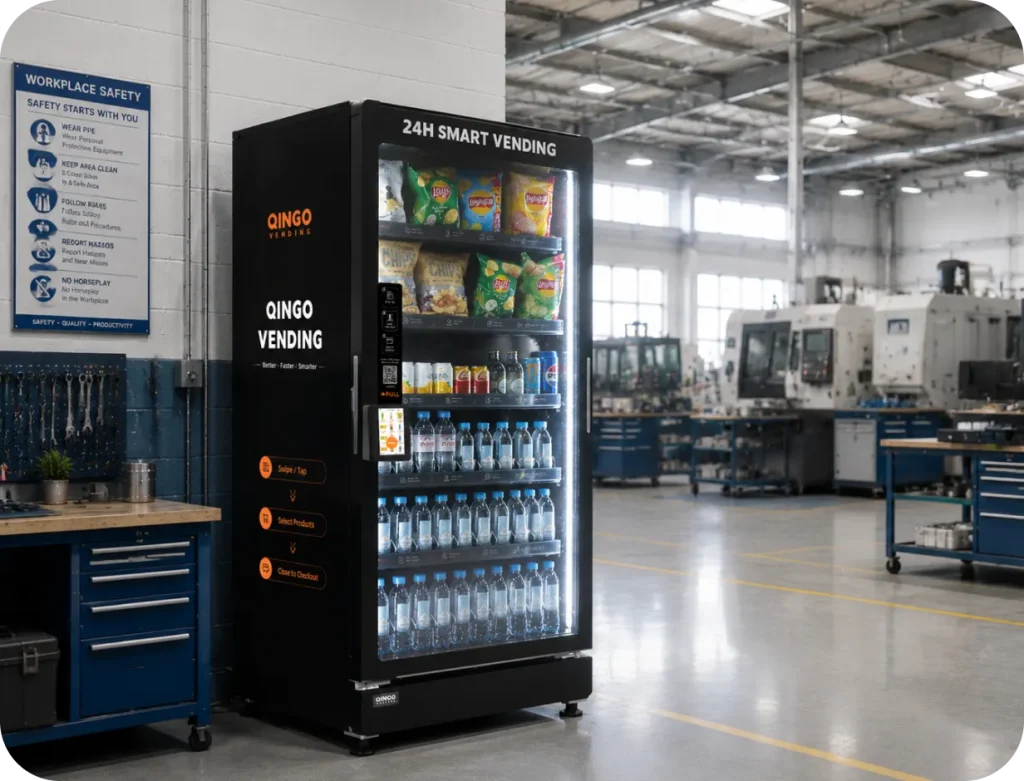
Initial Capital Expenditure (CapEx)
- Hardware Acquisition: The physical machine structure, commercial cooling systems, smart locks, and internal shelving.
- Technology Hardware: High-definition cameras, IoT sensors, and edge processing computing units.
- Logistics and Installation: Freight, customs duties, local delivery, and initial site deployment.
Ongoing Operational Expenses (OpEx)
- Software Subscriptions (SaaS): Monthly fees for AI visual recognition software, cloud dashboard access, and payment gateway maintenance.
- Location Commissions: Rent or revenue-share agreements paid to the property owner or facility manager.
- Maintenance and Restocking: Labor costs for routing drivers, vehicle fuel, and servicing machines.
Operational Considerations to Maximize Margins
Profitability in the vending business is heavily dependent on operational efficiency. Integrating AI technology dramatically reduces wasted labor and inventory shrinkage.
- Real-Time Inventory Tracking: AI systems eliminate manual stock counting. Operators know exactly what is missing before deploying a driver. Industry analysis indicates that smart vending technologies can reduce stock-out incidents by approximately 30% and improve operational efficiency by up to 35%.
- Predictive Maintenance: IoT sensors monitor compressor health and temperature fluctuations, alerting operators to potential hardware anomalies before food spoilage occurs.
- Dynamic Pricing: Cloud-based management software allows distributors to adjust pricing remotely based on demand surges or expiration dates, minimizing food waste.
Projected ROI Analysis
While individual results vary based on location foot traffic and product mix, the return on investment for an ai vending machine distributor is accelerated by lower operational costs and higher transaction values.
- Break-Even Timeline: High-traffic locations offering premium products often see hardware ROI within 12 to 18 months, assuming consistent daily usage.
- Scalability Economics: Because cloud management software allows operators to oversee fleets remotely, the marginal cost of adding new machines to a network decreases, accelerating overall profitability as the business scales.
Choosing the Right Manufacturing Partner
The success of an ai vending machine distributor program heavily relies on the manufacturing partner. When evaluating suppliers, prioritize the following business factors:
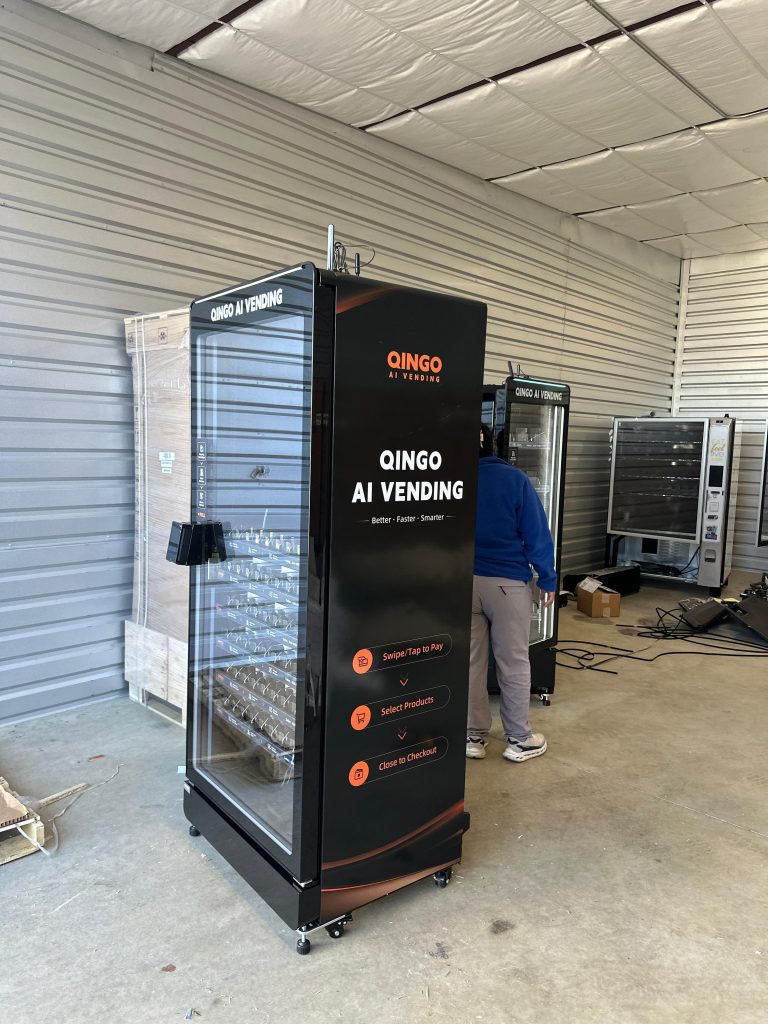
- AI Accuracy: The computer vision system must have a high recognition accuracy rate to prevent inventory shrinkage and customer billing errors.
- Hardware Durability: Commercial-grade compressors and robust locking mechanisms are essential for minimizing maintenance downtime.
- API Integration: The manufacturer’s software should easily integrate with existing inventory management or corporate ERP systems.
- After-Sales Support: Reliable technical support and easy access to replacement parts are critical for maintaining operational uptime.
Conclusion
Entering the smart retail space as an ai vending machine distributor offers a compelling commercial opportunity. By leveraging computer vision and real-time data analytics, operators can reduce labor costs, increase transaction values, and deploy highly profitable autonomous retail networks. Success ultimately depends on strategic location acquisition, smart product curation, and partnering with a reliable equipment manufacturer.
Read More About AI Vending Machine Distributor
Hardware acquisition costs directly impact your bottom line. QINGO implements a flexible 1-3 tier pricing policy based on your bulk purchase volume. As you scale your inventory, your hardware costs decrease significantly, allowing for faster capital recovery.
click here for more information
Maximizing ROI as a QINGO Vending Machine Distributor
FAQ
How profitable is an AI vending machine distributor business?
The profitability of an AI vending machine distributor business depends heavily on location traffic, product margins, and transaction volumes. Because AI machines facilitate multi-item purchases and sell high-margin premium goods, operators typically see higher average order values and faster ROI compared to traditional vending businesses.
What are the main costs of operating AI vending machines?
The primary costs include the initial hardware purchase, shipping logistics, monthly SaaS subscriptions for AI processing and cloud management, location rent or commissions, and ongoing restocking and maintenance labor.
Do AI vending machines require a monthly software fee?
Yes, most AI vending machines require a monthly SaaS (Software as a Service) fee. This covers the ongoing cloud-based computer vision processing, real-time inventory tracking updates, secure payment gateway routing, and remote management dashboard access.
How does AI computer vision increase vending machine sales?
AI computer vision enables a frictionless “grab-and-go” experience where customers can take multiple items at once without making separate transactions. This convenience removes checkout friction, naturally encouraging impulse buying and increasing total sales volume.
What makes AI vending machines different from traditional ones?
Traditional machines rely on mechanical spirals and keypad selections to dispense single items upon payment. AI vending machines use smart sensors and cameras to automatically identify which products a user takes from the shelves, charging their digital wallet automatically when the machine door closes.
Reference Sources
- Fortune Business Insights (2026). “Intelligent Vending Machine Market Size | Analysis Report [2034]“.
- Business Research Insights (2026). “Smart Vending Machines Market Share & Trends [2026-2035]“.