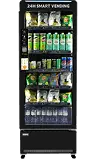
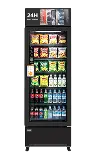
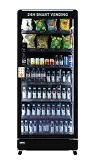
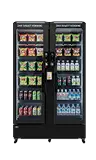
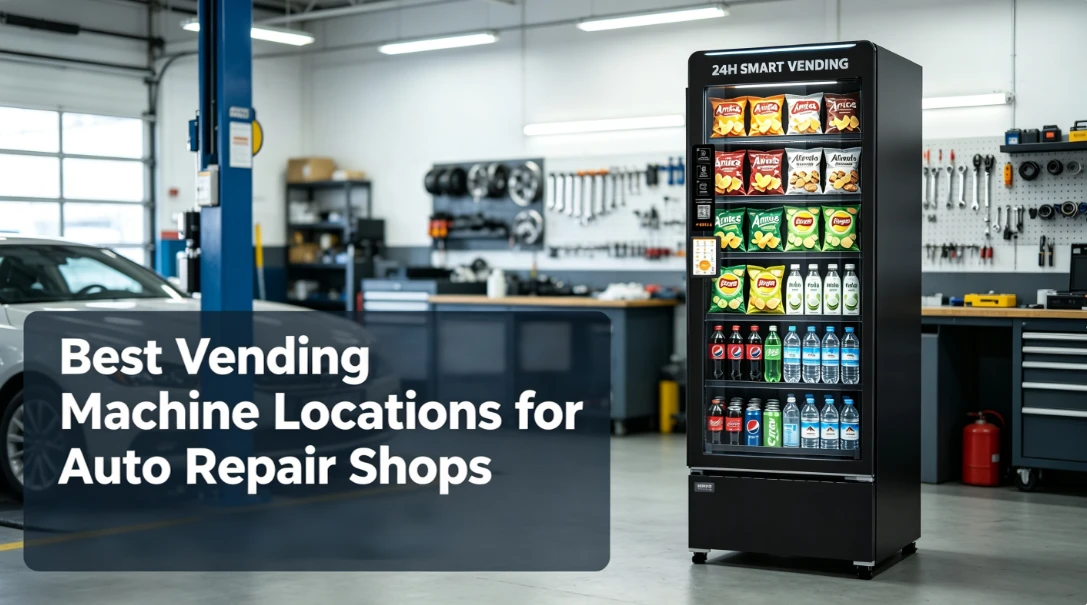
Placing a vending machine for auto repair shops offers operators a captive audience with predictable wait times and steady daily foot traffic. However, profitability depends heavily on exact machine placement and shop selection. A poorly positioned unit can suffer from low visibility, greasy touchscreens, or strict landlord rules that erode margins.
Why Auto Repair Shops Are High-Potential Vending Locations
Unlike traditional retail spaces where shoppers rush through, automotive service centers create natural dwell times. Customers waiting for oil changes, tire rotations, or brake repairs often spend 45 to 120 minutes on-site with limited nearby food options. At the same time, mechanics and service advisors work physically demanding shifts that drive consistent demand for cold beverages, energy drinks, and quick snacks.
According to the U.S. Bureau of Labor Statistics, the automotive repair and maintenance industry employs over 950,000 workers nationwide across tens of thousands of independent shops, dealerships, and tire centers. Combining full-time staff with daily customer queues gives operators a reliable dual-demographic revenue stream.
Top Auto Repair Shops Vending Machine Locations (Operator Perspective)
Evaluating auto repair shops vending machine locations requires matching the right machine type—such as smart coolers, combo machines, or industrial PPE dispensers—to specific traffic zones within the facility.
1. Customer Waiting Lounges
The customer waiting room is the highest-converting spot for traditional snacks, bottled water, and coffee. Customers sitting in a lounge are bored, thirsty, and willing to pay convenience prices while watching service updates.
- Why It Works: High visibility, clean indoor climate control, and extended dwell times encourage impulse purchases.
- Best Machine Fit: Compact glass-front combo machines or sleek smart coolers with cashless tap-to-pay terminals.
2. Service Bay Entrances and Technician Break Areas
Mechanics rarely have time to leave the shop floor during peak hours. Positioning a machine near the transition doorway between the service bays and the employee break area captures high-frequency daily purchases from staff.
- Why It Works: Technicians buy high-margin items like energy drinks, electrolytes, and hearty snacks multiple times per shift.
- Best Machine Fit: High-capacity beverage machines or heavy-duty smart vending fridges stocked with protein bars and cold drinks.
3. Tire Centers and Quick-Lube Chains
High-volume service centers—such as national tire franchises, muffler shops, and express oil change bays—process dozens of vehicles every day. High customer turnover compensates for shorter 20-to-30-minute wait times.
- Why It Works: Consistent daily customer volume creates predictable restocking schedules and fast inventory turnover.
- Best Machine Fit: Cashless smart vending machines with real-time telemetry to track fast-moving drink SKUs.
4. Auto Dealership Service Departments
Franchised car dealerships operate massive service departments alongside body shops and parts counters. These facilities combine white-collar service advisors, technicians, and dozens of daily warranty customers.
- Why It Works: Dealerships offer strong security, stable Wi-Fi or cellular signals, and large customer lounges that remain busy six days a week.
- Best Machine Fit: Dual-zone smart coolers offering fresh sandwiches, salads, cold brew coffee, and standard snacks.
5. Collision Centers and Fleet Maintenance Depots
Auto body shops and municipal or commercial fleet garages employ large teams of technicians working long shifts. While retail foot traffic is lower than at quick-lube shops, staff headcount is high and stable.
- Why It Works: Predictable employee shift schedules eliminate seasonal slumps and support specialized product mixes, including work gloves or shop supplies.
- Best Machine Fit: Industrial combo machines or smart AI coolers capable of handling multi-item grab-and-go transactions.
L5 Critical Pitfalls to Avoid When Selecting Auto Shop Locations
Even a busy garage can turn into an unprofitable route stop if you overlook operational hazards. Watch out for these five common mistakes before signing a placement agreement.
1. Placing Machines Directly Inside Active Repair Bays
Installing a standard vending machine next to hydraulic lifts exposes the equipment to airborne oil mist, brake dust, and extreme temperature swings. Grease buildup clogs condenser coils, damages cooling compressors, and coats payment screens in grime that deters customers. Always insist on placing machines inside an enclosed lounge, hallway, or break room.
2. Overlooking Grease and Chemical Damage on Touchscreens
Technicians frequently handle parts while wearing dirty gloves or with oil on their hands. Capacitive touchscreens and delicate bill validators fail quickly when exposed to heavy automotive grease and harsh hand cleaners. Choose machines with durable, easy-to-clean surfaces, industrial-grade card readers, and contactless NFC payment options so staff can tap their phones or cards without touching buttons.
3. Ignoring Foot Traffic Thresholds
Small, two-bay independent garages with only three mechanics and five customers a day rarely generate enough sales to justify weekly service visits. As a baseline rule, target shops with at least 15 to 20 daily customer visits or a combined staff and customer headcount exceeding 25 people per day.
4. Over-Committing to High Revenue-Share Commissions
Some shop owners demand 20% to 30% of gross sales just for floor space. In small-to-medium auto shops, high commission payouts wipe out operator profits after accounting for product costs, credit card processing fees, and route fuel. Offer a modest 5% to 10% commission—or frame the machine as a zero-cost employee and customer amenity—until sales volume proves higher margins.
5. Neglecting Electrical Load and Connectivity Checks
Auto repair facilities run heavy air compressors, welders, and tire machines that cause voltage drops on shared electrical circuits. Plugging a refrigerated vending machine into an overloaded circuit trips breakers and spoils cold inventory. Verify that the machine gets a dedicated 110V–120V outlet and test cellular signal strength inside concrete or metal-walled garages to ensure reliable cashless payment processing.
Summary Checklist for Evaluating an Auto Shop Site
Before finalizing your next placement, verify these core site conditions:
- Clean Placement Zone: Indoor lounge or insulated break area separated from active bay dust and fumes.
- Minimum Daily Volume: At least 25 combined technicians and waiting customers per day.
- Power & Signal: Dedicated electrical outlet and strong 4G/5G connectivity for telemetry and tap-to-pay.
- Fair Agreement Terms: Low or zero initial revenue share paired with a clear 12-month service agreement.
Read More About Vending Machine for Auto Repair Shops
What is a Smart Vending Machine for Auto Repair Shops?
FAQ
1. How many employees or customers does an auto repair shop need for a profitable vending machine?
An auto repair shop typically needs at least 25 combined daily visitors and staff members to support a profitable vending machine. Shops with fewer than 15 daily transactions often fail to cover restocking labor, fuel, and credit card processing costs.
2. What type of vending machine works best in an auto repair shop?
Compact combo vending machines and cashless smart coolers work best in auto repair environments. Smart coolers allow customers and technicians to tap a card, grab multiple cold drinks or snacks, and close the door without navigating complex keypad menus.
3. What are the highest-selling items in auto shop vending machines?
Cold energy drinks, bottled water, electrolyte beverages, sodas, salty snacks, and high-protein bars consistently generate the highest turnover. Technicians prioritize caffeine and hydration during physical shifts, while waiting customers favor water and light snacks.
4. Should I pay commission to an auto repair shop owner for machine placement?
Most operators offer 0% to 10% net commission in independent auto shops, positioning the machine as a free convenience for waiting customers and staff. Reserve higher commission tiers only for high-volume dealership service centers or multi-bay national tire chains.
5. Can a vending machine be placed outside an auto repair garage?
Placing a standard indoor vending machine outside exposes it to rain, extreme heat, dust, and vandalism. If indoor space is unavailable, you must deploy a weatherproof outdoor-rated machine equipped with a protective cage and a heavy-duty cooling system.