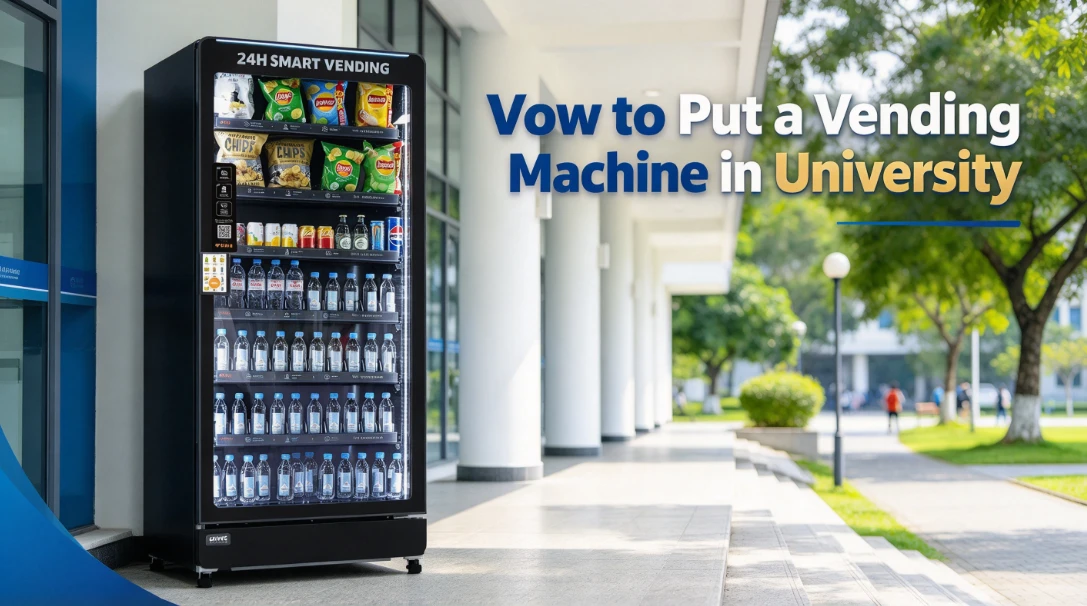
Educational campuses offer massive foot traffic and consistent daily activity. For operators, placing a vending machine in university settings means serving thousands of active students, faculty, and staff. This guide explains the core concepts, working processes, and strategies for launching a successful campus vending operation.
What Is Campus Smart Vending?
Campus smart vending refers to deploying automated retail machines across college grounds to serve students 24 hours a day. Modern university machines go beyond traditional coin-operated snack dispensers.
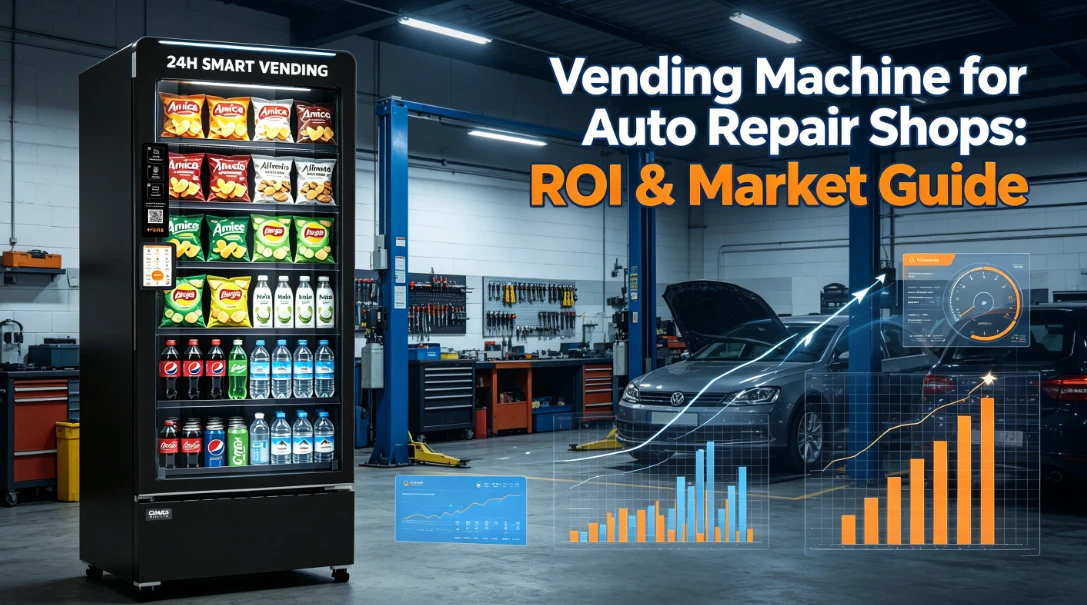
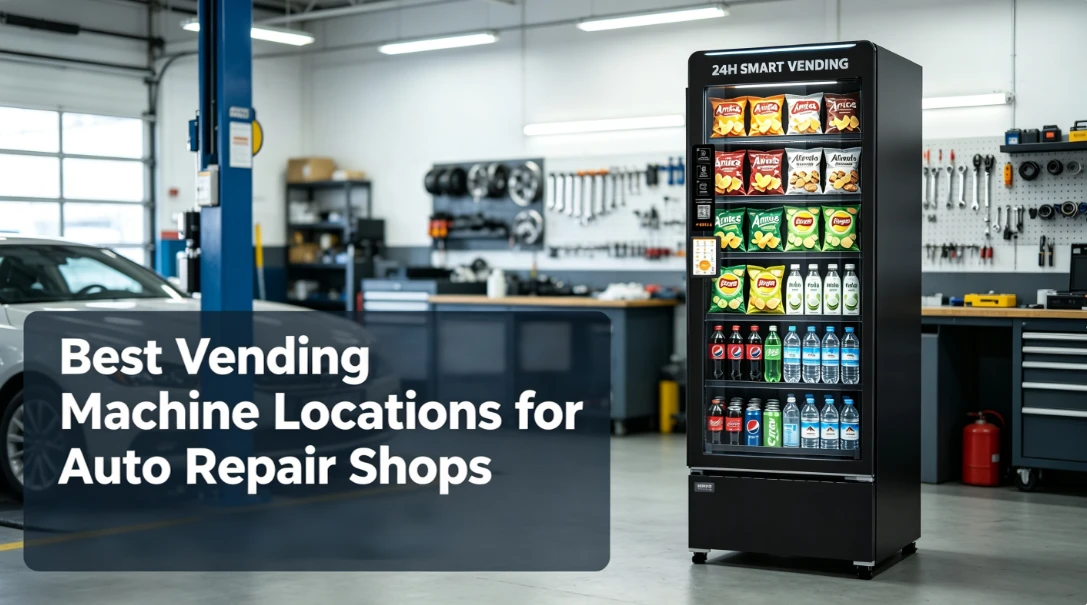
These smart cabinets feature cashless payment readers, digital touchscreens, and remote inventory tracking. Adding vending machine at university locations creates a highly reliable retail network that provides food, drinks, and essential items exactly when campus dining halls close.
How It Works: Pitching and Placement
Securing a university location requires a structured approach to school administration. You cannot simply drop a machine in a hallway; you must negotiate a formal vendor agreement.
- Step 1: Contact the Right Department. Reach out to the university’s Auxiliary Services or the Business Office. These departments handle campus amenities and vendor contracts.
- Step 2: Pitch the Value. Present your modern equipment. Highlight your cashless payment systems, energy-efficient machines, and healthy product alternatives.
- Step 3: Negotiate the Commission. Schools typically expect a percentage of your gross sales. Propose a competitive commission rate between 10% and 25% to win the contract.
- Step 4: Establish Servicing Schedules. Agree on strict restocking and maintenance times to avoid disrupting academic activities.
Business Benefits for Operators
University vending offers unique advantages compared to standard public locations. The enclosed environment creates a captive audience with predictable buying patterns.
College students study late into the night, creating high demand when nearby stores and restaurants shut down. This lack of substitute options at night maximizes your sales volume. Furthermore, the high concentration of people in a single building ensures a rapid turnover of inventory, boosting your overall return on investment.
Campus Applications: Locations and Machine Sizes
Proper placement determines your success. You must match your physical machine dimensions with the specific campus environment and available space.
- Dormitories: Narrow hallways require slim, compact smart cabinets. These spots serve late-night cravings without blocking student pathways.
- Student Unions: These bustling hubs accommodate large, high-capacity combination machines to handle high sales volumes.
- Libraries: Quiet study zones benefit from medium-sized machines offering brain food and caffeinated beverages.
- Gyms and Rec Centers: Wellness areas need specialized, medium-capacity machines for sports drinks and protein supplements.
Always measure the doorways and verify the power outlet availability before delivering any equipment to the campus.
Top Product Recommendations for College Students
A successful campus operation stocks diverse items. College students demand more than just traditional potato chips and soda.
- Energy and Hydration: Iced coffee, sports drinks, and energy drinks sell rapidly.
- Healthy Alternatives: Protein bars, trail mix, and yogurt cater to health-conscious students.
- Late-Night Fuel: Chocolate, instant noodles, and savory snacks remain classic favorites.
- Non-Food Essentials: Phone chargers, headphones, and personal hygiene products provide emergency convenience.
Summary
Operating a smart vending network on a college campus rewards well-prepared entrepreneurs. Success depends on building strong relationships with school administration, choosing optimal high-traffic locations, and stocking targeted products. By utilizing modern cashless equipment, operators can turn campus spaces into highly profitable retail hubs.
Read More About University Vending Machine
https://qingo.com/resources/what-is-a-university-smart-vending-machine/
FAQ
- Who do I contact to put a vending machine in a university?
You should contact the director of auxiliary services or the university business office. These departments handle campus amenities and vendor contracts. Do not contact academic deans or professors for retail placements. - Do universities charge rent for vending machines?
Most universities require a commission based on a percentage of your total sales. Some schools might ask for a fixed monthly rental fee for the space instead. You must finalize this rate during the contract negotiation phase. - What permits do I need for adding vending machine at university?
You need a standard business license, a seller’s permit, and general liability insurance. Your local health department may also require specific food handling permits if you sell perishable items like yogurt or sandwiches. - How often should I restock campus vending machines?
You must restock high-traffic university machines two to three times a week. Using smart machines with remote telemetry software helps you track inventory in real time and eliminates unnecessary maintenance trips. - Are cashless payment readers necessary for college vending?
Yes, cashless readers are absolutely necessary. College students rarely carry physical cash, so you must accept credit cards, Apple Pay, and other mobile wallets to maximize your campus sales potential.