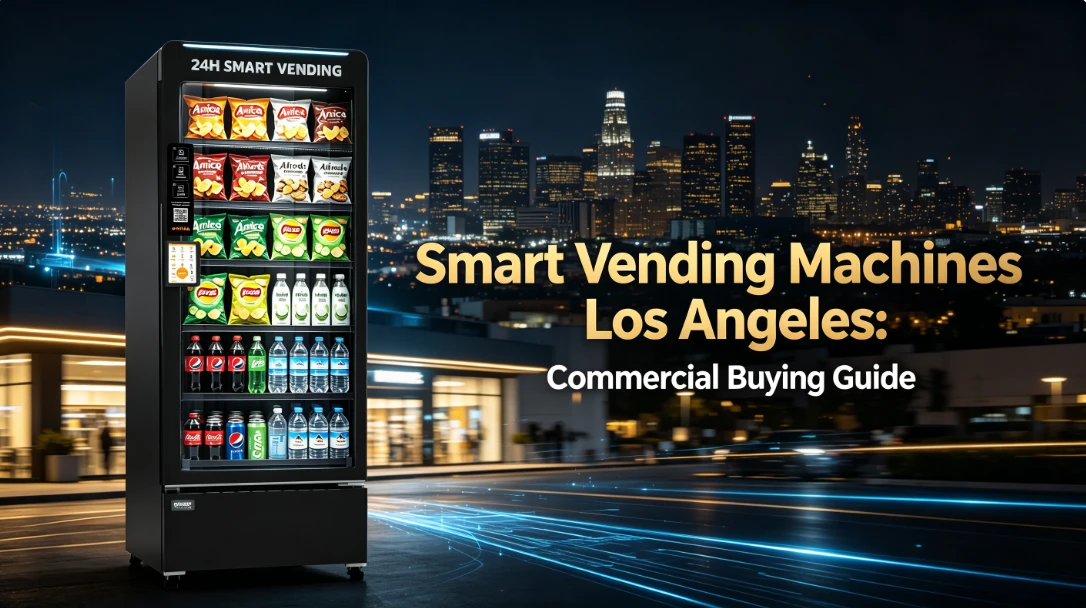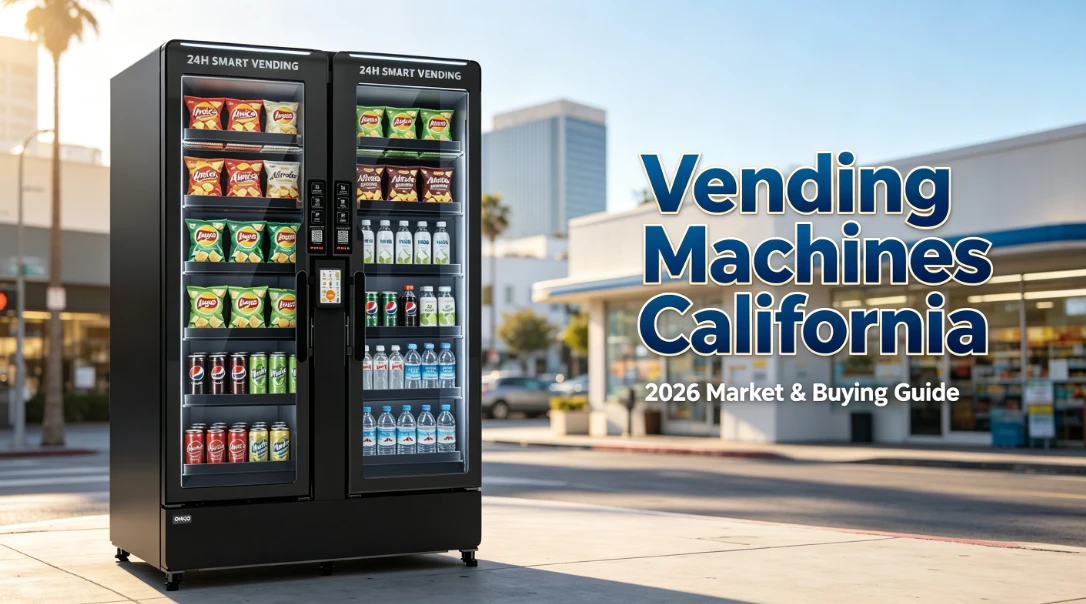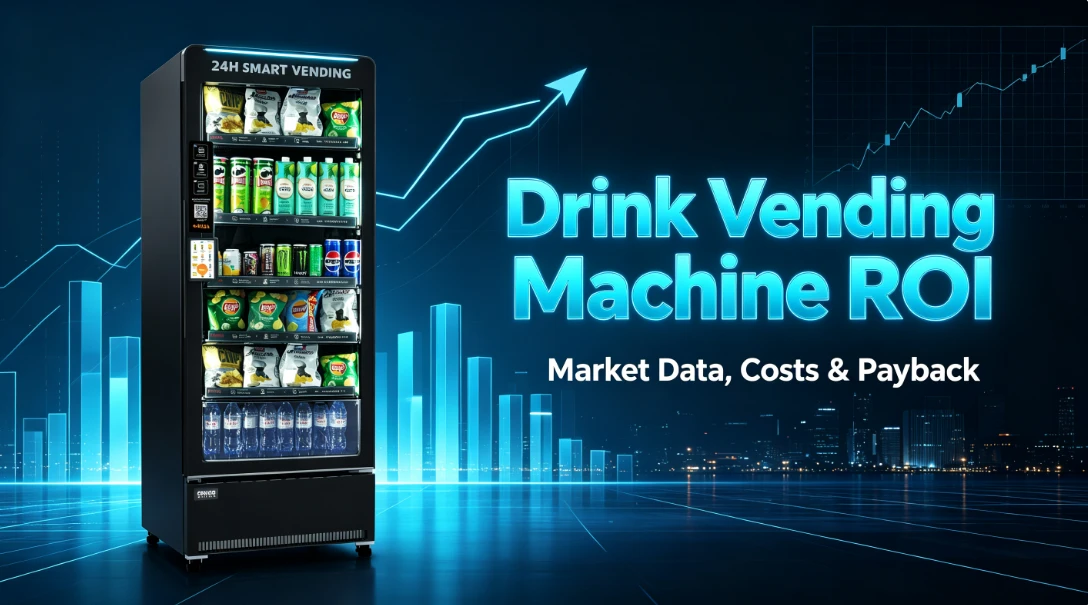
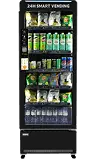
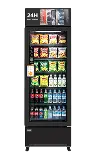
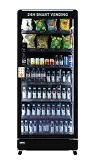
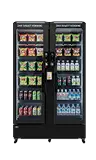
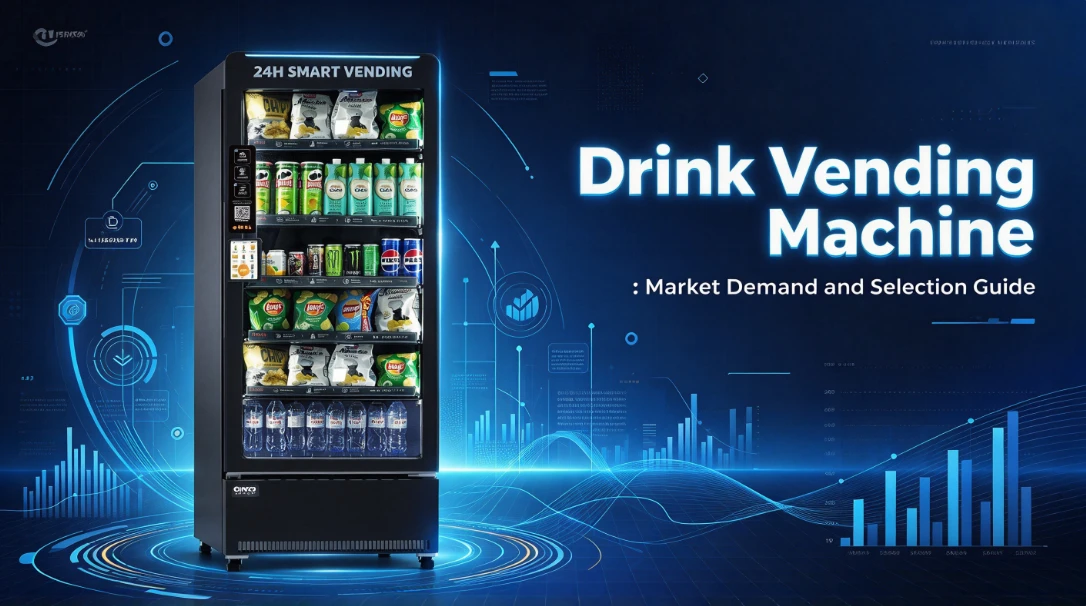
A drink vending machine provides automated retail solutions for thirsty consumers on the go. These automated systems dispense a wide variety of beverages, operating 24/7 without the need for a human cashier. Operators rely on a reliable cold drink vending machine to generate consistent passive income while serving public needs.
The Growing Market Demand for Cold Beverages
Market analysis shows a massive and continuously growing demand for on-the-go refreshments. People constantly seek convenient access to bottled water, sodas, and energy drinks. A strategically placed cold beverage vending machine captures this impulse-buying behavior effectively. High foot traffic areas guarantee steady sales year-round.
Data indicates that consumers strongly prefer chilled beverages over room-temperature options. This preference drives the profitability of automated refreshment solutions. Businesses and institutions also request these machines to improve employee and customer satisfaction. The market opportunity remains incredibly robust for well-prepared operators.
Key Configurations to Consider When Buying
You must evaluate several crucial configurations before purchasing a machine. The right features determine your operational efficiency and overall profitability.
- Capacity and Bottle Count
Your machine’s capacity dictates your restocking schedule. High-traffic areas demand a larger volume to prevent out-of-stock situations. You should match the holding capacity to the specific foot traffic of your chosen location.
- Temperature Control Range
A reliable temperature control system ensures product quality. Most beverages taste best when stored between 36–46°F (2–8°C). You need equipment that consistently maintains this temperature range, keeping drinks perfectly chilled.
- Cooling Efficiency
Modern machines utilize advanced air-cooled refrigeration systems. These efficient systems pull down temperatures quickly while minimizing energy consumption. Better heat dissipation guarantees a longer lifespan for the compressor.
Smart Location Selection Strategies
Choosing the right location directly impacts your revenue. You should carefully evaluate potential deployment spots to maximize visibility and sales.
Consider these critical location factors:
- Foot Traffic: Place machines in areas with high daily visitor counts, such as hospitals or universities.
- Sunlight Exposure: Always avoid direct sunlight. UV rays fade product labels and force the cooling system to overwork.
- Accessibility: Ensure customers can easily see and reach the machine without obstructing pathways.
- Power Source: Verify the presence of a stable, grounded electrical outlet nearby.
Choosing the right location for a drink vending machine determines your business success. A great spot generates consistent daily revenue. Poor placement leads to low sales and high maintenance costs. Operators must understand foot traffic and environmental factors before deploying their equipment.
Read More About Drink Vending Machine Locations
Best Drink Vending Machine Locations & Pitfalls to Avoid
Qingo Product Line Comparison
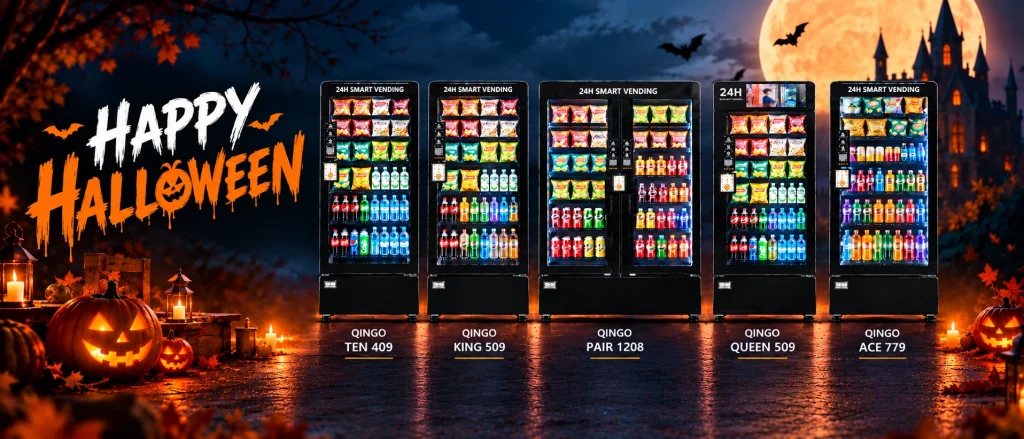
Different environments require different machine specifications. Qingo offers a versatile range of AI-powered solutions designed to meet specific location demands. The table below highlights the supported bottle quantities and ideal scenarios for each model.
| Model | Bottle Capacity | Ideal Deployment Scenarios |
| Qingo Ten 409 | 240 bottles | Offices, Hotels, Apartments, Residential Buildings |
| Qingo Queen 509 | 288 bottles | Factories, Hospitals, Schools, Transportation Hubs |
| Qingo King 509 | 288 bottles | Hotels, Offices, Apartments, Dormitories, Hubs |
| Qingo Ace 779 | 393 bottles | Factories, Logistics Parks, Schools, Hospitals |
| Qingo Pair 1208 | 588 bottles | Hospitals, Universities, Airports, Subways |
Each of these machines maintains a precise 36–46°F (2–8°C) temperature range. They utilize efficient air-cooled methods to ensure optimal cooling performance. You can select the perfect model based on your specific space constraints and anticipated sales volume.
Read More About Drink Vending Machine
Building a profitable smart beverage vending operation requires balancing disciplined site acquisition with data-driven inventory management. By validating foot traffic early, negotiating performance-based location agreements, and monitoring key telemetry metrics, operators can scale efficiently while minimizing operational downtime.
How to Start Drink Vending Machine Business: A Complete Guide
Many first-time operators miscalculate their drink vending machine ROI by dividing the sticker price of the hardware by projected monthly sales. Accurate financial modeling requires accounting for all initial capital expenditures required to get the unit live and generating revenue.
Drink Vending Machine ROI: Market Data, Costs & Payback
FAQ
- What is the ideal temperature for a cold drink vending machine?
Most operators set their machines between 36–46°F (2–8°C) to ensure beverages remain refreshing without freezing. - How many bottles can a standard drink vending machine hold?
Capacity varies by model, typically ranging from 240 bottles for compact units up to 588 bottles for dual-door machines. - Why should I avoid placing my machine in direct sunlight?
Direct sunlight causes the cooling system to overwork, increases electricity consumption, and can potentially damage the merchandise. - Do modern machines accept digital payments?
Yes, contemporary models come equipped with smart POS terminals that accept credit cards and mobile wallet payments. - How does the cooling system work in these machines?
They typically use efficient air-cooled refrigeration systems that rapidly circulate cold air to chill the products evenly.