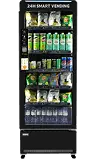
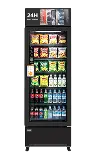
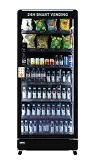
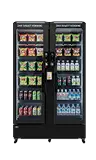
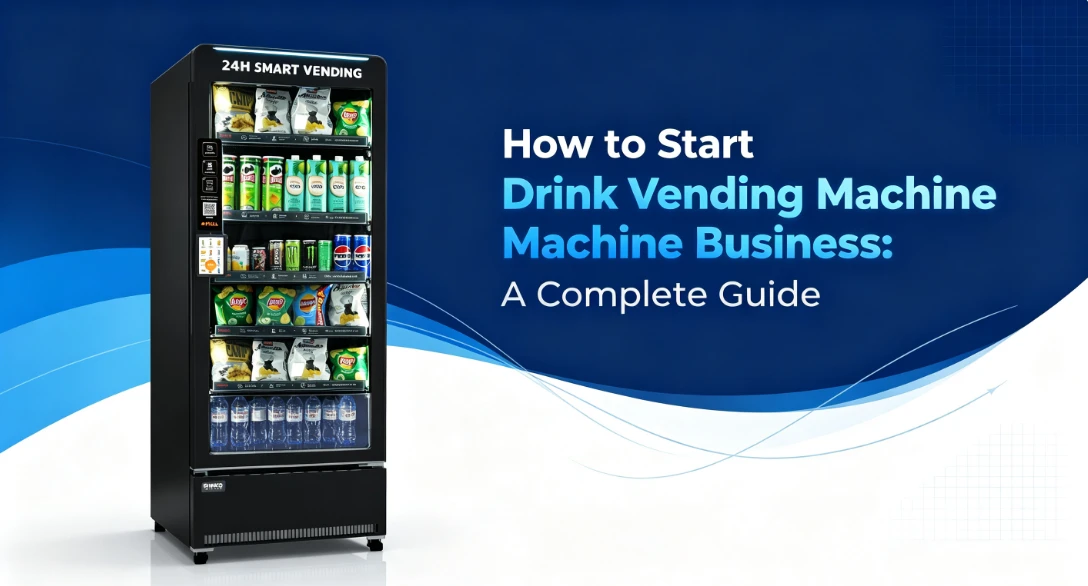
Launching a smart drink vending machine business offers an accessible entry point into automated retail with low labor overhead. Unlike traditional coil-based equipment, modern smart coolers use computer vision, RFID, or weight sensors to enable tap-and-go purchasing. Success in this sector depends heavily on strategic site selection, disciplined contract negotiation, and proactive telemetry management rather than passive machine placement.
Understanding the Smart Beverage Retail Opportunity
Automated beverage retail has shifted rapidly toward frictionless experiences. According to industry data from the National Automatic Merchandising Association (NAMA), cold beverages consistently represent the largest revenue category in the vending sector. Smart beverage coolers capitalize on this demand by allowing consumers to open the door, inspect items, and walk away while automated payment systems settle the transaction.
For entrepreneurs and operators, smart equipment reduces mechanical jams and supports diverse packaging, including glass bottles and slim cans. However, higher upfront hardware costs require operators to validate location foot traffic and margin potential before deploying capital.
Phase 1: Pre-Launch Market Research and Preparation
Thorough preparation prevents capital from being tied up in underperforming assets. Before purchasing equipment, operators must evaluate local demand, supply chains, and regulatory requirements.
Evaluating Target Demographics and Foot Traffic
High-margin locations share specific characteristics: captive audiences, limited nearby retail alternatives, and consistent daily dwell time. Gyms, luxury apartment complexes, manufacturing plants, and corporate offices generally outperform transient public spaces.
Conduct physical site audits during peak and off-peak hours to verify actual foot traffic rather than relying solely on property manager estimates. Observe existing consumer habits, such as whether employees bring coolers from home or walk to nearby convenience stores.
Establishing Wholesale Supply Chains
Profitability relies on maintaining healthy gross margins, typically targeting 45% to 60% per beverage. Relying on retail club stores works for single-machine testing, but scaling requires direct relationships with regional beverage distributors or wholesale cash-and-carry suppliers. Compare unit costs, minimum order quantities, and delivery schedules across multiple vendors to protect your bottom line against sudden price hikes.
Licensing, Insurance, and Payment Processing
Register your business entity and secure local vending permits, health department clearances (where applicable for perishable drinks), and general liability insurance. Property managers routinely require a Certificate of Insurance (COI) naming them as additional insured before allowing installation. Concurrently, set up a merchant account compatible with cashless telemetry readers to ensure smooth fund settlement.
Phase 2: Location Scouting and Negotiation Tactics
Securing a high-volume location is the single most critical factor in beverage vending profitability. Approach property decision-makers as a value-adding amenity partner rather than a cold-calling salesperson.
Pitching Value Over Revenue Share
Facilities managers prioritize tenant satisfaction and zero maintenance headaches. Lead your pitch by emphasizing how a modern, sleek smart cooler upgrades their breakroom or lobby without requiring staff oversight. Highlight cashless convenience, real-time remote stock monitoring, and curated product selections—such as functional energy drinks, sparkling waters, or cold brew coffees—tailored to their specific demographic.
Structuring Commissions and Contracts
Avoid offering high revenue-share percentages upfront, especially during the initial trial period. Smart machines carry higher depreciation and software subscription costs than legacy units. Use the following negotiation framework to protect your margins:
- Trial Period Clause: Propose a 60-to-90-day pilot period with zero commission to establish baseline sales data and prove service reliability.
- Tiered Commission Model: If revenue sharing is mandatory, tie payouts to net sales thresholds (after taxes and processing fees) rather than gross revenue, offering 5% to 10% only after hitting monthly volume targets.
- Exclusivity Rights: Secure contractual exclusivity for cold beverages within the building to prevent competitors from placing machines on adjacent floors.
- Relocation Clause: Retain the right to remove or relocate the equipment with 30 days’ notice if monthly sales fall below your break-even threshold.
Phase 3: Core Operational Metrics to Track
Once deployed, smart vending software provides granular operational data. Reviewing these metrics weekly allows you to optimize product mix and route efficiency.
| Metric | Target Benchmark | Operational Impact |
| Daily Sales Volume | 15–30+ units/day | Determines overall location viability and hardware payback speed. |
| Gross Profit Margin | 50%+ | Measures pricing power against wholesale COGS and payment fees. |
| Stockout Rate | Less than 3% | Prevents lost revenue on top-selling SKUs during peak demand. |
| Spoilage / Shrinkage | Less than 2% | Tracks expired functional drinks or unbilled door-open events. |
| Restock Efficiency | 65%+ capacity | Ensures drivers only visit machines when inventory drops sufficiently. |
Telemetry and Dynamic Planograms
Use cloud management dashboards to identify slow-moving inventory. If a specific flavor accounts for less than 5% of weekly sales, replace it with a high-velocity SKU. Dynamic planogram adjustments maximize revenue per cubic foot without increasing route labor.
Phase 4: Common Pitfalls and How to Avoid Them
New operators frequently encounter avoidable setbacks that erode early profits. Addressing these operational risks early builds a resilient business model.
Over-Investing in Hardware Before Securing Locations
Purchasing a fleet of machines before signing site agreements creates immediate storage costs and cash flow pressure. Secure signed Letters of Intent (LOIs) or placement contracts first, then order equipment matched to the specific doorway dimensions and electrical outlets of those sites.
Ignoring Connectivity and Power Requirements
Smart coolers rely on continuous 4G/5G cellular or Wi-Fi connections to authorize payments and run AI vision cameras. Always test cellular signal strength inside the exact installation corner using a signal meter before committing to a site. Additionally, verify that the location provides a dedicated 110V–120V circuit to prevent compressor damage from voltage drops.
Neglecting Preventative Maintenance
Dust buildup on condenser coils forces refrigeration compressors to work harder, leading to premature failure and spoiled inventory. Schedule quarterly preventative maintenance to clean condenser coils, inspect door gaskets, and verify internal temperature calibration.
Summary
Building a profitable smart beverage vending operation requires balancing disciplined site acquisition with data-driven inventory management. By validating foot traffic early, negotiating performance-based location agreements, and monitoring key telemetry metrics, operators can scale efficiently while minimizing operational downtime.
Read More About Drink Vending Machine
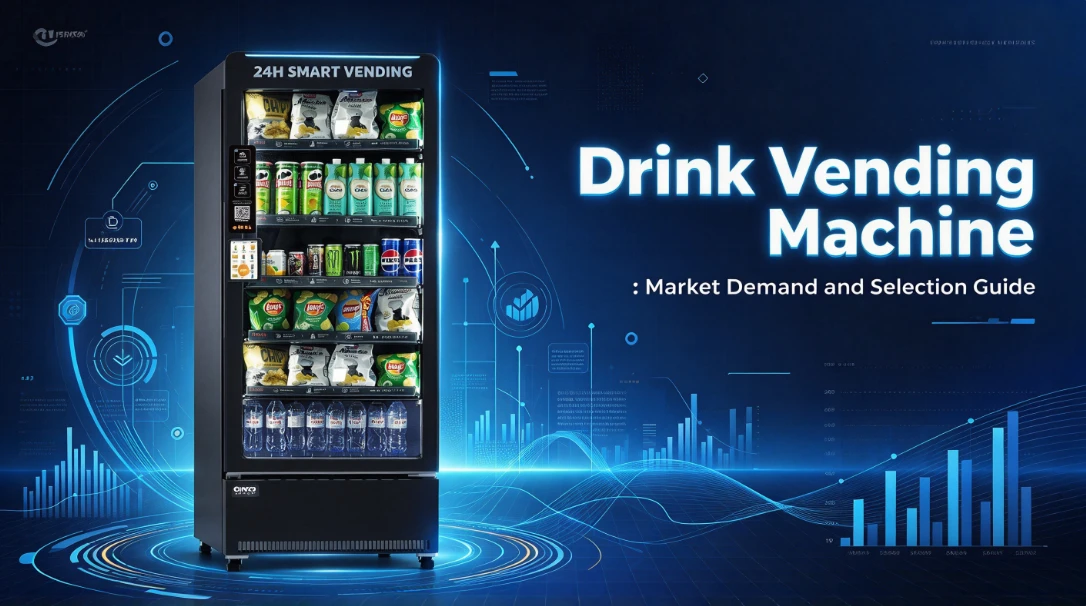
Drink Vending Machine: Market Demand and Selection Guide
FAQ
1. How much does it cost to start a smart drink vending machine business?
Starting with a single commercial smart cooler typically requires $4,500 to $8,500. This budget covers the machine hardware, initial wholesale beverage inventory, business registration, insurance, and initial software connectivity fees.
2. Where are the best locations for a smart beverage vending machine?
The highest-performing locations feature captive foot traffic and extended dwell times, such as fitness centers, distribution warehouses, corporate offices, hospitals, and large residential apartment complexes.
3. How much profit can one smart drink vending machine make per month?
A well-placed machine generating 20 to 30 sales per day at an average price of $2.75 yields $1,650 to $2,475 in monthly gross revenue. After deducting wholesale product costs, payment processing fees, and software subscriptions, net profit typically ranges from $600 to $1,100 per month.
4. Do I need a business license and insurance to place vending machines?
Yes, you must register a legal business entity, obtain local municipal operating permits, and carry general liability insurance. Most commercial property managers require proof of at least $1 million to $2 million in liability coverage before installation.
5. How often do smart drink vending machines need restocking?
High-traffic locations generally require restocking two to three times per week, while moderate-traffic offices need service once every seven to ten days. Cloud telemetry alerts operators to exact stock levels, eliminating unnecessary trips.
6. What happens if a customer takes an item and their card declines?
Modern smart coolers pre-authorize a temporary hold on the customer’s payment method before unlocking the door. If the final purchase exceeds the pre-authorization or encounters an issue, the system flags the account and automatically retries settlement through the payment gateway.