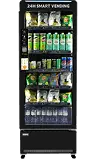
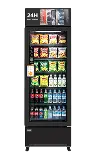
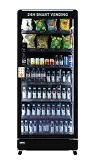
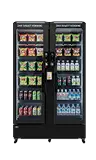
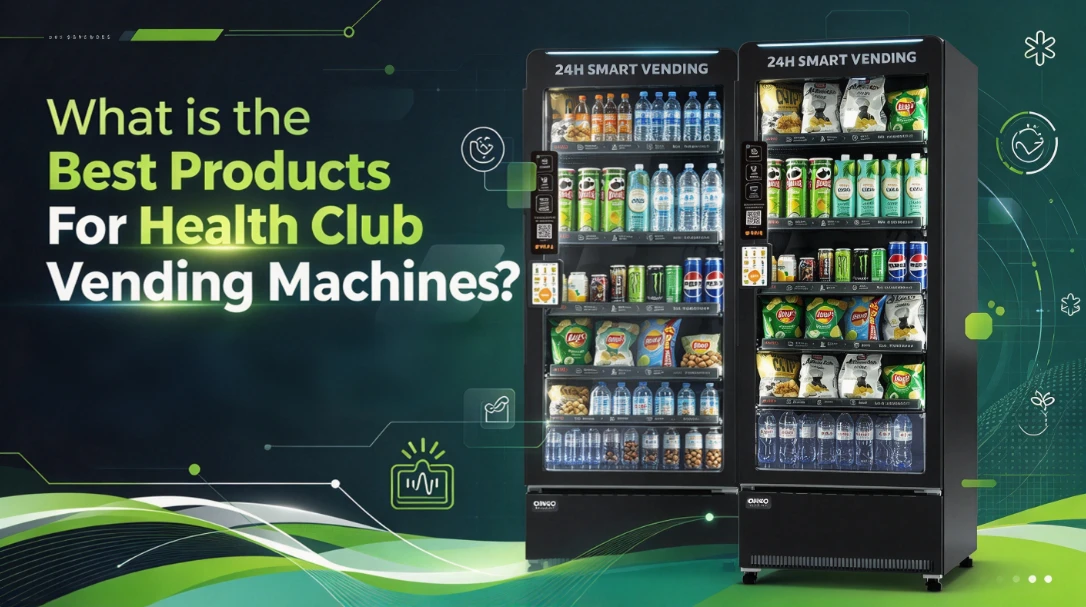
The fitness industry has evolved significantly in recent years. Modern consumers prioritize holistic wellness, driving a massive shift toward premium facilities. Operators must adapt quickly to capture this market.
Understanding the right health club vending machines products to stock is critical. You need to align your offerings with the lifestyle goals of premium members to maximize revenue and ensure high turnover.
What Is It: Health Club vs. Traditional Gym
To select the right inventory, operators must first understand the facility environment. A standard gym focuses heavily on strength training, heavy lifting, and intense cardio equipment.
Gym members usually seek quick protein hits and pre-workout energy. In contrast, a health club provides a much broader wellness experience for its members.
These upscale facilities feature swimming pools, saunas, tennis courts, yoga studios, and comprehensive spa services. Members often seek holistic health solutions rather than just muscle building.
| Feature | Traditional Gym | Health Club |
| Core Focus | Muscle building, weight loss | Holistic wellness, recovery |
| Target Demographics | Strength athletes, bodybuilders | Wellness enthusiasts, families |
| Vending Products | Energy drinks, whey protein bars | Kombucha, organic snacks, spa items |
Top Health Club Vending Machines Products to Sell
Operators must curate a specific product mix to match the holistic wellness goals of club members. Here are the most suitable product categories and the reasons they drive consistent sales.
1. Premium Hydration and Functional Beverages
- Overview: Move beyond standard sports drinks by stocking alkaline water, coconut water, and kombucha.
- Key Features: Added vitamins, natural electrolytes, zero artificial sweeteners.
- Suitable Scenario: Post-yoga hydration or post-sauna recovery sessions.
- Advantages: High profit margin and fast inventory turnover.
- Limitations: Requires constant refrigeration and strict expiration tracking.
- Reason: Health club members view hydration as a wellness pillar, not just a way to quench thirst.
2. Plant-Based and Organic Snacks
- Overview: Offer clean-label snacks like roasted chickpeas, seaweed crisps, and vegan protein cookies.
- Key Features: Non-GMO, gluten-free, and organic ingredients.
- Suitable Scenario: Mid-day energy boosts after a pilates class.
- Advantages: Appeals strongly to dietary-conscious consumers.
- Limitations: Slightly higher wholesale cost compared to traditional snacks.
- Reason: Wellness enthusiasts actively avoid highly processed foods and demand transparent ingredients.
3. Post-Workout Recovery Supplements
- Overview: Items like collagen waters, turmeric shots, and BCAA gummies that support bodily repair.
- Key Features: Anti-inflammatory properties and joint support.
- Suitable Scenario: Consumption before or after using cryotherapy or massage services.
- Advantages: Extremely high perceived value by luxury members.
- Limitations: Niche audience requires careful stock volume management.
- Reason: Health clubs emphasize longevity and recovery, making functional supplements highly desirable.
4. Boutique Personal Care and Spa Items
- Overview: Non-food items like premium swim goggles, natural deodorants, high-end hair ties, and organic sunscreen.
- Key Features: Travel-sized, luxury branding, eco-friendly packaging.
- Suitable Scenario: Forgotten essentials for the pool, shower, or tennis court.
- Advantages: Long shelf life and excellent markup potential.
- Limitations: Slower sales velocity than food and beverages.
- Reason: Members spend extended time utilizing amenities, making convenience items highly valuable.
5. Fresh and Functional Foods
- Overview: Freshly prepared meals and juices sold through smart fridge technology.
- Key Features: Fresh ingredients, short shelf life, nutrient-dense profiles.
- Suitable Scenario: Post-workout lunches or grab-and-go dinners for busy professionals.
- Advantages: Transforms the vending machine into an automated mini-cafe.
- Limitations: High risk of food waste if operators do not monitor inventory closely.
- Reason: Premium members gladly pay a premium price for fresh, cafe-quality food inside the club.
Summary
Choosing the right inventory for a health club requires understanding the holistic wellness lifestyle. Operators who adapt their retail strategy will capture a highly lucrative market segment.
By offering premium hydration, organic snacks, recovery supplements, and personal care items, operators can build a highly profitable automated retail business within premium facilities.
Read More About Health Club Vending Machines
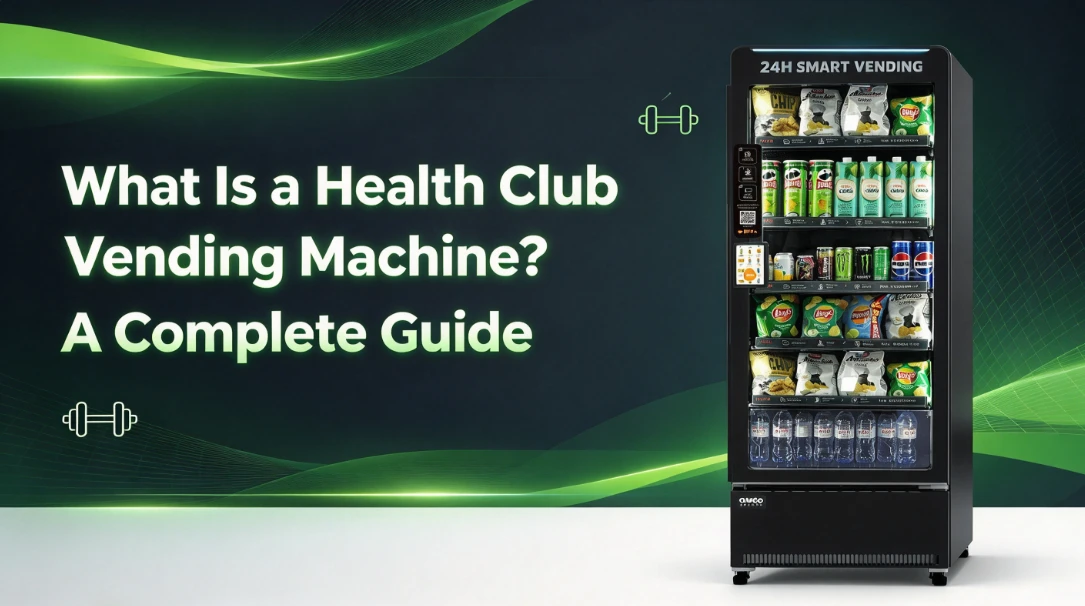
What Is a Health Club Vending Machine? A Complete Guide
FAQ
- What are the best-selling products in health club vending machines?
Premium hydration beverages, organic plant-based snacks, and post-workout recovery drinks are the best-selling products. Members prioritize clean ingredients and functional benefits over traditional sugary sports drinks. - Can smart vending machines sell fresh food in health clubs?
Yes. Smart fridges equipped with weight-sensing technology can securely sell fresh salads, cold-pressed juices, and healthy wraps while monitoring expiration dates in real-time. - Why do health clubs prefer smart vending machines over traditional models?
Health clubs prefer smart machines because they offer sleek aesthetics, interactive touchscreens, and cashless payments that match the premium experience of a luxury wellness facility. - Should I sell personal care items in a health club vending machine?
Absolutely. Health clubs feature pools, saunas, and showers. Selling premium swim goggles, natural deodorants, and hair ties provides immense convenience for members and generates high-margin sales. - How do I price premium health club vending machines products?
Operators can utilize higher profit margins due to the premium environment and demographic. You should use smart vending software to track sales data and adjust prices dynamically based on actual demand.