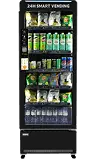
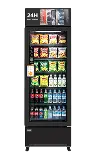
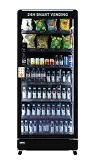
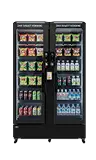
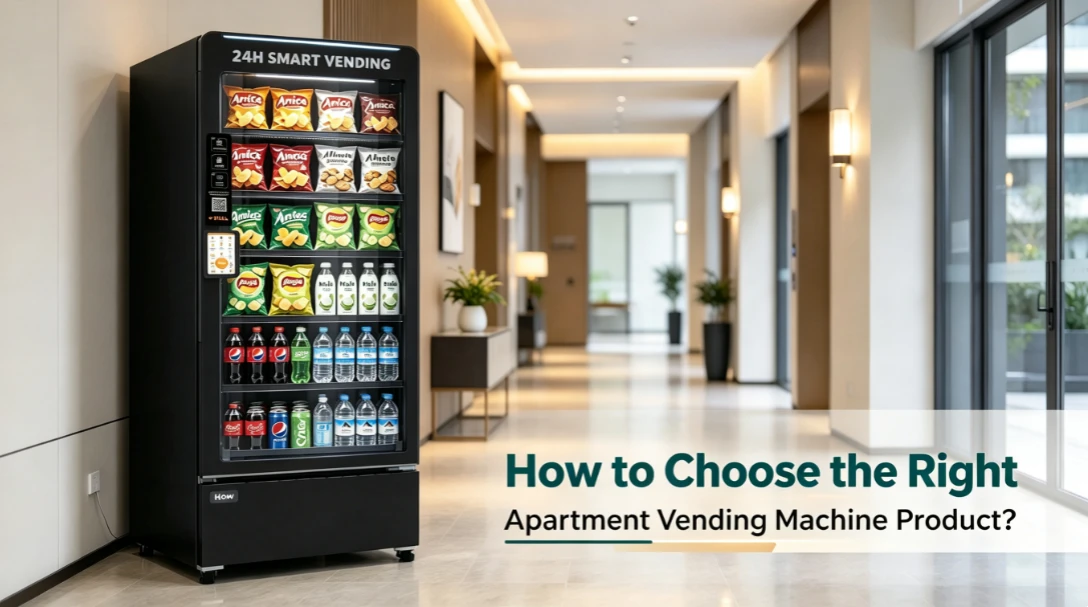
Residential buildings offer a reliable audience for vending operators. Selecting the ideal apartment vending machine product mix drives revenue success. Operators balance daily convenience with operational feasibility. Let us explore the critical considerations for stocking smart vending cabinets in residential complexes.
Key Factors in Apartment Vending Selection
Operators need a strategic approach to inventory management. Simply filling shelves with generic snacks rarely maximizes profits. Let us look at what operators evaluate before sourcing an apartment vending machine product.
- Resident Demographics
A student housing complex requires different items than a luxury high-rise. Age, income level, and daily routines dictate purchasing habits. Operators analyze the tenant profile to select items that match specific lifestyle needs and maximize sales volume.
- Shelf Life and Maintenance Cost
Smart vending cabinets require efficient inventory turnover. Perishable goods demand frequent restocking, which increases labor costs. Operators prioritize long-lasting items to reduce food waste and protect profit margins. Fresh food works well primarily if the location guarantees high daily foot traffic.
- Smart Cabinet Dimensions
The physical packaging of an apartment vending machine product dictates placement. Items must fit the dispensing mechanism of the smart cabinet perfectly. Operators measure product dimensions to prevent jams and ensure a smooth customer experience.
Top Recommended Apartment Vending Machine Product List
Operators succeed by offering a diverse mix of consumables and essentials. According to industry reports, residents increasingly treat lobby smart coolers like 24-hour convenience stores. Here is a detailed list of recommended items.
- Microwavable Convenience Meals
Overview: Pre-packaged dinners, frozen burritos, and instant noodle bowls.
Recommendation Reason: Busy professionals and students often need quick dinners after late shifts. These items offer high perceived value and excellent profit margins for the operator. - Healthy Snacks and Protein Bars
Overview: Low-sugar granola bars, protein shakes, and baked vegetable chips.
Recommendation Reason: Many modern residential buildings feature onsite fitness centers. Fitness-conscious residents prefer nutritious options over traditional junk food after their workouts. - Everyday Personal Care Items
Overview: Travel-sized toothpaste, deodorant, pain relievers, and feminine hygiene products.
Recommendation Reason: Running out of basic toiletries at midnight frustrates residents. Stocking these essentials provides immediate convenience and builds strong customer loyalty. - Bottled Water and Energy Drinks
Overview: Premium hydration, electrolyte beverages, and caffeinated drinks.
Recommendation Reason: Hydration remains a top daily priority. Energy drinks cater to morning commuters and late-night studiers, offering rapid inventory turnover for the operator. - Household and Laundry Supplies
Overview: Single-serve detergent pods, fabric softeners, and dish soap.
Recommendation Reason: Operators targeting buildings with shared laundry rooms see high demand for these supplies. They feature a long shelf life and generate consistent, predictable sales.
The Business Impact of Strategic Product Selection
Strategic product placement turns a simple machine into a valuable building amenity. Operators who analyze sales data and adapt their apartment vending machine product selection see higher resident retention. Meeting immediate resident needs directly increases monthly revenue for the business.
FAQ
- What is the most profitable apartment vending machine product?
Convenience meals and personal care items generally offer the highest profit margins. Operators purchase these items at wholesale prices and sell them at a premium due to the 24-hour convenience factor. - How often should operators restock apartment vending machines?
Operators typically restock residential machines once or twice a week. Route drivers monitor cloud-based inventory data to schedule visits before high-demand items run out completely. - Can smart vending cabinets handle fresh food in apartments?
Yes, operators successfully sell fresh sandwiches and salads using refrigerated smart coolers. These machines use remote temperature monitoring to ensure food safety and prevent spoilage. - How do resident demographics affect vending product choices?
Demographics dictate exact consumer needs. Student dormitories sell more energy drinks and instant noodles, while upscale apartments show higher demand for premium beverages and healthy snacks. - Do household supplies sell well in residential vending machines?
Laundry detergent and basic household items perform exceptionally well in residential settings. Residents appreciate the ability to buy urgent supplies without leaving the building late at night.
Reference Sources
- Vending Market Watch——”Demand for micro markets in apartment complexes grows, says Cantaloupe”
- Vending Market Watch——”Autonomous retail unlocks new growth for convenience services operators”