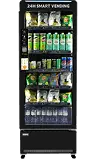
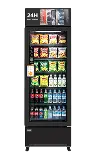
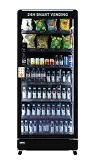
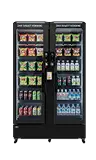
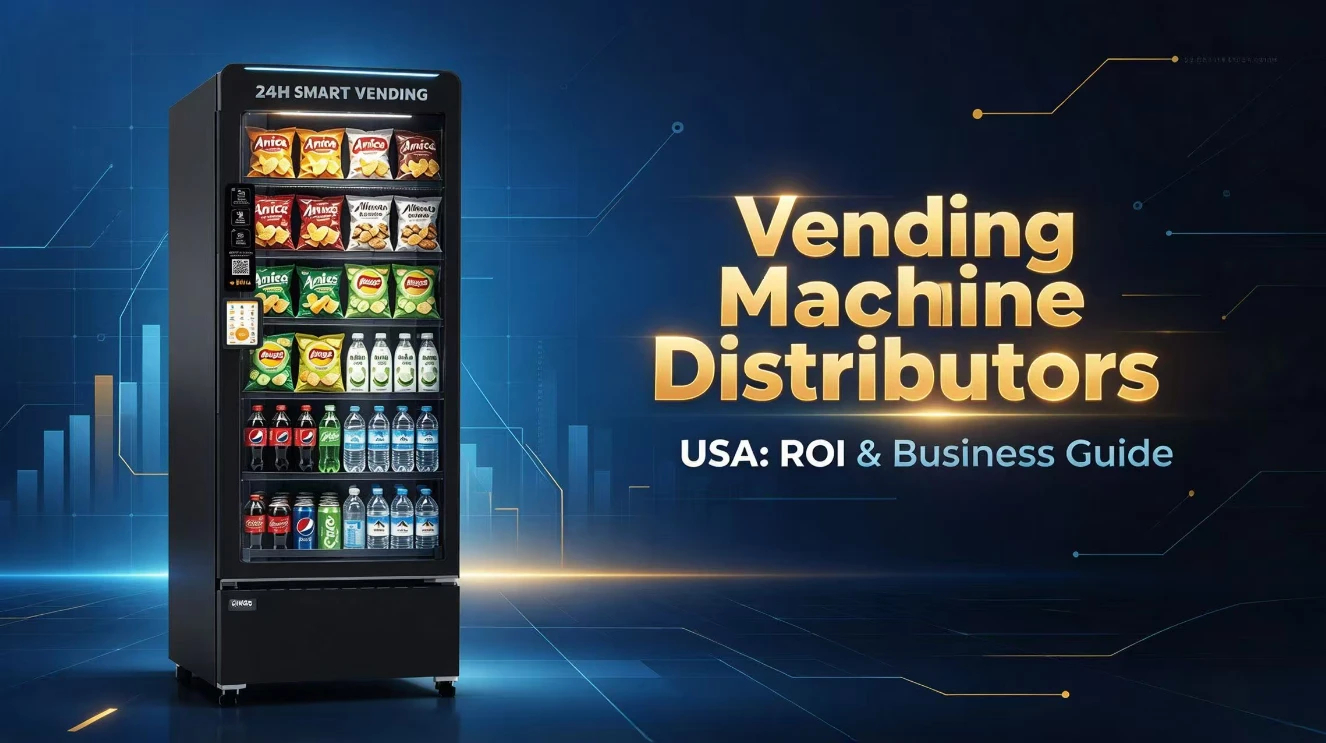
The U.S. automated retail market expands rapidly every year, projecting industry valuations to reach USD 30.27 billion by 2033. For entrepreneurs evaluating this space, the fundamental decision lies in choosing the right business model: operating a local route or operating at scale as a distributor.
While operators focus on consumer-level micro-transactions, vending machine distributors usa focus on B2B equipment sales, facility deployments, and regional market capture. This guide breaks down the identity differences, cost factors, and return on investment for these two distinct paths.
Operator vs Distributor: Understanding the Difference
Many entrants confuse the role of an operator with that of a distributor. An operator buys a few machines, secures local placements, stocks inventory, and collects profits from snacks and beverages. Their core focus remains B2C retail and daily route logistics.
Conversely, a distributor purchases machines in bulk directly from manufacturers and sells them to operators or large facilities. Distributors build a B2B enterprise, focusing on hardware sales, technical support, and market expansion rather than restocking snacks.
| Feature | Vending Operator | Vending Distributor |
| Target Customer | End-consumers (B2C) | Route operators & facilities (B2B) |
| Core Revenue | Snack and beverage sales | Hardware sales and service contracts |
| Scalability | Limited by physical restocking time | Highly scalable through volume sales |
| Logistics Focus | Daily inventory management | Freight, warehousing, and equipment deployment |
The Business Opportunity for Vending Machine Wholesale Distributors
Transitioning from an operator to a distributor shifts your revenue source from individual snack sales to high-value hardware solutions. The primary advantage is scalability. Vending machine wholesale distributors bypass the logistical bottlenecks of daily restocking, route management, and perishable inventory expiration.
Instead, distributors focus on building a robust B2B sales pipeline. You supply advanced smart hardware to emerging operators, corporate campuses, and independent business owners who want to run their own routes. This transition elevates your business from a local service provider to a regional equipment supplier.
Cost Factors: Preferential Price Policies
One of the most significant financial advantages of the distribution model is access to preferential price policies. Manufacturers offer aggressive wholesale discounts exclusively to their official distribution partners, establishing a strong foundation for profitability.
- Hardware Margins: Distributors purchase smart vending units at a fraction of the retail cost, allowing for a substantial markup when selling to independent operators.
- Shipping & Logistics: Bulk container purchasing reduces per-unit freight costs significantly, immediately improving the baseline profit margin.
- Parts & Maintenance: Distributors receive wholesale pricing on OEM parts, creating a lucrative secondary revenue stream through post-sale service contracts.
Operational Considerations: Regional Agency Protection
Internal competition acts as a major risk factor in the automated retail industry. To mitigate this, premium manufacturers offer independent regional agency protection policies. This means that once you secure a specific territory, the manufacturer will not sell directly to other entities within your defined jurisdiction.
- Market Exclusivity: You capture all brand demand in your territory, ensuring no internal price wars.
- Brand Equity: All local marketing and networking efforts directly benefit your specific distributorship.
- Pricing Control: Without localized cross-competition, distributors maintain healthy pricing structures and maximize profit per unit sold.
ROI Analysis: Scaling Your Vending Business
The return on investment trajectory for a distributor accelerates much faster than a standard operating route. While a local operator might net 25% to 35% margins on food and beverage sales, physical location foot traffic and weekly restocking capacity strictly limit their revenue.
Volume hardware sales and recurring B2B relationships drive a distributor’s return on investment. Selling a fleet of ten machines to a new route operator provides an immediate, high-ticket cash injection. This single transaction generates revenue that would take an individual machine months to achieve through micro-transactions.
Join Our Network: Vending Machine Distributors in California and Beyond
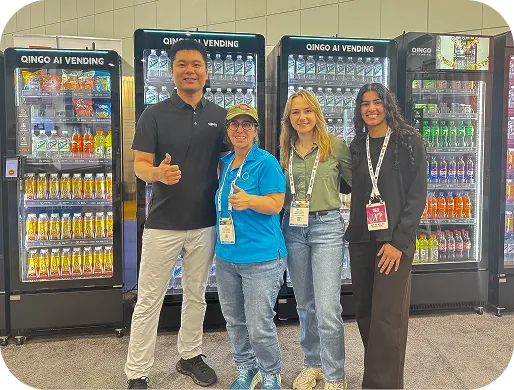
Qingo actively expands its commercial footprint and seeks strategic partners to lead regional growth. We currently partner with highly successful and stable vending machine distributors in california, proving the viability, market demand, and profitability of our advanced hardware solutions.
We are now opening exclusive territories for new distributors across other regions of the United States. Partners receive comprehensive technical training, aggressive wholesale pricing structures, and strict regional agency protection. By joining our network, you position your business to dominate the local automated retail market.
Get More Information About QINGO vending machine distributor
Maximizing ROI as a QINGO Vending Machine Distributor
Conclusion
Choosing to become a distributor offers a highly profitable, scalable alternative to operating a traditional vending route. By leveraging wholesale pricing, territorial exclusivity, and a growing B2B market, distributors build substantial business equity. Partner with Qingo today to secure your region and scale your operations.
FAQ
1. What is the difference between a vending operator and a distributor?
A vending operator places machines in local businesses and earns money by selling snacks to consumers. A distributor buys machines in bulk from manufacturers and sells them directly to those route operators.
2. How do vending machine distributors make money?
Distributors generate revenue through the margin between wholesale equipment costs and retail pricing. They also earn recurring income by selling replacement parts, technical support, and service contracts to local operators.
3. What are the benefits of regional agency protection?
Regional agency protection grants a distributor exclusive rights to sell a specific manufacturer’s equipment in a defined territory. This eliminates internal brand competition and helps maintain highly profitable pricing margins.
4. Do distributors need to stock food and beverages?
No, distributors generally do not deal with food or beverage inventory. Their primary focus involves warehousing machines, managing equipment logistics, and facilitating B2B hardware sales.
5. How can I become a distributor in the USA?
You can become a distributor by partnering directly with an established manufacturer like Qingo. You must demonstrate business capability, sign a distribution agreement, and commit to growing the brand in an exclusive regional territory.