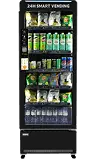
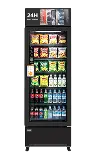
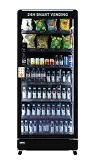
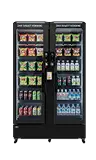
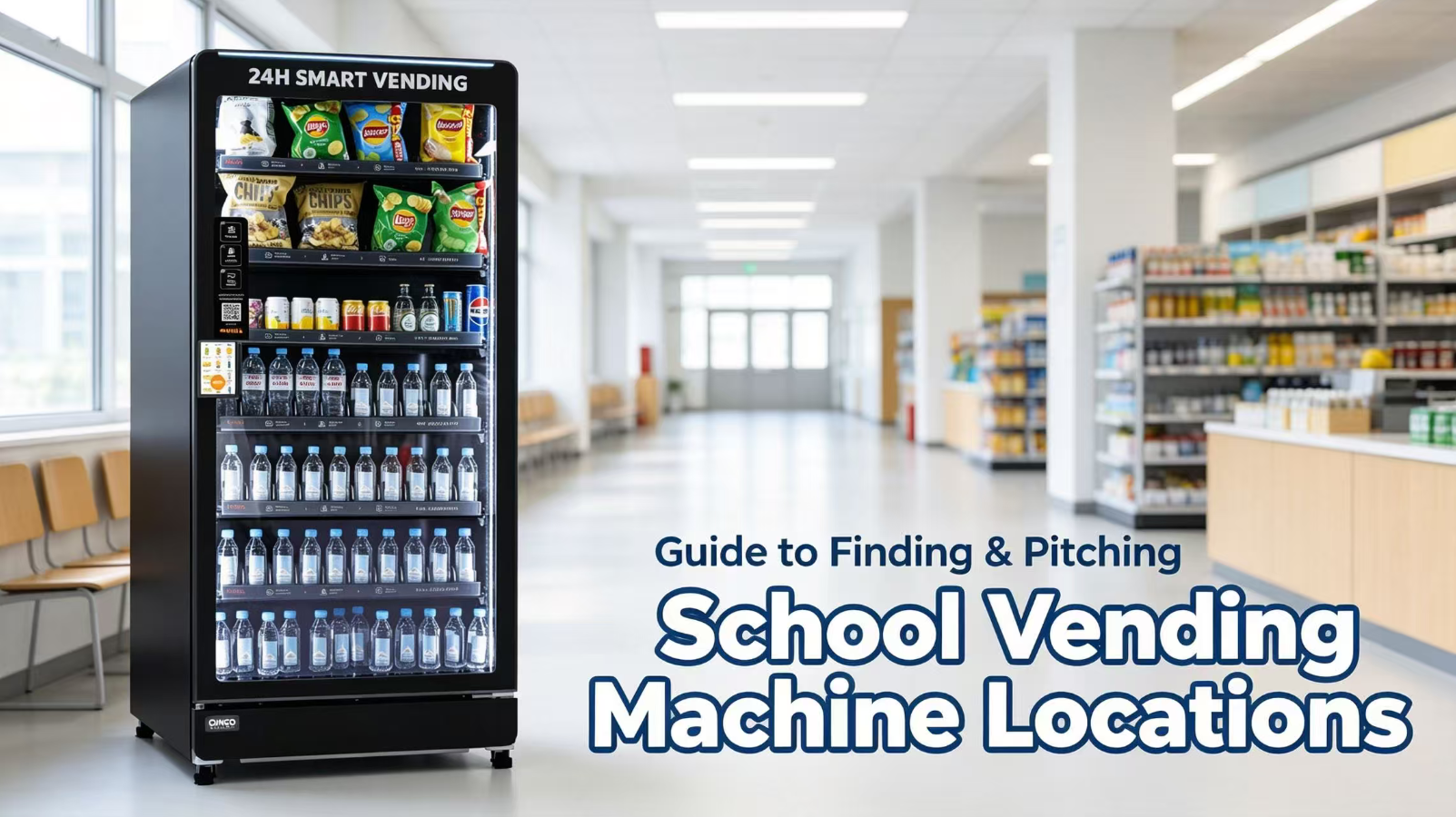
Placing equipment in educational facilities remains a lucrative strategy for operators. A school vending machine benefits from a captive audience, predictable schedules, and consistent foot traffic. However, securing these contracts requires understanding campus dynamics and navigating strict administrative guidelines.
Schools represent premium territory for operators. Educational environments keep consumers on-site for hours, creating high demand for quick energy between classes. Data shows that K-12 and university placements consistently generate robust monthly returns. A high school machine often produces $400 to $700 monthly, while university campus spots can exceed $900 per month.
How to Select the Best School Vending Machine Locations
Operators need to evaluate specific campus dynamics before deploying equipment. You must prioritize areas with high dwell times and limited alternative food sources. Keep the following operational factors in mind:
- Foot Traffic: Monitor student movement during class transitions and after-school periods.
- Competitor Proximity: Avoid placing machines directly next to active cafeterias or campus stores.
- Security: Choose well-lit areas with security cameras to minimize vandalism risks.
- Connectivity: Ensure the spot has strong cellular signals for cashless card readers.
Top School Vending Machine Locations on Campus
To maximize your daily transactions and overall ROI, target these proven campus zones.
1. Gymnasiums and Athletic Facilities
- Overview: High-energy zones hosting physical education classes and after-school sports.
- Key Features: High demand for hydration and protein recovery items.
- Suitable Scenario: High schools and universities hosting regular tournaments.
- Advantages: Massive spikes in weekend traffic from visiting parents and opposing teams.
- Limitations: Slower sales during non-game days or athletic off-seasons.
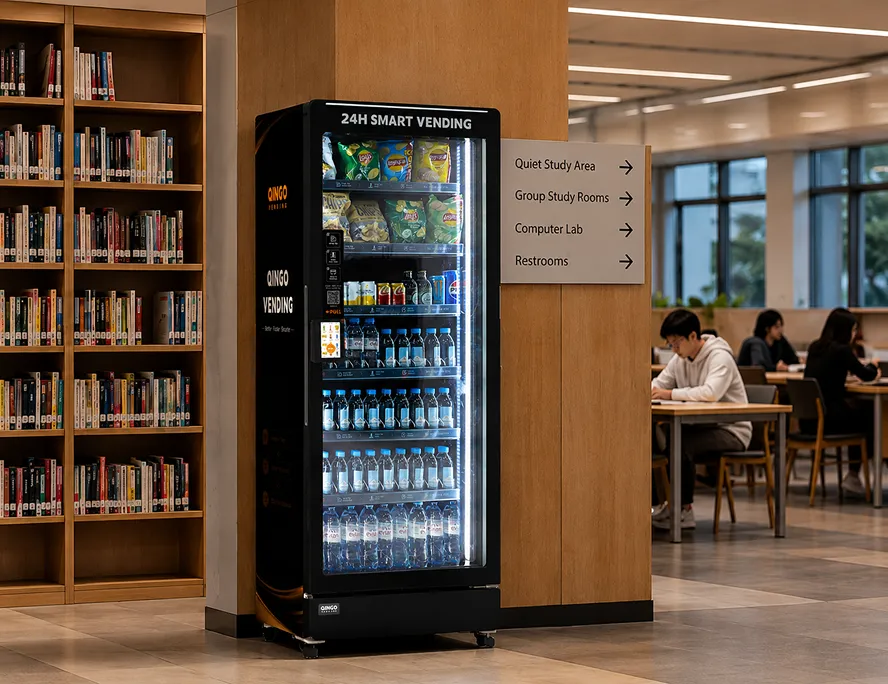
2. Student Libraries and Study Halls
- Overview: Quiet zones where students spend hours studying or completing assignments.
- Key Features: Focus on caffeinated beverages, energy drinks, and quiet snacks.
- Suitable Scenario: University campuses and large high schools.
- Advantages: Extremely high dwell times lead to predictable repeat purchases.
- Limitations: Strict noise policies might limit machine types or restocking schedules.
3. Main Hallways and Intersections
- Overview: The primary arteries of any campus where students transition between periods.
- Key Features: Requires fast-vend equipment and seamless cashless payment options.
- Suitable Scenario: Any educational facility with high student enrollment.
- Advantages: Guarantees maximum daily visibility and impulsive buying.
- Limitations: Short transition windows require rapid transaction processing speeds.
4. Faculty Breakrooms
- Overview: Private areas restricted to teachers and campus administrative staff.
- Key Features: Demand for premium coffee, healthy meals, and high-quality snacks.
- Suitable Scenario: K-12 schools where teachers cannot leave campus for lunch.
- Advantages: Exempt from strict student nutrition guidelines in many districts.
- Limitations: A smaller user base caps the overall revenue ceiling.
5. University Dormitories
- Overview: Residential buildings housing hundreds of college students.
- Key Features: 24/7 access requirements and demand for meal-replacement items.
- Suitable Scenario: College and university campuses.
- Advantages: Late-night study sessions drive massive after-hours revenue.
- Limitations: Requires rigorous restocking schedules to keep up with high demand.
How to Pitch and Negotiate with School Administration
Securing a contract requires a professional B2B sales approach. School administrators care about student health, facility aesthetics, and supplementary funding. Follow these strategies to pitch successfully:
- Identify the Decision-Maker: Do not pitch to teachers. Contact the district’s facilities manager or nutrition services department.
- Prepare for the RFP Process: Public school districts often require a formal Request for Proposal (RFP). Prepare detailed business documentation.
- Address Nutrition Standards: For K-12 public schools, you must prove compliance with the USDA Smart Snacks in School standards using nutritional data.
- Highlight Financial Benefits: Frame your service as a fundraising tool. Explain how your commission will directly fund extracurricular activities.
Conclusion
Deploying equipment across educational campuses creates a stable, high-yield business model. Operators who select prime school vending machine locations and align their proposals with administrative goals will secure long-term, profitable contracts.
FAQ
- Are vending machines profitable in schools?
Yes, educational facilities rank among the most profitable locations for operators. High schools typically generate $400 to $700 monthly per machine, while university placements often exceed $900. - What are the rules for school vending machines?
Public K-12 facilities in the United States must follow USDA Smart Snacks in School standards. These rules strictly limit the calorie, fat, sodium, and sugar content of all vended items. - Who do I contact to put a vending machine in a school?
You should contact the school district’s facilities manager, business manager, or nutrition services department. Avoid pitching to principals, as they rarely handle district-wide vendor contracts. - Do colleges have the same nutrition rules as high schools?
No, universities and private colleges generally do not have to follow the strict USDA Smart Snacks guidelines. Operators have more flexibility to stock traditional snacks and full-sugar beverages. - How much commission should I offer a school?
Operators typically offer educational facilities a commission rate between 10% and 20% of gross sales. You should position this commission as a direct funding source for student activities.
Reference Sources
- VendPlacer – Vending Machine in a School — Rules, Revenue & How to Get Approved
- VendSoft – Profitable Vending Machine Locations: 2026 Guide
- Reddit – 3 vending locations that ALWAYS print money
- Case DIY Machine – 9 Unexpected Vending Machine Locations That Actually Make Money
- YouTube – How to Get a Vending Machine Into Schools
- Scribd – Vending Machine Proposal for Schools