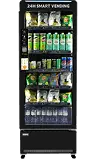
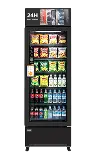
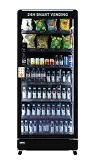
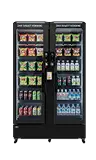
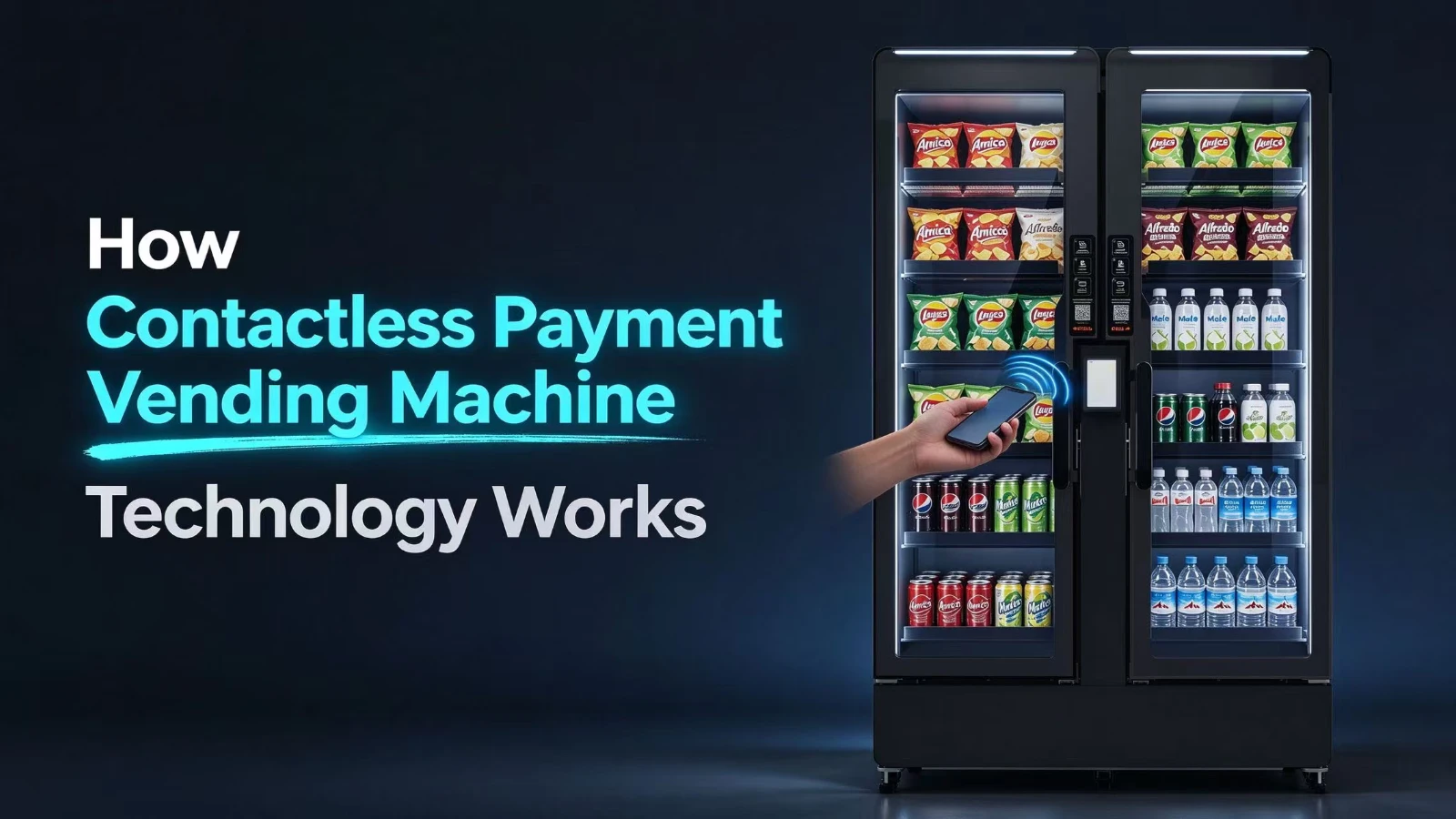
Automated retail relies heavily on fast and secure transactions. The days of searching for exact change are over. Modern consumers expect seamless digital interactions everywhere they go. A contactless payment vending machine meets this demand by processing transactions in seconds.
This digital shift provides massive value for vending operators. Industry data shows cashless transactions now account for over 70% of all vending sales. Understanding the technology behind these systems helps operators optimize their commercial fleets.
Technology Overview: Understanding the Hardware
At the core of every vending machine contactless payment system is Near Field Communication (NFC) technology. NFC allows two devices to communicate securely when placed within a few centimeters of each other.
When a customer taps their smartphone or smart card, the card reader activates the internal NFC chip. This chip creates a secure radio frequency field to exchange encrypted tokenized data. The system never stores actual credit card numbers, which keeps customer data entirely secure.
How The System Works: The Payment Workflow
The transaction process in a smart vending machine takes less than three seconds. The workflow relies on cloud-based telemetry and secure payment gateways to function smoothly. Here is the step-by-step process:
- Initiation: The customer selects an item and taps their card or mobile device against the reader.
- Data Encryption: The smart reader encrypts the payment details into a one-time unique token.
- Gateway Routing: The telemetry system sends this token over a secure cellular network to the payment gateway.
- Bank Authorization: The gateway contacts the issuing bank to verify sufficient funds.
- Dispense Command: Once approved, the gateway sends a signal back to the machine’s control board to release the product.
Contactless Payment vs. Traditional Coin and Cash Systems
Traditional cash vending machines struggle with mechanical jams, theft risks, and slow transaction times. Contactless technology solves these operational bottlenecks while driving higher revenue. Studies indicate contactless transactions average $2.24 compared to just $1.78 for cash purchases.
Here is a comparison between modern contactless technology and traditional cash systems:
| Feature | Contactless Payment Vending Machine | Traditional Cash Vending Machine |
| Transaction Speed | Instant (Under 3 seconds) | Slow (Sorting coins/bills) |
| Average Ticket Size | Higher (Encourages multi-vend) | Lower (Limited by exact change) |
| Maintenance Needs | Low (No mechanical moving parts) | High (Coin jams, bill validator issues) |
| Data Analytics | High (Real-time telemetry and sales data) | None (Requires manual auditing) |
| Security Risk | Minimal (Encrypted digital tokens) | High (Vandalism and physical cash theft) |
QINGO Contactless Payment Solutions
QINGO designs smart retail solutions that maximize operator revenue. Our machines feature built-in smart readers that support all major global payment networks. This ensures your customers never abandon a purchase due to payment friction.
We offer full vending machine contactless payment integration for the following platforms:
- Credit & Debit Cards: Visa and Mastercard (Tap-to-pay EMV chips).
- Mobile Wallets: Apple Pay, Google Pay, and Samsung Pay.
- Custom Solutions: We customize payment gateways to support local e-wallets and campus RFID cards based on specific client requirements.
The Business Impact of Digital Payments
Upgrading to digital payments directly impacts operational efficiency. Operators can remotely monitor their entire fleet using cloud-based inventory management software. The telemetry system tracks exactly which products sell and at what time.
This real-time data allows operators to optimize restocking routes. You only send drivers to machines that actually need inventory replenishment. Furthermore, removing cash handling completely eliminates the labor costs associated with counting coins and processing bank deposits.
Future Development in Automated Retail
The next evolution in vending machine technology will combine contactless payments with artificial intelligence. Machine learning algorithms will analyze local payment data to offer personalized product recommendations on digital touchscreens.
Biometric payments also represent a growing technology trend. We anticipate future systems will allow registered users to pay via palm scanners or facial recognition. These innovations will further reduce transaction friction and boost automated retail profitability.
FAQ
- Can you add contactless payment to an old vending machine?
Yes, you can retrofit older machines using a telemetry kit and an NFC card reader. The machine must have an MDB (Multi-Drop Bus) interface to communicate successfully with the new payment hardware. - Does vending machine contactless payment integration Apple Pay require internet?
Yes, the vending machine requires an active internet connection to process Apple Pay. The machine uses a cellular modem or Wi-Fi network to send the encrypted payment token to the bank for authorization. - Are contactless payment vending machines secure?
Contactless payment vending machines are highly secure because they use tokenization and end-to-end encryption. The card reader never stores raw credit card details, making it nearly impossible for hackers to steal sensitive customer data. - How much do processing fees cost for cashless vending?
Processing fees typically range between 2% and 4% per digital transaction. However, operators easily offset this operational cost through increased sales volume and a higher average transaction value compared to cash machines. - Do cashless vending machines track inventory?
Yes, cashless systems track inventory in real-time using cloud-based telemetry software. The system updates your central dashboard automatically every time a digital transaction occurs, allowing for highly efficient restocking and route planning.
Reference Sources
Cantaloupe, Inc. (2025). “Why Vending Machines Need Contactless Payments.”
Neuroshop. (2025). “Coin vs Cashless Vending Machine Comparison.”